

A martingale collar for dogs is one of those genius inventions that makes you wonder why someone didn’t think of it sooner. Unlike regular collars that can slip right off a determined pup’s neck, martingale collars tighten gently when your dog pulls, providing a humane way to keep your furry escape artist exactly where you want them—by your side.
Table of Contents
- What Exactly Is a Martingale Collar?
- Why Dog Owners Are Obsessed With Martingale Collars
- Different Types of Martingale Collars
- Sizing Your Martingale Collar for Dogs Correctly
- Training Tips for Martingale Collar Success
- Martingale Collars vs. Other Dog Training Tools
- Health and Safety Considerations
- Common Mistakes Dog Owners Make
- Best Practices for Martingale Collar Use
- Martingale Collars for Specific Breeds
- Frequently Asked Questions
- Final Thoughts: Is a Martingale Collar Right for Your Dog?
What Exactly Is a Martingale Collar?
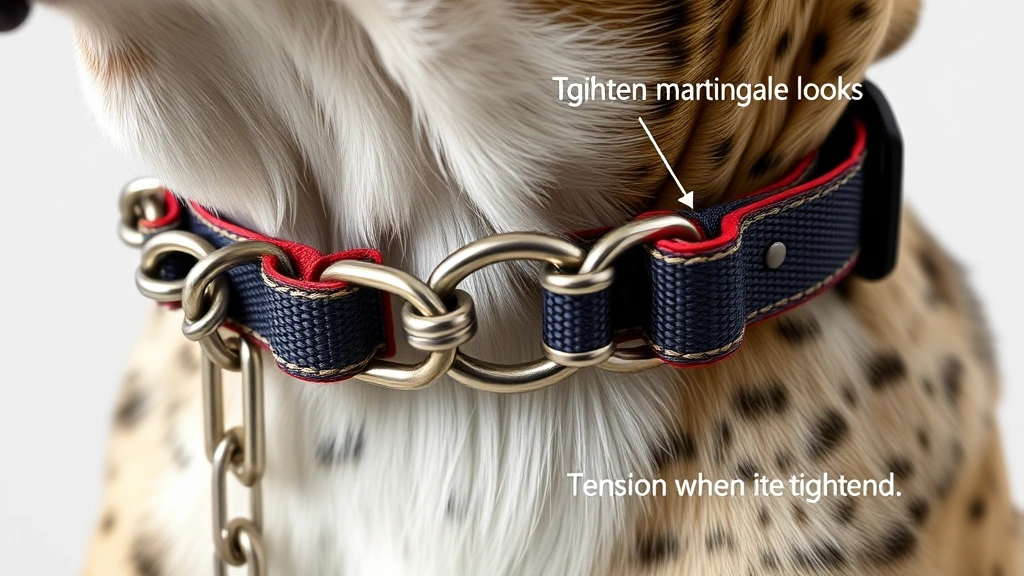
Let’s break down the basics. A martingale collar for dogs consists of two loops: a larger one that goes around your dog’s neck and a smaller one that tightens when your pup tugs. When tension is applied to the leash, the collar gradually tightens but never completely closes off the airway (when properly fitted). Think of it as the Goldilocks of dog collars—not too loose, not too tight, just right.
The design prevents the collar from slipping over your dog’s head, which is especially crucial for breeds with narrower skulls. If you’ve got a Catahoula Leopard Dog or similar escape artist, this collar type is basically a lifesaver.
Why Dog Owners Are Obsessed With Martingale Collars
Here’s the thing: regular collars can be a nightmare. Your dog pulls, the collar slips, and suddenly you’re chasing a four-legged furball down the street. A martingale collar for dogs eliminates this problem entirely. The gentle tightening action reminds your pup to ease up on the pulling without causing harm—it’s like a polite but firm “hey, buddy, let’s dial it back.”
Beyond escape prevention, these collars are humane training tools. They apply pressure gradually and release immediately when your dog stops pulling. No choke, no harm, just effective communication between you and your best friend.
Different Types of Martingale Collars
Not all martingale collars are created equal. You’ve got several options to choose from:
Limited Slip Martingales: These have a chain or fabric loop that prevents over-tightening. They’re perfect for everyday use and training because they can’t constrict beyond a safe point.
Chain Martingales: The classic design with a chain connecting the two loops. They’re durable and great for strong pullers, though they require proper fitting and supervision.
Fabric Martingales: These are softer, more comfortable for extended wear, and come in adorable patterns. Check out our guide on cool dog names while you’re picking out a matching collar.
Nylon Martingales: Budget-friendly and lightweight, these are excellent for smaller breeds or dogs just starting their training journey.
Sizing Your Martingale Collar for Dogs Correctly
Here’s where most people mess up: improper fitting. A poorly fitted martingale collar for dogs defeats the entire purpose and can actually be harmful. When properly fitted, you should be able to slip two fingers between the collar and your dog’s neck when it’s in its relaxed state.
Measure your dog’s neck with a soft measuring tape, then add one inch to that measurement. This gives you the circumference you need. Most martingale collars come in sizes (small, medium, large), but always check the manufacturer’s specific measurements because sizing varies wildly between brands.
Pro tip: If your dog has a thick neck or is still growing, opt for an adjustable martingale collar for dogs. You’ll get more mileage out of your investment, and you won’t need to buy a new one every few months.
Training Tips for Martingale Collar Success
Simply putting a martingale collar on your dog won’t magically solve pulling problems. You’ve got to actually train. Start in a low-distraction environment like your backyard. When your dog pulls, stop walking and wait for them to ease up on the leash tension. The moment they do, continue walking and offer praise—or better yet, offer a healthy pet treat as a reward.
Consistency is absolutely key here. Every single time your dog pulls, stop. Every single time they ease up, move forward. Dogs are smart cookies and will catch on quickly that pulling gets them nowhere but walking nicely gets them everywhere.
Martingale Collars vs. Other Dog Training Tools
How does a martingale collar for dogs stack up against other options? Let’s compare:
vs. Standard Collars: Standard collars slip. Martingales don’t. Winner: Martingale.
vs. Harnesses: Harnesses are great for distributing pressure across the chest, but they don’t provide the same level of control for training. Martingales offer more direct feedback.
vs. Retractable Leashes: Retractable leashes give dogs too much freedom and actually encourage pulling. Martingales teach proper leash etiquette.
vs. Choke Chains: Choke chains can cause serious injury. Martingales are humane and safe when properly fitted. According to the American Kennel Club, martingale collars are recommended for training purposes.
Health and Safety Considerations
Safety first, always. Never leave a martingale collar on an unsupervised dog. Unlike regular collars with buckles, martingales can tighten if they get caught on something, which could be dangerous. Remove the collar during playtime with other dogs, during crate time, and definitely before bed.
Watch for signs of discomfort like excessive scratching, hair loss, or redness around the neck. If you notice any of these, the collar might be too tight or your dog might have a skin sensitivity. Some dogs develop irritation from constant collar contact, so give their neck breaks throughout the day.
According to PetMD, proper collar fit is essential for preventing neck injuries and maintaining your dog’s comfort during training.
Common Mistakes Dog Owners Make
Let’s talk about what NOT to do with your martingale collar for dogs:
Mistake #1: Leaving it on all the time. Your dog’s neck needs to breathe. Remove it when appropriate.
Mistake #2: Fitting it too tight. If you can’t fit two fingers under it, it’s too snug. Loosen it up.
Mistake #3: Using it as a punishment tool. Yanking the leash aggressively defeats the purpose. The collar should provide gentle feedback, not pain.
Mistake #4: Skipping actual training. The collar is a tool, not a magic wand. You still need to train your dog.
Mistake #5: Using it on puppies without guidance. Young dogs need careful, gentle training. Consult a professional trainer if you’re unsure.
Best Practices for Martingale Collar Use
To get the most out of your martingale collar for dogs, follow these best practices:
Always use a properly sized collar. Take measurements before purchasing. Use it consistently during training sessions. Pair it with positive reinforcement like safe fruits for dogs or commercial treats. Remove it during unsupervised time. Check the fit regularly as your dog grows. Inspect for wear and tear monthly. Never jerk or yank the leash aggressively. Combine it with obedience training for best results.
Martingale Collars for Specific Breeds
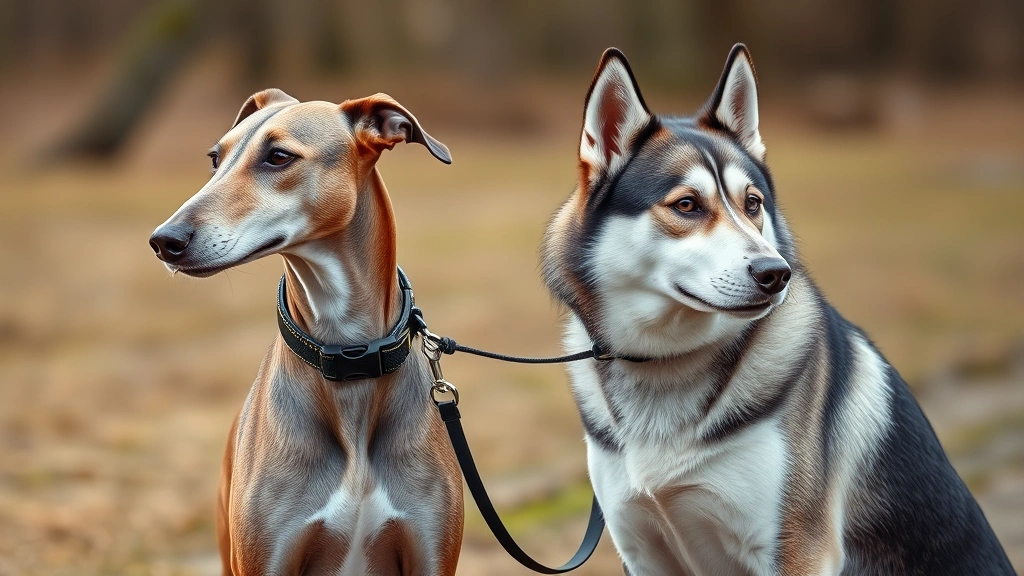
Certain breeds benefit more from martingale collars than others. Greyhounds, Whippets, and other sighthounds have narrow skulls and are notorious for slipping regular collars. For these breeds, a martingale collar for dogs isn’t just convenient—it’s necessary.
Escape artists like Huskies and Beagles also do well with martingales. Strong pullers like Labrador Retrievers and Golden Retrievers benefit from the gentle feedback mechanism. Even smaller breeds can use martingales effectively, though you’ll want to choose a lighter-weight option.
Research your breed’s specific needs. Some breeds have sensitivity to collar pressure, so consulting with your veterinarian or a certified professional trainer is always smart.
Frequently Asked Questions
Are martingale collars humane?
Yes, when properly fitted and used correctly, martingale collars are humane. They provide gentle feedback without restricting airflow or causing pain. They’re recommended by many professional trainers and organizations like the AKC as a training tool.
Can I leave a martingale collar on my dog all day?
No, it’s not recommended. Remove the collar during unsupervised time, playtime with other dogs, and when your dog is resting. Constant collar contact can cause irritation and discomfort. Think of it as a training tool, not a permanent accessory.
What’s the difference between a martingale and a limited slip collar?
A limited slip martingale has a safety mechanism that prevents over-tightening, making it safer for everyday use. A standard martingale can tighten more but requires careful supervision. Limited slip versions are generally better for most dog owners.
How do I know if my martingale collar fits properly?
The two-finger rule is your best friend. When the collar is relaxed around your dog’s neck, you should be able to slip two fingers comfortably between the collar and your dog’s neck. If it’s tighter or looser than that, adjust accordingly.
Can puppies use martingale collars?
Yes, but with caution. Puppies have delicate necks and should use properly fitted, lightweight martingale collars. Start with limited slip versions and always supervise. Consider consulting a professional trainer for guidance on puppy training tools.
Will a martingale collar stop my dog from pulling?
The collar itself won’t stop pulling—training will. The martingale collar for dogs is a tool that provides feedback during the training process. Combine it with consistent positive reinforcement and obedience training for the best results.
Final Thoughts: Is a Martingale Collar Right for Your Dog?
A martingale collar for dogs is an excellent tool for dog owners dealing with pullers, escape artists, or breeds with narrow skulls. It’s humane, effective, and relatively affordable. But remember, it’s not a substitute for proper training and supervision.
Before purchasing, measure your dog’s neck, research breed-specific recommendations, and consider consulting a professional trainer if your dog has serious pulling issues. Start with a limited slip martingale if you’re new to this type of collar. Always supervise your dog while wearing it, and remove it during unsupervised time.
The right martingale collar for dogs, combined with consistent training and positive reinforcement, can transform your walks from chaotic pulling marathons into peaceful, enjoyable outings. Your dog gets the feedback they need, you get the control you want, and everyone’s happy. That’s a win in our book.





