
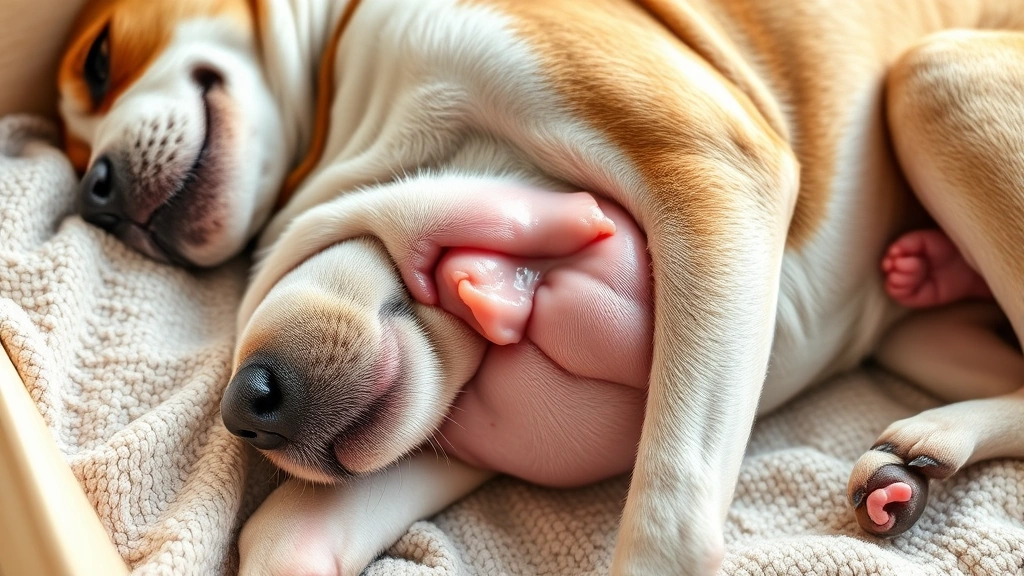
Mastitis in dogs is an inflammatory condition of the mammary glands that can turn a happy nursing mama into one seriously uncomfortable pup. Whether your dog is currently nursing puppies or you’re just trying to stay ahead of health issues, understanding this condition could literally save your dog’s quality of life—and potentially her life.
Table of Contents
- What Exactly Is Mastitis in Dogs?
- Recognizing the Red Flags: Signs Your Dog Has Mastitis
- What Causes Mastitis in Lactating Dogs?
- Diagnosis: How Vets Confirm Mastitis
- Treatment Options for Canine Mastitis
- Nutrition During Recovery: Supporting Your Dog’s Healing
- Prevention: Stop Mastitis Before It Starts
- When to Seek Emergency Care
- Prognosis and Long-Term Outlook
- Special Considerations for Breeding Dogs
- Frequently Asked Questions
- Conclusion: Protecting Your Dog’s Health
What Exactly Is Mastitis in Dogs?
Let’s break it down: mastitis is inflammation of the breast tissue in female dogs, typically occurring during lactation. Think of it like a traffic jam in the milk ducts—milk backs up, bacteria move in uninvited, and suddenly your sweet girl is in pain and running a fever. It’s not just uncomfortable; untreated mastitis can lead to serious complications like sepsis or abscess formation.
The condition affects nursing mothers most commonly, but it can occasionally happen in spayed females or even males in rare circumstances. The inflammation can be caused by bacterial infection, milk stasis (when milk doesn’t flow properly), or trauma to the mammary glands.
Recognizing the Red Flags: Signs Your Dog Has Mastitis
Your dog can’t tell you her breasts hurt, so you need to play detective. Here are the telltale signs of canine mastitis to watch for:
- Swollen, hard, or hot mammary glands – They’ll feel noticeably different from normal
- Discolored milk – Look for yellowish, bloody, or thick discharge instead of normal white milk
- Reluctance to nurse – Mama dog suddenly doesn’t want puppies touching her chest
- Fever – Temperature above 103°F (39.4°C)
- Lethargy and depression – She’ll seem unusually tired and withdrawn
- Loss of appetite – Even her favorite treats won’t interest her
- Excessive licking or grooming of the affected area – She knows something’s wrong
- Visible abscess or discharge – Pus or other abnormal fluid coming from the nipple
If you notice any combination of these symptoms in your nursing dog, don’t wait around hoping it’ll resolve on its own. This is a time to contact your veterinarian immediately.
What Causes Mastitis in Lactating Dogs?
Understanding the root cause helps prevent future episodes. The main culprits include:
Bacterial infection is the primary cause, with common offenders being Staphylococcus and Streptococcus bacteria. These sneaky microorganisms can enter through damaged nipples or ascend through the milk ducts.
Milk stasis occurs when milk isn’t being removed efficiently from the glands. If puppies aren’t nursing evenly or if a gland becomes blocked, milk accumulates and creates the perfect environment for bacterial growth.
Poor hygiene around the nursing area significantly increases infection risk. Dirty bedding, contaminated environments, or inadequate cleaning of the mother’s mammary area can introduce bacteria.
Trauma to the nipples from aggressive nursing puppies or rough handling creates entry points for infection.
Nutritional deficiencies can weaken the immune system, making your dog more susceptible to infection. Ensure your nursing dog gets premium nutrition—this isn’t the time for budget dog food.
Diagnosis: How Vets Confirm Mastitis
Your veterinarian will perform a thorough examination of the mammary glands and may recommend additional testing. This typically includes:
Physical examination – Your vet will palpate the glands, assess for heat and swelling, and check your dog’s temperature.
Milk culture and sensitivity testing – A sample of the affected milk is analyzed to identify the specific bacteria and determine which antibiotics will work best. This is crucial for effective treatment.
Complete blood count (CBC) – Blood work reveals whether there’s a systemic infection and how your dog’s immune system is responding.
Ultrasound – In severe cases, ultrasound imaging helps identify abscesses or other complications requiring intervention.
Don’t skip these diagnostic steps. Knowing exactly what you’re dealing with means your vet can prescribe the right treatment rather than guessing.
Treatment Options for Canine Mastitis
The good news? Mastitis in dogs responds well to treatment when caught early. Here’s what you can expect:
Antibiotics are the foundation of treatment. Your vet will likely prescribe broad-spectrum antibiotics initially, then switch to targeted antibiotics once culture results come back. Common choices include amoxicillin, cephalexin, or fluoroquinolones. The entire course must be completed, even if your dog feels better after a few days.

Anti-inflammatory medications help reduce pain and swelling. NSAIDs like carprofen or meloxicam make your girl more comfortable while her body heals.
Warm compresses applied to affected glands for 10-15 minutes several times daily improve circulation and milk flow. Use a clean cloth and warm (not hot) water.
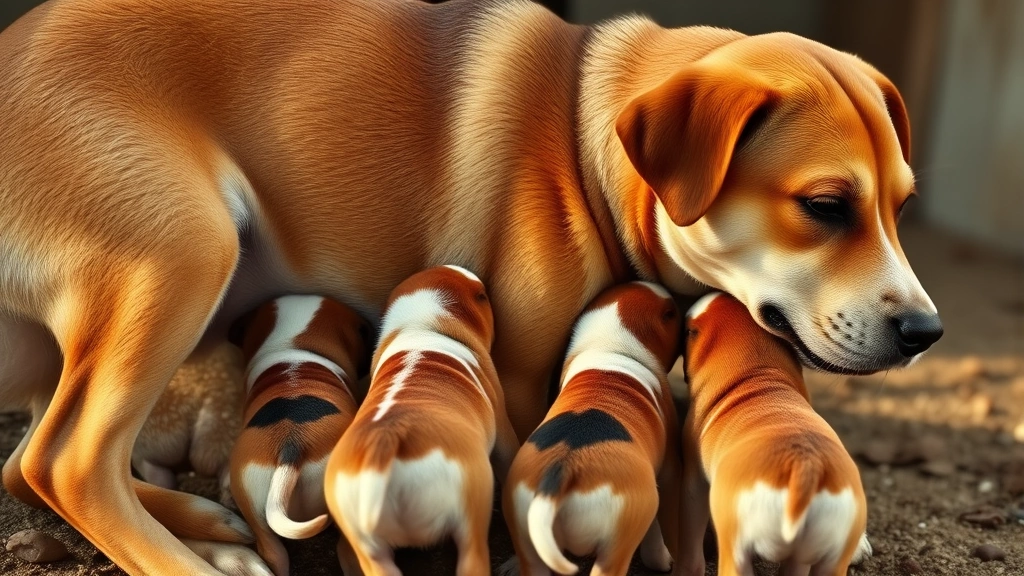
Frequent nursing or manual expression helps empty the glands and prevent milk stasis. If puppies won’t nurse, you may need to express milk manually—your vet can show you the proper technique.
Pain management is essential. Your dog shouldn’t have to suffer through recovery. Discuss pain relief options with your veterinarian.
In severe cases with abscess formation, your vet might recommend veterinary intervention or even temporary separation of puppies from mother to allow healing.
Nutrition During Recovery: Supporting Your Dog’s Healing
What your dog eats directly impacts her ability to fight infection and produce quality milk. During mastitis treatment:
Increase protein intake to support immune function and tissue repair. High-quality protein sources are essential.
Ensure adequate calories – nursing dogs need 25-50% more calories than non-nursing females. Don’t skimp on portions.
Provide fresh water constantly – hydration is critical for milk production and fighting infection.
Consider supplements like omega-3 fatty acids, which have anti-inflammatory properties. Always check with your vet before adding supplements.
If your dog’s appetite is suppressed due to illness, bland diet recipes for sick pets might help get nutrition into her while her system recovers. You might also explore skin and coat health foods rich in essential nutrients once she’s on the mend.
Prevention: Stop Mastitis Before It Starts
Prevention is infinitely easier than treatment. Here’s how to protect your nursing dog:
Maintain impeccable hygiene around the nursing area. Change bedding frequently, keep the area clean and dry, and wash your hands before handling puppies or examining the mother.
Monitor nursing carefully to ensure all puppies are nursing equally from all glands. Uneven nursing leads to milk stasis in neglected glands.
Ensure proper nutrition before and during pregnancy. A well-nourished dog has a stronger immune system and better ability to prevent infection.
Provide a clean, comfortable whelping area with good ventilation and appropriate temperature control.
Watch for early signs in nursing mothers and address any concerns immediately. Early intervention prevents progression to severe mastitis.
Limit unnecessary handling of puppies by visitors, especially if hygiene can’t be guaranteed.
When to Seek Emergency Care
Some situations require immediate veterinary attention, not just a regular appointment:
- Your dog has a fever above 104°F (40°C)
- She’s showing signs of sepsis (extreme lethargy, collapse, rapid breathing)
- There’s visible pus or blood discharge
- She refuses to eat or drink for more than a few hours
- The glands are rapidly swelling or becoming increasingly hard
- She’s unable to care for her puppies
These are red flags that warrant emergency evaluation. Don’t wait for a regular appointment slot.
Prognosis and Long-Term Outlook
The prognosis for mastitis in dogs is generally excellent when treated promptly and appropriately. Most dogs recover fully within 1-2 weeks of starting treatment. However, some complications can develop:
Chronic mastitis can occur if the initial infection isn’t fully cleared or if the same gland is repeatedly affected. This may require more aggressive or prolonged treatment.
Gland damage from severe infection might result in permanent loss of function in that gland, though dogs typically have enough healthy tissue to nurse subsequent litters.
Sepsis is rare but serious if infection enters the bloodstream. This requires aggressive treatment and hospitalization.
The key to a positive outcome is early recognition and prompt veterinary care. Don’t let pride or budget concerns delay treatment—the cost of addressing mastitis early is far less than treating complications.
Special Considerations for Breeding Dogs
If your dog is a breeding female, mastitis has additional implications. Discuss with your vet whether she should be bred again, especially if she’s experienced severe or recurrent mastitis. Some dogs recover completely and have no issues in subsequent pregnancies, while others may be predisposed to recurrence.
Keep detailed records of any mastitis episodes, including which glands were affected, severity, and treatment response. This information helps your vet make informed recommendations about future breeding.
Frequently Asked Questions
Can mastitis in dogs spread to humans?
No, canine mastitis cannot be transmitted to humans. The bacteria involved are species-specific and won’t cause infection in people. However, you should still practice good hygiene when handling an affected dog to prevent spreading bacteria to other dogs.
How long does mastitis treatment take?
Most cases respond to treatment within 3-5 days, though antibiotics should be continued for the full prescribed course (typically 7-14 days). Complete resolution of swelling and inflammation may take 2-3 weeks. Don’t stop antibiotics early even if your dog seems better.
Can I still allow puppies to nurse from an affected mother?
In mild cases, nursing can continue and actually helps by removing milk from affected glands. However, if the milk is discolored, contains pus, or if the mother is in severe pain, temporary separation may be necessary. Your vet will advise based on severity.
Is mastitis more common in certain dog breeds?
Mastitis can affect any breed, but larger breeds with larger litters may have slightly higher incidence simply due to the increased demand on their mammary systems. However, breed predisposition isn’t well-established in veterinary literature.
What’s the difference between mastitis and galactostasis?
Galactostasis is milk stasis without infection—milk is trapped but bacteria haven’t invaded yet. Mastitis involves inflammation and often infection. Galactostasis can progress to mastitis if not addressed, making early intervention important.
Should my dog be spayed after mastitis?
Spaying is a personal decision and not required due to mastitis alone. However, if your dog has experienced recurrent mastitis or if you don’t plan future breeding, spaying eliminates the risk of future episodes. Discuss this with your vet.
Conclusion: Protecting Your Dog’s Health
Mastitis in dogs is a serious but highly treatable condition that demands prompt attention. By recognizing the early signs, understanding the causes, and working closely with your veterinarian, you can help your nursing dog recover quickly and completely. Remember that prevention through proper hygiene, nutrition, and careful monitoring is always preferable to treatment.
Your dog depends on you to notice when something’s wrong and to act decisively. If you ever suspect mastitis, don’t hesitate to contact your vet. Early treatment is the difference between a quick recovery and serious complications. Your dog’s comfort and health are worth the effort.





