
Look, I get it—meal prep for pets sounds about as fun as watching paint dry on a cat’s whiskers. But here’s the thing: spending an hour on Sunday prepping your furry friend’s meals can literally save you hundreds of dollars a year while keeping Fluffy healthier than a gym-obsessed squirrel. Let’s dive into how to make this whole pet meal prep thing actually work without losing your mind.
Table of Contents
- Why Meal Prep for Pets Actually Matters (And No, It’s Not Just Hype)
- Tip #1: Invest in Quality Storage Containers (Your Secret Weapon)
- Tip #2: Master Portion Control Before You Start Prepping
- Tip #3: Choose Your Protein Sources Strategically
- Tip #4: Add Vegetables and Healthy Carbs (But Know What’s Safe)
- Tip #5: Establish a Consistent Prep Schedule and Stick to It
- Storage Tips That Actually Keep Food Fresh
- Budget Breakdown: How Much You’ll Actually Save
- Special Considerations for Different Life Stages
- Common Mistakes to Avoid When Starting Out
- Frequently Asked Questions
- The Bottom Line: Your Pet Deserves Better (And So Does Your Wallet)
Why Meal Prep for Pets Actually Matters (And No, It’s Not Just Hype)
Pet owners spend an average of $1,500-$2,000 annually on food alone. That’s a lot of kibble. When you commit to meal prep for pets, you’re not just saving cash—you’re taking control of exactly what goes into your dog’s or cat’s body. Store-bought options often come with fillers, mysterious by-products, and price tags that make your wallet weep. Home-prepped meals? You know every ingredient, every calorie, every nutritional benefit.
Plus, there’s the time factor. Instead of daily scrambling to figure out dinner, you’ve got grab-and-go portions ready to rock. It’s like having a personal chef, except the chef is you and the salary is “not going broke.”
Tip #1: Invest in Quality Storage Containers (Your Secret Weapon)
You can’t do meal prep for pets without proper storage, and I’m not talking about that random Tupperware container with the missing lid. Get yourself some airtight, freezer-safe containers in various sizes. Glass containers work great because they don’t stain, don’t absorb odors, and let you see exactly what’s inside without opening them.
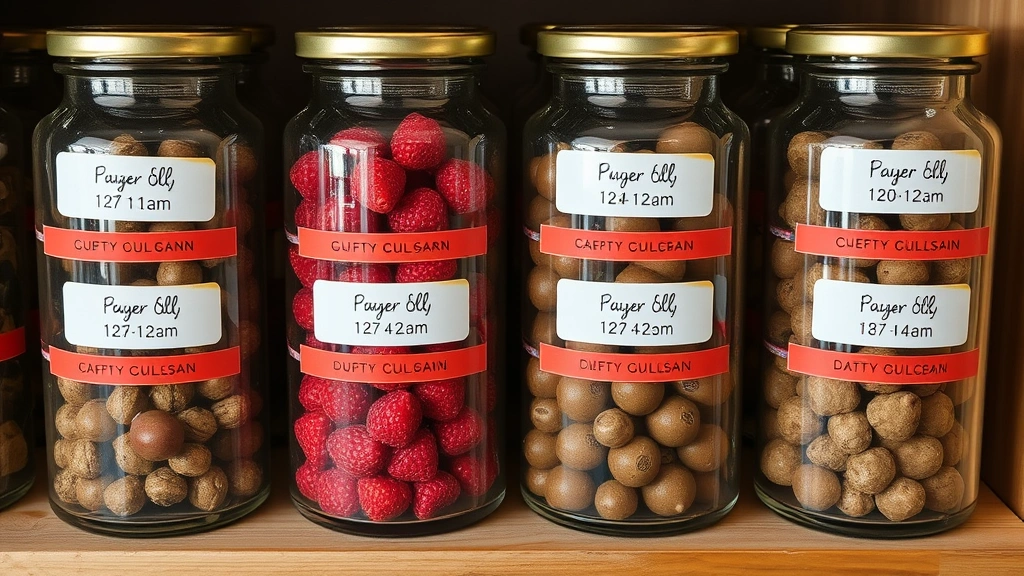
Pro tip: Label everything with a permanent marker. Include the date, the contents, and any special notes (like “high protein” or “post-surgery formula”). Your future self will thank you when you’re not playing freezer roulette at 6 AM wondering if that container is chicken or beef.
Consider getting a vacuum sealer too. Seriously. It extends freshness dramatically and takes up way less freezer space. Your freezer won’t look like a pet food explosion waiting to happen.
Tip #2: Master Portion Control Before You Start Prepping
Here’s where most people mess up: they prep a ton of food without actually knowing how much their pet needs. Before you go full Gordon Ramsay in the kitchen, nail down your pet’s portion control requirements. This depends on age, weight, activity level, and metabolism (yes, your cat can be lazy just like humans).
A general rule: most dogs need about 2-3% of their body weight daily, while cats are pickier and need around 2% of their body weight. But seriously, consult your vet. They’ll give you exact numbers based on your specific pet’s needs. Then you can prep accordingly without wasting food or overfeeding your chunky buddy.
Tip #3: Choose Your Protein Sources Strategically
When prepping meals, protein is your best friend. Chicken, beef, turkey, fish, and eggs are all solid choices. The beauty of meal prep for pets is that you can rotate these proteins to keep things interesting and ensure nutritional variety. Check out rotating protein sources to learn how to safely switch things up without upsetting sensitive stomachs.
Cook proteins thoroughly (no raw feeding debates here—that’s a whole different rabbit hole). Boil, bake, or slow-cook without seasoning. Your pet doesn’t need garlic, onions, salt, or whatever fancy spices make your dinner taste amazing. Plain cooked protein is their five-star meal.
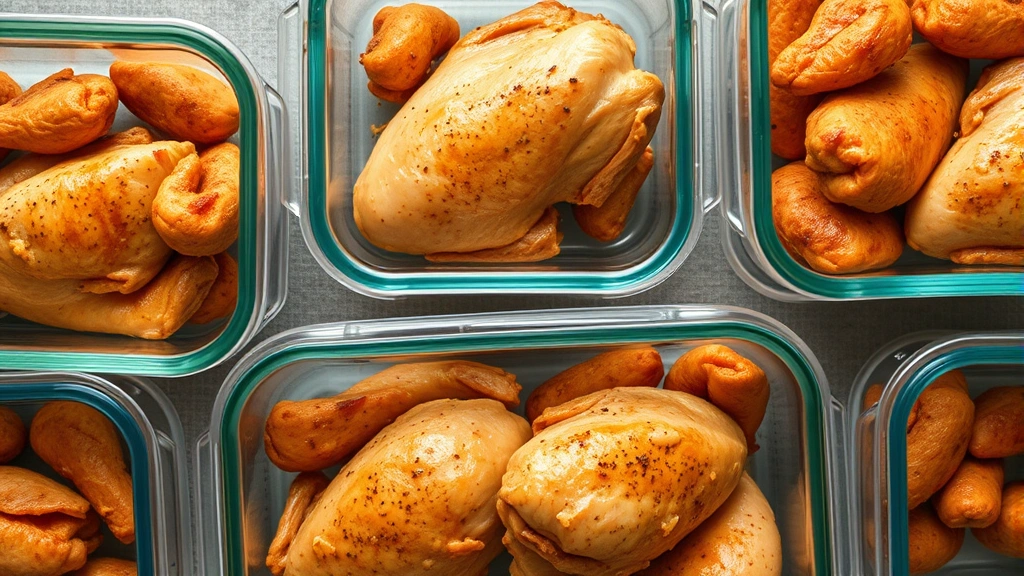
Pro move: cook in bulk. Spend one afternoon cooking several pounds of chicken breast, and you’ve got protein for weeks. Freeze in portions, and you’re golden.
Tip #4: Add Vegetables and Healthy Carbs (But Know What’s Safe)
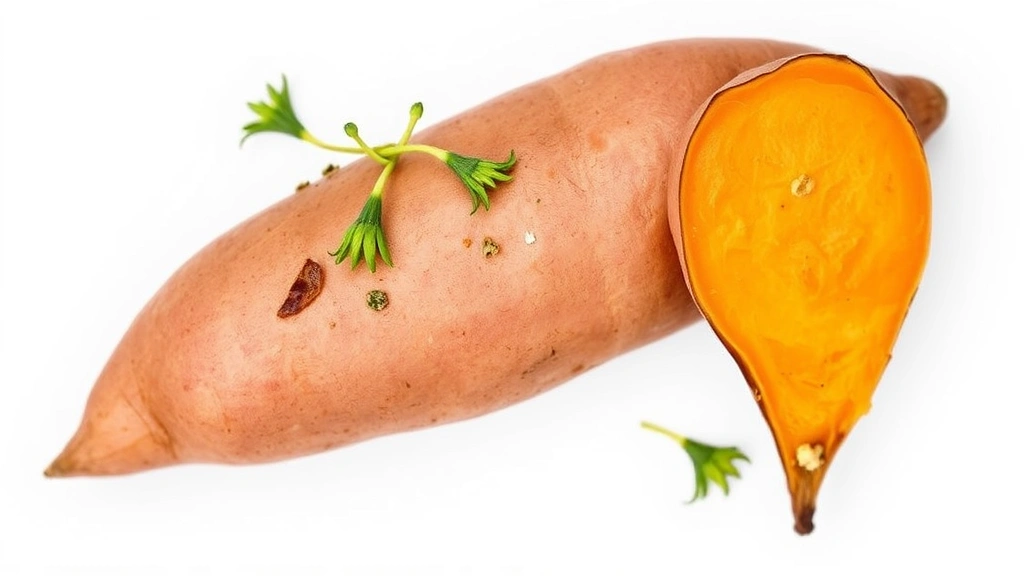
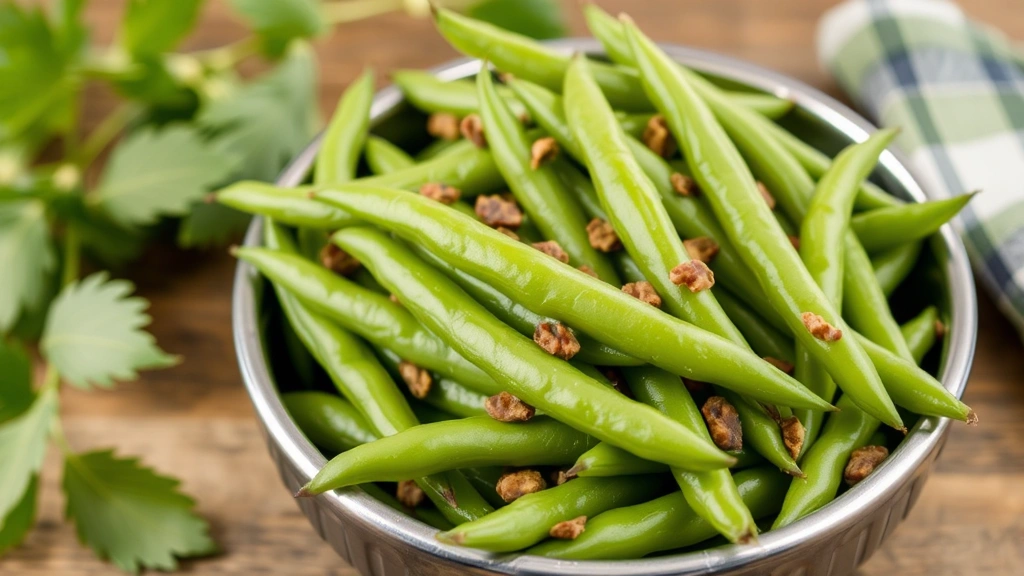
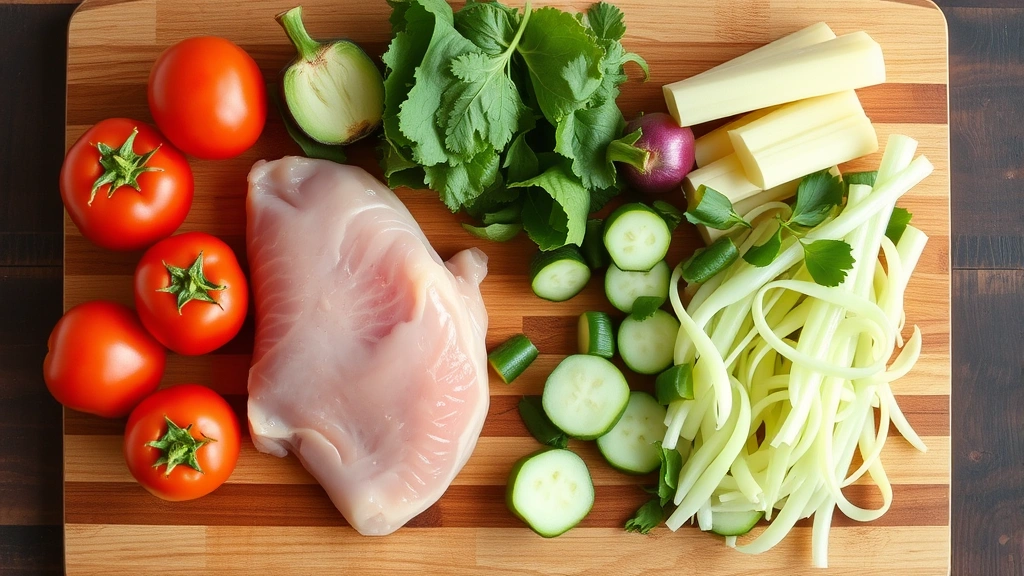
Not all veggies are pet-friendly, so don’t just toss in random produce. Safe options include carrots, sweet potatoes, green beans, peas, and pumpkin. These add fiber, nutrients, and volume to meals without adding excessive calories. According to the Association of American Feed Control Officials (AAFCO), vegetables should make up about 10-15% of your pet’s diet.
Carbs like brown rice, oats, and sweet potatoes provide energy and help with digestion. Cook everything soft so it’s easy to digest. Nobody wants to prep food only to have their pet struggle with it.
Skip the obvious danger foods: grapes, raisins, avocados, chocolate, xylitol, and anything super fatty. Your vet has the full list, but when in doubt, don’t include it.
Tip #5: Establish a Consistent Prep Schedule and Stick to It
The secret to successful meal prep for pets is consistency. Pick one day a week—Sunday works for most people because it’s already meal prep day for humans—and dedicate an hour or two to pet food prep. Make it routine. Set a phone reminder. Blast your favorite music. Make it less of a chore and more of a self-care ritual for your pet.
Establish a free feeding vs scheduled feeding routine that works with your prep schedule. If you’re prepping weekly, scheduled feeding makes more sense than free feeding. You’ll know exactly what your pet ate and when.
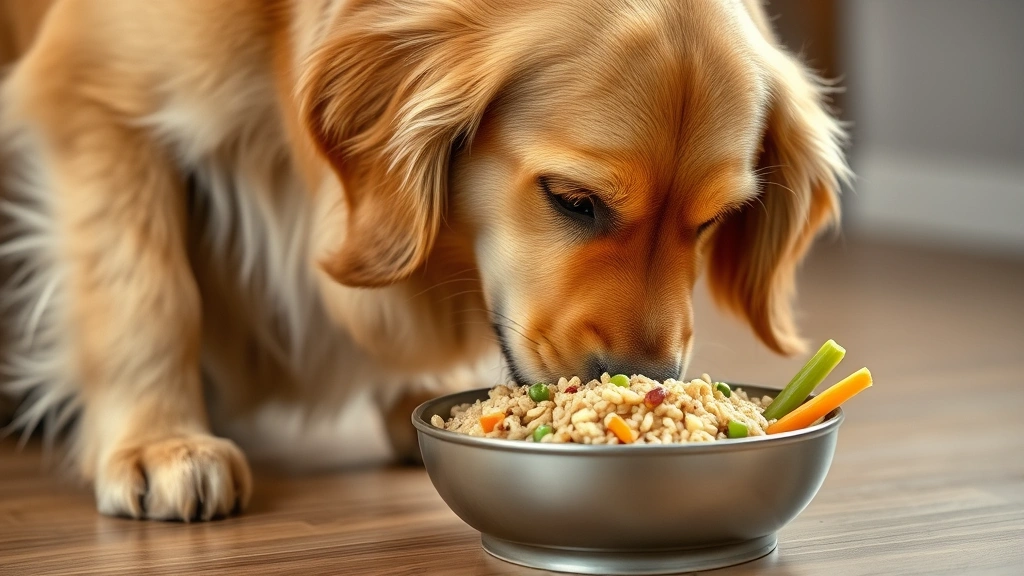
Keep detailed notes about what you prepped, when you prepped it, and how your pet responded. If Fido develops digestive issues, you’ll have a food diary to review instead of just guessing.
Storage Tips That Actually Keep Food Fresh
Freezer storage is your friend, but there are rules. Most properly stored pet meals last 3-4 months in the freezer and about 3-4 days in the fridge. Label everything with dates. Use the oldest meals first (FIFO—first in, first out, like a grocery store).
Thaw meals in the refrigerator overnight, not on the counter. Room temperature thawing is a bacterial playground. If you’re in a rush, you can use the cold water method (submerge the sealed container in cold water for 30 minutes), but never use hot water.

For pet supplement storage, keep them separate from meals and follow their specific storage instructions. Some supplements need to stay cool; others are fine at room temperature.
Budget Breakdown: How Much You’ll Actually Save
Let’s talk numbers because that’s what gets people excited. Premium commercial pet foods run $2-$4 per pound. When you meal prep, you’re looking at $0.75-$1.50 per pound, depending on your protein choices and local prices.
For a 50-pound dog eating 2% of their body weight daily, that’s about 1 pound per day or 30 pounds monthly. Commercial food? $60-$120 monthly. Home-prepped? $22.50-$45 monthly. That’s a savings of $200-$1,140 annually. Suddenly, that Sunday meal prep hour doesn’t seem so bad, right?
Special Considerations for Different Life Stages
Puppies and kittens have different nutritional needs than adults. They need more calories, more protein, and specific calcium-to-phosphorus ratios for proper bone development. If you’re prepping for a kitten feeding schedule, you’ll need to adjust portions and frequency accordingly.
Senior pets often need lower calories but higher quality protein and joint-supporting nutrients. Pets recovering from surgery need special consideration too—check out post-surgery feeding schedule guidelines before prepping meals for a recovering furball.
Always consult your veterinarian about specific nutritional needs based on your pet’s age, health status, and any existing conditions. They might recommend specific supplements or dietary adjustments that should be incorporated into your meal prep routine.
Common Mistakes to Avoid When Starting Out
Don’t prep meals without knowing your pet’s exact caloric needs—this is the #1 mistake. Don’t use seasoned or processed meats. Don’t forget about nutritional balance; a meal of just protein isn’t complete nutrition. Don’t ignore food safety; bacteria doesn’t care that you’re prepping for a pet.
Also, don’t go too crazy your first week. Start with one type of meal, master it, then expand. You’re not trying to become a veterinary nutritionist overnight. You’re just trying to feed your pet better food at a better price.
Frequently Asked Questions
Can I feed my pet raw food as part of meal prep?
Raw diets are controversial in the vet community. Some vets support them; others warn about bacterial contamination risks. If you’re interested in raw feeding, consult your veterinarian first. They can guide you on safe practices and nutritional balance. For most people starting out, cooked meals are safer and easier to manage.
How long can I store prepped pet meals in the freezer?
Properly frozen pet meals last 3-4 months. Use airtight containers and label everything with dates. The fresher the better, so try to use meals within 2-3 months for optimal nutrition and quality.
What if my pet has allergies or sensitivities?
This is where meal prep becomes a superpower. You control every ingredient, so you can eliminate problematic foods completely. Common allergens include chicken, beef, dairy, and wheat. Work with your vet to identify triggers, then prep meals using safe proteins and ingredients.
Do I need to add supplements to homemade pet meals?
Possibly. Commercial pet foods are fortified with vitamins and minerals. Homemade meals might be missing some nutrients, especially calcium and certain vitamins. Your vet can recommend specific supplements based on your pet’s diet. This is why vet consultation is crucial, not optional.
Is meal prepping more expensive than commercial pet food?
Absolutely not. Homemade meal prep typically costs 50-75% less than premium commercial pet foods. You’re buying bulk proteins on sale and cooking in batches. The savings add up fast, especially for larger dogs or multiple pets.
The Bottom Line: Your Pet Deserves Better (And So Does Your Wallet)
Meal prep for pets isn’t complicated, expensive, or time-consuming once you get the system down. It’s honestly one of the best investments you can make in your pet’s health and longevity. You’ll know exactly what they’re eating, you’ll save serious money, and you’ll likely see improvements in their coat, energy levels, and overall health.
Start simple. Pick one protein, one vegetable, one carb. Prep for one week. See how your pet responds. Adjust as needed. Before you know it, you’ll be a meal prep master, and your pet will be thriving on food that’s literally made with love (and way fewer mystery ingredients than commercial kibble).
Your future self—and your pet—will thank you for taking this step. Now go forth and prep like the responsible pet parent you are.





