
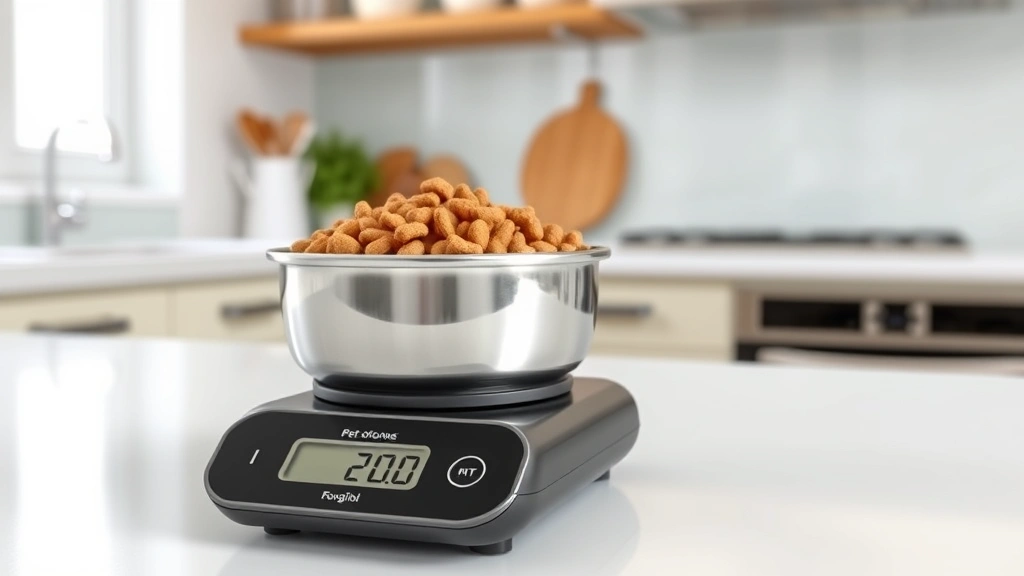
Measuring pet food accurately is one of those unsexy but absolutely crucial tasks that separates the “my dog’s getting chunky” crowd from the “my pet’s thriving” crew. If you’ve been eyeballing your furry friend’s meals or just dumping kibble into their bowl like you’re filling a gas tank, we need to talk. Getting portions right isn’t just about keeping your pet at a healthy weight—it’s about their overall wellness, energy levels, and longevity.
Table of Contents
- Why Measuring Pet Food Actually Matters (More Than You Think)
- Tip #1: Know Your Pet’s Daily Caloric Needs
- Tip #2: Invest in a Proper Kitchen Scale (Not Your Eyeballs)
- Tip #3: Understand Your Pet Food Label’s Feeding Guidelines
- Tip #4: Split Meals Into Multiple Feedings (The Underrated Secret)
- Tip #5: Account for Treats and Supplements in Your Daily Calorie Count
- The Body Condition Score: Your Visual Guide to Right-Sizing
- Common Measuring Pet Food Mistakes to Avoid
- Wet Food vs. Dry Food: Measuring Differences
- Seasonal and Life Stage Adjustments
- Frequently Asked Questions
- The Bottom Line: Measuring Pet Food is an Act of Love
Why Measuring Pet Food Actually Matters (More Than You Think)
Look, I get it. Your dog gives you those puppy eyes, and suddenly you’re tossing in extra handfuls of food because “they look hungry.” But here’s the thing: most pets aren’t actually starving. They’re just professionally adorable manipulators. Overfeeding is one of the leading causes of obesity in pets, which opens the door to diabetes, joint problems, and a shorter lifespan. On the flip side, underfeeding can lead to malnutrition and behavioral issues. The sweet spot? Accurate portion control through proper measuring pet food techniques.
According to the Association of American Feed Control Officials (AAFCO), proper nutrition starts with understanding exactly how much your pet needs. Every pet is unique—age, activity level, metabolism, and health status all play a role.
Tip #1: Know Your Pet’s Daily Caloric Needs
Before you can master measuring pet food portions, you need to understand how many calories your pet actually needs. This isn’t a guessing game. A 10-pound Chihuahua needs vastly different calories than a 70-pound Golden Retriever. Your vet can calculate your pet’s Resting Energy Requirement (RER) and account for their activity level, age, and any health conditions.
Most adult dogs need between 25-30 calories per pound of body weight daily, but that’s just a ballpark figure. Puppies, senior dogs, and those with health issues need different calculations. This is where pet health monitoring becomes essential—tracking your pet’s weight and energy levels helps you dial in the perfect amount.
Tip #2: Invest in a Proper Kitchen Scale (Not Your Eyeballs)
This is non-negotiable. A digital kitchen scale that measures in grams is your new best friend. Those measuring cups that come in pet food bags? They’re notoriously inaccurate because kibble density varies wildly between brands and formulas. One cup of one brand might weigh 100 grams, while another weighs 140 grams. That’s a 40% difference, people!
A good digital scale costs between $15-40 and will last years. Put the bowl on the scale, tare it to zero, and measure your pet’s food by weight, not volume. This is the gold standard for measuring pet food accurately. Bonus: you’ll also know exactly how much food is in each bag, so you can plan your shopping better.
Tip #3: Understand Your Pet Food Label’s Feeding Guidelines
Every bag of pet food has a feeding guide, but most pet parents treat it like a suggestion rather than a starting point. Here’s how to read it properly: find your pet’s current weight, look at the recommended amount, and then adjust based on your pet’s individual metabolism and activity level.
The guidelines are calculated for average pets, but your pet might be more or less active. A couch potato Basset Hound needs less than an athletic Border Collie of the same weight. Start with the recommended amount from the label, monitor your pet’s body condition for 4-6 weeks, and adjust up or down by 10% increments as needed. This is where pet supplement ingredient transparency also matters—quality nutrition supports overall health.
Tip #4: Split Meals Into Multiple Feedings (The Underrated Secret)
Instead of one giant meal, split your pet’s daily food into two or three smaller portions. This approach offers multiple benefits: it keeps their metabolism more consistent, reduces bloating and digestive issues, and helps prevent that “I’m starving” mentality that leads to overeating. Plus, if you’re measuring pet food portions into separate meals, you’re automatically being more intentional about portions.
For dogs, the classic approach is breakfast and dinner. For cats, three smaller meals often works better since they’re natural grazers. Measuring out portions in advance (using your trusty scale) means you’re not tempted to add “just a little extra” throughout the day.
Tip #5: Account for Treats and Supplements in Your Daily Calorie Count
Here’s where most people mess up: they measure their pet’s kibble perfectly, then hand out treats like they’re going out of style. Treats should comprise no more than 10% of your pet’s daily calories. If your dog needs 1,000 calories daily, treats should max out at 100 calories. That’s like one or two training treats, not a fistful.
The same applies to premium pet supplements and pet multivitamins. Most supplements add minimal calories, but some treats are calorie bombs. Keep a running tally of everything your pet eats. Use a simple notebook or a pet app to track daily intake. This prevents the “I don’t know where the weight came from” situation.
The Body Condition Score: Your Visual Guide to Right-Sizing
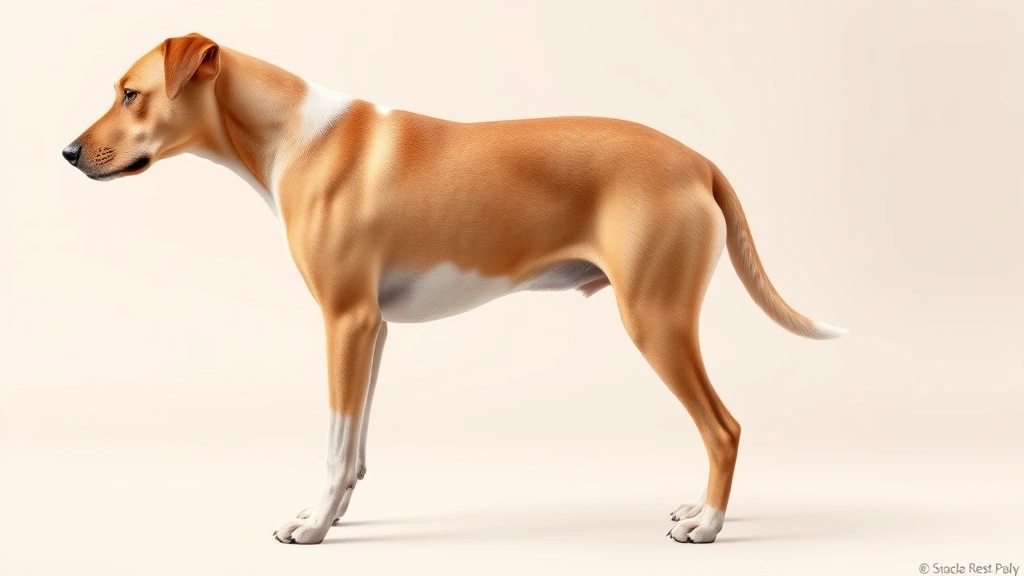
Numbers on a scale are one thing, but visual assessment is equally important. Learn to assess your pet’s body condition score (BCS) on a 1-9 scale. At an ideal BCS (4-5), you should be able to feel your pet’s ribs easily without pressing hard, see a visible waist when viewed from above, and notice an abdominal tuck when viewed from the side.
If you can’t feel the ribs or see the waist, your pet is overweight. If the ribs are prominently visible and there’s no fat covering, they’re underweight. Check your pet’s BCS every 4-6 weeks and adjust portions accordingly. This is a practical way to ensure your measuring pet food efforts are actually working.
Common Measuring Pet Food Mistakes to Avoid
Don’t pack kibble into the measuring cup—this compresses it and you’re serving way more than intended. Don’t assume all measuring cups are the same—they’re not. Don’t skip the vet conversation about calories and portions. Don’t count table scraps as “just a little”—they add up fast. And for the love of your pet’s health, don’t free-feed (leaving food out all day) unless your vet specifically recommends it for your pet’s health condition.
If your pet has sensitive stomach supplements or special dietary needs, measuring becomes even more critical since portion consistency affects how well their digestive system handles the food.
Wet Food vs. Dry Food: Measuring Differences
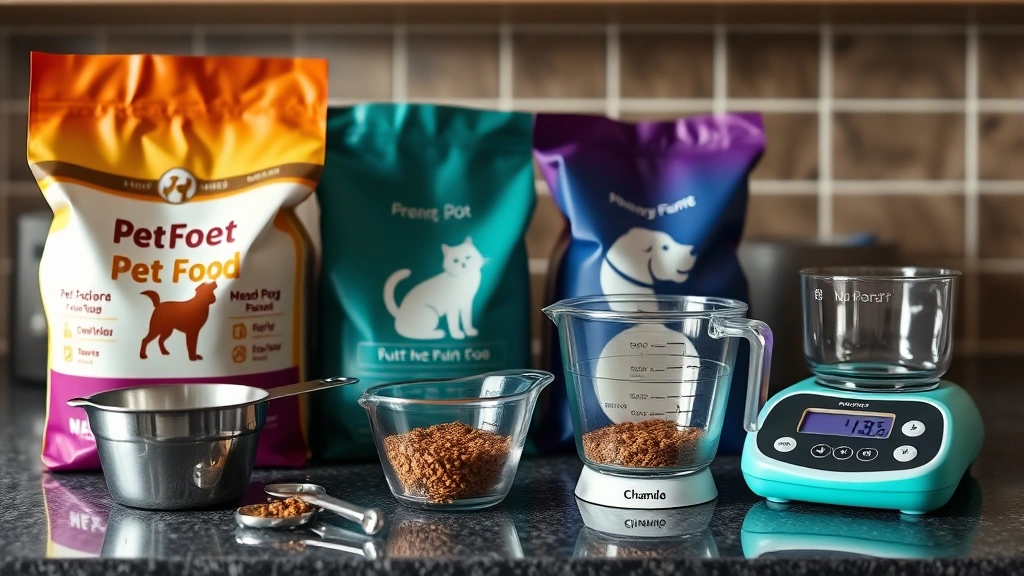
Wet food is trickier to measure because it contains more moisture. A cup of wet food weighs significantly less than a cup of kibble. Always measure wet food by weight if possible, or use the can’s serving guidelines. Mix wet and dry food? Measure each component separately and add the calories together. Don’t just eyeball it and hope for the best.
Seasonal and Life Stage Adjustments
Your pet’s caloric needs change with seasons, life stages, and activity levels. A puppy needs roughly twice the calories of an adult dog. Senior pets often need fewer calories but more nutrient density. Winter might mean less outdoor activity (fewer calories needed), while summer could mean more exercise (more calories needed). Reassess portions quarterly and adjust as your pet ages or their lifestyle changes.
Frequently Asked Questions
How often should I recalculate my pet’s food portions?
Reassess every 4-6 weeks initially, then quarterly once you’ve dialed in the right amount. If your pet’s weight or activity level changes significantly, recalculate immediately. Puppies need reassessment monthly as they grow.
Can I use a regular measuring cup from my kitchen?
Technically yes, but it’s not ideal. Kitchen measuring cups for cooking are designed for dry ingredients like flour, which compress differently than pet kibble. A digital scale is far more accurate and worth the investment.
What if my pet seems hungry after their measured portion?
Hunger and boredom often look the same. Increase exercise, provide puzzle toys, or add low-calorie vegetables like green beans to their bowl to increase volume without calories. If they’re genuinely losing weight, consult your vet—there could be an underlying health issue.
Should I measure differently for different pet food brands?
Absolutely. Different brands have different kibble densities and caloric concentrations. Always follow the specific brand’s feeding guidelines and measure by weight, not volume, to account for these differences.
How do I measure food for a multi-pet household?
Measure each pet’s portion separately and feed them in different locations or at different times if they’re different sizes or have different dietary needs. This prevents food stealing and ensures each pet gets the right amount.
The Bottom Line: Measuring Pet Food is an Act of Love
Getting measuring pet food right might seem tedious, but it’s genuinely one of the best investments you can make in your pet’s health. A few minutes with a scale and a notebook today could add years to your pet’s life and save you thousands in vet bills down the road. Your pet depends on you to make informed decisions about their nutrition, and that starts with accurate portions. So grab that scale, ditch the eyeballing, and give your furry friend the gift of proper nutrition. They’ll thank you with a longer, healthier, happier life—and probably fewer vet visits, which means more money for treats (the measured kind).





