

Meloxidyl for dogs is a nonsteroidal anti-inflammatory drug (NSAID) that’s become a go-to solution for veterinarians treating canine pain and inflammation. If your pup is limping around like they’ve got a peg leg or groaning every time they stand up, this medication might be exactly what they need to get back to their tail-wagging selves.
Table of Contents
- What Exactly Is Meloxidyl?
- How Meloxidyl Works in Your Dog’s Body
- Common Conditions Treated With Meloxidyl for Dogs
- Dosing: Getting the Right Amount for Your Pup
- Potential Side Effects: The Not-So-Fun Stuff
- Drug Interactions and Contraindications
- Monitoring Your Dog on Meloxidyl
- Meloxidyl vs. Other Canine Pain Medications
- Cost and Availability
- Nutritional Support While on Meloxidyl
- When to Contact Your Veterinarian
- Frequently Asked Questions
What Exactly Is Meloxidyl?
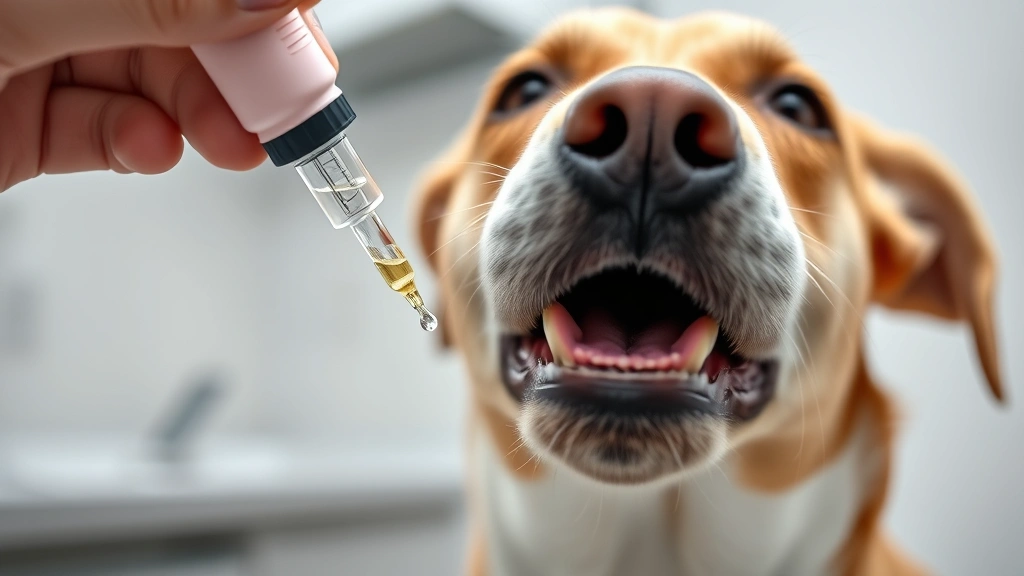
Meloxidyl is the brand name for meloxicam, an NSAID that works by reducing inflammation and pain in dogs. Think of it as your dog’s personal pain-relief superhero, swooping in to save the day when arthritis, post-surgical discomfort, or other inflammatory conditions strike. The medication comes in several forms: tablets, liquid suspension, and injections, giving you flexibility in how you administer it to your furry friend.
The active ingredient, meloxicam, is the same stuff used in human pain relievers (like Mobisgesic), but the veterinary formulation is specifically dosed and formulated for our four-legged companions. It’s been around for years and has a solid track record in veterinary medicine.
How Meloxidyl Works in Your Dog’s Body
This NSAID operates by inhibiting cyclooxygenase (COX) enzymes, which are responsible for producing prostaglandins—the chemicals that cause inflammation and pain. By blocking these enzymes, meloxidyl reduces swelling, decreases pain signals, and helps your dog move more comfortably. It’s particularly effective for chronic conditions like osteoarthritis, where inflammation is the main culprit behind your dog’s discomfort.
The medication typically starts working within a few hours, though you might not see the full benefits for a few days as it builds up in your dog’s system. Some dogs bounce back to normal activity almost immediately, while others show gradual improvement over a week or two.
Common Conditions Treated With Meloxidyl for Dogs
Your vet might prescribe meloxidyl for several reasons. Osteoarthritis in senior dogs is the most common use—that creaky joint disease that makes your aging pup move like they’re wading through peanut butter. Post-operative pain after surgery is another frequent indication, helping dogs recover comfortably after orthopedic or soft tissue procedures.
Other conditions include hip dysplasia, elbow dysplasia, general inflammation from injuries, and even some dental procedures. Essentially, any situation where your dog is experiencing pain or inflammation might warrant meloxidyl therapy. Your veterinarian will determine if it’s appropriate for your specific dog’s situation.
Dosing: Getting the Right Amount for Your Pup
Meloxidyl dosing is typically based on your dog’s weight, usually starting at 0.1 mg per pound given once daily. Your vet might adjust this based on your dog’s response and any underlying health conditions. The liquid suspension is often easier for owners to administer accurately, especially for smaller dogs, since you can measure out precise amounts.
Never, and we mean never, adjust the dose yourself without consulting your veterinarian. More isn’t better, and underdosing won’t provide adequate relief. Your vet has calculated the perfect amount for your specific dog’s needs.
Potential Side Effects: The Not-So-Fun Stuff
Like all medications, meloxidyl comes with potential side effects. The most common ones include gastrointestinal issues—vomiting, diarrhea, or decreased appetite. Some dogs develop an upset stomach or seem less enthusiastic about meals. This is why giving meloxidyl with food is often recommended, though some vets suggest administering it on an empty stomach for better absorption.
More serious side effects, though rare, include kidney or liver problems, especially with long-term use. This is why your vet will likely recommend baseline bloodwork before starting meloxidyl and periodic check-ups during treatment. If your dog shows signs of lethargy, excessive thirst, increased urination, or vomiting, contact your veterinarian immediately.
Drug Interactions and Contraindications
Meloxidyl doesn’t play well with all other medications. Never combine it with other NSAIDs or corticosteroids without explicit veterinary approval, as this dramatically increases the risk of gastrointestinal ulcers and other serious complications. If your dog is on multiple medications, make sure your vet knows about all of them.
Dogs with severe kidney disease, liver disease, or gastrointestinal ulcers shouldn’t take meloxidyl. Pregnant or nursing dogs should also avoid this medication. If your dog has a history of adverse reactions to NSAIDs, definitely inform your veterinarian before starting meloxidyl.
Monitoring Your Dog on Meloxidyl
Once your dog starts meloxidyl, you’re not just sitting back and hoping for the best. Pay attention to how your pup responds. Are they moving better? Playing more? Eating normally? These are all good signs. Keep an eye out for any negative changes in appetite, energy level, or bathroom habits.
Your vet will likely schedule follow-up appointments to assess how well the medication is working. Some dogs respond beautifully within days, while others need dose adjustments or additional therapies. It’s a collaborative process between you, your dog, and your veterinarian.
Meloxidyl vs. Other Canine Pain Medications
How does meloxidyl stack up against other options? If you’re considering alternatives like Carprovet for Dogs, both are NSAIDs but have slightly different chemical structures and may work better for different dogs. Some pups respond great to meloxidyl while others do better with carprofen or other NSAIDs. Your vet will help determine which is best for your specific situation.
There are also non-NSAID options like gabapentin or joint supplements, which might be used alongside or instead of meloxidyl depending on your dog’s needs and health status. The choice depends on your dog’s individual circumstances, age, and underlying health conditions.
Cost and Availability
Meloxidyl is generally affordable compared to some other veterinary medications, though prices vary by location and pharmacy. The liquid suspension might cost slightly more than tablets but offers easier dosing accuracy. Many pet insurance plans cover at least a portion of the cost, so check your policy.
You’ll need a prescription from your veterinarian to obtain meloxidyl. It’s available through most veterinary clinics and online pet pharmacies (with a valid prescription). Always fill prescriptions through reputable sources to ensure you’re getting genuine medication.
Nutritional Support While on Meloxidyl
Supporting your dog’s overall health while they’re on meloxidyl is crucial. A high-quality diet is essential, and some dogs might benefit from appetizing foods for pets on medication if the NSAID affects their appetite. Omega-3 fatty acids from fish oil have natural anti-inflammatory properties and can complement meloxidyl therapy beautifully.
If your dog experiences digestive upset, bland diet recipes for sick pets might help settle their stomach while they adjust to the medication. Probiotics can also support digestive health during NSAID therapy.

When to Contact Your Veterinarian
Certain situations warrant immediate veterinary attention. If your dog shows signs of severe vomiting, bloody stools, difficulty breathing, or extreme lethargy, don’t wait for a scheduled appointment. Contact your vet or emergency clinic right away. For less urgent concerns like mild appetite changes, a quick call to your vet can clarify whether it’s a normal adjustment or something requiring dosage modification.
If you’re ever unsure whether a symptom is related to meloxidyl, it’s better to ask your vet than to guess. They’d rather hear from you with a false alarm than miss something important.
Frequently Asked Questions
How long can my dog safely take meloxidyl?
Many dogs take meloxidyl long-term, sometimes for years, as long as they’re monitored regularly with bloodwork and veterinary check-ups. The duration depends on your dog’s response, underlying conditions, and overall health. Some dogs need it indefinitely for chronic conditions like arthritis, while others might only need it short-term after surgery.
Can I give meloxidyl without food?
While meloxidyl can be given with or without food, administering it with a meal may reduce the risk of gastrointestinal upset. However, some veterinarians recommend giving it on an empty stomach for optimal absorption. Follow your specific vet’s instructions, as they know your dog’s individual needs best.
What should I do if I miss a dose?
If you miss a dose, give it as soon as you remember, unless it’s almost time for the next dose. Never double up on doses to make up for a missed one. If you frequently forget doses, consider setting phone reminders or using a pill organizer to keep track.
Is meloxidyl safe for all dog breeds?
Meloxidyl is generally safe for most dog breeds, but certain conditions might make it unsuitable. Senior dogs, dogs with kidney or liver disease, and breeds predisposed to gastrointestinal issues require careful consideration. Always discuss your dog’s breed-specific health concerns with your veterinarian before starting meloxidyl.
Can meloxidyl be used with other supplements?
Many supplements like glucosamine, chondroitin, and fish oil work well alongside meloxidyl. However, avoid combining meloxidyl with other NSAIDs or corticosteroids without veterinary approval. Always inform your vet about any supplements your dog is taking.
How quickly will I see results?
Some dogs show improvement within hours, while others take several days to a week. The liquid suspension might work slightly faster than tablets due to absorption differences. If you don’t see improvement after two weeks, contact your vet about dosage adjustments or alternative treatments.





