

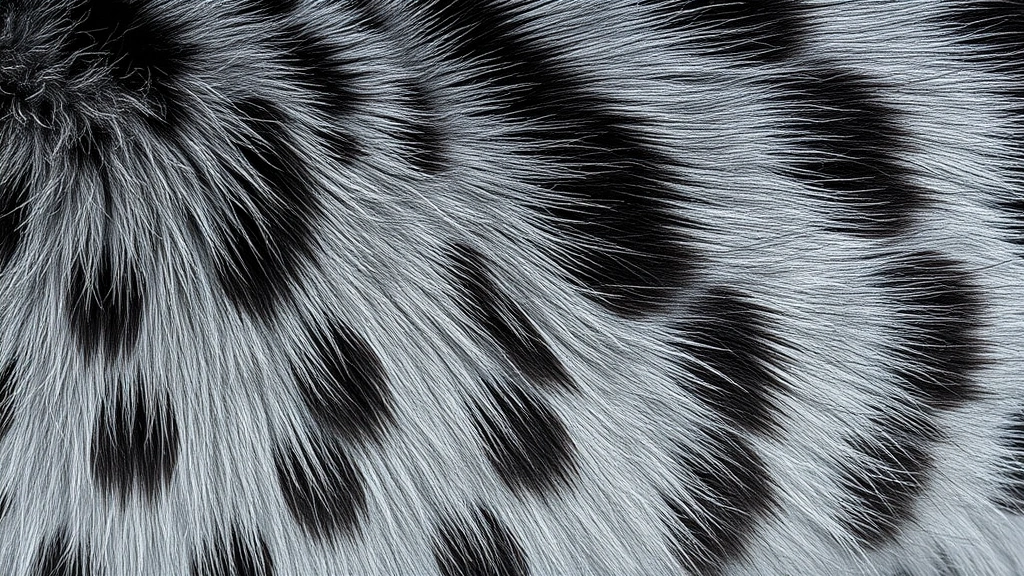
A merle dog is one of nature’s most stunning canine creations, sporting a mottled coat pattern that looks like someone splashed paint across their fur with artistic precision. If you’ve ever seen a dog with that distinctive speckled, marbled, or dappled coat—especially in shades of gray, black, and white—you’ve probably spotted a merle. But here’s the thing: being a merle dog isn’t just about looking like a walking work of art. There are some serious health considerations, genetic quirks, and care requirements that every potential merle dog owner should know about before bringing one home.
Table of Contents
- What Exactly Is a Merle Dog? Understanding the Pattern
- The Double Merle Problem: When Two Merles Make Trouble
- Merle Dog Health Concerns Beyond Double Merle
- Identifying Merle Variations: Blue Merle, Red Merle, and More
- Caring for Your Merle Dog: Coat and Skin Management
- Training and Socialization for Merle Dogs with Sensory Challenges
- Nutrition and Diet for Merle Dogs
- Choosing a Merle Dog: Finding Responsible Breeders
- Merle Dogs in Shelters and Rescues
- Breed-Specific Merle Dogs and Their Characteristics
- Legal and Ethical Considerations Around Merle Dogs
- Living with a Merle Dog: Day-to-Day Reality
- Frequently Asked Questions
- Conclusion: Making an Informed Decision About Merle Dogs
What Exactly Is a Merle Dog? Understanding the Pattern
The merle pattern in dogs is a genetic trait that affects pigmentation in the coat, eyes, and sometimes skin. Think of it as nature’s way of creating a mottled, speckled appearance. The merle gene causes random patches of color to be diluted, resulting in that characteristic marbled look. You’ll typically see merle dogs with a base color (usually black or red) mixed with gray, white, or tan patches. It’s legitimately gorgeous, which is why so many dog breeds have embraced the merle aesthetic over generations.
The most common merle dog breeds include Australian Shepherds, Collies, Dachshunds, and Shetland Sheepdogs, though you’ll find merle patterns in dozens of breeds. Some breeders have even worked to introduce merle into breeds that traditionally didn’t have it, though that’s become increasingly controversial in veterinary circles.
The Double Merle Problem: When Two Merles Make Trouble
Here’s where things get complicated—and honestly, a bit tragic. When two merle dogs breed together, you risk producing what’s called a “double merle” or “homozygous merle” offspring. Double merles are often born with severe health issues, including blindness, deafness, or both. These dogs can also have underdeveloped eyes, skin problems, and other congenital issues that make their quality of life seriously compromised.
This is why responsible breeders have a golden rule: never breed two merle dogs together. Ever. Period. Unfortunately, some backyard breeders and puppy mills ignore this basic genetic principle, which has led to countless dogs suffering unnecessarily. If you’re considering a merle dog, make absolutely sure you’re working with a reputable breeder who understands these genetic risks.
Merle Dog Health Concerns Beyond Double Merle
Even single merle dogs (one merle parent, one non-merle parent) can experience health issues related to their coat color genetics. Some merle dogs are born with partial or complete blindness or deafness, even without being double merles. The merle gene can affect the development of the inner ear and the retina, leading to sensory impairments.
Research from veterinary genetics experts has shown that merle dogs have a higher incidence of hearing loss and vision problems compared to their non-merle counterparts. Studies suggest that up to 30% of merle dogs may experience some degree of hearing loss, and vision problems aren’t uncommon either. This is particularly true for dogs with predominantly white coats combined with the merle pattern.

Other health considerations for merle dogs include increased sensitivity to sunburn (due to lighter pigmentation), skin allergies, and eye conditions like collie eye anomaly. It’s not that every merle dog will experience these issues, but the risk is statistically higher, and that’s something you need to accept before committing to one.
Identifying Merle Variations: Blue Merle, Red Merle, and More
Not all merle patterns look the same, and understanding the variations can help you appreciate just how diverse this coat pattern really is. Blue merle is probably the most famous variation—it features a mottled pattern of blue-gray and black, often with white and tan markings. It’s stunning and immediately recognizable in breeds like Australian Shepherds and Collies.
Red merle (sometimes called chocolate merle) features a similar mottled pattern but with red or liver tones instead of black. This variation is less common but equally striking. Then there’s cryptic merle, which is merle so subtle that it’s barely visible—these dogs might just look solid-colored at first glance until you examine them closely.

Brindle merle is another variation where the merle pattern overlays a brindle coat, creating a complex, multi-layered appearance. Each variation has its own genetic implications and potential health risks, though the fundamental concerns remain the same.
Caring for Your Merle Dog: Coat and Skin Management
Merle dogs require specific grooming and care routines to keep their distinctive coats healthy and beautiful. Regular brushing is essential—aim for at least 2-3 times per week, more during shedding season. The merle pattern doesn’t change how you brush, but it does highlight how important it is to maintain coat health, since the lighter patches can show dirt and matting more easily.
Because merle dogs often have lighter pigmentation, they’re more susceptible to sunburn, especially on areas with less pigment. If your merle dog spends significant time outdoors, consider using dog-safe sunscreen on exposed pink skin areas, or provide shaded rest areas. This is particularly important for dogs with predominantly white coats or those with pink noses and ear leather.

Bathing should happen every 4-8 weeks with a high-quality dog shampoo. Merle dogs don’t have special shampoo requirements, but using a moisturizing formula can help prevent dry skin, which some merle dogs are prone to. Check their ears regularly—merle dogs with floppy ears are at higher risk for ear infections, so weekly ear checks are a good idea.
Training and Socialization for Merle Dogs with Sensory Challenges
If your merle dog has hearing loss or vision impairment, training requires some adjustments but is absolutely still possible. Many deaf dogs learn hand signals incredibly well, and blind dogs develop amazing spatial awareness and rely heavily on their other senses. In fact, many owners of sensory-impaired merle dogs report that their dogs are just as happy, engaged, and trainable as any other dog—they just need slightly different communication methods.
For deaf merle dogs, vibration signals work great—a gentle tap on the shoulder followed by a hand signal creates a consistent communication pattern. For vision-impaired merle dogs, consistent verbal cues and a stable home environment help them navigate confidently. Early socialization is crucial for any merle dog, but especially those with sensory challenges, so they learn to trust their handlers and feel secure in different environments.

Check out our guide on Cavachon Dog training for additional insights on working with dogs that have unique needs.
Nutrition and Diet for Merle Dogs
Merle dogs don’t have breed-specific dietary requirements beyond what’s appropriate for their size and activity level. However, because some merle dogs are prone to skin allergies and sensory issues, a high-quality diet with omega-3 and omega-6 fatty acids can support skin and coat health. Look for dog foods that list real meat as the primary ingredient and avoid excessive fillers.
If your merle dog has allergies (which are more common in this population), you might need to experiment with limited-ingredient diets or elimination diets to identify triggers. Work with your vet to determine the best nutritional approach for your individual dog. And yes, if you’re wondering: can dogs eat chicken—most merle dogs do just fine with chicken as part of a balanced diet, though some may have poultry sensitivities.

Choosing a Merle Dog: Finding Responsible Breeders
If you’re determined to bring a merle dog into your life, finding a responsible breeder is absolutely critical. A reputable breeder will:
- Never breed two merle dogs together
- Have genetic testing results available for both parents
- Provide health guarantees and be transparent about potential genetic issues
- Conduct hearing and vision tests on puppies before placement
- Be willing to take the dog back if problems arise
- Provide references from previous puppy buyers
Ask breeders about their experience with merle genetics and what precautions they take. If they seem dismissive about health concerns or don’t know about the double merle problem, walk away immediately. The right breeder will be enthusiastic about discussing these topics because they care deeply about the breed’s welfare.
Merle Dogs in Shelters and Rescues
Many wonderful merle dogs end up in shelters and rescue organizations, often through no fault of their own. Adopting a rescue merle dog is a fantastic option that bypasses the breeder concerns entirely. Rescue organizations can often provide medical history and behavioral information that helps you understand any specific needs your dog might have.

When adopting a merle dog from a shelter, request a hearing and vision assessment if one hasn’t been done. Many rescues work with veterinarians to evaluate dogs comprehensively before adoption, but it’s worth asking. A merle dog from a rescue might have sensory challenges, but with proper care and love, they’ll thrive just as well as any other dog.
Breed-Specific Merle Dogs and Their Characteristics
Different breeds express the merle pattern differently, and each breed has its own personality and care requirements. Australian Shepherds are probably the most famous merle dog breed—active, intelligent, and demanding of mental stimulation. Shetland Sheepdogs are smaller but equally energetic and smart. Collies (both Rough and Smooth varieties) are known for their gentle, family-friendly temperament.
Dachshunds can be merle, and the pattern looks particularly striking on their long bodies. Corgis, Great Danes, and even Chihuahuas can carry the merle gene, though it’s less common in some breeds. Each breed brings its own energy level, training requirements, and health predispositions, so understanding your specific breed is crucial.

If you’re interested in exploring other unique dog breeds, check out our article on Carolina Dog Breed for another fascinating breed with its own unique characteristics.
Legal and Ethical Considerations Around Merle Dogs
Some kennel clubs and breed standards have become stricter about merle dogs, particularly regarding double merles and excessive white coloring. The American Kennel Club (AKC) has specific breed standards that address merle patterns and their acceptability in show rings. Understanding these standards matters if you’re planning to show your dog.
Ethically, the merle dog community has become increasingly aware of genetic responsibility. Many breed clubs now actively discourage breeding practices that prioritize merle coloring over health. The shift toward valuing health over aesthetics is a positive development that’s improving outcomes for future generations of merle dogs.

Living with a Merle Dog: Day-to-Day Reality
Owning a merle dog is genuinely rewarding. These dogs are often incredibly loyal, intelligent, and visually stunning. Yes, there are health considerations and care requirements, but thousands of merle dogs live happy, healthy lives with owners who understand their needs.
The daily reality includes regular grooming, protection from excessive sun exposure, potential veterinary bills related to breed-specific health issues, and possibly accommodations if your dog has sensory challenges. But it also includes the joy of living with a dog that turns heads wherever you go, a dog that’s often highly trainable and eager to please.
For more insights into caring for unique dog breeds, explore our comprehensive guide on Chinese Dog Breeds to understand how different breeds require different approaches.
Frequently Asked Questions
Can you breed two merle dogs together?
Absolutely not. Breeding two merle dogs together creates a significant risk of producing double merle puppies with serious health issues including blindness, deafness, and other congenital problems. Responsible breeders never breed two merles together, and this practice is considered unethical by major breed organizations and veterinary professionals.
Are all merle dogs deaf or blind?
No, not all merle dogs are deaf or blind. Many merle dogs have completely normal hearing and vision. However, the merle gene does increase the statistical risk of sensory impairments compared to non-merle dogs. Some merle dogs may have partial hearing loss or vision issues, while others are completely unaffected. Genetic testing and veterinary evaluation can help determine your individual dog’s sensory capabilities.
What breeds can be merle?
Many breeds can carry the merle gene, including Australian Shepherds, Collies, Shetland Sheepdogs, Dachshunds, Corgis, Great Danes, Chihuahuas, and numerous others. Some breeds have merle as a traditional part of their breed standard, while others have merle introduced more recently. Always check your breed’s official standards if you’re interested in showing your dog.
How much does a merle dog cost?
Merle dog prices vary widely depending on breed, breeder reputation, and location. From a responsible breeder, you might pay $800-$3,000+ for a merle puppy. Shelter or rescue merle dogs typically cost $50-$300 in adoption fees. Remember that price doesn’t guarantee health—a cheap merle puppy from a backyard breeder might cost you thousands in veterinary bills down the road.
Do merle dogs require special care?
Merle dogs don’t require dramatically different care than other dogs, but they do need some specific considerations. Sun protection for lighter skin areas, regular hearing and vision checks, careful breeding practices to avoid double merles, and attention to skin health are all important. Beyond these merle-specific considerations, care depends on the individual breed.
Conclusion: Making an Informed Decision About Merle Dogs
A merle dog can be an absolutely wonderful companion, but it’s not a decision to make based solely on their striking appearance. Understanding the genetic implications, potential health challenges, and care requirements is essential before bringing one home. Whether you’re working with a reputable breeder or adopting from a rescue, commit to understanding your specific dog’s needs and being prepared to provide the best possible care.
The merle pattern is genuinely beautiful, and merle dogs deserve homes with owners who appreciate not just their looks, but their whole selves—including any challenges that come with their genetics. With the right preparation, knowledge, and commitment, a merle dog can be a loyal, joyful, and deeply loved member of your family for years to come.





