
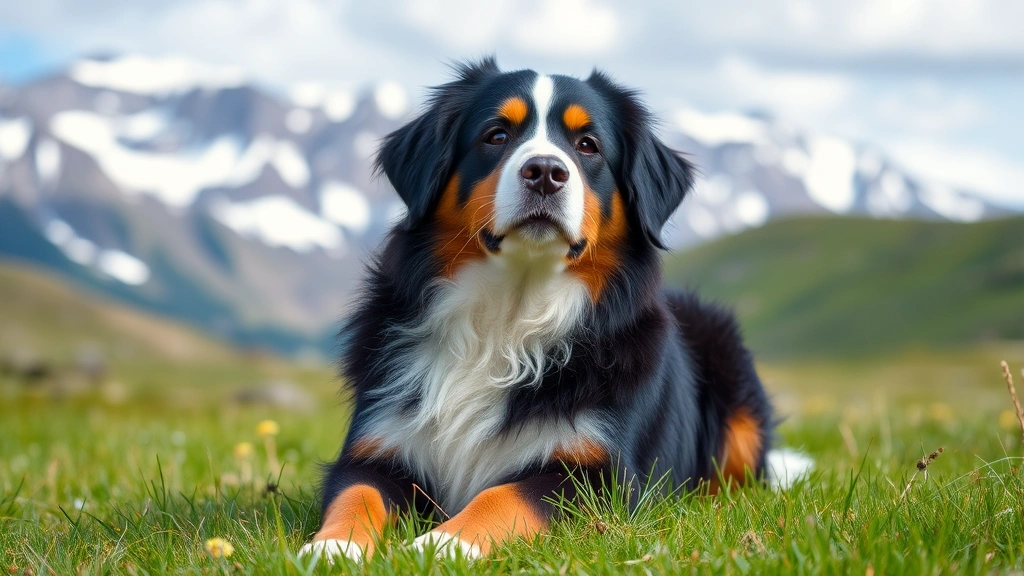
If you’re thinking about bringing a mini Bernese mountain dog into your home, you’re in for a treat—literally and figuratively. These pint-sized pups pack all the charm, loyalty, and goofy personality of their full-sized cousins into a more apartment-friendly package. But don’t let their smaller stature fool you; these little fluffballs come with big responsibilities and even bigger love to give.
Table of Contents
- What Exactly Is a Mini Bernese Mountain Dog?
- The Origin Story Behind Miniature Bernese Breeds
- Size, Weight, and Physical Characteristics
- Temperament and Personality Traits
- Training Your Mini Bernese Mountain Dog
- Exercise Needs and Activity Levels
- Health Considerations and Common Issues
- Grooming and Coat Maintenance
- Nutrition and Diet Requirements
- Cost of Ownership and Initial Investment
- Finding a Reputable Breeder
- Why Mini Bernese Mountain Dogs Make Great Family Pets
- Frequently Asked Questions
- Conclusion: Is a Mini Bernese Mountain Dog Right for You?
What Exactly Is a Mini Bernese Mountain Dog?
A mini Bernese mountain dog isn’t an official breed recognized by major kennel clubs—it’s a designer dog created by crossing a purebred Bernese Mountain Dog with a smaller breed, usually a Cavalier King Charles Spaniel or Cocker Spaniel. The result? A dog that weighs between 20-50 pounds instead of the standard 70-115 pounds of a full-sized Berner. Think of it as getting the best of both worlds: the distinctive tri-color coat and gentle temperament of a Bernese without needing a second mortgage for food.

The Origin Story Behind Miniature Bernese Breeds
Breeders developed the mini version to make this beloved Swiss mountain dog accessible to people living in smaller spaces. The original Bernese Mountain Dogs were bred in the Swiss Alps to herd cattle and pull carts—they’re working dogs through and through. By downsizing the breed, creators aimed to preserve that loyal, intelligent nature while accommodating modern apartment living. It’s like they said, “Hey, what if we made this amazing dog… smaller?” And honestly, genius move.
Size, Weight, and Physical Characteristics
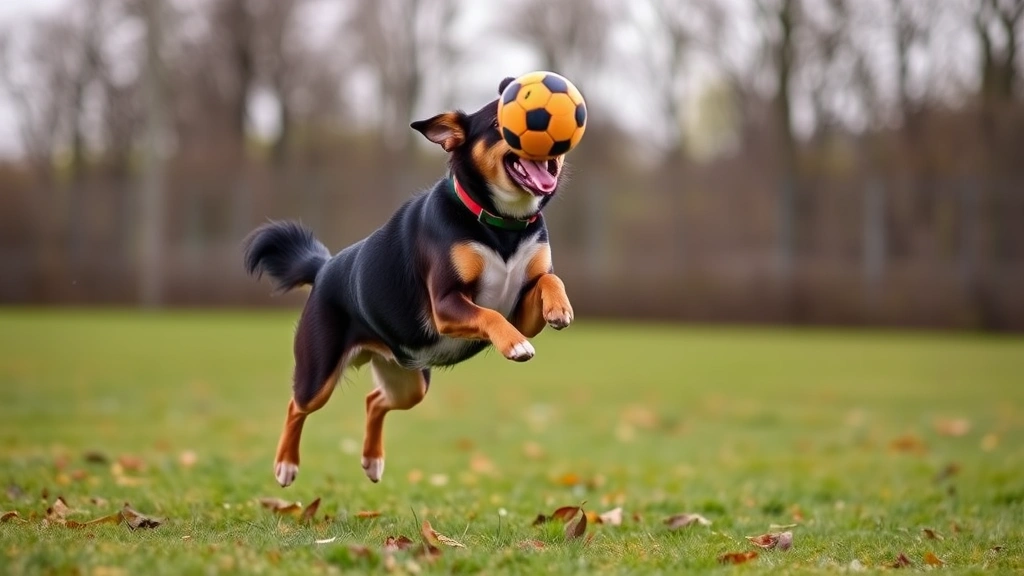
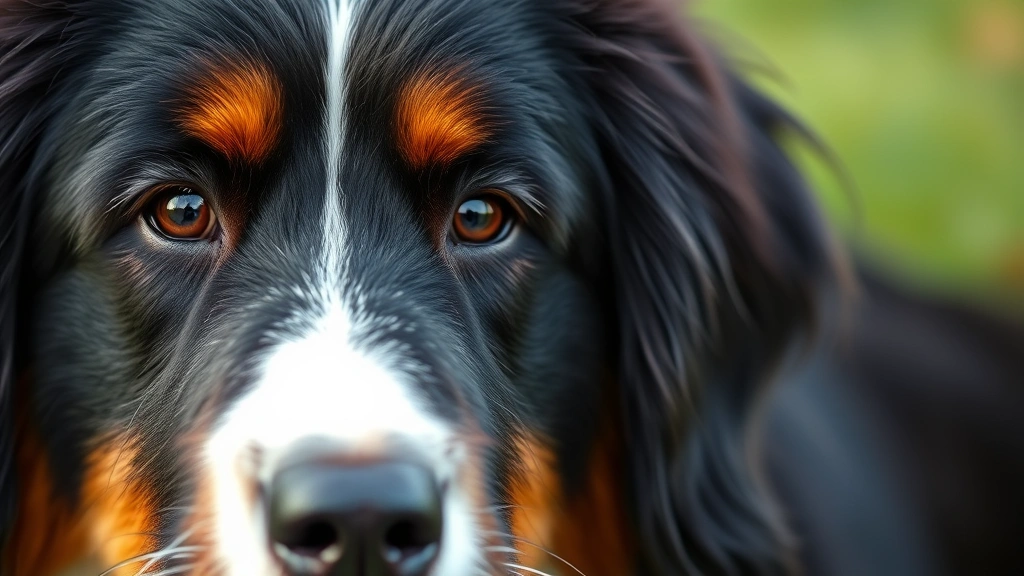
Most mini Bernese mountain dogs stand about 12-17 inches tall at the shoulder and weigh between 20-50 pounds, depending on which parent breed they take after. They typically sport the signature tri-color coat—jet black with rust and white markings—that makes Berners so instantly recognizable. Their ears are medium-sized and floppy, their eyes are warm and soulful, and their tails are fluffy enough to sweep papers off your coffee table. These dogs are built sturdy despite their reduced size, with strong bones and muscular frames that hint at their working-dog heritage.

Temperament and Personality Traits
Here’s where mini Bernese mountain dogs really shine: they’re absolute sweethearts. These pups inherit the gentle, patient nature of their Bernese parents, making them excellent family dogs and surprisingly good with children. They’re not aggressive or territorial; instead, they’re the type of dog that greets everyone like they’re a long-lost best friend. They love being around people and can suffer from separation anxiety if left alone for too long. If you work a 9-to-5 job and can’t come home for lunch, this might not be your ideal match—these dogs crave companionship and involvement in family activities.
Training Your Mini Bernese Mountain Dog
Mini Bernese mountain dogs are intelligent and eager to please, which makes training relatively straightforward. They respond well to positive reinforcement—treats, praise, and playtime work wonders. Start socialization early, exposing your pup to different people, environments, and experiences before they hit 16 weeks old. Housebreaking typically takes 4-6 months with consistency and patience. These dogs aren’t stubborn, but they do have an independent streak inherited from their working-dog ancestry, so keep training sessions short, fun, and rewarding. Consistency is key; mixed signals will confuse them faster than you can say “sit.”

Exercise Needs and Activity Levels
Don’t assume that because they’re smaller, mini Bernese mountain dogs need less exercise. These pups have moderate to high energy levels and require at least 30-45 minutes of physical activity daily. They love walks, hikes, fetch games, and swimming. In fact, many Berners have a natural affinity for water—it’s in their DNA. Mental stimulation is equally important; puzzle toys, training sessions, and interactive games keep their brilliant minds engaged. A bored mini Bernese is a destructive mini Bernese, so plan accordingly. If you’re an active person who enjoys outdoor adventures, this breed is perfect. If you’re a couch potato, keep scrolling.
Health Considerations and Common Issues
Mini Bernese mountain dogs generally enjoy good health, but they can inherit health issues from both parent breeds. Hip dysplasia, elbow dysplasia, and progressive retinal atrophy (PRA) are concerns to watch for. Their size makes them less prone to some of the joint problems that plague larger Berners, but regular vet check-ups are still essential. These dogs can also be prone to bloat, a serious and potentially life-threatening condition, so avoid vigorous exercise right after meals. Always source your mini Bernese from a reputable breeder who conducts health testing on parent dogs. Check out resources on the AKC website for breeder recommendations and health screening guidelines.
Grooming and Coat Maintenance
That beautiful tri-color coat requires regular maintenance. Mini Bernese mountain dogs shed year-round, with heavier shedding during spring and fall when they “blow their coat.” Brush them 3-4 times weekly to manage loose hair and prevent matting. During heavy shedding seasons, daily brushing becomes non-negotiable unless you enjoy finding fur tumbleweeds under your furniture. Bathe them every 6-8 weeks with a quality dog shampoo, trim their nails every 4-6 weeks, and clean their ears weekly to prevent infections. Dental care matters too—brush their teeth daily if possible, or at least 3-4 times weekly.

Nutrition and Diet Requirements
Feed your mini Bernese mountain dog high-quality dog food appropriate for their size and age. Most do well on 1-2 cups of food daily, split into two meals, though individual needs vary based on activity level and metabolism. Look for foods with named meat proteins as the first ingredient and avoid fillers and by-products. Some owners swear by energy-boosting foods for active pets to support their dog’s exercise routine. For joint health, especially as they age, consider incorporating foods for joint health in pets into their diet. Avoid feeding them immediately before or after intense exercise to reduce bloat risk. Always provide fresh, clean water, and consult your vet before making major dietary changes.
Cost of Ownership and Initial Investment
Mini Bernese mountain dogs typically cost between $1,500-$3,500 from reputable breeders, though prices can spike if you’re looking at champion bloodlines. Beyond the initial purchase price, budget for veterinary care, food, grooming supplies, toys, and training classes. Annual vet care runs $500-$1,500 depending on your location and any health issues. If you’re curious about how this breed compares to others in terms of expense, check out our guide on the costliest breed of dog to get perspective. Unexpected health emergencies can cost thousands, so pet insurance is worth considering. Over a 12-year lifespan, expect to spend $15,000-$30,000 on your mini Bernese—a significant commitment, but worth every penny if you’re ready for it.

Finding a Reputable Breeder
This is non-negotiable: only work with reputable breeders who conduct health testing, provide health guarantees, and genuinely care about their dogs’ welfare. Ask for references, visit their facilities, and request documentation of health screenings. Avoid puppy mills and backyard breeders—yes, their puppies are cheaper, but you’re essentially paying more in the long run through health problems and behavioral issues. Reputable breeders ask you questions too; they want to ensure their puppies go to good homes. If a breeder seems indifferent about where their dogs end up, that’s a red flag. Alternatively, consider rescue organizations specializing in Bernese Mountain Dogs or designer dog breeds.
Why Mini Bernese Mountain Dogs Make Great Family Pets
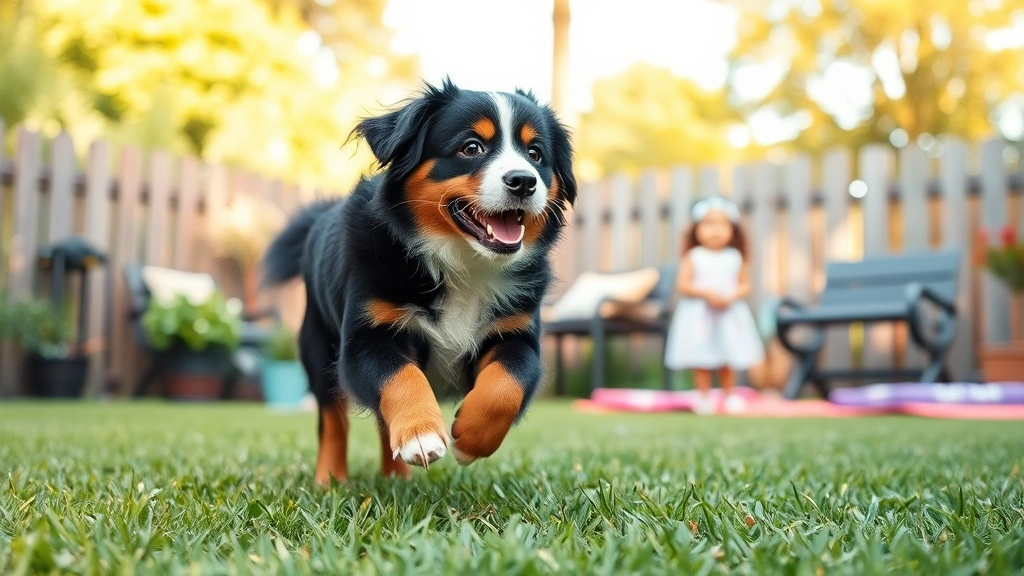
These dogs are patient, gentle, and protective without being aggressive—a rare combination. They’re excellent with children, tolerant of roughhousing, and genuinely patient with little ones. They’re also adaptable; whether you live in an apartment or a house with a yard, they adjust well as long as their exercise and companionship needs are met. They’re not excessive barkers, though they’ll alert you to visitors or unusual sounds. Their size makes them manageable for families with older children or seniors, and their temperament makes them suitable for first-time dog owners willing to invest time in proper training and socialization.

Frequently Asked Questions
How long do mini Bernese mountain dogs live?
Mini Bernese mountain dogs typically live 12-15 years, sometimes longer with excellent care. This lifespan is generally longer than their full-sized cousins, partly due to their smaller size reducing strain on their bodies.
Are mini Bernese mountain dogs good apartment dogs?
Yes, they adapt well to apartment living as long as they get adequate exercise and mental stimulation. Their moderate size and calm indoor demeanor make them suitable for smaller spaces, though access to regular outdoor time is essential.
Do mini Bernese mountain dogs get along with other pets?
Generally, yes. They’re social, friendly dogs that usually get along well with other dogs and cats, especially if socialized early. Their gentle nature means they’re rarely aggressive toward other animals.
How much exercise do they really need?
Mini Bernese mountain dogs need 30-45 minutes of moderate to vigorous exercise daily. This can include walks, hikes, play sessions, or swimming. Mental stimulation through training and puzzle toys is equally important.
What’s the difference between a mini Bernese and a full-sized Bernese Mountain Dog?
The primary difference is size—minis weigh 20-50 pounds versus 70-115 for full-sized Berners. Minis are designer dogs created through selective breeding or crossbreeding, while full-sized Berners are an established purebred. Temperament and care needs are similar, though minis require less food and take up less space.
Are they hypoallergenic?
No. Mini Bernese mountain dogs shed considerably and are not suitable for people with dog allergies. Their double coat sheds year-round, making them one of the heavier-shedding breeds.
What health problems should I watch for?
Common concerns include hip dysplasia, elbow dysplasia, progressive retinal atrophy, and bloat. Work with a reputable breeder who conducts health testing, and schedule regular veterinary check-ups to catch issues early.
Can they handle hot weather?
Mini Bernese mountain dogs have thick, double coats designed for cool Alpine climates. They struggle in hot weather and are prone to overheating. In warm climates, provide air conditioning, limit outdoor time during peak heat, and ensure constant access to water and shade.
Conclusion: Is a Mini Bernese Mountain Dog Right for You?
Mini Bernese mountain dogs are wonderful companions for the right family. They offer the loyalty, intelligence, and gentle nature of their larger cousins in a more manageable package. However, they’re not low-maintenance dogs—they require regular grooming, consistent exercise, mental stimulation, and genuine companionship. If you’re looking for a dog that’s content to be ignored while you work long hours, this isn’t your breed. But if you want a loving, loyal family member who’ll greet you with unbridled enthusiasm and cuddle on the couch afterward, a mini Bernese might be perfect. Take time to find a reputable breeder, prepare your home and lifestyle, and commit to their training and care. In return, you’ll get a dog that brings joy, laughter, and unconditional love to your life for over a decade. That’s a pretty amazing deal.





