
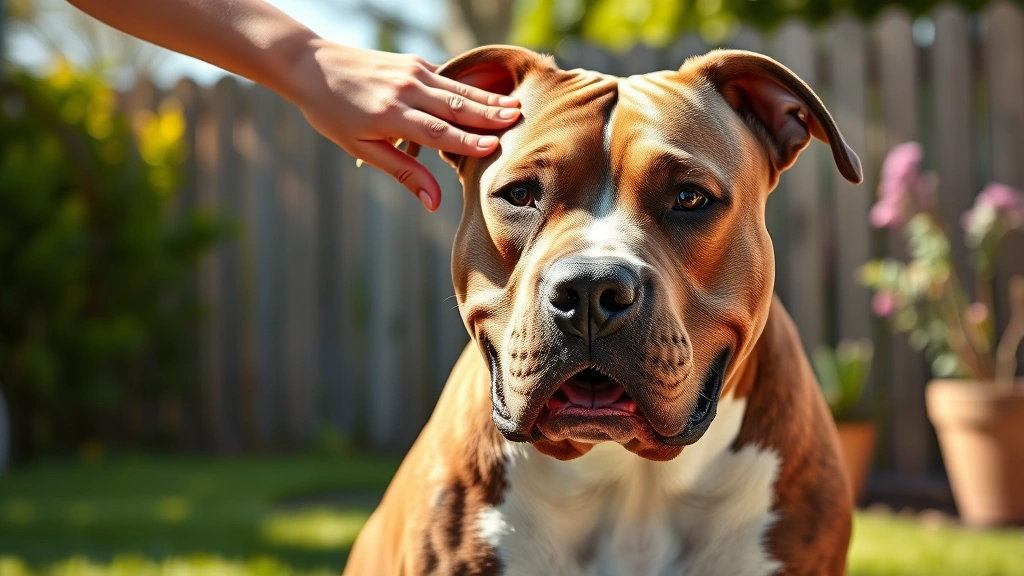
When it comes to the most dangerous dog breeds, the conversation gets spicier than a ghost pepper eating contest—and just as misunderstood. People love to point fingers at certain breeds, but here’s the truth bomb: danger isn’t stamped on a dog’s DNA like a factory label. It’s a complicated mix of breeding history, training, socialization, and how humans treat these four-legged companions.
Table of Contents
- Understanding Canine Aggression and Breed Reputation
- Pit Bull-Type Dogs: Misunderstood Muscle Heads
- Rottweilers: Gentle Giants with a Tough Exterior
- German Shepherds and Large Breed Guard Dogs
- Dalmatians: The Spotted Surprise
- Chow Chows: Aloof and Potentially Aggressive
- Akitas: Japanese Nobility with a Serious Side
- Husky and Malamute Aggression: Prey Drive Gone Wild
- The Role of Training, Socialization, and Owner Responsibility
- Recognizing Warning Signs Before Incidents Occur
- Breed-Specific Legislation: Does It Work?
- Frequently Asked Questions
- Conclusion: It’s About Responsibility, Not Breed
Understanding Canine Aggression and Breed Reputation
Let’s be real: when folks talk about the most dangerous dog breeds, they’re usually thinking of big, muscular pups with serious faces. But aggression isn’t determined by looks alone. A Chihuahua can be just as bitey as a Pit Bull—it’s just that nobody needs stitches when a tiny dog loses its temper. The American Veterinary Medical Association (AVMA) emphasizes that individual behavior varies greatly within breeds, and factors like training, socialization, and owner responsibility matter far more than breed itself.
The media loves a good scary dog story, which means certain breeds get the short end of the stick reputation-wise. Pit Bulls, for example, have been involved in high-profile incidents, but statistics show that breed identification in bite reports is often unreliable. Mixed breeds frequently get misidentified as Pit Bulls, skewing the data.
Pit Bull-Type Dogs: Misunderstood Muscle Heads
Pit Bull-type dogs top most “dangerous” lists, yet many were originally bred as nanny dogs—seriously, they’re called “nanny dogs” because they were trusted with children. These powerful pups have incredible jaw strength and tenacity, which made them popular in dogfighting rings (a horrifying practice). But genetics doesn’t equal destiny. A well-trained, socialized Pit Bull is a loyal, goofy companion who’d rather lick you than hurt you.
The real issue? Irresponsible owners who train these dogs for aggression or neglect them. When a powerful breed is abused or trained to fight, that’s when danger emerges. It’s not the breed; it’s the human behind the leash.
Rottweilers: Gentle Giants with a Tough Exterior
Rottweilers look like they could bench-press a car, and that intimidating appearance has earned them a spot on dangerous dog lists everywhere. But here’s the plot twist: Rottweilers are often giant softies. Originally bred as herding and guard dogs, they’re protective by nature—which means they take their job seriously. A Rottweiler’s aggression usually stems from poor training, lack of socialization, or being chained up as a “guard dog” 24/7.
When properly trained and loved, Rottweilers are affectionate, intelligent, and surprisingly gentle. They just look like they could crush you, which is part of their charm (and why bad owners exploit them).
German Shepherds and Large Breed Guard Dogs
German Shepherds, Doberman Pinschers, and similar large breed guard dogs frequently appear on dangerous dog lists. These intelligent, powerful breeds were literally designed to protect property and people. That protective instinct can become problematic without proper training and boundaries, but it’s not inherent aggression—it’s their job description.
Large breed guard dogs need experienced owners who understand canine psychology and can establish clear leadership. In the right hands, they’re incredible family protectors. In the wrong hands? Yeah, they can be dangerous. But so can any dog with 60+ pounds of muscle and an untrained mind.
Dalmatians: The Spotted Surprise
Dalmatians rarely make dangerous dog lists, but they should be mentioned here because they’re a perfect example of breed misunderstanding. These spotted beauties were bred as carriage dogs—meaning they ran alongside horse-drawn carriages for miles. They’re high-energy, independent, and stubborn as hell. When bored and under-exercised, they can develop behavioral problems including aggression.
The Disney movie made everyone want a Dalmatian, leading to irresponsible breeding and unprepared owners. Many ended up in shelters. The breed isn’t inherently dangerous; it’s just been mishandled by humans who didn’t understand their needs.
Chow Chows: Aloof and Potentially Aggressive
Chow Chows are fluffy teddy bears that look absolutely huggable—until they decide you’re not their favorite person. These Chinese dogs were bred as guardians and hunters, and they have a strong independent streak. They’re known for being aloof with strangers and can be aggressive if not properly socialized.

Unlike some other large breeds, Chow Chows don’t necessarily bond with everyone. They pick their people and can be territorial. This doesn’t make them dangerous in the hands of someone who respects their personality, but it does mean they’re not ideal for first-time dog owners or families with young kids who might not understand boundaries.
Akitas: Japanese Nobility with a Serious Side
Akitas are magnificent, powerful dogs that originated in Japan as hunting and guard dogs. They’re loyal to their families but can be aggressive toward other dogs and strangers. Their size (up to 130 pounds) combined with their protective nature means they require experienced, confident owners.
Akitas aren’t aggressive for no reason—they’re just selective about who they trust. In a home where they’re properly trained and socialized, they’re devoted family members. But put one in an unprepared household, and you’ve got a recipe for disaster.
Husky and Malamute Aggression: Prey Drive Gone Wild
Siberian Huskies and Alaskan Malamutes are often overlooked in dangerous dog discussions, but they deserve mention. These sled dogs have an incredibly high prey drive and were bred to run for miles in harsh conditions. They’re escape artists, stubborn, and can be aggressive toward smaller animals.
While they’re generally friendly with people, their size and strength combined with their independence can make them challenging. A Husky that hasn’t been exercised properly might decide your neighbor’s cat looks like a snack. That’s not malice; it’s instinct meeting opportunity.
The Role of Training, Socialization, and Owner Responsibility
Here’s where things get real: the most dangerous dog isn’t determined by breed—it’s determined by whether the owner knows what they’re doing. A well-trained Pit Bull is safer than an untrained Golden Retriever. A socialized Rottweiler is gentler than a neglected Beagle.
Dogs need consistent training, positive socialization with humans and other animals, and appropriate exercise. They need owners who understand canine body language and can recognize warning signs before a situation escalates. According to PetMD, most dog bites occur when dogs haven’t been properly trained or socialized, and when owners ignore warning signs.
Chaining dogs, isolating them, training them for aggression, or using punishment-based training methods is a recipe for dangerous behavior in any breed. These practices create fear and frustration, which manifests as aggression.
Recognizing Warning Signs Before Incidents Occur
Instead of fearing specific breeds, learn to recognize dangerous dog behavior. Warning signs include stiff body posture, raised hackles, intense staring, growling, and showing teeth. Dogs give plenty of warnings before they bite—humans just often ignore them.
If a dog is resource guarding (protecting food or toys), showing signs of fear aggression, or displaying predatory behavior toward smaller animals, that’s when intervention is needed. These behaviors can develop in any breed and require professional help from a certified dog trainer or veterinary behaviorist.
Breed-Specific Legislation: Does It Work?
Many places have breed-specific legislation (BSL) that restricts or bans certain breeds deemed dangerous. The problem? It doesn’t work. Studies show that BSL doesn’t reduce dog bite incidents. Why? Because the breed isn’t the problem—the owner is. When you ban Pit Bulls, dangerous owners just get Rottweilers. When you ban both, they get German Shepherds.

The focus should be on dangerous owners, not dangerous breeds. Stricter penalties for dog fighting, abuse, and negligence would do far more to prevent incidents than breed bans. That’s what animal welfare organizations across the country are advocating for.
Frequently Asked Questions
What is the most dangerous dog breed?
There’s no single “most dangerous” breed. The most dangerous dog is one that’s been abused, trained for aggression, or not properly socialized—regardless of breed. That said, larger, more powerful breeds like Pit Bulls, Rottweilers, and German Shepherds can cause more physical damage when they do bite, which is why they’re often cited in statistics.
Are Pit Bulls inherently aggressive?
No. Pit Bulls are not inherently aggressive. They were originally bred as nanny dogs and can be incredibly affectionate and loyal. Aggression in Pit Bulls is usually a result of abuse, fighting training, or poor socialization—not genetics. Many Pit Bulls are therapy dogs and service animals.
Can dangerous dogs ever be safe pets?
Yes, with proper training, socialization, and an experienced owner. Even breeds with a reputation for aggression can be wonderful family pets when given the right environment and guidance. However, some dogs with severe aggression issues may need to be managed carefully or may not be suitable for homes with children or other animals.
How can I tell if my dog is becoming aggressive?
Watch for stiff body posture, raised hackles, intense staring, growling, snarling, snapping, and resource guarding. If you notice these signs, consult a certified professional dog trainer or veterinary behaviorist. Early intervention can prevent escalation.
Does size determine how dangerous a dog is?
Size affects the potential damage a dog can cause, but not whether it will be aggressive. A small dog can be just as aggressive as a large dog—it’s just less likely to cause serious injury. Behavior is what makes a dog dangerous, not size.
What should I do if I encounter an aggressive dog?
Stay calm, avoid direct eye contact, back away slowly, and don’t run. If a dog attacks, protect your face and neck, and make noise. Seek medical attention immediately if bitten. Report the incident to animal control.
Conclusion: It’s About Responsibility, Not Breed
The most dangerous dog isn’t a specific breed—it’s any dog that’s been neglected, abused, or trained for aggression by irresponsible owners. While certain breeds have more power and strength, making them capable of causing more damage, aggression itself is learned behavior, not genetic destiny.
Instead of fearing specific breeds, we should focus on responsible dog ownership: proper training, early socialization, exercise, and mental stimulation. We should support laws that punish dog fighting and abuse, and we should educate people about recognizing warning signs before incidents occur.
Every dog deserves a fair chance, and every owner deserves the knowledge to keep their dog—and their community—safe. That’s the real conversation we should be having about dangerous dogs.





