
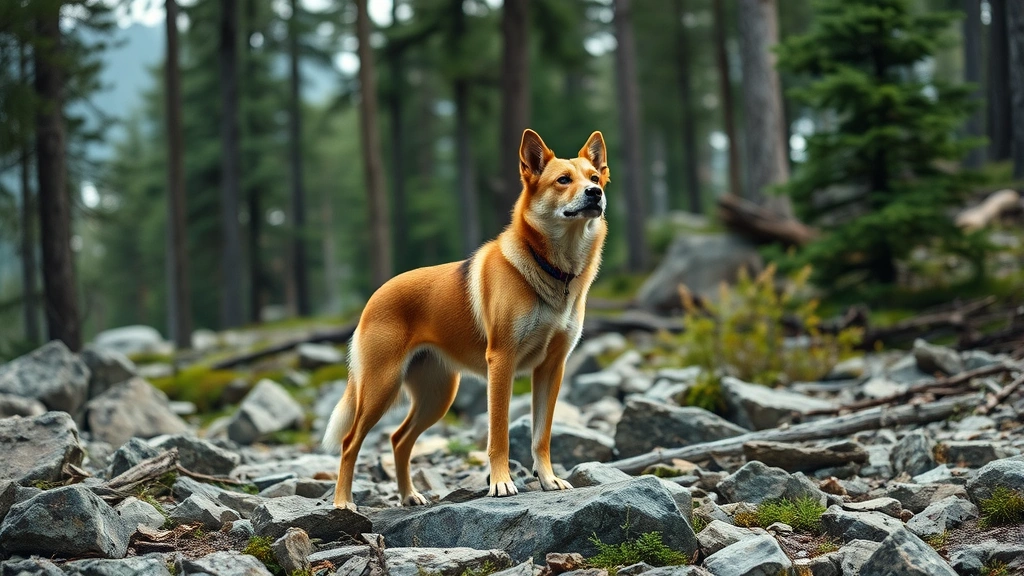
If you’re looking for a pint-sized hunting companion with the heart of a lion and the energy of a caffeinated squirrel, the mountain feist dog might just be your perfect match. These scrappy little canines have been hunting game in the Appalachian Mountains for generations, and they’re absolutely packed with personality, grit, and charm that’ll make you wonder why they’re not more famous.
Table of Contents
- What Exactly Is a Mountain Feist Dog?
- History and Origins of the Feist Hunting Dog
- Physical Characteristics and Appearance
- Temperament: Personality Packed Into a Small Package
- Training Your Mountain Feist: Tips and Tricks
- Exercise Needs: These Dogs Need to Move
- Health Considerations for the Breed
- Nutrition and Diet: Fueling Your Hunting Companion
- Grooming and Care Requirements
- Mountain Feist vs. Similar Breeds: How Do They Compare?
- Is a Mountain Feist Right for You?
- Frequently Asked Questions
- Conclusion: The Mountain Feist Dog Legacy
What Exactly Is a Mountain Feist Dog?
A mountain feist dog is a small hunting breed that originated in the mountainous regions of the southeastern United States, particularly in the Appalachian Mountains. These compact canines typically weigh between 10-30 pounds and stand about 10-18 inches tall. Don’t let their size fool you—these dogs were bred to hunt squirrels, raccoons, and other small game with remarkable tenacity and intelligence.
The breed has deep roots in American history, with settlers bringing their hunting dogs to the mountains and developing this unique breed through selective breeding. Unlike fancy designer dogs, the mountain feist is a working dog with a genuine purpose and a no-nonsense attitude about life.
History and Origins of the Feist Hunting Dog
The feist hunting dog lineage traces back to European terriers and hunting dogs brought by Scottish and English settlers. These pioneers needed reliable hunting companions that could navigate rough terrain and handle the demanding work of tracking game through dense forests. Over time, the breed evolved into what we know today as the mountain feist—a distinctly American hunting dog with unmatched versatility.
The breed’s name itself is debated among historians. Some believe “feist” comes from the German word “feist” meaning small dog, while others suggest it derives from “fyce,” an old English term for a small hunting dog. Regardless of the etymology, these dogs have earned their place in rural American culture and continue to be valued by hunters who appreciate their skills and loyalty.
Physical Characteristics and Appearance
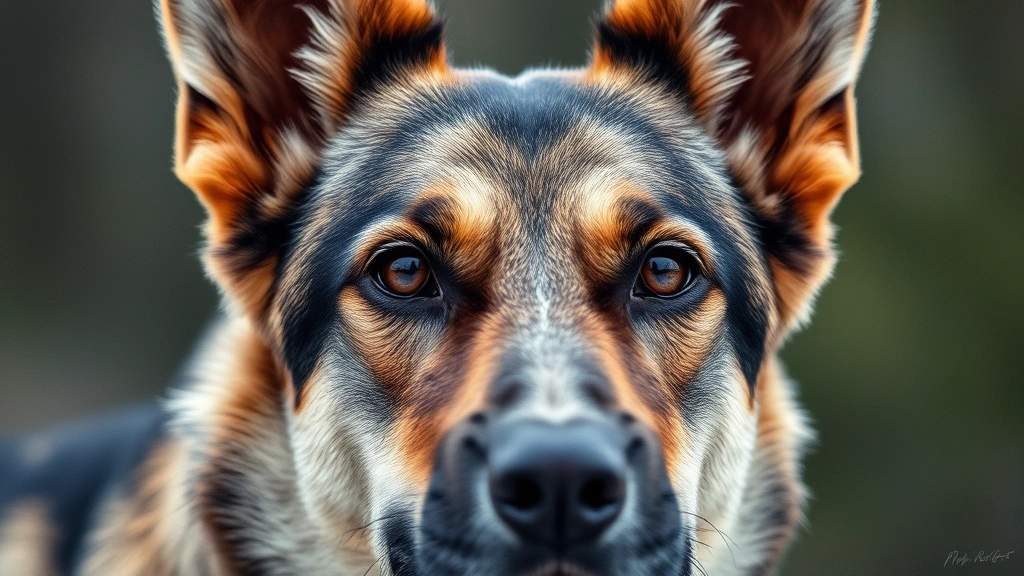
Mountain feist dogs come in various coat colors including black and tan, brindle, red, and white combinations. Their short, dense coats require minimal grooming, making them practical for working in the field. Their ears are typically medium-sized and can be either floppy or semi-erect, giving them an alert, intelligent expression.
These compact canines have muscular builds despite their small stature, with strong legs built for climbing trees and navigating rocky terrain. Their tails are often docked or naturally short, and their overall appearance screams “I’m ready to work” rather than “I’m a lap dog.” That said, many mountain feist owners report that their dogs are surprisingly cuddly once the workday is done.

Temperament: Personality Packed Into a Small Package
If you’re considering a mountain feist dog as a pet, you need to understand that this breed was born to hunt. They possess an incredibly high prey drive, which means squirrels, rabbits, and cats might trigger their hunting instincts. They’re intelligent, independent-minded, and stubborn—traits that made them excellent hunting partners but can present training challenges for inexperienced dog owners.
That said, mountain feists are incredibly loyal to their families. They’re protective without being aggressive, playful without being annoying, and affectionate in their own no-nonsense way. They tend to bond deeply with their owners and will follow you from room to room with devoted attention. These dogs thrive on having a job to do, whether that’s actual hunting or playing fetch in your backyard.
Training Your Mountain Feist: Tips and Tricks
Training a mountain feist requires patience, consistency, and understanding their independent nature. These aren’t dogs that will obey commands just because you said so—they need to understand the “why” behind the command. Start training early, use positive reinforcement, and keep sessions short and engaging.

Because of their hunting background, recall training is absolutely essential. A mountain feist with poor recall is a recipe for disaster, as they’ll chase any small animal that crosses their path. Use high-value treats and make coming back to you more rewarding than whatever they’re chasing. Many experienced owners recommend a long training lead during the early stages of recall training.
Socialization is equally important. Expose your mountain feist to different people, environments, and other dogs from puppyhood. This helps prevent them from becoming overly territorial or aggressive. Despite their hunting instincts, well-socialized mountain feists can coexist peacefully with other dogs and even cats if raised together.
Exercise Needs: These Dogs Need to Move
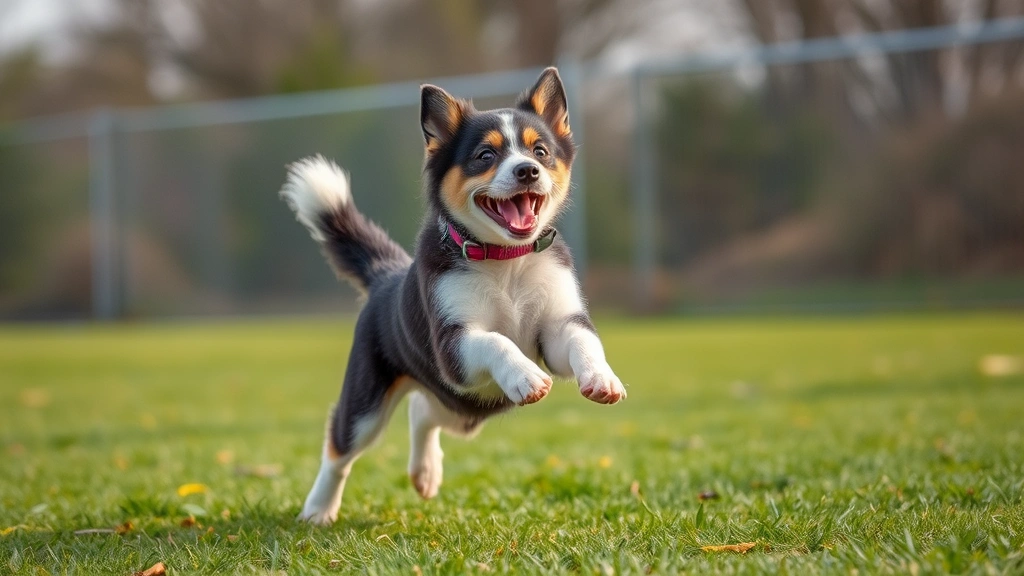
Mountain feist dogs are bundles of endless energy. These aren’t couch potatoes—they need at least 60-90 minutes of vigorous exercise daily. Without adequate physical and mental stimulation, they’ll become destructive, dig holes in your yard, and generally make your life miserable.

The good news is that mountain feists are incredibly versatile when it comes to exercise. They enjoy hiking, running, playing fetch, agility training, and of course, hunting. If you live in an apartment or don’t have access to outdoor space, this breed probably isn’t for you. These dogs need room to run, explore, and burn off their seemingly infinite energy reserves.
Health Considerations for the Breed
Mountain feist dogs are generally healthy, hardy little animals with few breed-specific health issues. Their working dog background means they’ve been selected for durability and functionality rather than exaggerated physical traits that cause health problems.
However, like all dogs, they can be prone to certain conditions including hip dysplasia, ear infections (due to their floppy ears), and dental problems. Regular veterinary checkups, a quality diet, and proper ear cleaning will help keep your mountain feist healthy and thriving. Most mountain feists live 12-15 years, which is a solid lifespan for an active working dog.
Nutrition and Diet: Fueling Your Hunting Companion
Because mountain feist dogs are so active, they require high-quality nutrition to maintain their energy and muscle mass. Look for dog foods with high protein content and balanced nutrients. Many owners of working dogs prefer feeding their mountain feists twice daily rather than once, which helps maintain stable energy levels throughout the day.
If your mountain feist is actively hunting or working, you may need to increase caloric intake during those periods. Consult with your veterinarian about the best pet nutrition advice for your individual dog’s needs. Some owners supplement their dogs’ diets with healthy pet treats like raw carrots, apples, and lean meats, though always check with your vet first.
Grooming and Care Requirements
One of the great advantages of owning a mountain feist is their minimal grooming needs. Their short coats shed moderately and require only occasional brushing to remove loose hair. A bath every 4-6 weeks or as needed keeps them clean and healthy.

Pay special attention to their ears, which can trap moisture and develop infections. Clean them weekly with a veterinary-approved solution. Trim their nails regularly, brush their teeth several times weekly, and check their paws after outdoor adventures for cuts, thorns, or other injuries. A sturdy Carhartt dog collar and a quality leash are worthwhile investments for an active mountain feist.
Mountain Feist vs. Similar Breeds: How Do They Compare?
If you’re considering a mountain feist, you might also be looking at coonhound dog breeds or other small hunting dogs. Mountain feists are smaller than most coonhounds, more independent than many terrier breeds, and more focused on hunting than companion dog breeds. They’re also distinct from imported breeds like the caniche dog for sale, which were developed with different purposes in mind.
The key difference is that mountain feists are distinctly American working dogs, developed specifically for the terrain and game of the Appalachian region. They represent generations of selective breeding for function over form, which is why they excel at what they were designed to do.
Is a Mountain Feist Right for You?
Mountain feist dogs aren’t for everyone, and that’s okay. They’re best suited for active individuals or families who appreciate their hunting heritage and can provide adequate exercise and mental stimulation. If you live in an urban apartment, work long hours, or prefer a dog that’s content to lounge around, this breed will drive you crazy.
However, if you’re an active person who enjoys outdoor activities, hunting, or simply want a loyal, intelligent companion with genuine character, a mountain feist could be an excellent choice. These dogs form deep bonds with their owners and repay your dedication with unwavering loyalty and entertaining antics.
Frequently Asked Questions
Are mountain feist dogs good family pets?
Mountain feist dogs can be wonderful family pets for active families, but they require experienced dog owners who understand their hunting instincts and independent nature. They’re loyal and affectionate with their families but need proper training, socialization, and exercise. They may not be ideal for families with very small children or other small pets due to their prey drive.

How much do mountain feist dogs cost?
Mountain feist dogs are relatively affordable compared to many designer breeds, typically ranging from $300-$800 from reputable breeders. Puppies from working hunting lines may cost more, while rescue dogs are often available for adoption fees of $50-$200. Always adopt from reputable sources and avoid puppy mills.
Can mountain feist dogs live in apartments?
While technically possible, mountain feist dogs are not well-suited for apartment living. They need substantial outdoor space and regular vigorous exercise. An apartment-dwelling mountain feist would likely become destructive and frustrated without adequate room to run and play.
Do mountain feist dogs get along with cats?
Mountain feist dogs have a strong prey drive, so living with cats can be challenging. However, if raised together from puppyhood and properly socialized, some mountain feists can coexist peacefully with cats. It requires careful introduction and ongoing supervision, and individual dogs vary in their tolerance.
What is the lifespan of a mountain feist?
Mountain feist dogs typically live 12-15 years, with some living even longer. Their working dog background and lack of exaggerated physical traits contribute to their generally good health and longevity. Proper nutrition, regular veterinary care, and adequate exercise support a long, healthy life.
Are mountain feist dogs easy to train?
Mountain feist dogs are intelligent but independent-minded, making them moderately challenging to train. They respond well to positive reinforcement and clear leadership but won’t obey commands without understanding the purpose. Experienced dog owners typically have better success than first-time dog owners.
Conclusion: The Mountain Feist Dog Legacy
The mountain feist dog represents a unique piece of American hunting heritage—a small but mighty canine that has proven its worth in the rugged Appalachian Mountains for generations. These energetic, intelligent, and loyal dogs aren’t for everyone, but for the right owner, they’re absolutely perfect.
If you’re considering adding a mountain feist to your family, be honest about your lifestyle and expectations. These dogs thrive with active owners who appreciate their working heritage and can provide the exercise, training, and mental stimulation they crave. In return, you’ll get a devoted companion with genuine character, unwavering loyalty, and enough personality to keep you entertained for years to come. Whether you’re a hunter looking for a reliable working partner or an active individual seeking an adventurous companion, the mountain feist dog might just be the breed you’ve been looking for.





