If you’ve ever wondered why your furry friend’s digestive system acts like it’s auditioning for a comedy show, multi-strain probiotics for pets might be the answer you’ve been searching for. These beneficial bacteria are like tiny superheroes working behind the scenes to keep your dog or cat’s gut happy, healthy, and significantly less embarrassing at the dog park.
What Are Multi-Strain Probiotics and Why Should Pet Parents Care?
Let’s start with the basics. Probiotics are live microorganisms—specifically, beneficial bacteria and yeasts—that support digestive health. When we talk about multi-strain probiotics, we’re referring to supplements containing multiple types of these good bacteria, rather than just one strain. Think of it like assembling a dream team instead of relying on a single player.
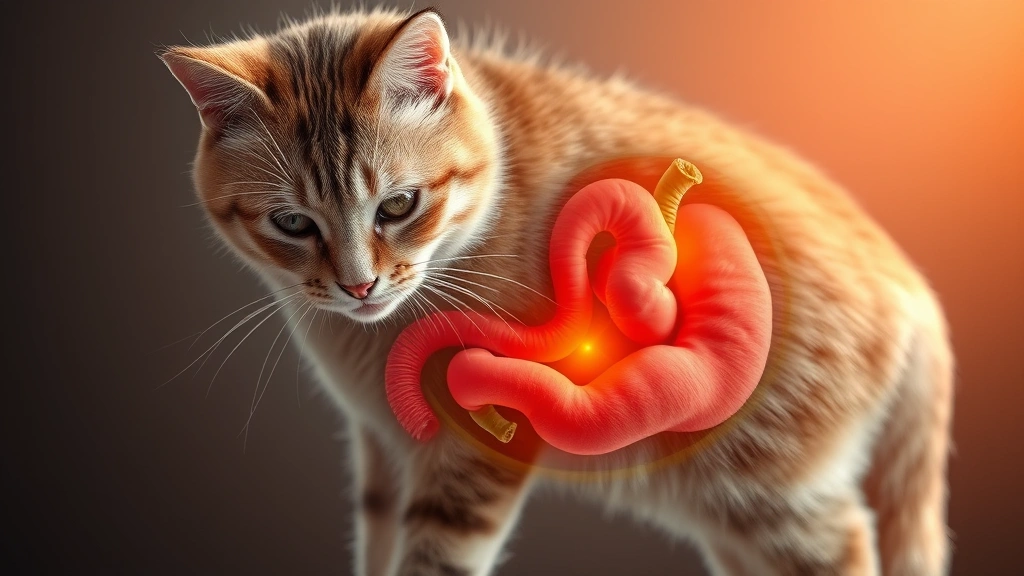
Your pet’s gut is basically a bustling metropolis of microorganisms. When things are balanced, everyone gets along and your pet thrives. But stress, antibiotics, dietary changes, or poor nutrition can throw this balance into chaos faster than a cat in a bathtub. That’s where multi-strain probiotics come in—they’re the peacekeepers your pet’s digestive system desperately needs.
Essential Way #1: Restoring Digestive Balance and Reducing Gastrointestinal Issues
The primary superpower of multi-strain probiotics for pets is restoring that critical digestive balance. When your dog or cat has diarrhea, constipation, or that lovely gassy situation that clears the room, it’s often because the bad bacteria have outnumbered the good guys.
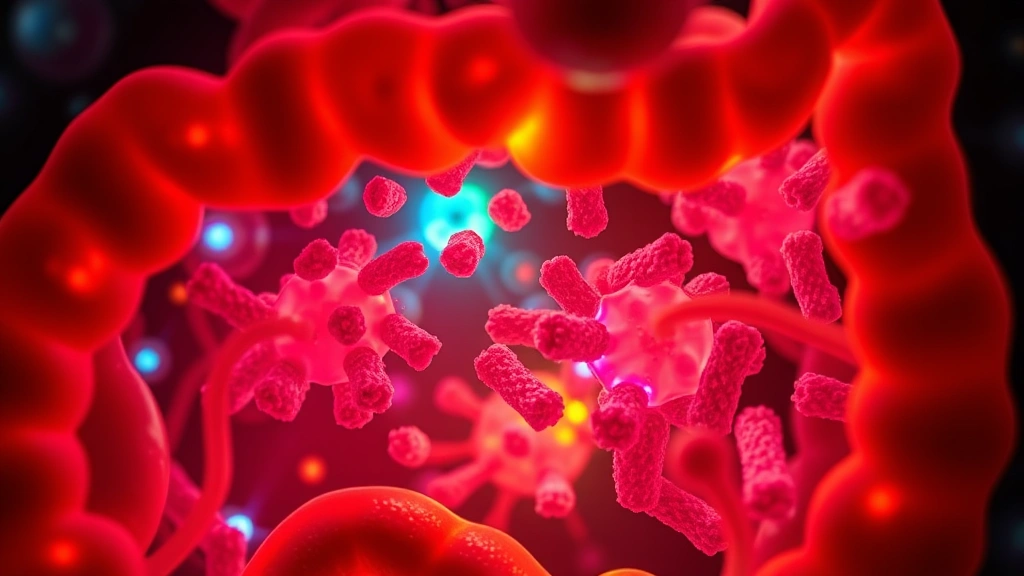
Multi-strain formulas are particularly effective because different strains target different areas of the digestive tract. Some excel at the small intestine, others dominate the colon, and they all work together like a well-choreographed dance routine. Common strains include Lactobacillus and Bifidobacterium, which have been studied extensively for their gut-healing properties.
If your pet has recently been on antibiotics (which kill both good and bad bacteria indiscriminately), probiotic supplementation becomes especially important. It’s like rebuilding your pet’s internal ecosystem after a natural disaster. Your vet might recommend starting probiotics during antibiotic treatment to minimize digestive upset. For more information on digestive health issues, check out our guide on why your dog might be vomiting white foam, which can sometimes indicate digestive distress.

Essential Way #2: Strengthening Your Pet’s Immune System
Here’s something that might blow your mind: approximately 70-80% of your pet’s immune system lives in their gut. Yes, you read that right. The digestive tract isn’t just about breaking down kibble—it’s basically the headquarters of your pet’s immune defense force.
Multi-strain probiotics enhance immune function by promoting the growth of beneficial bacteria that produce short-chain fatty acids and other compounds that strengthen the intestinal barrier. A stronger gut lining means fewer nasty pathogens can slip through and cause problems. It’s like upgrading from a chain-link fence to a fortress wall.
When your pet’s gut bacteria are in optimal balance, their immune system can focus on the real threats instead of getting confused and attacking things it shouldn’t. This is particularly important for pets prone to allergies or inflammatory bowel conditions. Studies have shown that certain probiotic strains can reduce inflammation and support overall immune resilience, making your pet less susceptible to infections and illness.
The beauty of multi-strain formulations is that they provide diverse immune support. Different strains stimulate different immune pathways, creating a more robust and comprehensive defense system. It’s preventative medicine at its finest.
Essential Way #3: Improving Nutrient Absorption and Overall Wellness
You can feed your pet the fanciest, most expensive food on the planet, but if their digestive system isn’t functioning optimally, they won’t absorb those nutrients efficiently. It’s like buying a Ferrari and running it on low-octane gas—you’re not getting the full benefit.

Healthy gut bacteria actually produce certain vitamins (like B vitamins and vitamin K) and help your pet absorb essential minerals like calcium, magnesium, and iron. Multi-strain probiotics support this nutrient extraction process, meaning your pet gets more bang for their nutritional buck.
Additionally, when your pet’s digestive system is working smoothly, you’ll notice improvements across the board: shinier coat, better energy levels, healthier skin, and improved breath (okay, maybe not miracle-level improvement on that last one, but still). These systemic improvements happen because when your pet’s gut is happy, the rest of their body follows suit.
Proper nutrition is foundational to probiotic effectiveness. If you’re wondering about dietary choices, our article on whether dogs can eat rotisserie chicken provides helpful guidance on making nutritious choices for your pet.
Choosing the Right Multi-Strain Probiotic for Your Pet
Not all probiotics are created equal, and this is where things get a bit tricky. When shopping for multi-strain probiotics, you’ll want to look for specific markers of quality:
Colony Forming Units (CFUs): This measures the number of live bacteria in the supplement. Most veterinarians recommend at least 1-10 billion CFUs per dose for dogs, though this varies based on your pet’s size and condition.
Strain Specificity: The label should list specific strains (like Lactobacillus acidophilus or Bifidobacterium longum), not just vague mentions of “beneficial bacteria.” You want to know exactly what you’re getting.
Stability and Storage: Probiotics are living organisms and they’re fragile little things. Look for products with proper packaging, expiration dates, and storage instructions. Refrigerated formulas are often more stable than shelf-stable versions, though modern manufacturing has improved stability considerably.
Third-Party Testing: Reputable brands have their products tested by independent laboratories to verify potency and purity. It’s the probiotic equivalent of getting your pet’s health credentials verified.
When Should You Give Your Pet Multi-Strain Probiotics?
Timing matters when it comes to probiotic supplementation. The ideal scenarios include:
After Antibiotic Treatment: This is the most obvious time. Antibiotics wipe out your pet’s beneficial bacteria along with the harmful stuff, so replenishing them is crucial. Many vets recommend starting probiotics during the final days of antibiotic therapy.
During Digestive Upset: If your pet has diarrhea, constipation, or general GI distress, probiotics can help restore balance. However, if the issue persists beyond a few days, see your vet. Persistent digestive issues might indicate something more serious, like parasites. Check out our guide on how to tell if a dog has worms for more information.
As Preventative Care: Some pet parents give their healthy pets probiotics year-round as preventative medicine. This approach can help maintain optimal digestive health and reduce the likelihood of future issues.
During Dietary Transitions: Switching foods abruptly can upset your pet’s digestive system. Adding probiotics during the transition period can ease the adjustment and prevent digestive rebellion.
Potential Side Effects and Safety Considerations
Here’s the good news: probiotics are generally very safe for pets. However, some animals might experience temporary side effects when first starting supplementation, including mild gas, bloating, or changes in stool consistency. These symptoms typically resolve within a few days as the gut bacteria establish themselves.
If your pet has a compromised immune system or is critically ill, consult your vet before starting probiotics. While rare, immunocompromised animals could theoretically have issues with live bacteria supplements. Your veterinarian can recommend the safest approach for your specific pet’s situation.

Probiotics work best when combined with a quality diet. If you’re unsure about your current pet food, our article on whether Nature’s Recipe is a good dog food might help you evaluate your options.
The Science Behind Multi-Strain Formulations
Why are multi-strain formulas better than single-strain options? Research shows that different bacterial strains provide complementary benefits. While a single strain might excel at producing certain beneficial compounds, a multi-strain formula provides broader spectrum support.
For example, some strains are particularly good at producing butyrate (a short-chain fatty acid that feeds intestinal cells), while others excel at producing lactase (helping with dairy digestion) or producing antimicrobial compounds that fight pathogenic bacteria. By combining multiple strains, you’re essentially creating a specialized team where each member brings unique talents to the table.
Studies published in veterinary journals have shown that pets receiving multi-strain probiotics show improvements in coat quality, stool consistency, and overall health markers compared to untreated controls. The effects aren’t instantaneous—most pet parents notice improvements within 2-4 weeks of consistent supplementation.
Common Myths About Pet Probiotics Debunked
Let’s clear up some confusion that surrounds probiotics:

Myth: “All probiotics are the same.”
Reality: Absolutely not. Strain selection, CFU count, and formulation quality vary wildly. The difference between a premium multi-strain product and a cheap knockoff is like comparing a veterinary-formulated supplement to something that fell off a bargain bin.
Myth: “Probiotics work immediately.”
Reality: Patience is required. Your pet’s gut bacteria need time to establish colonies and begin producing beneficial compounds. Most improvements appear within 2-4 weeks.
Myth: “If one dose is good, more is better.”
Reality: Follow dosing recommendations based on your pet’s weight and the product’s specifications. More isn’t always better, and excessive supplementation can cause digestive upset.
Integration With Your Pet’s Overall Health Plan
Multi-strain probiotics work best as part of a comprehensive health approach. They’re not a magic bullet that replaces proper nutrition, exercise, and veterinary care. Instead, think of them as a powerful tool in your pet wellness toolkit.
A holistic approach includes quality nutrition, regular exercise, stress management, and preventative veterinary care. Probiotics enhance all of these by optimizing digestive function and immune support. When your pet’s gut is healthy, everything else improves more easily.

If your pet has specific health concerns, discuss probiotic supplementation with your veterinarian. They can recommend specific strains and dosages tailored to your pet’s unique needs and health status.
Frequently Asked Questions
How long does it take for probiotics to work in pets?
Most pet parents notice improvements within 2-4 weeks of consistent supplementation. Some pets show results sooner, while others might need 6-8 weeks. Consistency is key—daily supplementation as directed produces the best results.
Can I give my cat probiotics?
Absolutely! Cats benefit from multi-strain probiotics just as much as dogs do. However, make sure you’re using a feline-appropriate formula, as some products are dog-specific. Cats have different digestive needs, and a vet-formulated feline probiotic ensures proper strain selection.
Are there any drug interactions with probiotics?
Probiotics are generally safe alongside medications, but timing matters. If your pet is taking antibiotics, separate probiotic administration by 2-3 hours to prevent the antibiotic from killing the beneficial bacteria before they can establish themselves. Always mention probiotic use to your vet.
What’s the difference between probiotics and prebiotics?
Probiotics are live beneficial bacteria. Prebiotics are food for those bacteria—basically, they’re the nutrients that help probiotics thrive. Some supplements combine both (called synbiotics) for enhanced effectiveness.
Can probiotics help with pet allergies?
Possibly! Since much of the immune system resides in the gut, healthy gut bacteria can help reduce allergic reactions. However, probiotics aren’t a cure-all for allergies. They work best as part of a comprehensive allergy management plan developed with your veterinarian.
How do I know if my pet needs probiotics?
Signs your pet might benefit include chronic diarrhea or constipation, frequent digestive upset, dull coat, low energy, or recurrent infections. However, the best approach is discussing your pet’s specific situation with your veterinarian, who can recommend appropriate supplementation.
Summary: Why Multi-Strain Probiotics Matter for Your Pet
Multi-strain probiotics for pets represent a scientifically-backed approach to optimizing digestive health, boosting immunity, and improving overall wellness. By restoring the delicate balance of beneficial bacteria in your pet’s gut, these supplements address issues at their source rather than just treating symptoms.
The three essential benefits—restoring digestive balance, strengthening immunity, and improving nutrient absorption—work synergistically to enhance your pet’s quality of life. Whether your pet is recovering from antibiotic treatment, experiencing digestive upset, or you’re simply committed to preventative health care, multi-strain probiotics offer a safe, science-backed solution.
Remember that quality matters significantly. Choose products with specific strain identification, adequate CFU counts, proper storage, and third-party testing. Combine probiotic supplementation with quality nutrition, regular veterinary care, and a healthy lifestyle for optimal results. Your pet’s gut health is foundational to their overall wellness—treat it with the attention it deserves.