
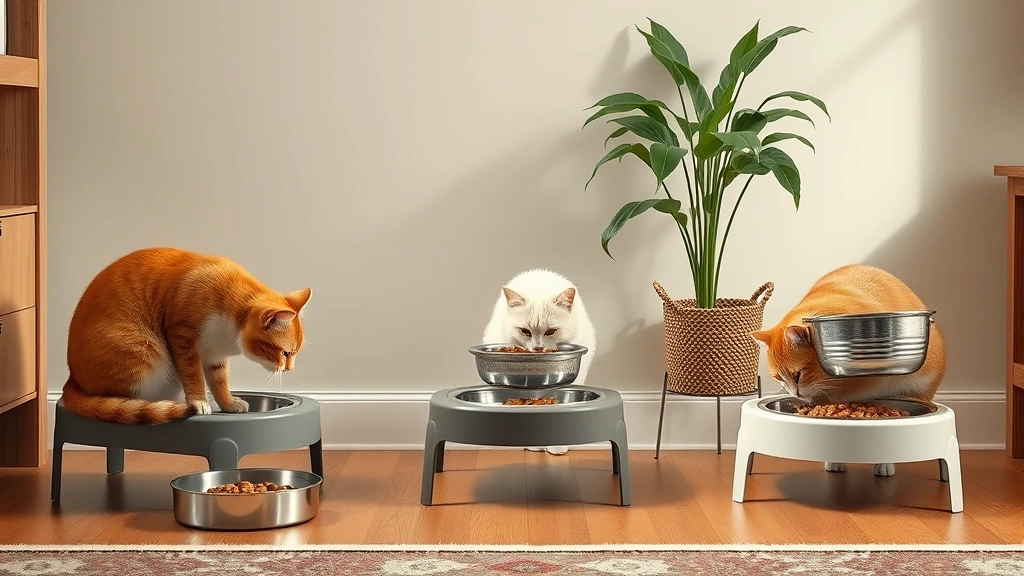
Setting up multiple cat feeding locations is one of the smartest moves you can make if you’re juggling more than one feline in your home. Whether you’ve got a pair of best friends or a full-blown cat colony, strategic feeding station placement can prevent food aggression, reduce stress, and keep your cats happier than a kitten in a sunbeam. Let’s dive into how to make this work like a pro.
Table of Contents
- Why Multiple Cat Feeding Locations Matter
- Assess Your Home Layout and Cat Dynamics
- The Golden Rule: Distance and Visibility
- Placement Strategy for Optimal Cat Feeding Locations
- Invest in the Right Equipment and Containers
- Managing Different Dietary Needs Across Feeding Stations
- Hydration Stations: Don’t Forget the Water
- Cleaning and Maintenance Routines
- Monitoring Individual Intake and Health
- Behavioral Benefits Beyond Meal Times
- Troubleshooting Common Multi-Cat Feeding Issues
- Creating the Perfect Multi-Cat Feeding Environment
- Frequently Asked Questions
Why Multiple Cat Feeding Locations Matter
Cats are territorial creatures—yes, even the sweet ones that purr on your lap. When you’ve got multiple cats sharing one feeding bowl, you’re basically asking for drama. The dominant cat might guard the food like it’s made of gold, leaving the shy kitty to eat crumbs (if anything). By creating cat feeding stations in different areas of your home, you’re giving each cat their own safe space to eat without stress or competition. This is especially crucial if you have cats with different dietary needs—like one on a special diet and another with free access to kibble.
Assess Your Home Layout and Cat Dynamics
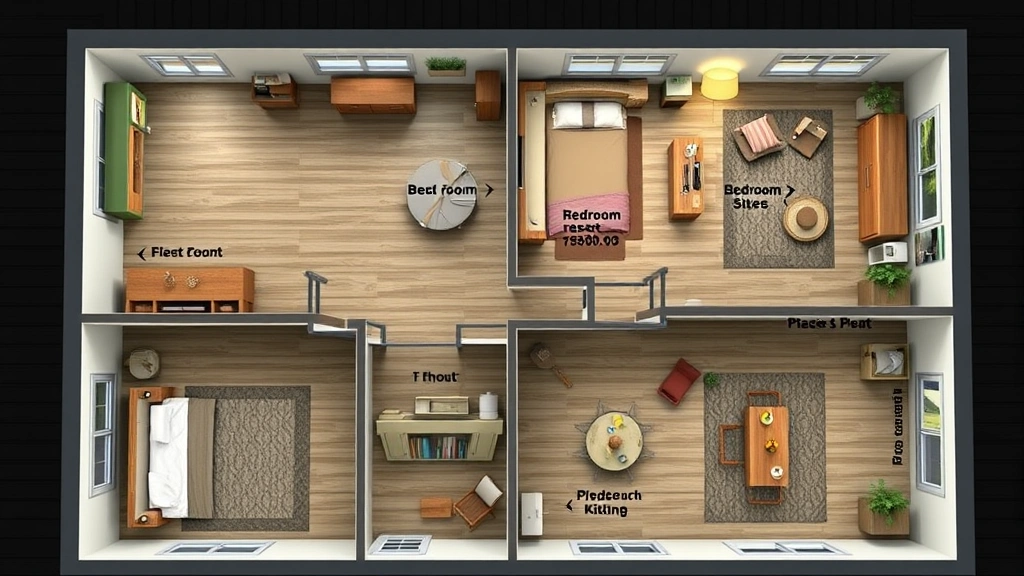
Before you start placing food bowls everywhere, take a hard look at your living space. Do you have a multi-level home? A long hallway? An open-concept kitchen? The best locations for feeding stations depend on your home’s geography and your cats’ personalities. Some cats prefer quiet, tucked-away spots (introverts, we get it), while others are cool eating in busier areas. Watch how your cats naturally move through the house—that’ll tell you where to set up shop. If you’ve got a timid cat and a bully, separate their eating areas by at least one room, or better yet, different floors.
The Golden Rule: Distance and Visibility
Here’s the secret sauce: space out your feeding locations so each cat has a clear line of sight to their bowl without feeling trapped. A good rule of thumb is at least 6-10 feet between feeding stations, though more is better. This prevents that awkward “I’m watching you eat” tension and gives each cat an escape route if things get weird. Never box a cat into a corner with their food—they need to feel safe and able to retreat. Think of it like restaurant seating: you wouldn’t put two strangers elbow-to-elbow at the same table, right?
Placement Strategy for Optimal Cat Feeding Locations
Kitchen, bedroom, bathroom, laundry room—spread those stations out strategically. The kitchen is obvious for one station since that’s where you store the food anyway. But consider a secondary station in a quieter area like a bedroom or den for a cat that gets bullied during mealtime. Some multi-cat households even use a food enrichment approach with feeding stations in multiple rooms to encourage natural hunting and foraging behaviors. Avoid high-traffic areas where your cats might feel rushed or interrupted during their meals.
Invest in the Right Equipment and Containers
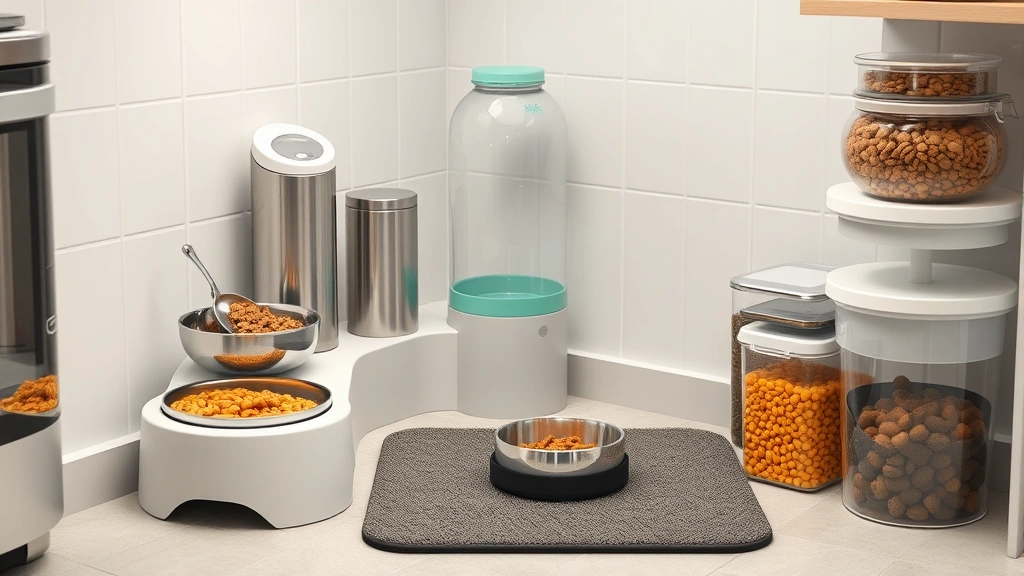
Not all feeding setups are created equal. Elevated feeders are fantastic because they reduce neck strain and help separate cats at different heights—one cat eats from the elevated bowl while another uses a floor-level station. Stainless steel or ceramic bowls are superior to plastic (which can harbor bacteria and cause chin acne in cats). Consider getting a mat under each station to contain spills and define the feeding zone clearly. If you’re dealing with pet portion control issues, microchip feeders are game-changers—they only open for the specific cat they’re programmed for, ensuring each kitty gets their exact portion.
Managing Different Dietary Needs Across Feeding Stations
Got a cat on a prescription diet while the others munch regular kibble? Multiple feeding locations are your best friend here. You can easily supervise and control who eats what without stress. Label each station clearly (even if it’s just for your own sanity) and establish a routine so your cats know where to find their meals. If one cat requires sedentary cat portions due to low activity levels, their dedicated station becomes the perfect monitoring point. This setup also makes it easier to track individual eating habits and spot health issues early.
Hydration Stations: Don’t Forget the Water
Here’s something people overlook: water bowls should be separate from food areas, ideally in multiple locations too. Cats naturally prefer drinking water away from where they eat (it’s an evolutionary thing). Place water stations throughout your home—at least one per cat, plus an extra. Some cats prefer running water from fountains, so having a water fountain at one station and still bowls at others gives them options. This encourages better hydration, which is crucial for kidney health.
Cleaning and Maintenance Routines
Multiple feeding stations mean multiple bowls to keep clean, but it’s worth it. Establish a daily cleaning routine—wash bowls after each feeding to prevent bacterial growth and keep your cats healthy. Set up fresh food feeding routines that work with your schedule. If you use wet food, don’t leave it sitting out longer than 20-30 minutes. With multiple stations, you’ll want a system: maybe morning feeding at Station A, evening at Station B, and free-kibble access at Station C. Keep it consistent so your cats know the schedule.
Monitoring Individual Intake and Health
One of the biggest advantages of multiple cat feeding locations is the ability to monitor each cat’s eating habits individually. You’ll quickly notice if one cat is eating more than usual (could signal health issues) or if another is barely touching food (also a red flag). According to AAFCO guidelines, cats should consume approximately 25-30 calories per pound of body weight daily, though this varies by age and activity level. With separate stations, you can adjust portions easily and keep tabs on each kitty’s weight and wellness.
Behavioral Benefits Beyond Meal Times
Setting up multiple cat feeding locations does more than just prevent food fights. It reduces overall stress in your multi-cat household, which can decrease inappropriate behaviors like litter box issues, urine marking, and aggression. When cats feel secure and have their own resources (food, water, litter boxes), the whole household vibe improves. Research from feline behavior experts shows that resource availability directly impacts stress levels in group-living cats. You’re essentially creating a more harmonious environment where each cat feels like they have their own territory.
Troubleshooting Common Multi-Cat Feeding Issues
Still having problems? If one cat insists on patrolling all stations, you might need to feed them separately (different rooms or times). If a cat refuses to eat at their assigned station, move it slightly—sometimes just a foot to the left makes all the difference. Some cats are sneaky food stealers, so consider using PetMD’s recommendations for supervised feeding sessions where you’re present during meals. The key is flexibility and patience—what works for one household might need tweaking for yours.
Creating the Perfect Multi-Cat Feeding Environment
The ultimate goal is a setup where each cat eats peacefully, gets proper nutrition, and feels secure. This might mean trying different locations, bowl types, or feeding schedules before you nail it. Don’t get discouraged if the first setup doesn’t work—cats are quirky, and finding what works for your specific crew is part of the journey. Keep notes on what seems to work best, and adjust as needed. Your cats’ happiness (and your sanity) are worth the effort.
Frequently Asked Questions
How many feeding stations do I need for multiple cats?
A good rule is one station per cat, plus one extra. So for three cats, aim for four feeding stations. This ensures every cat has access to food without competition and reduces stress significantly.
Can I use the same bowls at multiple locations?
Technically yes, but it’s not ideal. If you’re rotating bowls between stations, wash them thoroughly between uses. It’s better to have dedicated bowls at each station to maintain hygiene and prevent disease transmission if one cat gets sick.
What’s the best food for cats at multiple feeding stations?
That depends on your cats’ individual needs. Consult your vet about whether dry kibble, wet food, or a combination works best for each cat. Multiple stations make it easier to provide different diets if needed.
Should feeding stations be near litter boxes?
Absolutely not. Cats prefer eating far away from their bathroom areas—it’s natural behavior. Keep feeding stations at least several feet away from litter boxes for maximum comfort and hygiene.
How do I prevent one cat from eating all the food?
Use microchip feeders, supervise mealtimes, or feed cats in separate rooms on a schedule. Multiple stations with distance between them also helps deter dominant cats from guarding all the food.
Can I leave dry food out all day at multiple stations?
Yes, if your cats self-regulate. However, monitor portions carefully to prevent obesity. Some cats benefit from scheduled mealtimes instead of free-feeding, especially if one cat overeats.





