
If you’re juggling the feeding schedules of multiple pets, you already know that multiple pet feeding solutions aren’t just a luxury—they’re basically a survival necessity. Whether you’ve got two cats and a dog or a full menagerie of furry chaos agents, finding the right feeding system can transform mealtime from a stressful circus act into something almost manageable. Let’s dig into the best options available in 2024 that’ll keep your pets happy, healthy, and (most importantly) stop them from eating each other’s food.
Table of Contents
- Why Multi-Pet Households Need Specialized Feeding Systems
- Automatic Feeders: The Game-Changer for Busy Pet Parents
- Elevated Feeding Stations for Comfort and Control
- Microchip-Activated Feeders: Technology Meets Practicality
- Slow Feeders and Puzzle Bowls for Multi-Pet Harmony
- Separate Feeding Spaces: The Underrated Solution
- Combination Approaches: Mixing and Matching Solutions
- Nutritional Considerations for Multiple-Pet Households
- Smart Feeding Technology: The Future Is Now
- Budget-Friendly Options That Actually Work
- Maintenance and Hygiene: Keeping Feeding Systems Clean
- Frequently Asked Questions
- Conclusion: Finding Your Perfect Multi-Pet Feeding System
Why Multi-Pet Households Need Specialized Feeding Systems
Here’s the thing about having multiple pets: they all want to eat everything. The dog wants the cat’s food. The cat wants the dog’s food. The rabbit wants everyone’s food. It’s basically a furry game of musical chairs, except nobody sits and everyone eats. Without proper multi-pet feeding strategies, you’re risking nutritional imbalances, obesity, and one very grumpy pet who didn’t get their fair share. Plus, some pets have dietary restrictions that others don’t—your senior dog might need joint support while your young cat needs high protein. The right feeding solution handles all these needs simultaneously without requiring a PhD in pet nutrition.
Automatic Feeders: The Game-Changer for Busy Pet Parents
Automatic feeders are basically the coffee maker of the pet world—you set it and forget it. But here’s where it gets interesting: not all automatic feeders are created equal, especially when you’ve got multiple mouths to feed. Automatic pet supplement delivery systems have evolved dramatically, allowing you to program different meals for different pets at specific times. Some models use microchip technology to recognize individual pets and dispense only their designated food. Imagine the relief of knowing your 15-pound cat can’t sneak into your 80-pound dog’s portion. These systems typically feature portions ranging from 1/8 cup to 4 cups, making them suitable for everything from Chihuahuas to Great Danes. The real MVP feature? Backup batteries that ensure your forgetful self still gets the pets fed even during power outages.
Elevated Feeding Stations for Comfort and Control
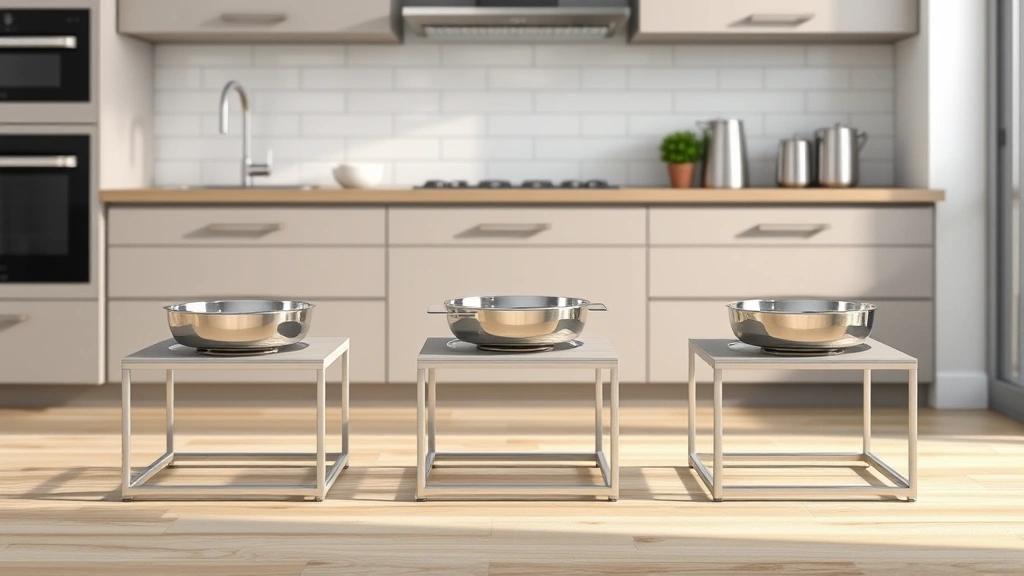
Your pets’ dining experience matters more than you’d think. Elevated feeding stations aren’t just about looking fancy (though they do)—they’re ergonomically designed to reduce strain on your pet’s neck and joints, especially important for older animals or large breeds. Multi-pet elevated stations come with separate compartments, allowing you to place different food and water bowls side by side while keeping them organized and separated. Some models feature raised platforms at different heights, perfect for households with pets of vastly different sizes. A Great Dane and a Dachshund eating at their respective comfortable heights? That’s the dream. Materials range from stainless steel to bamboo, and many are designed to catch spills and make cleanup easier than scrubbing kibble off your kitchen floor at midnight.
Microchip-Activated Feeders: Technology Meets Practicality
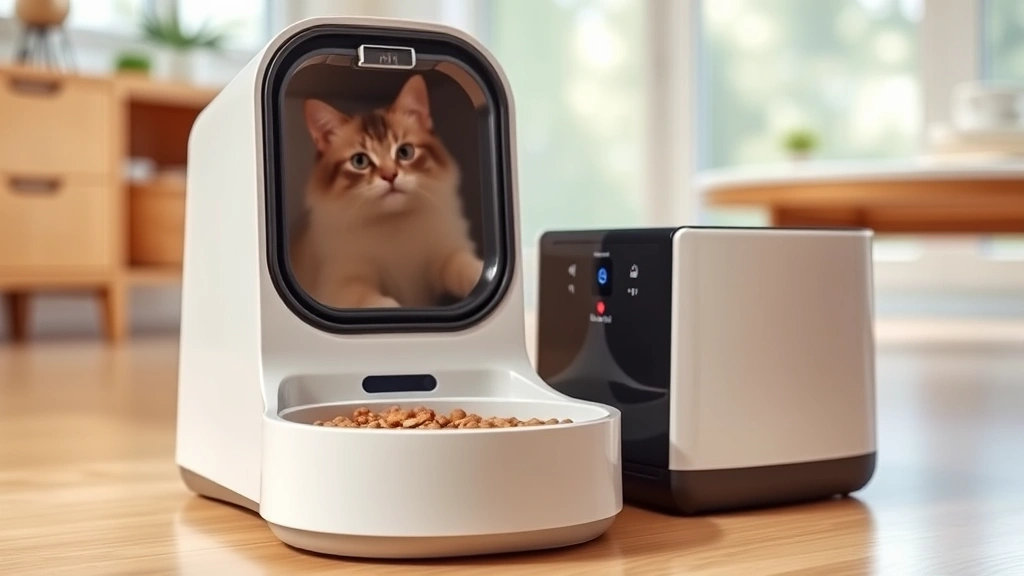
If you want to get fancy, microchip-activated feeders are where it’s at. These brilliant devices use your pet’s existing microchip (or a collar tag) to unlock a bowl that only their food is stored in. This technology is absolutely game-changing for multi-pet households because it completely eliminates the possibility of one pet stealing another’s meal. It’s like having a tiny bouncer at each food bowl. The system works by recognizing the microchip frequency and opening the lid only for the designated pet. Some models allow you to program multiple pets, set portion sizes, and even schedule feeding times. The downside? They’re pricier than standard feeders, but if you’ve got a food-stealing troublemaker in your household, the investment is worth every penny. Pet supplement starter kits often include information on how to integrate microchip feeders into a comprehensive nutrition plan.
Slow Feeders and Puzzle Bowls for Multi-Pet Harmony
Not every multi-pet feeding solution needs to be high-tech. Sometimes the simplest approach works best. Slow feeders and puzzle bowls serve multiple purposes: they slow down eating speed (preventing bloat and digestive issues), provide mental stimulation, and keep pets occupied long enough for their housemates to finish their own meals. These come in various designs—some have raised ridges that force pets to eat around obstacles, others are maze-like puzzles that dispense kibble as your pet plays. For households with pets of different eating speeds, this is clutch. Your speed-eating Labrador gets a challenging puzzle while your dainty cat enjoys her regular bowl. The added benefit? Mental enrichment reduces behavioral issues and boredom, which is especially important when you’ve got multiple pets competing for attention.
Separate Feeding Spaces: The Underrated Solution
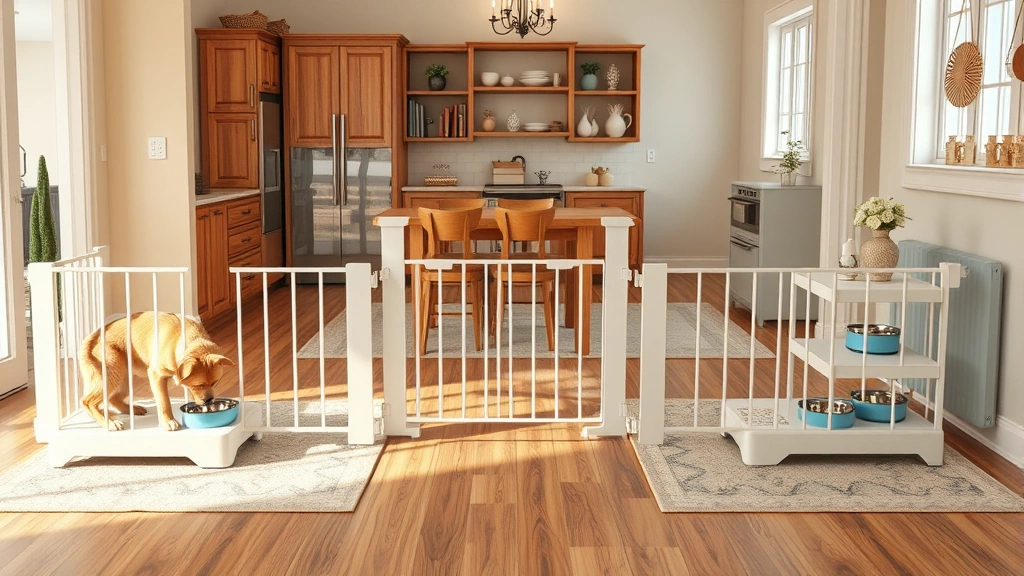
Sometimes the best pet feeding systems for multiple animals involve simple logistics rather than fancy gadgets. Creating separate feeding spaces for each pet—different rooms, different times, or even baby gates as barriers—can be incredibly effective. This approach works beautifully if you’re home regularly and can supervise meals. Set up your dog’s station in the kitchen, your cat’s in the laundry room, and your rabbit’s in the bedroom. Feed them at staggered times or simultaneously but separately. This method costs almost nothing, requires zero electricity, and puts you in complete control. Plus, it reduces stress during feeding time since each pet has their own territory. If you’re incorporating tasty pet supplements into meals, separate spaces make it easier to monitor who’s getting what.
Combination Approaches: Mixing and Matching Solutions
The best multi-pet feeding strategy often isn’t a single solution—it’s a combination. Maybe you use an automatic feeder for your dog’s breakfast, elevated bowls for lunch, and a microchip feeder for dinner. Or perhaps you have separate feeding spaces with puzzle bowls for mental enrichment. The key is understanding your specific household dynamics. Do you have a pet with special dietary needs? Is one pet significantly larger than another? Does someone have a tendency to overeat? Once you identify your pain points, you can mix and match solutions accordingly. Many pet parents find that combining an automatic feeder with separate feeding spaces gives them the best of both worlds—convenience and control.
Nutritional Considerations for Multiple-Pet Households
Here’s where it gets serious: different pets have different nutritional needs. Your senior dog needs joint support, your adult cat needs high protein, and your young puppy needs growth-supporting nutrients. This is where pet multivitamins and supplements become crucial. According to the Association of American Feed Control Officials (AAFCO), proper nutrition should be tailored to life stage and health status. Multiple pet feeding solutions should account for these differences. If you’re using automatic feeders, program different foods for different pets. If you’re using separate bowls, label them clearly. Consider incorporating liquid probiotics for pets to support digestive health across your multi-pet household. PetMD recommends consulting with your veterinarian about individual dietary needs, especially when managing multiple pets with varying requirements.
Smart Feeding Technology: The Future Is Now
Welcome to 2024, where your pet feeder can literally send you notifications. Smart feeders connect to your smartphone and allow you to monitor feeding times, portion sizes, and even receive alerts when it’s time to refill. Some models track your pet’s eating habits and weight, providing data that’s useful for veterinary appointments. WiFi-enabled feeders let you feed your pets remotely—yes, really. Stuck at work and forgot to feed your cat? No problem. These systems often include cameras so you can watch your pets eat, which is weirdly satisfying. For multi-pet households, many smart feeders allow you to set up profiles for each pet with customized portions and schedules. The downside is the initial investment and the minor existential crisis of realizing your pet feeder is smarter than you.
Budget-Friendly Options That Actually Work
Not everyone can drop $500 on a fancy feeder system, and that’s completely fine. Budget-friendly solutions exist and work surprisingly well. Stainless steel elevated bowls cost $20-40 and provide immediate benefits. Simple timers on regular feeders cost $10-15 and help with scheduling. Baby gates are $15-30 and create separate feeding spaces. Even the humble slow feeder bowl, usually under $20, solves multiple problems. The key is identifying what problem you’re actually trying to solve. If it’s food theft, a microchip feeder is worth the investment. If it’s organization, elevated stations with separate compartments are affordable. If it’s portion control, a basic automatic feeder does the job. You don’t need the most expensive system—you need the right system for your specific situation.
Maintenance and Hygiene: Keeping Feeding Systems Clean
Here’s something people don’t talk about enough: keeping feeding systems clean is crucial for pet health. Bacteria loves moist food residue, and multiple pets mean multiple opportunities for contamination. Stainless steel bowls are easier to sanitize than plastic. Automatic feeders need regular cleaning to prevent mold and bacterial growth—check the manufacturer’s recommendations. Elevated stations should have washable mats underneath to catch spills. If you’re using pet supplement storage solutions, keep them in cool, dry places and check expiration dates regularly. The American Veterinary Medical Association (AVMA) recommends washing food and water bowls daily, especially in multi-pet households where cross-contamination is a risk. A simple routine of daily washing and weekly deep cleaning keeps your feeding systems hygienic and your pets healthy.
Frequently Asked Questions
What’s the best feeding solution for a dog and cat household?
A combination approach usually works best: use elevated feeders with separate compartments to keep their bowls distinct, and consider a microchip feeder for the cat if your dog is a food thief. Cats are pickier eaters and often prefer elevated, quiet spaces, while dogs are typically less particular. Feeding them in different rooms at the same time eliminates competition and stress.
Can automatic feeders handle wet food?
Most automatic feeders are designed for dry kibble, though some newer models have refrigerated compartments for wet food. If your pets eat wet food, consider separate feeding spaces with timed supervision or look for specialized wet-food automatic feeders. Always check product specifications before purchasing.
How do I prevent my dog from eating the cat’s food?
Microchip-activated feeders are the gold standard for this problem. Alternatively, feed them in separate rooms, use elevated feeders that only the cat can access, or employ a baby gate barrier. Some pet parents use puzzle feeders to keep the dog occupied while the cat eats undisturbed.
Are smart feeders worth the investment?
For busy pet parents or those managing complex dietary needs, absolutely. The ability to monitor feeding remotely, track eating habits, and receive notifications is incredibly valuable. However, if you’re home regularly and have straightforward feeding schedules, a basic automatic feeder works just fine.
What should I consider when choosing a feeder for senior pets?
Senior pets often have specific nutritional needs and may eat more slowly. Elevated feeders reduce strain on aging joints, slow feeders accommodate reduced eating speed, and automatic feeders with smaller portions prevent overeating. Consult your veterinarian about dietary adjustments for senior pets.
How often should I clean feeding bowls and systems?
Daily washing is recommended, especially in multi-pet households. Automatic feeders should be cleaned according to manufacturer instructions, typically weekly. Inspect for mold, bacteria, or food residue regularly, and perform deep cleaning monthly.
Conclusion: Finding Your Perfect Multi-Pet Feeding System
Multiple pet feeding solutions don’t have to be complicated, but they do need to be thoughtful. Whether you’re investing in high-tech microchip feeders, creating separate feeding spaces, or combining several budget-friendly approaches, the goal is the same: keeping each pet properly nourished while maintaining household harmony. Start by identifying your specific challenges—is it food theft, portion control, scheduling, or nutritional variety? Then choose solutions that address those problems without overcomplicating your life. Remember that the best system is the one you’ll actually use consistently. Your pets don’t care if their feeder is fancy; they care that it’s reliable and their food tastes good. With the options available in 2024, you’ve got everything you need to transform mealtime from chaotic to manageable. Your future self—the one not frantically separating fighting pets at dinner time—will thank you.





