
If my dog is constipated, I know the struggle is real—and honestly, it’s way more common than you’d think. Your pup isn’t eating normally, they’re straining on walks, and you’re basically playing detective with their bathroom habits. The good news? Most cases of dog constipation are totally manageable at home with the right approach. Let’s dive into what’s causing this uncomfortable situation and how to get your furry friend back to their regular pooping schedule.
Table of Contents
- What Causes Canine Constipation in the First Place?
- Solution #1: Increase Hydration and Water Intake
- Solution #2: Add Fiber to Their Diet the Right Way
- Solution #3: Get Your Dog Moving—Exercise Matters
- Solution #4: Try Probiotics and Digestive Supplements
- Solution #5: Mild Laxatives and When to Call the Vet
- Prevention: The Long-Game Strategy
- Age Matters: Senior Dogs and Constipation
- When DIY Solutions Aren’t Enough
- Frequently Asked Questions
- Final Thoughts: Your Dog Will Feel Better Soon
What Causes Canine Constipation in the First Place?
Before we talk solutions, let’s understand why dog constipation happens. Your dog’s digestive system is pretty straightforward—food goes in, poop comes out. But when that process gets backed up, there’s usually a reason. Common culprits include dehydration (the #1 offender), low-fiber diets, lack of exercise, intestinal blockages from toys or bones, medications, or even stress. Some dogs are just naturally prone to digestive sluggishness, especially older pups or certain breeds with sensitive systems. If your dog hasn’t pooped in 2-3 days or is straining without results, it’s time to act.
Solution #1: Increase Hydration and Water Intake
This is the easiest fix and often the most effective. Dehydration is the silent killer of healthy digestion in dogs. When your pup isn’t drinking enough water, their stool becomes hard and dry—basically impossible to pass. Start by ensuring fresh water is always available, and try adding a bit of low-sodium broth to their water bowl to make it more enticing. Some dogs respond great to watermelon, which is hydrating and safe for dogs. You can also try ice cubes as a fun way to increase water intake. If your dog is really resistant to drinking, consult your vet—persistent dehydration can indicate underlying health issues.
Solution #2: Add Fiber to Their Diet the Right Way
Fiber is your secret weapon against constipation. But here’s the catch—you can’t just dump a bunch of fiber into their bowl and expect miracles. Start slowly and gradually increase it over a week to avoid digestive upset. Plain, cooked rice is good for dogs and can help firm up loose stools, but for constipation, you want soluble fiber. Pumpkin puree (not pie filling!) is a game-changer—just one or two tablespoons mixed into their food works wonders for most dogs. You can also add leafy greens like spinach or small amounts of sweet potato. The American Kennel Club recommends consulting your vet before making major dietary changes, especially if your dog has pre-existing health conditions.
Solution #3: Get Your Dog Moving—Exercise Matters
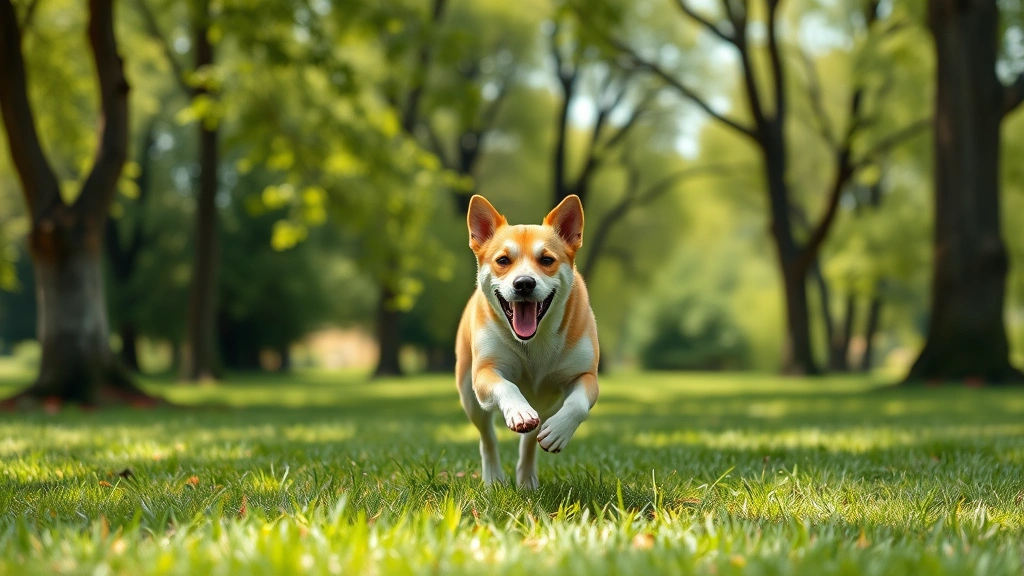
A sedentary dog is a constipated dog. Movement stimulates the digestive tract and encourages bowel movements naturally. If your pup has been cooped up inside, it’s time for more walks, playtime, or even a trip to the dog park. Even a 15-minute walk can make a difference. Older dogs or those with mobility issues might benefit from joint supplements for dogs to help them move more comfortably. The key is consistency—daily exercise isn’t just good for their digestive system, it’s good for their overall health and mental stimulation too.
Solution #4: Try Probiotics and Digestive Supplements
Your dog’s gut health is everything. Probiotics help balance the bacteria in their digestive tract, which can resolve constipation issues naturally. Look for dog-specific probiotic supplements (not human ones) and follow the dosage on the package. Goat’s milk is good for dogs and can act as a natural probiotic boost while also providing hydration. Some vets also recommend digestive enzymes or specific supplements designed for canine GI health. These work best as preventative measures, but they can also help resolve mild constipation. According to PetMD, probiotics are particularly helpful for dogs on antibiotics or those with sensitive digestive systems.
Solution #5: Mild Laxatives and When to Call the Vet
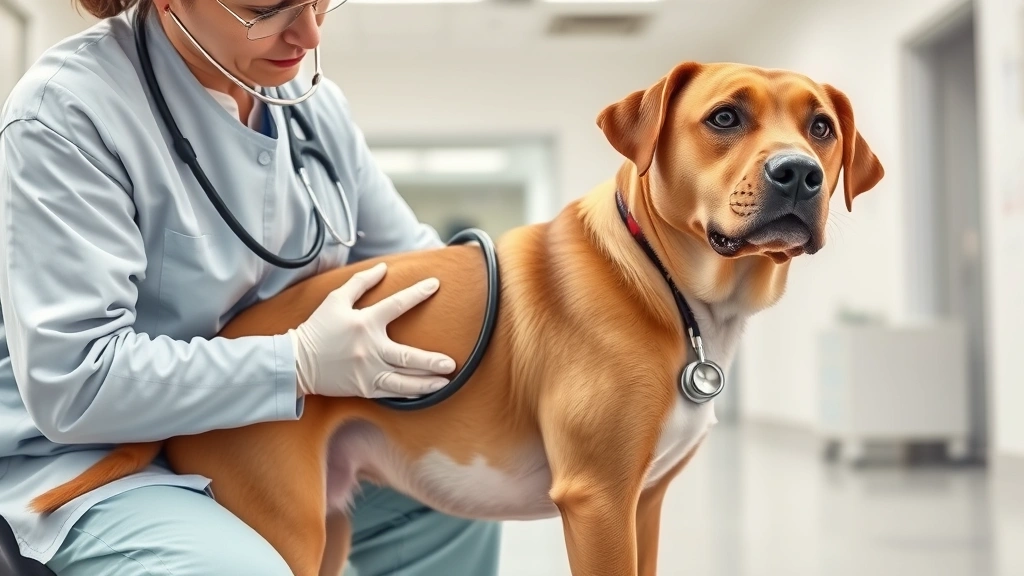
If home remedies aren’t working after 2-3 days, it’s time to consider gentle laxatives or stool softeners. Mineral oil or over-the-counter dog-specific laxatives can help, but always check with your vet first on proper dosing. Never give human laxatives without veterinary approval—some are toxic to dogs. If your dog is lethargic, vomiting, not eating, or showing signs of pain, stop experimenting at home and get to the vet immediately. These could indicate a serious blockage or other medical emergency. Your vet might perform an X-ray to rule out foreign objects or other complications.
Prevention: The Long-Game Strategy
Once you’ve resolved the immediate constipation issue, focus on prevention. Maintain consistent meal times, ensure your dog gets daily exercise, provide plenty of fresh water, and keep a balanced diet with adequate fiber. If your dog is lethargic, that could be a sign of digestive issues brewing, so address it early. Regular vet check-ups help catch digestive problems before they become serious. Some dogs are just prone to constipation, so you might need to permanently adjust their diet or exercise routine.
Age Matters: Senior Dogs and Constipation
Older dogs are more susceptible to constipation because their digestive systems slow down and they often move less. If you have a senior pup, be extra vigilant about hydration and exercise. Their metabolism is different, so they might need slightly different nutrition. Talk to your vet about age-appropriate diets and supplements. Many senior dogs benefit from smaller, more frequent meals rather than one or two large meals daily.
When DIY Solutions Aren’t Enough
Here’s the reality: sometimes my dog is constipated because of something serious like a tumor, stricture, or megacolon. If your dog isn’t responding to home remedies after 3-4 days, or if they’re showing other symptoms like weight loss, vomiting, or behavioral changes, professional help is necessary. Your vet might recommend prescription medications, enemas, or in severe cases, surgery. Don’t wait hoping it’ll resolve itself—persistent constipation can lead to serious complications.
Frequently Asked Questions
How long can a dog go without pooping before it’s considered constipation?
Generally, if your dog hasn’t had a bowel movement in 2-3 days, it’s worth investigating. However, some dogs naturally go every 1-2 days, while others go 2-3 times daily. Know your dog’s normal routine and act when there’s a significant change.
Is pumpkin puree really effective for dog constipation?
Yes! Pumpkin puree is one of the most effective home remedies for constipation in dogs. The soluble fiber helps absorb water and promotes healthy bowel movements. Use plain pumpkin puree, not pie filling, and start with 1-2 tablespoons mixed into their food.
Can I give my dog a human laxative?
Absolutely not without vet approval. Many human laxatives are toxic to dogs or can cause serious side effects. Always use dog-specific products or get explicit veterinary guidance before administering anything.
Should I be worried if my dog strains but still poops regularly?
Straining can indicate discomfort even if they’re still having bowel movements. It could suggest early constipation, parasites, or anal gland issues. Have your vet check it out to be safe.
How much water should my dog drink daily?
The general rule is about 1 ounce of water per pound of body weight daily, though this varies based on diet, activity level, and climate. Fresh water should always be available.
Are certain dog breeds more prone to constipation?
Some breeds, particularly those with shorter digestive tracts or certain health predispositions, can be more prone to constipation. Older dogs and those with previous digestive issues are also at higher risk.
Final Thoughts: Your Dog Will Feel Better Soon
Dealing with a constipated dog is frustrating, but it’s usually fixable. Start with the simple stuff—more water, more movement, and dietary adjustments. Most cases resolve within days using these proven methods. If your pup isn’t improving or you’re seeing concerning symptoms, don’t hesitate to contact your vet. They can rule out serious issues and provide professional guidance. Remember, a healthy digestive system means a happy, comfortable dog, and that’s what we’re all after.





