

If my dog keeps throwing up, I’m probably losing my mind right now—and honestly, you’re not alone. Watching your furry best friend hurl their breakfast all over your favorite rug is about as fun as a root canal performed by an overeager squirrel. But here’s the good news: vomiting in dogs is usually fixable, and we’re going to walk through exactly what’s causing it and how to make it stop.
Table of Contents
- Why Is My Dog Throwing Up So Much?
- Solution #1: Slow Down Mealtime (Seriously, Slow It Down)
- Solution #2: Switch to a High-Quality, Easily Digestible Diet
- Solution #3: Rule Out Parasites and Infections
- Solution #4: Manage Stress and Anxiety
- Solution #5: Implement Fasting and Bland Food Protocol
- When Should You Call the Vet?
- Prevention Tips to Keep Vomiting at Bay
- The Bottom Line: Your Dog Doesn’t Have to Keep Throwing Up
- Frequently Asked Questions
Why Is My Dog Throwing Up So Much?
Before we jump into solutions, let’s talk about why dogs keep throwing up in the first place. Your pup’s digestive system is like a finely-tuned machine, except when it’s not. Vomiting can happen for a bunch of reasons—some minor, some serious. The key is figuring out which camp your dog falls into.
Common culprits include eating too fast, food sensitivities, dietary indiscretions (fancy term for “ate something dumb”), parasites, infections, or even stress. Sometimes it’s as simple as switching dog food too quickly. Other times, it’s your dog treating your trash can like an all-you-can-eat buffet.
Solution #1: Slow Down Mealtime (Seriously, Slow It Down)
One of the easiest fixes? Make your dog eat like they’re at a fancy restaurant, not a competitive eating contest. Dogs who gobble their food like it’s their last meal often throw up shortly after because their stomach can’t keep up with the intake speed.
Try using a slow-feeder bowl with compartments or obstacles that force your pup to work around them. You can also hand-feed portions or use puzzle feeders. If your dog has diarrhea but is acting fine alongside vomiting, the eating speed might be the culprit for both issues.
Pro tip: Elevate the food bowl slightly. Some vets recommend feeding stations that put the bowl at chest height, which can reduce the amount of air your dog swallows while eating.
Solution #2: Switch to a High-Quality, Easily Digestible Diet
Your dog’s food might be the villain in this story. Low-quality kibble loaded with fillers and artificial ingredients can wreak havoc on sensitive digestive systems. If my dog keeps throwing up after meals, the first place to look is the ingredient list on their food bag.
Consider switching to a limited-ingredient diet or low protein dog food if your vet recommends it. Some dogs do better with fresh, whole-food diets or prescription digestive formulas. The transition is crucial though—mix the new food with the old over 7-10 days to avoid digestive upset.
According to the American Kennel Club’s nutrition guidelines, high-quality proteins and balanced nutrition are essential for digestive health. If your pup’s current food reads like a chemistry experiment, it’s time for an upgrade.
Solution #3: Rule Out Parasites and Infections
Parasites are the unwanted roommates nobody asked for. Roundworms, hookworms, and giardia can all cause vomiting in dogs, especially younger pups. If your dog keeps throwing up and you haven’t done a recent parasite check, head to the vet for a fecal exam.

Bacterial or viral infections can also trigger vomiting. These usually come with other symptoms like lethargy, diarrhea, or loss of appetite. Your vet can run blood work or other diagnostics to rule out infections. Don’t try to diagnose this one yourself—leave it to the pros.
Regular parasite prevention is your best defense here. Keep your dog on a monthly preventative recommended by your vet, and you’ll avoid a lot of headaches (and vomit).
Solution #4: Manage Stress and Anxiety
Believe it or not, dogs can get stressed out, and stress can absolutely cause vomiting. Changes in routine, new pets, loud noises, or separation anxiety can all trigger nausea in your pup. If the vomiting seems to happen during stressful situations, this might be your answer.
Try creating a calm environment for your dog with a safe space, consistent routines, and calming supplements if recommended by your vet. Some dogs benefit from anxiety medication or behavioral training. Exercise is also huge—a tired dog is usually a less anxious dog.
Solution #5: Implement Fasting and Bland Food Protocol
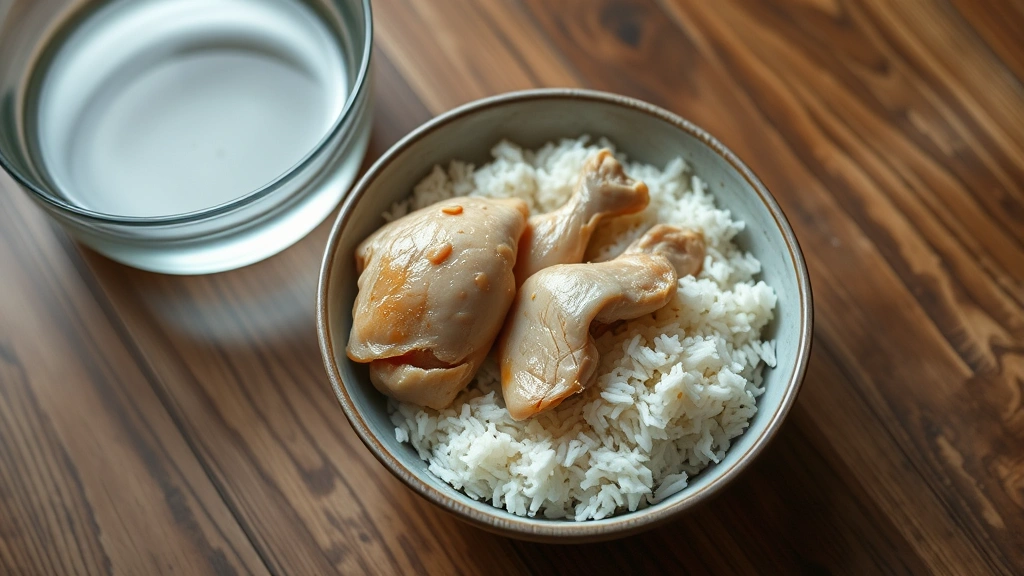
When dogs keep throwing up, sometimes the best medicine is giving their stomach a break. A 12-24 hour fast (with your vet’s approval) can help reset their digestive system. Follow this with bland foods like plain boiled chicken and rice for a few days.
Avoid anything spicy, fatty, or unusual during recovery. No table scraps, no tomato sauce, no random treats. Keep it boring and digestible. Gradually reintroduce their regular food over several days as their stomach improves.
Many vets also recommend Pepto Bismol for dogs or similar digestive aids, but always check with your veterinarian first before giving any medications.
When Should You Call the Vet?
Not all vomiting is created equal. If your dog is throwing up multiple times a day, won’t eat or drink, appears lethargic, or if the vomit contains blood or looks like coffee grounds, get to the vet immediately. These can be signs of serious conditions like pancreatitis, bloat, or foreign object obstruction.
Puppies and senior dogs should be evaluated sooner rather than later since they’re more vulnerable to complications. When in doubt, call your vet—they’d rather you be cautious than have something serious slip through the cracks.
Prevention Tips to Keep Vomiting at Bay
Once you’ve solved the vomiting mystery, keep it solved. Stick with consistent feeding schedules, high-quality food, and regular vet checkups. Prevent your dog from eating things they shouldn’t by keeping trash secured and toxic foods out of reach.
Consider moist and meaty dog food options if your dog prefers them and tolerates them well—just make sure they’re quality brands. Keep parasite prevention current, manage stress, and maintain a healthy weight through proper diet and exercise.
The Bottom Line: Your Dog Doesn’t Have to Keep Throwing Up
If my dog keeps throwing up, it’s frustrating, messy, and genuinely concerning. But in most cases, it’s totally manageable once you identify the root cause. Start with the easy fixes—slow feeding, diet quality, and stress management—then move to veterinary diagnostics if needed.
Your dog depends on you to keep them healthy and happy. With a little detective work and your vet’s guidance, you’ll have your pup feeling better in no time. And your carpet will thank you.
Frequently Asked Questions
Is it normal for dogs to throw up?
Occasional vomiting can happen, but frequent vomiting is not normal and warrants a vet visit. If your dog throws up once every few months, it’s usually not a big deal. If it’s happening weekly or multiple times per week, something needs to change.
Can I give my dog over-the-counter medication for vomiting?
Not without vet approval. While some over-the-counter options exist, they can mask serious underlying problems. Always consult your veterinarian before giving any medication. What works for one dog might be harmful for another.
How long should I fast my dog if they’re throwing up?
A 12-24 hour fast is typical, but this depends on your dog’s age, health status, and the severity of vomiting. Puppies and senior dogs shouldn’t fast as long. Always get your vet’s specific recommendation before fasting your dog.
Can food allergies cause vomiting?
Absolutely. Food sensitivities and allergies are common vomiting culprits in dogs. Common triggers include chicken, beef, dairy, wheat, and corn. An elimination diet or prescription limited-ingredient food can help identify the problem.
What does it mean if my dog’s vomit is yellow?
Yellow or greenish vomit usually indicates bile, which means your dog’s stomach is empty. This often happens when dogs eat too quickly or haven’t eaten in a while. It can also indicate more serious issues, so mention it to your vet.





