

Let’s be real—finding a natural flea repellent for dogs that actually works is like searching for a needle in a haystack, except the haystack is itchy and keeps scratching your furniture. But here’s the good news: Mother Nature has some seriously effective tricks up her sleeve, and we’re about to spill all the secrets.
Table of Contents
- Why Natural Flea Prevention Matters for Your Dog
- Diatomaceous Earth: The Tiny Warrior Against Fleas
- Apple Cider Vinegar: The Acidic Flea Deterrent
- Lavender Oil: Fragrant and Functional (With Caution)
- Thyme and Herbal Flea Deterrents
- Cedar and Natural Wood Repellents
- Neem Oil: The Ancient Insecticide
- Lemon Juice and Citrus Solutions
- Garlic: The Controversial Flea Fighter
- Beneficial Nematodes: The Biological Approach
- Dietary Supplements and Internal Flea Defense
- Grooming and Environmental Control
- Frequently Asked Questions
- Conclusion: Your Natural Flea Defense Strategy
Fleas are basically tiny vampires that have somehow convinced themselves they deserve a permanent residence on your dog’s body. They multiply faster than rabbits, cause itching that would drive a saint crazy, and can transmit diseases. If you’re looking to avoid harsh chemicals while keeping your furry friend flea-free, you’ve landed in the right place.
Why Natural Flea Prevention Matters for Your Dog
Before we dive into solutions, let’s talk about why you might want to skip the chemical-laden treatments. Chemical flea medications can work wonders, but they also come with potential side effects—everything from skin irritation to neurological concerns in sensitive pups. Natural flea repellents offer a gentler alternative that many dog owners swear by.
The beauty of natural options is that they often work with your dog’s body rather than against it. Plus, they’re usually safer around kids, other pets, and the environment. That said, natural doesn’t always mean “harmless,” so we’ll cover safety considerations throughout.
Diatomaceous Earth: The Tiny Warrior Against Fleas
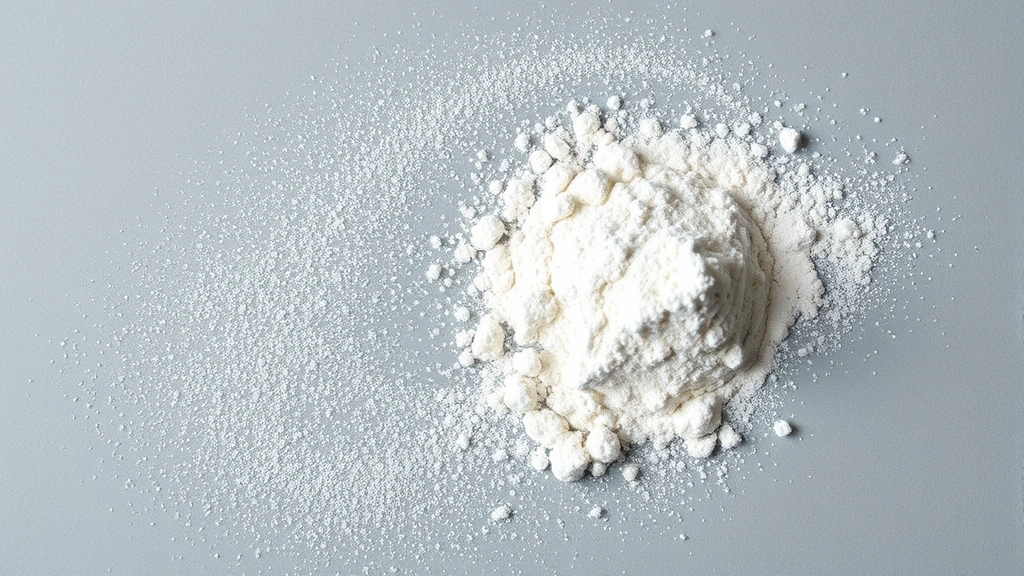
Food-grade diatomaceous earth (DE) is like tiny glass shards to fleas—except it’s completely safe for your dog when used correctly. This powdery substance damages the flea’s exoskeleton, causing dehydration and death. It’s been used for decades and remains one of the most popular natural flea repellent options.

To use it, dust the powder directly onto your dog’s coat, working it down to the skin. You can also sprinkle it around your home, yard, and dog bedding. The key word here is “food-grade”—never use pool-grade DE, which is toxic. For more detailed safety information, check out our guide on whether diatomaceous earth is safe for dogs.
Application frequency varies, but most owners reapply every 1-2 weeks during flea season. One pro tip: wear a mask when applying to avoid inhaling particles yourself.
Apple Cider Vinegar: The Acidic Flea Deterrent
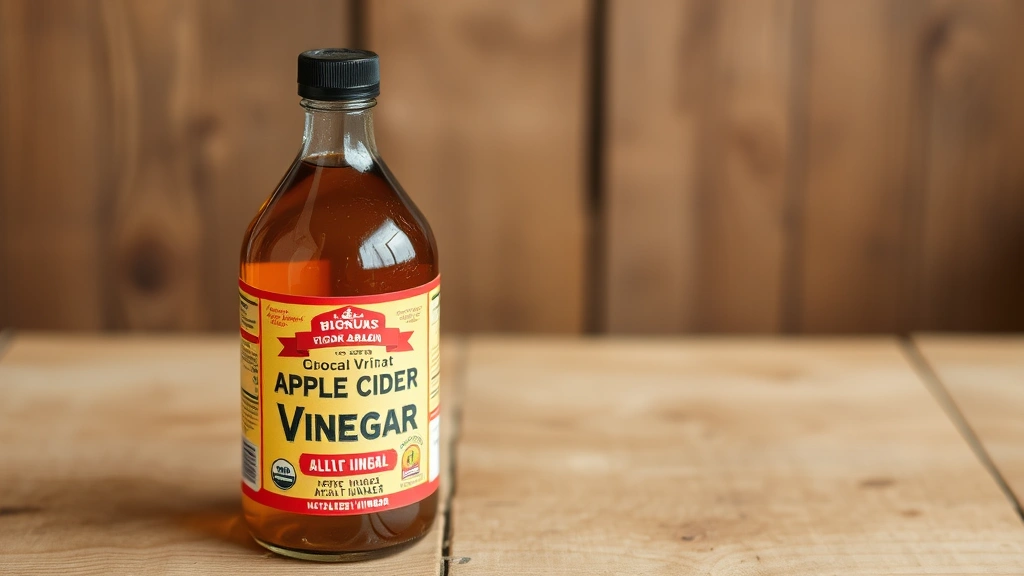
Apple cider vinegar (ACV) makes your dog’s skin slightly acidic, which fleas absolutely hate. It’s one of the easiest natural flea repellent solutions because you probably already have it in your kitchen. The theory is that fleas prefer a more alkaline environment, so ACV shifts the balance in your favor.
You can add a tablespoon of raw, unfiltered apple cider vinegar to your dog’s water bowl daily, or create a spray by mixing equal parts ACV and water. Spray it onto your dog’s coat a few times per week. Some owners also use it as a rinse after baths.

The downside? Some dogs find the taste or smell off-putting, and it won’t kill fleas that are already present—it’s more of a preventative measure. Also, avoid it if your dog has any skin wounds or sensitivities.
Lavender Oil: Fragrant and Functional (With Caution)
Lavender is a natural flea repellent that smells amazing and can help calm anxious pups. However—and this is important—essential oils require serious caution with dogs. Never apply lavender oil directly to your dog’s skin, as it can cause irritation or toxicity.
The safest approach is to dilute lavender essential oil heavily (one drop per ounce of carrier oil) or use dried lavender sachets placed around your dog’s sleeping area. You could also look into lavender-infused dog shampoos specifically formulated for canines. Want more details? Read our article on whether lavender is bad for dogs.
Better yet, consider fresh or dried lavender plants in your yard. The plant itself repels fleas without the toxicity risks of concentrated oils.
Thyme and Herbal Flea Deterrents
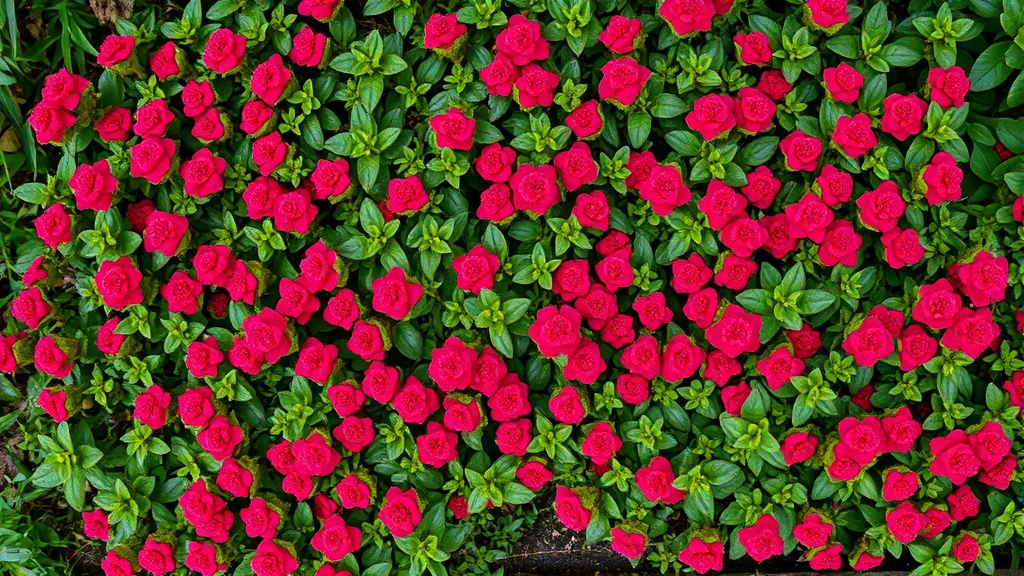
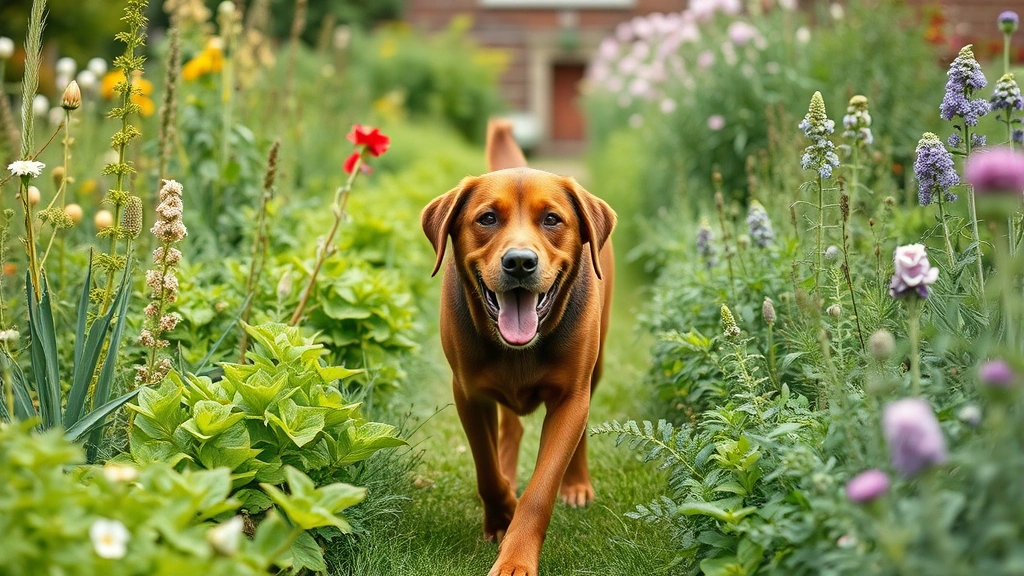
Thyme is a powerhouse herb that repels fleas naturally. Red creeping thyme is particularly effective and can be grown right in your yard as a living flea barrier. Dogs walking through thyme-planted areas pick up the herb’s oils, which discourage fleas from settling in.
You can also brew a thyme tea, let it cool completely, and use it as a rinse after bathing. Some owners add dried thyme to their dog’s food (in small amounts), though you should check with your vet first. For safety specifics, check out our guide on whether red creeping thyme is safe for dogs.
Other herbal allies include rosemary, oregano, and mint. These can be used similarly—as teas, dried additions to bedding, or grown in your yard.
Cedar and Natural Wood Repellents
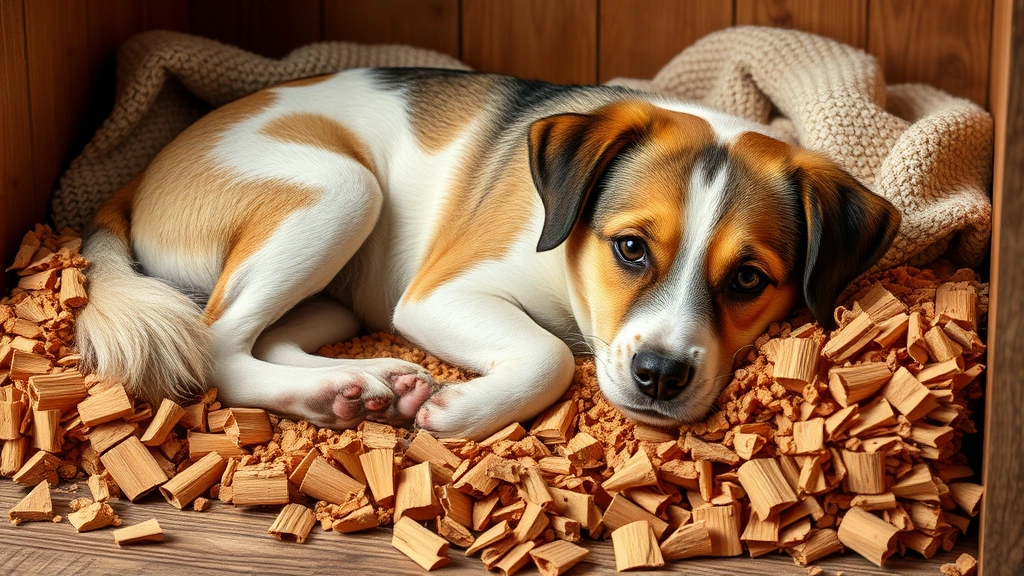
Cedar has been used for centuries as a natural flea repellent. The aroma is pleasant to humans but absolutely unbearable for fleas. You can use cedar chips in your dog’s bedding, cedar-lined dog beds, or even cedar-scented sprays designed for dogs.
The catch? Cedar’s effectiveness diminishes over time as the scent fades. You’ll need to replace cedar chips every few weeks and refresh cedar bedding regularly. Also, some sources suggest that cedar oil (the concentrated version) can be irritating, so stick with cedar chips or wood products rather than essential oils.
Neem Oil: The Ancient Insecticide
Neem oil comes from the neem tree and has been used in traditional medicine for thousands of years. It disrupts the flea’s hormones and prevents them from reproducing—basically, it’s nature’s birth control for parasites.
Mix neem oil with a carrier oil (never apply it directly) and apply it to your dog’s coat, or use neem-based dog shampoos. The smell is… let’s call it “earthy and strong,” but it works. Apply once or twice weekly during flea season.
According to the American Kennel Club, neem has shown promise in flea prevention, though results can vary. Always dilute properly and test on a small area first to ensure your dog doesn’t have sensitivities.

Lemon Juice and Citrus Solutions
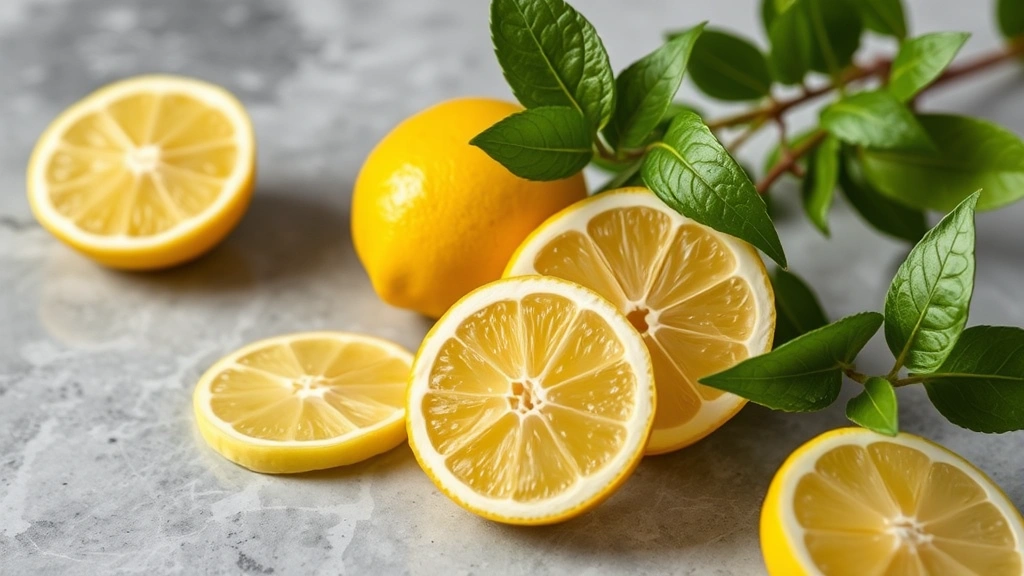
Citrus fruits contain d-limonene, a compound that’s toxic to fleas but relatively safe for dogs when used properly. Fresh lemon juice or citrus-based sprays can work as a natural flea repellent when diluted correctly.
Create a citrus spray by boiling sliced lemons in water, letting it cool overnight, and spraying it onto your dog’s coat. Alternatively, use commercial citrus-based flea sprays formulated specifically for dogs. Never apply undiluted lemon juice directly to your dog’s skin, as it can cause irritation.
The advantage here is that fleas absolutely hate the smell and taste. The disadvantage is that citrus sprays need frequent reapplication and won’t eliminate an existing infestation.
Garlic: The Controversial Flea Fighter
Garlic has a reputation as a natural flea repellent, and there’s some truth to it—fleas hate the smell. However, garlic is also mildly toxic to dogs in large quantities because it contains compounds that can damage red blood cells. This makes garlic a controversial choice.
If you want to try garlic, use it sparingly—a tiny amount added to food occasionally, not daily. Many vets recommend skipping garlic entirely and choosing safer alternatives. The risk-to-benefit ratio just isn’t worth it when you have other effective options available.
Beneficial Nematodes: The Biological Approach
Here’s where things get science-y in a good way. Beneficial nematodes are microscopic organisms that attack flea larvae in your yard. They’re completely harmless to dogs, humans, and beneficial insects, but absolutely devastating to flea pupae.
You can purchase beneficial nematodes online and apply them to your yard according to package instructions. They work best in moist soil and shaded areas where fleas like to hang out. This is an excellent preventative strategy because it reduces the flea population before they even reach your dog.
Dietary Supplements and Internal Flea Defense
A healthy immune system is your dog’s best defense against parasites. Supplements like milk thistle for dogs support liver function and overall health, which can improve your dog’s ability to resist flea infestations. Omega-3 fatty acids also promote skin health, making your dog’s coat less attractive to fleas.
Consider feeding your dog a high-quality diet with plenty of antioxidants. Limited ingredient dog food can be particularly helpful if your dog has food sensitivities that weaken their immune system. A strong, healthy dog is a flea-resistant dog.
Always consult your vet before adding supplements, especially if your dog is on medications.
Grooming and Environmental Control
Sometimes the best natural flea repellent is simple cleanliness. Regular bathing with a gentle, flea-repellent dog shampoo removes fleas and their eggs. Frequent brushing helps you spot fleas early and manually remove them.
Don’t forget the environment—wash your dog’s bedding weekly in hot water, vacuum frequently (and dispose of the vacuum bag), and keep your yard tidy. Fleas love tall grass and debris, so mow regularly and remove leaf litter. A clean home is a flea-free home.
According to PetMD, environmental control is just as important as topical treatments when dealing with flea infestations.
Frequently Asked Questions
What is the most effective natural flea repellent for dogs?
Food-grade diatomaceous earth is generally considered the most effective natural option because it actually kills fleas rather than just repelling them. However, effectiveness varies by dog and situation. Many owners find the best results come from combining multiple methods—like DE plus apple cider vinegar plus beneficial nematodes in the yard.
Can I use essential oils directly on my dog’s skin?
No. Essential oils are highly concentrated and can cause skin irritation, toxicity, or other serious issues in dogs. Always dilute essential oils significantly (at least 1:30 ratio with carrier oil) or choose products specifically formulated for dogs. When in doubt, skip essential oils entirely and use safer alternatives.
How long does it take for natural flea repellents to work?
It depends on the method. Diatomaceous earth can kill fleas within 48 hours of contact. Apple cider vinegar takes weeks to build up in the system. Preventative methods like beneficial nematodes work best before fleas arrive. For an existing infestation, expect 2-4 weeks of consistent treatment with natural methods.
Are natural flea repellents safe for puppies?
Most natural options are safer than chemicals, but not all are appropriate for puppies. Diatomaceous earth is generally safe for puppies over 8 weeks old. Apple cider vinegar can be used for puppies but in smaller amounts. Always check with your vet before treating a puppy, as their systems are still developing.
Will natural flea repellents eliminate an existing infestation?
Natural repellents work best as preventatives. For an active, severe infestation, you might need to combine natural methods with veterinary treatment. Talk to your vet about the best approach for your situation—sometimes a prescription medication followed by natural maintenance is the smartest strategy.
How often should I apply natural flea repellents?
Frequency varies by method. Diatomaceous earth needs reapplication every 1-2 weeks. Apple cider vinegar is daily. Cedar chips need refreshing every 2-3 weeks. Citrus sprays might need weekly application. Read specific product instructions and adjust based on your dog’s activity level and exposure risk.
Conclusion: Your Natural Flea Defense Strategy
Finding the right natural flea repellent for dogs is about understanding your options and being willing to experiment a bit. What works for one dog might not work for another, so don’t get discouraged if your first attempt isn’t perfect.

The most successful approach combines multiple methods: use diatomaceous earth on your dog, apple cider vinegar in their water, beneficial nematodes in your yard, and thyme or cedar in their bedding. Keep your dog healthy with good nutrition and regular grooming. Stay consistent during flea season.
Remember that natural doesn’t mean “never talk to your vet.” If your dog has a severe infestation or health issues, prescription flea prevention might be the right choice. But for prevention and mild cases, these natural solutions can keep your pup flea-free without harsh chemicals.
Your dog will thank you—and so will your furniture, which will finally get a break from all that scratching.





