
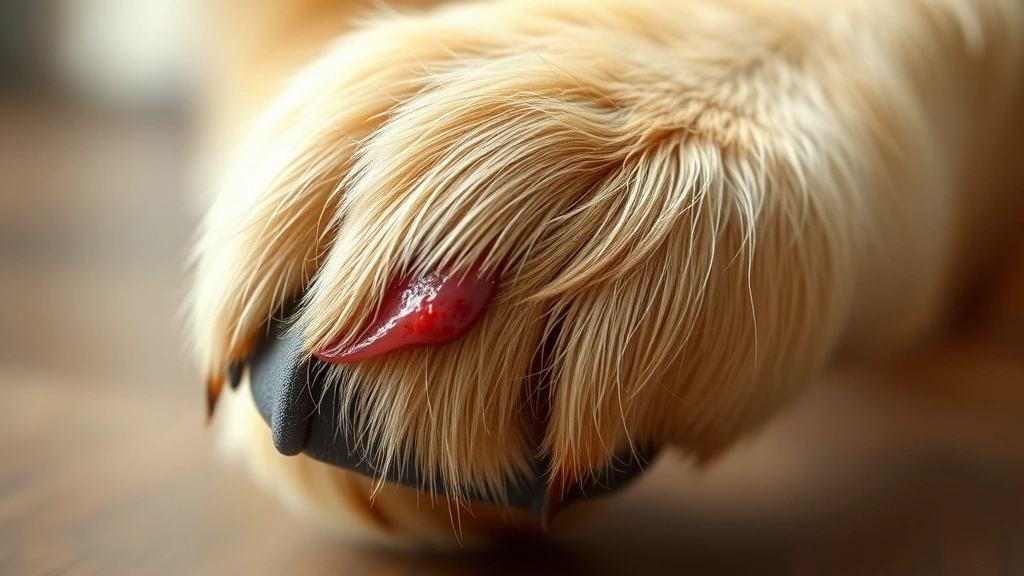
So your pup got a scrape, and you’re standing in your bathroom staring at that tube of neosporin on dogs wondering if it’s actually okay to slap some on Fido’s wound. Great question! Let’s cut through the confusion because this is one of those topics where pet parents get wildly different advice from their neighbors, their vet, and random people on the internet.
Table of Contents
- What Exactly Is Neosporin and How Does It Work?
- Is Neosporin Safe for Dogs? The Short Answer
- Why Vets Often Recommend Alternatives Instead
- When Can You Safely Use Neosporin on Your Dog?
- How to Apply Neosporin Safely to Your Dog’s Wound
- Potential Side Effects and Risks to Watch For
- Better Alternatives to Neosporin for Dogs
- Special Considerations for Different Dog Breeds
- When to Call Your Vet Instead of DIY Treatment
- Storage and Safety Tips for Neosporin at Home
- Frequently Asked Questions
- The Bottom Line: Is Neosporin Right for Your Dog?
What Exactly Is Neosporin and How Does It Work?
Neosporin is a topical antibiotic ointment that contains three active ingredients: neomycin, bacitracin, and polymyxin B. These antibiotics work together like a tiny security team for your dog’s skin, fighting off bacterial infections before they become a bigger problem. It’s been around forever—your grandma probably used it on her scraped knees in the 1970s—and it’s one of the most common first-aid products in American households.
The ointment creates a protective barrier over the wound while the antibiotics do their microscopic work. It’s designed to prevent infection and promote healing, which sounds perfect for your furry friend’s minor cuts and scrapes.
Is Neosporin Safe for Dogs? The Short Answer
Here’s the thing: neosporin on dogs is generally considered safe in small amounts for minor wounds, but—and this is a big but—it’s not the first choice most vets recommend. The main concern isn’t that it’s toxic or dangerous; it’s that dogs have a tendency to lick everything off their skin, and ingesting neosporin isn’t ideal.
The bacitracin and polymyxin B are usually fine, but neomycin can cause issues if your dog ingests too much of it. Some pups are also sensitive to the petroleum jelly base, which can cause mild digestive upset if licked off in significant quantities.
Why Vets Often Recommend Alternatives Instead
Your vet might give you the side-eye when you mention using neosporin because they’ve got better options in their arsenal. One of the biggest reasons is that triple antibiotic ointment safe for dogs isn’t always the most effective choice compared to veterinary-specific products.
Vets often prefer prescription antibiotic ointments like mupirocin, which is specifically formulated for canine skin and has better absorption rates. They might also recommend chlorhexidine or other antiseptic solutions that work faster and are less likely to be problematic if ingested. Plus, these alternatives are designed with dogs’ skin pH in mind, whereas neosporin is formulated for human skin.
When Can You Safely Use Neosporin on Your Dog?
If you’ve already got it in your medicine cabinet and your dog has a minor wound, here’s when it’s reasonably safe to use:
- Minor cuts and scrapes: Small superficial wounds that aren’t deep or heavily bleeding
- Post-surgical sites: Only if your vet specifically approves it—many vets have their own post-op protocols
- Dry skin patches: Though there are better options for this
- Paw pad abrasions: When your dog’s been running on rough surfaces
The key is keeping the amount minimal and preventing your pup from licking it off. If your dog is a compulsive licker (and let’s be honest, most are), skip the neosporin entirely.
How to Apply Neosporin Safely to Your Dog’s Wound
If you decide to use it, follow these steps to minimize risk:
- Clean first: Gently wash the wound with lukewarm water and mild soap. Pat dry completely.
- Apply sparingly: Use just enough to coat the wound—a thin layer is all you need.
- Prevent licking: This is crucial. Cover the area with a bandage or consider an Elizabethan collar if it’s somewhere your dog can reach.
- Monitor closely: Watch for any signs of irritation, excessive redness, or swelling.
- Reapply carefully: Only reapply once or twice daily maximum.
- Know when to stop: If the wound isn’t improving within a few days, call your vet.
Honestly, the prevention part is where most people fail. Dogs are basically furry lick-machines, and keeping them from attacking a freshly treated wound is like asking a toddler to ignore candy.
Potential Side Effects and Risks to Watch For
While neosporin is generally safe, keep an eye out for these potential issues:
Allergic reactions: Some dogs are sensitive to one of the ingredients. Signs include increased redness, swelling, hives, or itching around the application area.
Ingestion issues: If your dog licks off significant amounts, they might experience mild vomiting, diarrhea, or loss of appetite.

Neomycin sensitivity: Some dogs have specific sensitivities to neomycin, which can cause contact dermatitis.
Delayed healing: Ironically, for some dogs, neosporin can actually slow healing if there’s an underlying sensitivity.
If you notice any of these symptoms, wash off the ointment immediately and contact your vet.
Better Alternatives to Neosporin for Dogs
Your vet probably has several alternatives they’d rather you use. Here are the heavy hitters:
Chlorhexidine solution: An antimicrobial that’s excellent for wound cleaning and doesn’t taste great (so dogs are less likely to lick it obsessively).
Veterinary-prescribed antibiotic ointments: Mupirocin or other vet-formulated products are designed specifically for canine skin.
Hydrogel wound dressings: These keep wounds moist (which promotes healing) while preventing contamination.
Honey-based products: Manuka honey has antimicrobial properties and is safe if ingested in small amounts.
Medicated products: If your dog has a skin condition like mange or dermatitis, medicated dog shampoo might be more appropriate than topical ointments. For conditions like mange on dogs, you’ll definitely need veterinary guidance rather than over-the-counter solutions.
Special Considerations for Different Dog Breeds
Some breeds are more prone to skin issues and might react differently to neosporin. Dogs with compromised skin barriers, like those prone to allergies or with sensitive skin, should probably skip it entirely. Breeds with skin folds (like Bulldogs or Shar-Peis) are especially vulnerable to moisture-related issues, so a petroleum-based ointment might trap moisture and cause problems.
Senior dogs might have more delicate skin and could be more prone to irritation. Puppies are often more curious about licking things, so keeping neosporin away from them is even more important.
When to Call Your Vet Instead of DIY Treatment
Forget the neosporin and call your vet if:
- The wound is deep, gaping, or won’t stop bleeding
- There are signs of infection (swelling, pus, warmth, foul odor)
- Your dog was bitten by another animal
- The wound is on the face, eye, or near sensitive areas
- Your dog has a compromised immune system
- The wound isn’t healing after a week
- Your dog is obsessively licking the wound despite your best efforts
Vets have better tools, better medications, and the ability to actually examine the wound properly. Sometimes what looks like a minor scrape is actually more serious than it appears.

Storage and Safety Tips for Neosporin at Home
If you keep neosporin in your home medicine cabinet, store it properly:
- Keep it in a cool, dry place away from direct sunlight
- Make sure it’s out of reach of curious dogs and kids
- Check the expiration date—expired ointment loses effectiveness
- Don’t use it if it’s changed color or consistency
- Never share tubes between family members (bacteria transfer)
And seriously, if your dog somehow eats the entire tube, call your vet or poison control. While it’s unlikely to be life-threatening, they should know about it.
Frequently Asked Questions
Can I use regular Neosporin on my dog, or do I need the pet version?
Regular Neosporin is generally okay for minor wounds, though some versions contain additional ingredients like pain relievers (lidocaine) that you should avoid. If you see “plus pain relief” on the label, skip it. The regular triple antibiotic formula is the safest option if you’re going to use it at all.
What if my dog licks off the Neosporin?
Small amounts are unlikely to cause serious harm, but if your dog ingests a significant quantity, watch for vomiting, diarrhea, or loss of appetite. Call your vet if symptoms develop. This is why prevention (bandages, cones) is so important.
How long should I leave Neosporin on my dog’s wound?
Most wounds only need topical treatment for a few days. If you’re using neosporin, apply it once or twice daily for 3-5 days maximum. If the wound isn’t improving by then, see your vet for better options.
Is Neosporin safe for puppies?
While it’s not toxic, puppies are notorious for licking everything, making them higher risk for ingestion issues. It’s better to use alternatives or keep wounds covered with bandages instead.
Can Neosporin be used on infected wounds?
No. If a wound is already infected (showing pus, excessive swelling, or foul odor), see your vet immediately. Neosporin isn’t strong enough for active infections, and your dog needs prescription antibiotics.
What’s the difference between Neosporin and antibiotic ointments made for dogs?
Vet-formulated products are designed with canine skin pH and absorption rates in mind. They’re often more effective and less likely to cause issues if ingested. They’re the better choice if available, though they require a vet prescription.
The Bottom Line: Is Neosporin Right for Your Dog?
Here’s the honest truth: neosporin on dogs is safe in small amounts for minor wounds, but it’s not the ideal choice. It’s not dangerous, but there are better options available. If your dog has a minor scrape and you’ve already got neosporin in your medicine cabinet, using a tiny amount while preventing licking is unlikely to cause problems. However, if you’re buying something specifically for your dog’s wound care, talk to your vet about better alternatives like safer topical treatments that are formulated with your pup’s needs in mind.
The real key to wound care in dogs is prevention and monitoring. Keep wounds clean, prevent licking, and watch for signs of infection. When in doubt, call your vet—they’ve got better stuff in their office anyway, and a quick phone call might save you from a bigger problem down the road.
Your dog depends on you to make the right call, and sometimes the right call is letting the professionals handle it. No shame in that game.





