

Whether your furry friend is a cat, dog, or something in between, understanding nighttime feeding necessity can be the difference between a peaceful night and a 3 AM feeding frenzy. Let’s dig into why some pets need that late-night snack and how to figure out if your buddy is one of them.
Table of Contents
- Why Nighttime Feeding Necessity Matters for Your Pet
- Puppies and Kittens: The Nighttime Feeding Reality
- Adult Dogs and the Nighttime Feeding Necessity Debate
- Cats: Nocturnal Hunters and Feeding Patterns
- Senior Pets and Nighttime Feeding Considerations
- Health Conditions That Require Nighttime Feeding
- Signs Your Pet Might Need Nighttime Feeding
- Practical Tips for Implementing Nighttime Feeding
- Avoiding Overfeeding During Nighttime Meals
- When to Consult Your Veterinarian
- Frequently Asked Questions
- Conclusion: Finding Your Pet’s Nighttime Feeding Sweet Spot
Why Nighttime Feeding Necessity Matters for Your Pet
Here’s the thing: not all pets are created equal when it comes to eating schedules. Some animals have metabolisms that would make a hummingbird jealous, while others can go hours without food. The nighttime feeding necessity really depends on your pet’s age, species, activity level, and overall health. Young puppies and kittens, for instance, absolutely need frequent meals throughout the day and sometimes even at night because their tiny bodies burn through calories like a furnace on overdrive.
Older pets, senior cats, and those with certain health conditions might also require evening meals. It’s not just about keeping them fed—it’s about maintaining stable blood sugar levels, supporting their metabolism, and preventing them from waking you up at 2 AM because they’re starving. Check out our guide on feeding schedules for pets to understand the broader context of meal timing.
Puppies and Kittens: The Nighttime Feeding Reality
If you’ve got a young pup or kitten, buckle up—nighttime feeding necessity is absolutely real for you. These little furballs have stomachs the size of walnuts and need to eat every 3-4 hours, sometimes even more frequently. A 2-month-old puppy might need four meals a day, while a 3-month-old could potentially go down to three. But here’s where it gets tricky: even with daytime meals, they might still need a nighttime feeding.
The good news? This phase doesn’t last forever. By the time your pet hits 6 months old, you can often transition to a more manageable schedule. The bad news? You might lose some sleep in the meantime. Many vets recommend setting an alarm for at least one nighttime feeding during those early months to ensure your young pet gets adequate nutrition.
Adult Dogs and the Nighttime Feeding Necessity Debate
Once your dog reaches adulthood (usually around 12-18 months), the nighttime feeding necessity becomes less critical. Most adult dogs thrive on two meals a day—one in the morning and one in the evening. However, some owners swear by adding a light snack before bedtime, especially if their pup is particularly active or has a fast metabolism.
The key is consistency. Whether you choose to do nighttime feeding or not, stick with your decision. Dogs are creatures of habit, and their digestive systems work best on a predictable schedule. If you’re trying to decide between different approaches, our article on free feeding vs scheduled feeding breaks down the pros and cons of each method.
Cats: Nocturnal Hunters and Feeding Patterns
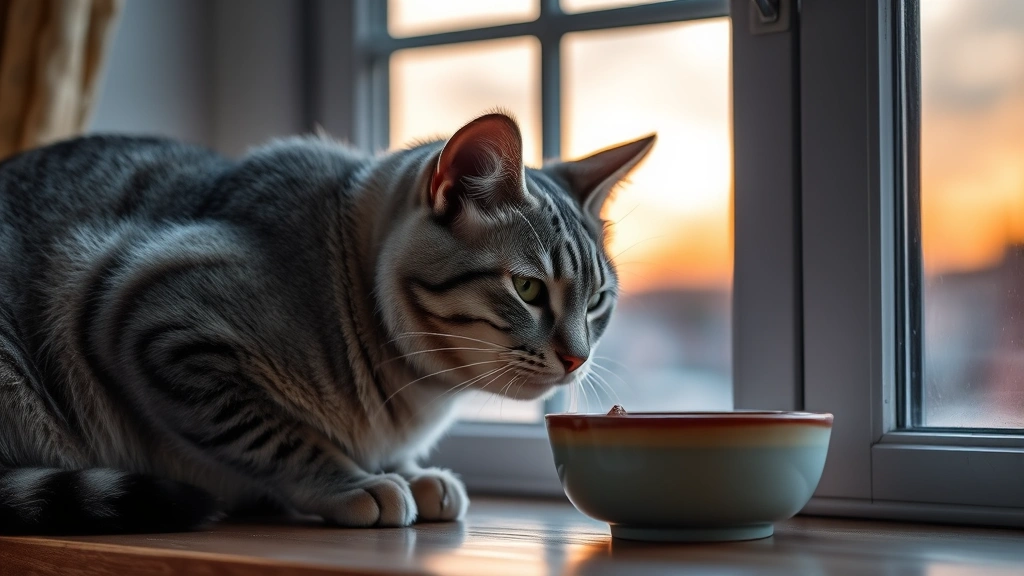
Here’s something many cat owners don’t realize: cats are crepuscular, meaning they’re naturally most active at dawn and dusk. This actually makes the nighttime feeding necessity somewhat aligned with their natural instincts. Many cats do benefit from an evening meal that coincides with their natural hunting hours. Some even prefer a light snack before their humans hit the hay.
Indoor cats especially benefit from structured feeding schedules that include an evening meal. This can help satisfy their hunting instincts, reduce nighttime yowling and zoomies, and support their overall well-being. For more specifics on cat feeding, check out our guide on feeding indoor vs outdoor cats.
Senior Pets and Nighttime Feeding Considerations
As pets age, their metabolism slows down, but their nutritional needs actually become more complex. Senior dogs and cats might benefit from smaller, more frequent meals—and yes, sometimes that includes a nighttime feeding. Older pets often have less stomach capacity and might feel uncomfortable going 12+ hours without food.
Additionally, senior pets might experience conditions like diabetes or thyroid issues that make regular feeding schedules crucial. If your aging companion is experiencing any health concerns, chat with your vet about whether nighttime feeding necessity applies to them. It could significantly improve their quality of life and help manage existing conditions.
Health Conditions That Require Nighttime Feeding
Certain medical issues make nighttime feeding necessity non-negotiable. Diabetic pets, for example, often need meals timed to coincide with insulin injections. Pets with pancreatitis or digestive issues might require smaller, more frequent meals. Hypoglycemic animals absolutely need regular feeding to maintain stable blood sugar.
If your pet has been diagnosed with any chronic condition, your veterinarian should provide specific feeding recommendations. This isn’t the time to wing it or guess. Medical conditions change the game entirely when it comes to meal timing and portion sizes. For information on nutritional requirements, consider our article about daily calorie requirements for cats, which applies similar principles to other pets.
Signs Your Pet Might Need Nighttime Feeding
So how do you know if your specific pet needs that nighttime meal? Watch for these signs: excessive hunger behaviors (like raiding the trash or begging constantly), weight loss despite normal daytime feeding, lethargy or low energy, or signs of hypoglycemia (trembling, confusion, weakness). Some pets will literally tell you by waking you up at night or acting restless before bedtime.
Young animals, highly active pets, and those recovering from illness often show clear signs that they need more frequent feeding. If your pet seems satisfied after their evening meal and sleeps through the night peacefully, they’re probably fine without a nighttime feeding. If they’re acting hungry or showing behavioral issues, it might be worth trying a late-night snack to see if it helps.
Practical Tips for Implementing Nighttime Feeding
If you’ve determined that nighttime feeding necessity applies to your pet, here are some practical strategies. First, use an automatic feeder with a timer—it’s a game-changer for your sleep schedule. Second, choose appropriate portions. A nighttime feeding doesn’t mean a full meal; often a light snack (maybe 25% of their daily intake) is sufficient.
Third, pick a consistent time. If you’re feeding at 10 PM, do it at 10 PM every night. Your pet’s digestive system will adapt to the schedule. Fourth, use quality food appropriate for nighttime feeding—nothing too heavy or likely to cause digestive upset while they’re sleeping. And finally, monitor your pet’s response. If the nighttime feeding seems to help them sleep better and behave more calmly, you’re on the right track.
Avoiding Overfeeding During Nighttime Meals
Here’s where many well-intentioned pet owners mess up: they think nighttime feeding necessity means adding extra calories. It doesn’t. If you’re adding a nighttime meal, you should reduce daytime portions accordingly to maintain overall calorie balance. Overfeeding pets is a serious issue that can lead to obesity, diabetes, and joint problems.
Use a kitchen scale or measuring cup to ensure you’re giving appropriate portions. Most pets need roughly the same total daily calories whether you split them into two meals or three. The timing changes; the total amount shouldn’t dramatically increase unless your vet has specifically recommended it for health reasons.
When to Consult Your Veterinarian
If you’re unsure whether your pet needs nighttime feeding, your vet is your best resource. They know your pet’s health history, age, weight, and any underlying conditions that might affect feeding schedules. This is especially important if your pet has recently started showing signs of hunger, weight changes, or behavioral issues.
Your vet can also help you calculate exact portion sizes and recommend the best food options for nighttime feeding. They might suggest specific meal timing if your pet has a health condition. Don’t hesitate to bring this up at your next checkup—it’s a legitimate question that affects your pet’s health and your household’s peace.

Frequently Asked Questions
Do all puppies need nighttime feeding?
Most puppies under 3-4 months old benefit from nighttime feeding due to their small stomachs and high caloric needs. However, by 4-6 months, many puppies can sleep through the night without eating. Consult your vet for specific guidance based on your puppy’s breed and development.
Is it bad to feed my cat at night?
Not at all! Many cats naturally prefer eating during evening hours, which aligns with their crepuscular nature. An evening meal can actually help satisfy their natural instincts and reduce nighttime behavioral issues. Just ensure the total daily calories remain appropriate.
Can nighttime feeding help with weight loss?
Potentially, yes. Smaller, more frequent meals can help regulate metabolism and prevent overeating. However, the total daily caloric intake is what matters most for weight management. Work with your vet to create a feeding schedule that supports healthy weight loss.
What’s the best food for nighttime feeding?
Choose the same high-quality food you feed during the day, just in smaller portions. Some owners prefer slightly less protein-heavy options for nighttime to avoid digestive upset, but this varies by individual pet. Your vet can recommend what’s best for your specific pet.
How do I transition my pet to a nighttime feeding schedule?
Start gradually by introducing the nighttime meal at a consistent time each evening. Your pet’s digestive system will adapt within 5-7 days. Reduce daytime portions slightly to maintain overall calorie balance. Monitor your pet’s response and adjust as needed.
Will nighttime feeding prevent my pet from waking me up?
It might help! If hunger is causing your pet to wake you at night, a light evening snack could solve the problem. However, if your pet is waking for other reasons (like needing to potty or seeking attention), nighttime feeding won’t address those issues.
Conclusion: Finding Your Pet’s Nighttime Feeding Sweet Spot
The nighttime feeding necessity isn’t one-size-fits-all. It depends on your pet’s age, species, health status, activity level, and individual metabolism. Young animals almost always need it. Adult pets might benefit from it. Senior pets often appreciate it. And pets with certain health conditions absolutely require it.
The best approach is to observe your own pet, consult with your veterinarian, and be willing to adjust your feeding schedule based on what works best. Whether you’re setting an alarm for your 8-week-old puppy, providing a light evening snack for your senior cat, or sticking to two meals a day for your healthy adult dog, the goal is the same: keeping your pet healthy, happy, and well-nourished.
Start by assessing your pet’s individual needs, implement changes gradually, and monitor the results. Your vet is always there to help guide you. With the right feeding schedule—nighttime feeding included or not—your pet will thrive, and you might even get to sleep through the night.





