
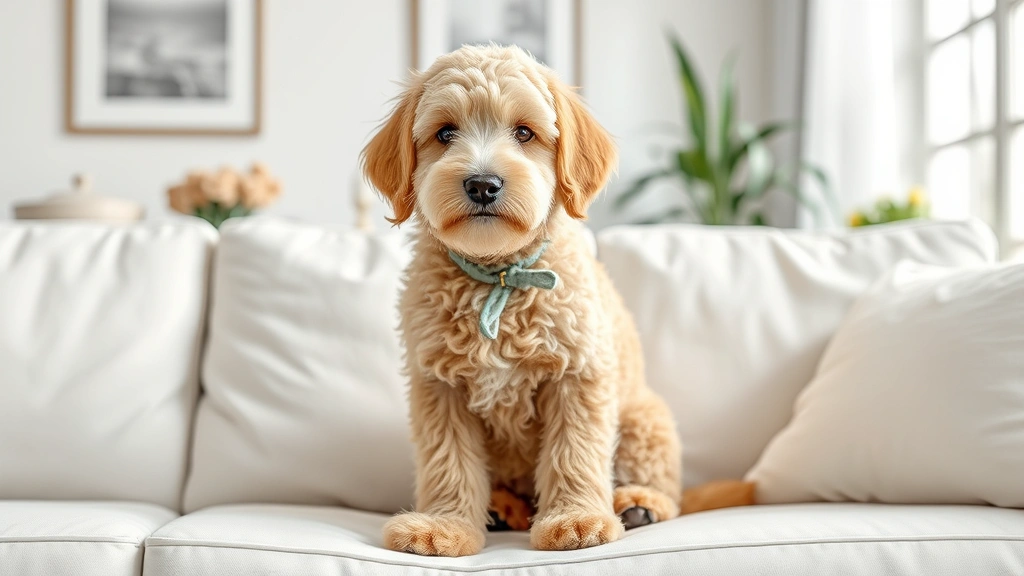
If you’re tired of finding dog hair on literally everything—your couch, your clothes, your morning coffee—then non shedding dog breeds might be your ticket to a cleaner, sneeze-free home. The good news? Plenty of adorable pups produce little to no shed, making them perfect for allergy sufferers and neat freaks alike. Let’s dive into the world of hypoallergenic and low-shedding dogs that won’t turn your house into a fur factory.
Table of Contents
- What Makes a Dog Non-Shedding?
- The Poodle: The OG Hypoallergenic Superstar
- Doodle Breeds: When Two Hypoallergenic Worlds Collide
- Portuguese Water Dogs: The Presidential Choice
- Bichon Frises and Malteses: Small but Mighty
- Schnauzers: The Wiry-Coated Warriors
- Yorkshire Terriers and Shih Tzus: Glamorous Lap Dogs
- Irish Water Spaniels and Lagotto Romagnolos: The Curly-Coated Charmers
- Grooming Requirements: The Hidden Cost of Non-Shedding
- Allergies and Hypoallergenic Dogs: What You Need to Know
- Training and Socialization: Personality Beyond the Coat
- Frequently Asked Questions
- Making Your Final Decision
What Makes a Dog Non-Shedding?
Here’s the thing: technically, almost all dogs shed to some degree. But certain breeds have hair instead of fur, which grows continuously and sheds much less frequently. Think of it like human hair—it grows, but you don’t find clumps of it everywhere (unless you’re having a really bad day). The difference comes down to coat structure. Dogs with hair rather than fur, or those with curly and wiry coats, trap loose hair instead of letting it float around your living room like tumbleweeds.
The science behind hypoallergenic dogs isn’t just about shedding either. Dog allergies are often triggered by proteins in dander, saliva, and urine—not just hair itself. However, low shedding dog breeds produce less dander, which means fewer allergens floating around your home. It’s a win-win situation for people with allergies and those who simply don’t want to vacuum every single day.
The Poodle: The OG Hypoallergenic Superstar
Let’s talk about the Poodle—the breed that basically started the whole hypoallergenic dog revolution. Available in Standard, Miniature, and Toy sizes, Poodles have a curly, non-shedding coat that makes them absolute champions for allergy sufferers. These dogs are smart (like, annoyingly smart), athletic, and they’ve got serious personality. They’re also the foundation for dozens of designer “doodle” breeds that have taken the dog world by storm.
The catch? Poodles need regular grooming—we’re talking every 4-6 weeks at the groomer. Their coat doesn’t shed, but it does mat if you’re not careful. So while you’re saving on fur cleanup, you’re investing in professional grooming. Fair trade? Most Poodle owners would say absolutely.
Doodle Breeds: When Two Hypoallergenic Worlds Collide
The “doodle” phenomenon exploded when breeders started crossing Poodles with other popular breeds. Labradoodles, Goldendoodles, Cockapoos, and Bernedoodles have become the darlings of families wanting a friendly, social dog without the shedding nightmare. These pups typically inherit the Poodle’s low-shedding coat while gaining the temperament and size variety their other parent brings to the table.
Here’s the honest truth though: doodle coat quality varies wildly. Some inherit the Poodle’s perfect curly coat, while others get a wavy or even straight coat that sheds more. It’s genetic roulette, which is why reputable breeders are worth their weight in gold. When shopping for a doodle, ask the breeder about coat genetics and don’t just assume you’re getting a non-shedding dog.
Portuguese Water Dogs: The Presidential Choice
Remember when the Obama family got a Portuguese Water Dog? That wasn’t random. These medium-sized athletes have a curly or wavy, single-layered coat that sheds minimally. Originally bred to help fishermen in Portugal (hence the name—creative, right?), these dogs are energetic, intelligent, and absolutely adorable with their teddy bear faces.
Portuguese Water Dogs need regular exercise and mental stimulation, so they’re not ideal for couch potatoes. But if you’re an active person looking for a loyal companion that won’t cover your furniture in fur, this breed deserves serious consideration. Plus, you get major bragging rights for having the same breed as a former president.
Bichon Frises and Malteses: Small but Mighty
If you prefer smaller companions, Bichon Frises and Malteses are excellent non-shedding choices. Both breeds have fluffy, white coats that require regular grooming but produce minimal shedding. They’re great for apartment living and are known for their cheerful, affectionate personalities. These little guys will follow you around like you’re the most interesting person in the world—because to them, you are.
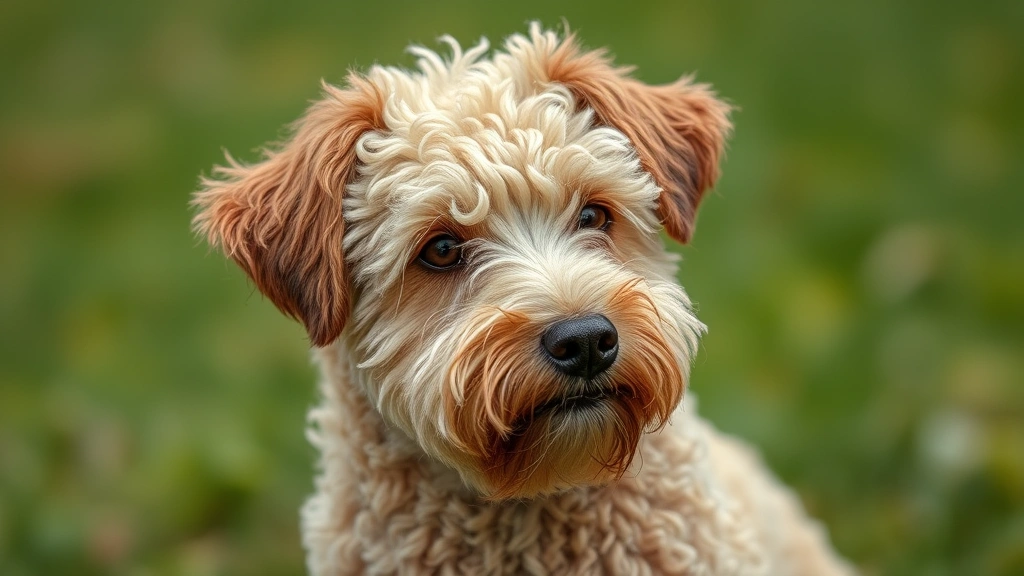
Bichons and Malteses are particularly good for allergy sufferers since their smaller size means less overall dander production. They’re also long-lived (often 12-15 years), so you’re making a long-term commitment to a pint-sized best friend.
Schnauzers: The Wiry-Coated Warriors
Schnauzers come in three sizes—Miniature, Standard, and Giant—and all share that distinctive wiry, non-shedding coat. These bearded beauties are intelligent, spirited, and surprisingly loyal. They’ve got personality for days and aren’t afraid to let you know what they think about literally everything.
The wiry coat requires hand-stripping or clipping every few months, but the payoff is minimal shedding and a dog that looks perpetually distinguished. Schnauzers are also excellent watchdogs, so you get security and allergen-free companionship rolled into one package.
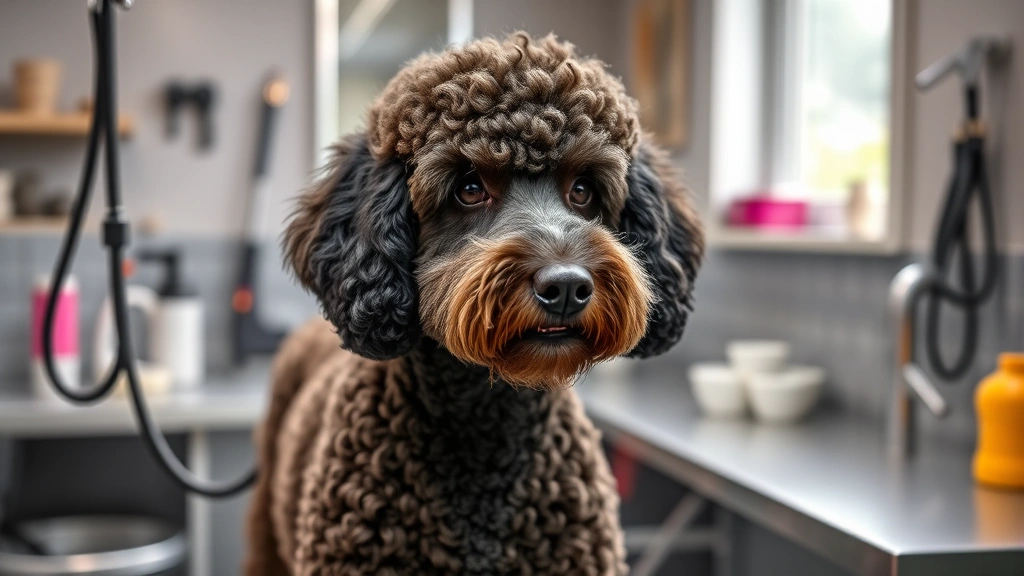
Yorkshire Terriers and Shih Tzus: Glamorous Lap Dogs
Don’t let their tiny size fool you—Yorkshire Terriers and Shih Tzus have big personalities packed into small bodies. Both breeds have long, silky hair that sheds very little, though they do require consistent grooming to keep those gorgeous locks looking fabulous. If you’ve ever wanted a dog that’s basically a living accessory, these breeds are calling your name.
These pups are perfect for people living in apartments or smaller homes. They don’t need extensive exercise but do need mental stimulation and companionship. Leave them alone too long, and they’ll let you know their feelings about that arrangement—loudly and with attitude.
Irish Water Spaniels and Lagotto Romagnolos: The Curly-Coated Charmers
Looking for something a bit more unique? Irish Water Spaniels and Lagotto Romagnolos are fantastic non-shedding options that don’t get as much attention as Doodles or Poodles. Irish Water Spaniels are medium-to-large dogs with a distinctive curly, liver-colored coat and a playful, clownish personality. Lagotto Romagnolos are smaller, also curly-coated, and were originally bred to hunt truffles in Italy (yes, really).
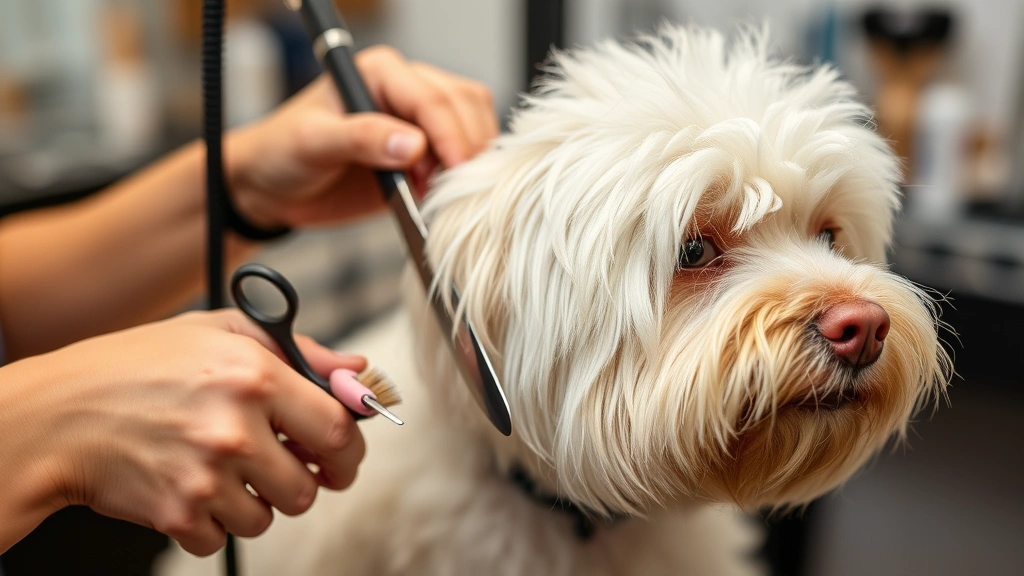
Both breeds are intelligent, athletic, and make excellent family dogs. They’re also less common, so you’ll definitely turn heads on walks. If you want a non-shedding dog breed that’s a bit off the beaten path, these are worth exploring.
Grooming Requirements: The Hidden Cost of Non-Shedding
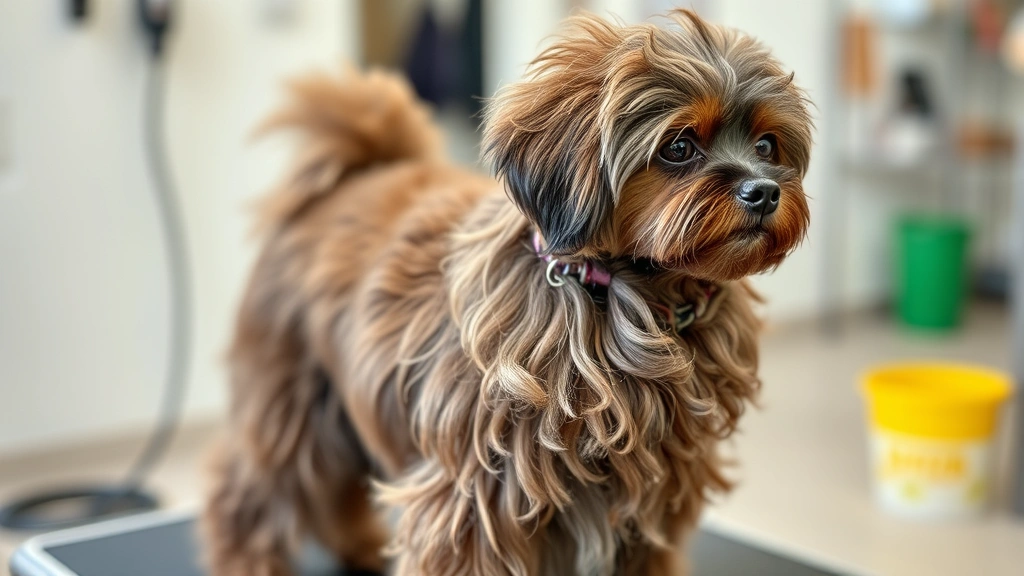
Here’s what nobody tells you when you’re researching non-shedding breeds: they require more grooming than shedding breeds. It’s the trade-off. Instead of vacuuming up fur, you’re paying for professional grooming every 4-8 weeks, plus daily brushing at home. Some people view this as a small price for a clean house; others find it exhausting and expensive.
Budget-wise, grooming costs can range from $50-$150+ per session depending on your dog’s size and coat condition. Factor in supplies like brushes, combs, and shampoo, and you’re looking at a significant investment. But again, many owners find it worth every penny to avoid the shedding nightmare.
Allergies and Hypoallergenic Dogs: What You Need to Know
Let’s be real: no dog is 100% hypoallergenic. However, certain dog breeds with hair instead of fur produce fewer allergens, making them much better for allergy sufferers. The American Kennel Club recognizes several breeds as hypoallergenic, but individual reactions vary. Some people are allergic to specific proteins in dog saliva or urine rather than dander.
If you have severe allergies, spend time with the specific breed before committing. Visit a breeder, go to dog shows, or ask to foster a dog temporarily. Your allergies might surprise you—sometimes they’re manageable, sometimes they’re not. Better to find out before bringing a new family member home.
Training and Socialization: Personality Beyond the Coat
While coat type is important, remember that non-shedding breeds are still individual dogs with unique personalities, training needs, and socialization requirements. A Poodle isn’t automatically well-behaved just because it’s smart. A Doodle won’t be calm just because it’s cute. Every dog needs proper training, socialization, and boundaries to become a well-adjusted family member.
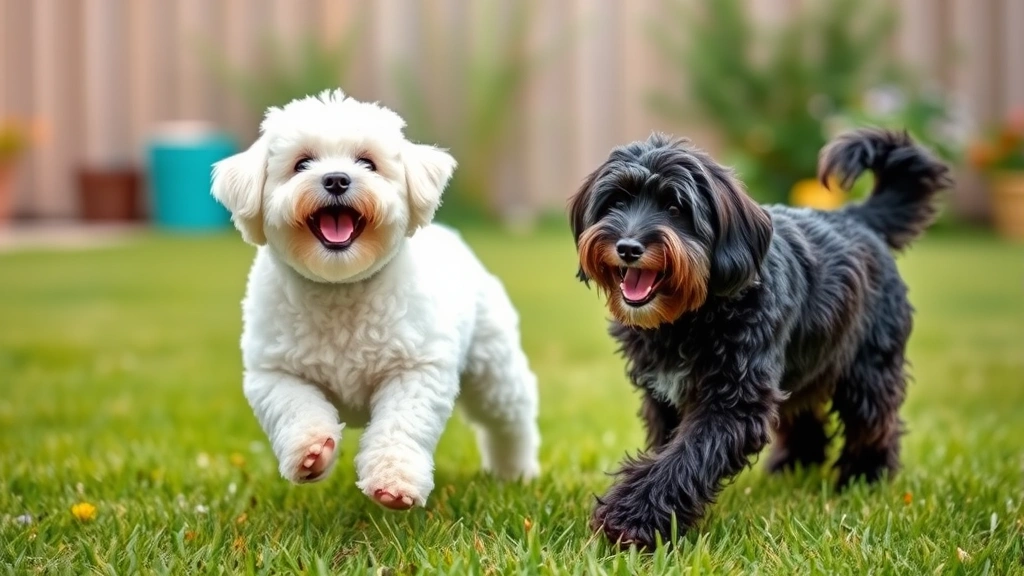
Invest in puppy training classes, use positive reinforcement methods, and expose your dog to different environments, people, and experiences early on. A well-trained non-shedding dog is the dream; a poorly trained one is still a nightmare—just with less fur.
Frequently Asked Questions
Are non-shedding dogs really hypoallergenic?
Not completely. While non-shedding dogs produce fewer allergens than heavy shedders, no dog is truly 100% hypoallergenic. People with severe allergies may still react to saliva, urine, or dander. Always spend time with the specific breed before adopting.
How often do non-shedding dogs need grooming?
Most non-shedding breeds need professional grooming every 4-8 weeks, plus regular brushing at home (2-3 times per week). This prevents matting and keeps their coats healthy. It’s more maintenance than shedding breeds but less vacuuming overall.
What’s the difference between low-shedding and non-shedding?
Low-shedding breeds shed minimally but do shed some hair. Non-shedding breeds produce virtually no shed hair. In practice, the terms are often used interchangeably since truly non-shedding dogs are extremely rare.
Are non-shedding dogs more expensive?
Often, yes. Non-shedding breeds typically cost more upfront from breeders, and grooming expenses add up quickly. However, you save money on vacuums, lint rollers, and furniture replacement, so the long-term costs can balance out.
Which non-shedding breed is best for families with kids?
Goldendoodles, Labradoodles, and Standard Poodles are excellent family dogs. They’re patient, playful, and tolerate the chaos of family life. Just ensure the dog is properly socialized with children and always supervise interactions.
Do non-shedding dogs smell more than shedding breeds?
Not necessarily. However, their coats can trap moisture and oils, potentially leading to odor if not groomed regularly. Regular bathing and grooming keep them smelling fresh and clean.
Can I adopt a non-shedding dog from a rescue?
Absolutely! Many rescues and breed-specific organizations have non-shedding dogs available for adoption. You might save money on grooming costs initially and gain the satisfaction of giving a dog a second chance at life.
Making Your Final Decision
Choosing a non-shedding dog breed isn’t just about avoiding fur on your furniture—it’s about finding a companion that fits your lifestyle, budget, and commitment level. Consider your living space, activity level, grooming tolerance, and allergy severity. Research breeders carefully, meet the dogs in person, and don’t rush the decision.
Whether you go with a classic Poodle, a trendy Doodle, or a lesser-known gem like a Lagotto Romagnolo, you’re making a choice that prioritizes both your health and your home cleanliness. For allergy sufferers and cleanliness enthusiasts alike, non-shedding dog breeds offer a genuine solution. Just remember: the trade-off is grooming time and expense, but for many families, it’s absolutely worth it.
Want to explore more options? Check out our guides on Mexican dog breeds for other unique choices, or dive deeper into specific traits with our comprehensive breed resources.





