
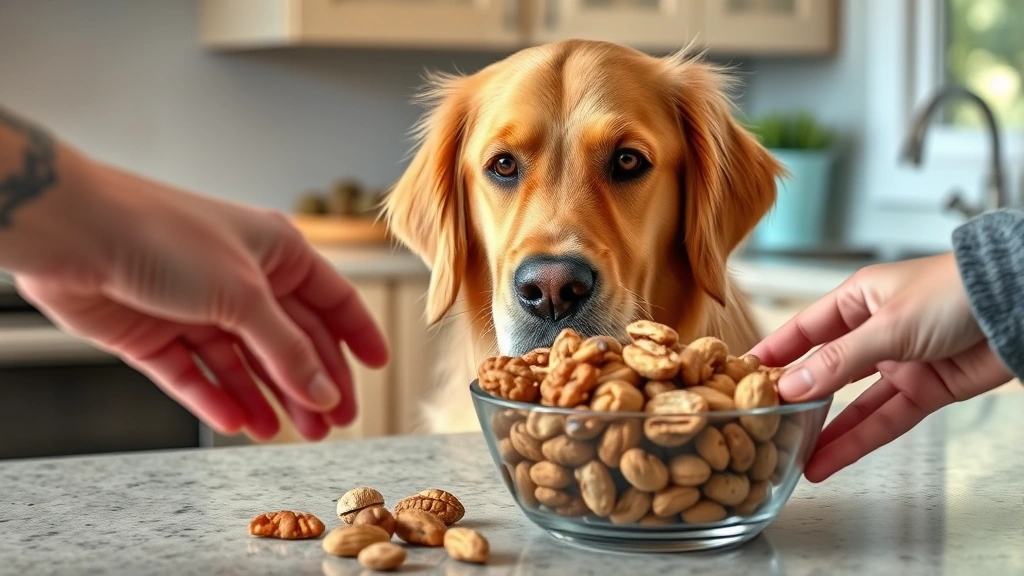
When it comes to keeping your furry best friend safe, knowing which nuts toxic to dogs should be on your radar is absolutely crucial. While you’re munching on a handful of almonds or cashews, your pup is probably giving you those irresistible puppy dog eyes, hoping for a taste. But here’s the thing—not all nuts are created equal when it comes to canine safety, and some can actually be downright dangerous.
Table of Contents
- Why Dogs Love Nuts (And Why That’s a Problem)
- Macadamia Nuts: The Biggest Culprit
- Black Walnuts: Another Serious Threat
- Walnuts (English): Proceed with Extreme Caution
- Pistachios and Almonds: The Gray Area Nuts
- Pecans and Hickory Nuts: Toxicity Concerns
- Recognizing Signs of Nut Toxicity
- Safe Nuts and Nut Alternatives for Dogs
- Prevention: Your Best Defense
- Portion Control and Feeding Guidelines
- What to Do If Your Dog Eats Toxic Nuts
- Long-Term Health Considerations
- Frequently Asked Questions
- Summary: Keeping Your Pup Safe from Toxic Nuts
Why Dogs Love Nuts (And Why That’s a Problem)
Let’s be real: dogs are opportunistic eaters. If it smells remotely interesting and you’re not paying attention, it’s going in their mouth. Nuts are particularly problematic because they’re calorie-dense, often salty, and humans eat them frequently. Plus, many popular nut-based snacks and baked goods end up on kitchen counters or in bags that curious pups can access. The issue isn’t just about the nuts themselves—it’s about understanding the specific toxins and compounds that make certain varieties dangerous for our canine companions.
Macadamia Nuts: The Biggest Culprit
If you’re going to remember one thing about nuts toxic to dogs, make it this: macadamia nuts are a hard no. These creamy, delicious nuts contain an unknown compound that can cause serious toxicity in dogs, even in relatively small amounts. We’re talking about just six to 40 nuts being enough to cause symptoms in a 20-pound dog.
Symptoms of macadamia nut toxicity include weakness, vomiting, tremors, hyperthermia (elevated body temperature), and depression. The scary part? There’s no antidote. Treatment is purely supportive, meaning your vet will manage symptoms while your dog’s body processes the toxin. Most dogs recover within 24-48 hours, but that doesn’t mean you should let your guard down. If you suspect your dog ate macadamia nuts, contact your veterinarian or an emergency vet clinic immediately.
Black Walnuts: Another Serious Threat
Black walnuts are another nut variety that absolutely belongs on the danger list. These nuts contain a toxin called juglone that can cause vomiting, diarrhea, abdominal pain, and neurological symptoms like tremors and seizures. What makes black walnuts particularly sneaky is that the toxin can also develop in moldy walnuts, so even if your dog finds a walnut on the ground during a walk, there’s a risk involved.
The hull and outer shell of black walnuts are especially toxic, so if you have a black walnut tree in your yard, you’ve got a real problem on your hands. Regular monitoring and cleanup are essential. Use your Pet Symptom Checker Online if you notice any unusual behavior after a potential exposure.
Walnuts (English): Proceed with Extreme Caution
English walnuts are less toxic than their black walnut cousins, but they’re still not ideal for dogs. The main concern here is the potential for mold contamination. Moldy walnuts can contain aflatoxins, which are toxic compounds produced by certain fungi. These toxins can cause serious liver damage and other health complications. Even if the walnuts look fine to you, they might harbor dangerous mold that’s invisible to the naked eye.
Additionally, walnuts are high in fat and can contribute to pancreatitis in dogs, especially those prone to digestive issues. If your dog accidentally eats a walnut or two, monitor them closely, but don’t panic—one or two is unlikely to cause serious harm. However, regular consumption is definitely something to prevent.
Pistachios and Almonds: The Gray Area Nuts
Here’s where things get a bit murky. Pistachios and almonds aren’t technically toxic to dogs in the same way macadamia nuts are, but they’re still not recommended. The problems with these nuts include:
- High fat content: Can trigger pancreatitis, particularly in susceptible breeds
- Choking hazard: Especially for smaller dogs or aggressive eaters
- Digestive upset: Can cause vomiting, diarrhea, and stomach pain
- Aflatoxin risk: Moldy specimens can be contaminated with dangerous toxins
Pistachios have the added concern of being high in sodium, which isn’t great for dogs with certain health conditions. If your dog eats a few almonds or pistachios, you probably don’t need to panic, but these shouldn’t be regular treats. The safest approach? Keep them out of reach entirely.
Pecans and Hickory Nuts: Toxicity Concerns
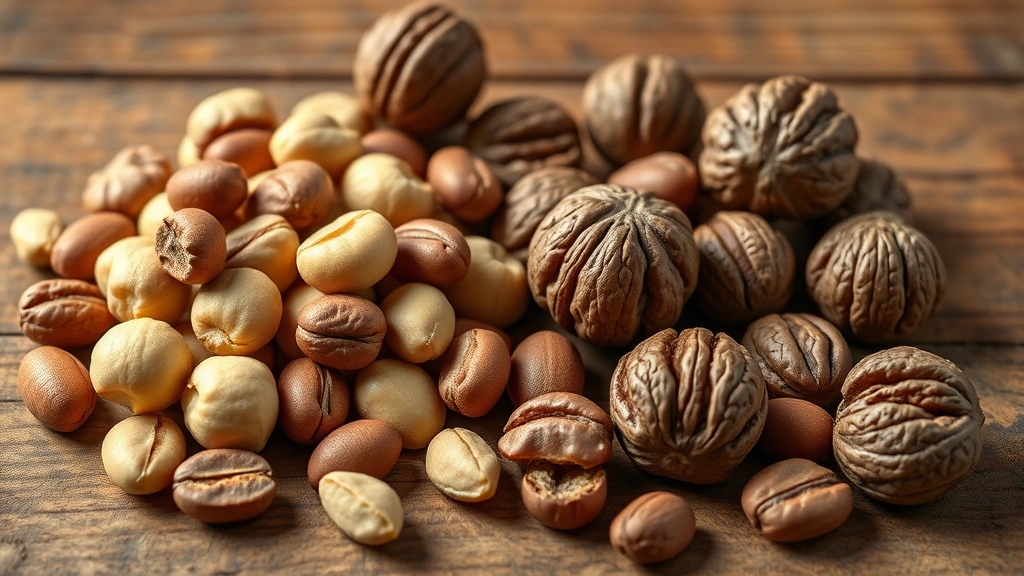
Pecans and hickory nuts are another problematic pair. Like walnuts, pecans can contain juglone and are susceptible to mold contamination. They’re also quite high in fat, making them a potential trigger for pancreatitis. Hickory nuts present similar risks, and they’re also a choking hazard due to their hard shells.
If you have pecan or hickory nut trees on your property, the best approach is to rake up fallen nuts regularly and prevent your dog from accessing them. This is particularly important during fall when nuts are dropping constantly.
Recognizing Signs of Nut Toxicity
Knowing the symptoms of nut toxicity can help you catch problems early. Depending on the type of nut and amount consumed, watch for:
- Vomiting and diarrhea
- Abdominal pain or distension
- Lethargy or depression
- Loss of appetite
- Tremors or seizures
- Elevated body temperature
- Weakness or difficulty walking
- Excessive drooling
If your dog shows any of these symptoms after nut consumption, contact your vet immediately. Consider using our Pet Health Consultation via Video for quick guidance if it’s after hours. Time can be critical, especially with macadamia nut toxicity.
Safe Nuts and Nut Alternatives for Dogs
The good news? Not all nuts are off-limits. Some nuts are generally safe for dogs in moderation:
- Peanuts: Safe (technically legumes, not true nuts) when unsalted and given occasionally
- Cashews: Generally safe in small amounts, but high in fat
- Hazelnuts: Safe in moderation
- Pine nuts: Generally safe but expensive and not necessary for dogs
However, even these “safe” options should only be occasional treats. Better alternatives include dog-specific treats, carrots, apples (without seeds), or pumpkin. If you’re looking to add nutritional value to your dog’s diet, check out our guide on Raw Diet Supplementation for healthier options.
Prevention: Your Best Defense
The absolute best strategy for keeping your dog safe from toxic nuts is prevention. Here’s what you can do:
- Store nuts securely: Keep all nuts, nut butters, and nut-containing products in sealed containers on high shelves or in cabinets your dog can’t access
- Be mindful of baked goods: Many cookies, brownies, and pastries contain nuts or nut butters
- Clean up after yourself: Don’t leave nuts on counters, tables, or in bags where your dog can grab them
- Watch during gatherings: Holidays and parties are when most accidental nut ingestions happen because people are distracted
- Check your yard: If you have nut trees, rake regularly and dispose of fallen nuts properly
- Train your dog: Work on “leave it” commands to give yourself an extra layer of protection
Portion Control and Feeding Guidelines
If you do give your dog any of the “safer” nuts, moderation is absolutely key. A good rule of thumb is that treats should make up no more than 10% of your dog’s daily caloric intake. For most medium-sized dogs, that means just a few nuts as an occasional treat. Consider your dog’s overall diet and activity level—a working dog with high caloric needs can handle more than a couch potato. Learn more about proper nutrition in our article on Feeding Active vs Inactive Dogs.
What to Do If Your Dog Eats Toxic Nuts
If you suspect your dog has eaten macadamia nuts, black walnuts, or other toxic varieties, here’s your action plan:

- Stay calm: Panic won’t help your dog, and you need a clear head to respond effectively
- Call your vet immediately: Have the bottle or packaging available so you can tell them exactly what your dog ate
- Note the time and amount: This information helps your vet assess the severity
- Don’t induce vomiting: Unless your vet specifically instructs you to—this can sometimes cause more harm
- Monitor closely: Watch for any symptoms while you’re waiting to see the vet
- Be prepared for treatment: This might include activated charcoal, supportive care, or hospitalization depending on the situation
Long-Term Health Considerations
Beyond acute toxicity, regular consumption of high-fat nuts can contribute to chronic health issues in dogs. Pancreatitis, obesity, and digestive problems can develop over time with frequent nut treats. If your dog has any history of pancreatitis, food sensitivities, or digestive issues, nuts should be completely avoided. Check out our guide on Preventative Care Supplements for healthier treat alternatives that support long-term wellness.
Frequently Asked Questions
Can dogs eat peanut butter?
Most peanut butter is safe for dogs in small amounts, but you need to check the label carefully. Some peanut butters contain xylitol, an artificial sweetener that’s extremely toxic to dogs. Always choose xylitol-free, unsalted varieties, and remember that peanut butter is high in calories and fat. A small amount as an occasional treat is fine, but it shouldn’t be a regular part of your dog’s diet.
What’s the difference between macadamia nuts and other nuts?
Macadamia nuts contain a specific unknown compound that causes acute toxicity in dogs, even in small quantities. Other nuts like walnuts and pecans are primarily concerning due to mold contamination (aflatoxins) and high fat content. Macadamia nuts are unique in their toxicity mechanism and are considered the most dangerous variety.
How long does it take for nut toxicity symptoms to appear?
Symptoms can appear within 6-12 hours of ingestion, though sometimes they develop more quickly. This is why immediate veterinary attention is important if you know your dog has eaten toxic nuts. Don’t wait to see if symptoms develop—get professional help right away.
Are there any nuts that are completely safe for dogs?
While peanuts (technically legumes), cashews, and hazelnuts are generally considered safer than macadamia or black walnuts, no nut is truly “completely safe” for all dogs. Individual dogs may have allergies or sensitivities, and the high fat content can be problematic for some. It’s always better to err on the side of caution and choose dog-specific treats instead.
What should I do if my dog eats nuts from my yard?
If you have nut trees on your property, the best approach is regular cleanup. Rake fallen nuts frequently and dispose of them safely. If you see your dog eating nuts from the ground, try to identify what type they are and monitor closely for symptoms. If they’re from a black walnut or macadamia tree, contact your vet immediately even if your dog seems fine.
Summary: Keeping Your Pup Safe from Toxic Nuts
Understanding which nuts toxic to dogs should be avoided is an essential part of responsible pet ownership. Macadamia nuts and black walnuts are the most dangerous, but English walnuts, pecans, and hickory nuts also pose significant risks. Even “safer” nuts like almonds and pistachios can cause problems due to their high fat content and choking hazard potential.
The best strategy is prevention: store all nuts securely, clean up after yourself, monitor your dog during social gatherings, and choose healthier treat alternatives. If your dog does eat toxic nuts, don’t hesitate to contact your veterinarian—quick action can make all the difference in outcomes.
Your dog depends on you to keep them safe, and that includes protecting them from hidden dangers in your kitchen and yard. By staying informed and vigilant, you can ensure your furry friend enjoys a long, healthy, nut-free life.





