
If your furry best friend is squinting, pawing at their eyes, or looking like they’ve had a rough day at the dog park, ophthalmic drops for dogs might be exactly what they need to get back to their tail-wagging selves. Eye problems in dogs are more common than you’d think, and while some issues require a vet visit faster than your pup can say “treat,” many can be managed with the right eye drops. Let’s dive into everything you need to know about keeping those puppy peepers healthy and happy.
Table of Contents
- Why Do Dogs Need Eye Drops?
- Types of Ophthalmic Drops for Dogs Explained
- Antibiotic Eye Drops for Canine Infections
- Lubricating Drops for Dry Eye Relief
- Anti-Inflammatory Drops for Allergies and Irritation
- Medicated Drops: Steroids and Beyond
- How to Apply Ophthalmic Drops to Your Dog
- Safety Considerations and Potential Side Effects
- Over-the-Counter vs. Prescription Ophthalmic Drops
- Breed-Specific Eye Issues and Drop Selection
- Natural and Holistic Eye Care Options
- Cost Considerations and Where to Buy
- When to Contact Your Veterinarian
- Summary: Keeping Your Dog’s Eyes Healthy
- Frequently Asked Questions
Why Do Dogs Need Eye Drops?
Dogs get eye issues just like humans do, except they can’t exactly tell you what’s wrong (though they’ll definitely try). Common reasons your dog might need dog eye drops include allergies, dry eye syndrome, infections, inflammation, and irritation from dust or debris. Some breeds, like Bulldogs and Pugs, are particularly prone to eye problems because of their adorable flat faces. If your pup is showing signs of discomfort, it’s time to talk to your vet about treatment options.
Types of Ophthalmic Drops for Dogs Explained
Not all eye drops are created equal, and using the wrong type could make things worse. There are several categories of ophthalmic drops for dogs available, each designed to tackle different problems. Antibiotic drops fight bacterial infections, lubricating drops ease dryness, anti-inflammatory drops reduce swelling and redness, and medicated drops (like Mometamax for Dogs) contain steroids or other active ingredients to address specific conditions. Your vet will determine which type your dog needs based on their diagnosis.
Antibiotic Eye Drops for Canine Infections
When bacteria invade your dog’s eyes, antibiotic drops become your best friend. These drops contain medications like gentamicin, tobramycin, or chloramphenicol that kill bacteria and prevent the infection from spreading. If your dog has a bacterial eye infection, your vet will prescribe antibiotics that are safe for canine use—never use human antibiotic drops on your dog, as they may contain ingredients that are toxic to pups. Always follow your vet’s dosing instructions carefully, and complete the full course even if your dog’s eyes look better.
Lubricating Drops for Dry Eye Relief
Dry eye, or keratoconjunctivitis sicca (KCS), is a painful condition where your dog’s eyes don’t produce enough tears. Lubricating drops mimic natural tears and provide immediate relief. These drops contain ingredients like hyaluronic acid, carboxymethylcellulose, or polyethylene glycol that help moisturize the eye surface. Breeds prone to dry eye include Bulldogs, Cocker Spaniels, and Shih Tzus. If your dog has chronic dry eye, your vet might recommend using lubricating drops multiple times daily, or they might suggest alternatives to Apoquel for Dogs if underlying allergies are contributing to the problem.
Anti-Inflammatory Drops for Allergies and Irritation
When your dog’s eyes are red, swollen, and itchy due to allergies or irritation, anti-inflammatory drops can provide relief. These drops often contain nonsteroidal anti-inflammatory drugs (NSAIDs) or mild steroids that reduce inflammation and soothe irritated tissues. Common ingredients include dexamethasone or prednisolone. These drops work quickly to ease discomfort, but they should only be used under veterinary supervision since prolonged steroid use can have side effects. If your dog seems lethargic or shows other signs of systemic issues alongside eye problems, check out our guide on lethargic dogs to rule out other health concerns.
Medicated Drops: Steroids and Beyond
For more serious eye conditions, your vet might prescribe medicated drops containing steroids or combination medications. Mometamax for Dogs is a popular prescription option that combines a steroid, antibiotic, and antifungal agent in one convenient drop. These powerful formulations address multiple problems simultaneously and are particularly useful for severe infections or inflammation. However, they come with more potential side effects, so your vet will monitor your dog closely during treatment. Never use your dog’s medicated drops on another pet, even if they seem to have similar symptoms.
How to Apply Ophthalmic Drops to Your Dog
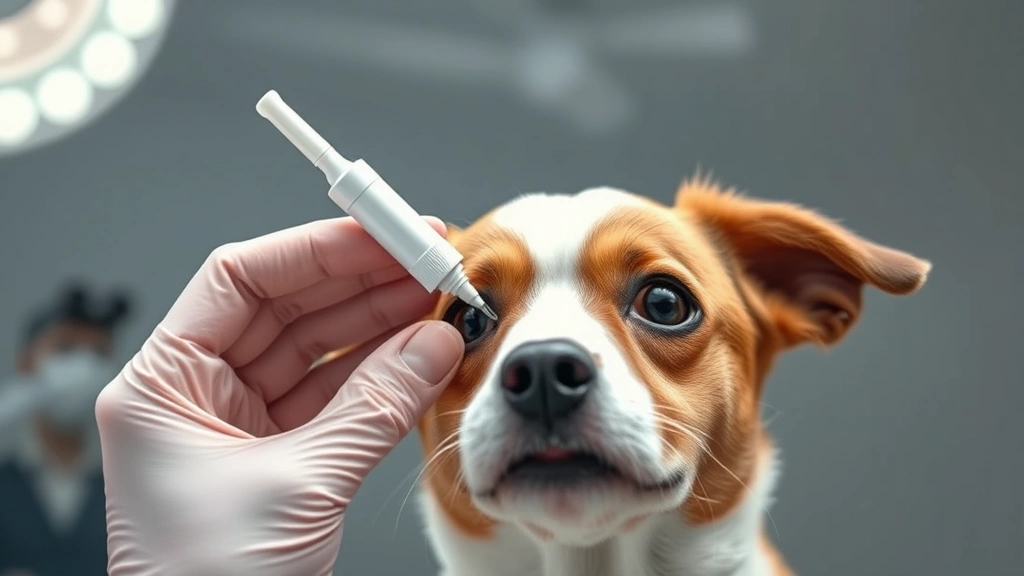
Applying eye drops to a wiggly dog can feel like trying to catch a greased pig, but with patience and technique, you’ll master it. Here’s the proper method: wash your hands thoroughly, tilt your dog’s head back slightly, pull down the lower eyelid to create a small pocket, and gently squeeze the prescribed number of drops into that pocket. Let your dog blink naturally to distribute the drops across the eye surface. Avoid touching the dropper tip to your dog’s eye or eyelid, as this can introduce bacteria. If your dog is particularly resistant, have a helper hold them gently while you administer the drops, and always reward them with praise and treats afterward.
Safety Considerations and Potential Side Effects
While ophthalmic drops are generally safe when used as directed, they can cause side effects in some dogs. Mild stinging or temporary blurred vision might occur immediately after application. More serious side effects could include allergic reactions, increased eye pressure (especially with steroid drops), or systemic absorption of medications. If your dog shows signs of an allergic reaction—such as facial swelling, difficulty breathing, or severe irritation—contact your vet immediately. Additionally, never use expired drops or those prescribed for a previous condition without consulting your vet first, as eye conditions can change.
Over-the-Counter vs. Prescription Ophthalmic Drops
You’ll find various over-the-counter eye drops for dogs at pet stores, but prescription drops are often more effective for serious conditions. OTC drops work well for minor irritation, dry eye, or general maintenance, and they’re more affordable. However, if your dog has an infection, significant inflammation, or a diagnosed eye disease, your vet will likely prescribe stronger medication. The key is having your dog’s eyes examined by a veterinary professional before starting any treatment. Self-diagnosing and treating eye problems can delay proper care and potentially worsen the condition.
Breed-Specific Eye Issues and Drop Selection
Certain dog breeds are predisposed to specific eye problems that might require specialized ophthalmic drops. Bulldogs and Pugs, with their prominent eyes and shortened muzzles, frequently experience dry eye and entropion (inward-turning eyelids). Golden Retrievers and Labrador Retrievers are prone to progressive retinal atrophy. German Shepherds sometimes develop pannus, a chronic inflammatory condition. Your vet will consider your dog’s breed when recommending the best dog eye drops for their particular needs. If your dog seems unhappy due to eye discomfort, learn more about signs your dog is happy versus in pain.
Natural and Holistic Eye Care Options
Some dog owners prefer natural approaches to eye health alongside or instead of conventional drops. Omega-3 fatty acids, found in fish oil supplements, can support tear production and reduce inflammation. Bilberry extract has antioxidant properties that may benefit eye health. Chamomile tea (cooled and strained) can be used as a gentle eye rinse for minor irritation, though it’s not a substitute for veterinary treatment. However, these natural options work best for prevention and mild issues; serious eye conditions require professional veterinary care and appropriate medications. Always discuss natural supplements with your vet before adding them to your dog’s routine.
Cost Considerations and Where to Buy
Ophthalmic drops for dogs range in price from around $10 for basic OTC lubricating drops to $30-50+ for prescription medications. Your vet’s office typically carries prescription drops, but you can often find them more cheaply at online pharmacies or pet retailers if you have a valid prescription. Some drops require refrigeration after opening, so check storage instructions carefully. Pet insurance may cover prescription eye medications if they’re deemed medically necessary, so check your policy. Don’t let cost prevent you from seeking veterinary care; untreated eye infections can lead to serious complications including vision loss.
When to Contact Your Veterinarian
Certain eye symptoms warrant immediate veterinary attention. Contact your vet if your dog has sudden vision loss, severe pain, discharge that’s thick or discolored, corneal cloudiness, or if their eye appears to be protruding abnormally. Also reach out if your dog’s eye condition doesn’t improve after a few days of drops, worsens despite treatment, or if they develop new symptoms. Your vet might need to perform additional diagnostics like a Schirmer tear test, fluorescein stain, or tonometry to properly diagnose and treat the problem. For more information about recognizing when your dog is unwell, check out our article on triple antibiotic ointment safety for dogs, which covers topical treatments more broadly.
Summary: Keeping Your Dog’s Eyes Healthy
Ophthalmic drops for dogs are invaluable tools for treating various eye conditions, from minor irritation to serious infections. Whether you’re using lubricating drops for dry eye, antibiotics for infections, or medicated drops for inflammation, the key is working closely with your veterinarian to ensure proper diagnosis and treatment. Always apply drops exactly as directed, watch for side effects, and don’t hesitate to contact your vet if something seems off. Your dog’s eyes are precious—they’re how they see the world and all the adventures you’ll share together. With proper care and the right ophthalmic drops, you’ll keep those puppy peepers healthy and bright for years to come.
Frequently Asked Questions
Can I use human eye drops on my dog?
No, you should never use human eye drops on your dog without explicit veterinary approval. Human drops may contain preservatives or medications that are toxic to dogs, and the formulation isn’t designed for canine eyes. Always use drops specifically made for dogs or prescribed by your veterinarian.
How often should I apply ophthalmic drops to my dog?
The frequency depends on the type of drop and your dog’s condition. Some drops are applied once or twice daily, while others might be needed four times daily. Your veterinarian will provide specific dosing instructions—follow them precisely for the best results.
What’s the difference between drops and ointments for dog eyes?
Drops are liquid medications that distribute quickly across the eye surface, while ointments are thicker and provide longer-lasting coverage. Ointments can blur vision temporarily, so many vets recommend using them at night. Your vet will recommend the best form for your dog’s specific condition.
Are there any dog breeds that shouldn’t use certain ophthalmic drops?
While most dogs can safely use appropriate ophthalmic drops, some breeds with specific conditions might need special considerations. For example, dogs with glaucoma shouldn’t use certain steroid drops. Your vet will consider your dog’s breed and health history when prescribing drops.
How long does it take for ophthalmic drops to work?
Lubricating drops provide immediate relief, while antibiotic drops typically show improvement within 24-48 hours. Anti-inflammatory drops usually work within a few hours. If you don’t see improvement after several days, contact your vet—your dog might need a different treatment approach.





