
Let’s be honest—your furry friend gives you those puppy dog eyes, and suddenly you’re ready to hand over the entire kitchen. But before you reach for the processed stuff loaded with mystery ingredients, consider making organic treat recipes for pets at home. Your pup (or kitty) will thank you, your wallet might smile a little, and you’ll actually know what’s going into those treats.
Table of Contents
- Why Homemade Organic Treats Beat Store-Bought Every Single Time
- Essential Ingredients for Healthy Homemade Pet Treats
- Recipe #1: Peanut Butter and Pumpkin Pupcakes
- Recipe #2: Sweet Potato and Chicken Training Treats
- Recipe #3: Frozen Banana and Blueberry Bites
- Recipe #4: Apple and Cinnamon Crunchy Cookies
- Recipe #5: Carrots and Coconut Oil Dental Chews
- Recipe #6: Beef Broth and Vegetable Ice Cubes
- Recipe #7: Peanut Butter and Oat Energy Balls
- Recipe #8: Turkey and Sweet Potato Jerky Strips
- Recipe #9: Yogurt and Berry Frozen Treats
- Recipe #10: Salmon and Sweet Potato Patties
- Storage and Safety Tips for Homemade Treats
- Customizing Recipes for Your Pet’s Specific Needs
- Frequently Asked Questions
- The Bottom Line on Organic Treat Recipes for Pets
The pet treat industry is basically the Wild West of food production. One minute you’re buying what you think is a wholesome snack, and the next you’re reading an ingredient list that sounds like a chemistry experiment gone wrong. That’s where homemade organic treats come in—they’re fresher, safer, and honestly, kind of fun to make.
Why Homemade Organic Treats Beat Store-Bought Every Single Time
Here’s the thing about commercial pet treats: manufacturers aren’t required to list every single ingredient, and some sneaky additives can hide under vague labels like “natural flavoring.” When you make organic treats that support your pet’s coat health and feeding routine, you control everything that goes in.
Homemade organic treats offer several advantages. First, you eliminate artificial preservatives, colors, and flavors that can trigger allergies or digestive issues. Second, you can customize recipes for your specific pet—think peanut-free for the allergic pup or low-fat for your chubby Chihuahua. Third, they’re usually cheaper than those fancy boutique treats that cost more than your own snacks.
According to the Association of American Feed Control Officials (AAFCO), pet food safety is crucial, and homemade treats give you complete transparency. Plus, studies from veterinary nutritionists show that pets on whole-food diets supplemented with organic treats show improved coat quality, better digestion, and increased energy levels.

Essential Ingredients for Healthy Homemade Pet Treats
Before you start channeling your inner Martha Stewart, let’s talk about what actually goes into these recipes. The foundation of any good organic treat recipe includes whole grains, proteins, and healthy fats—basically, the stuff your pet’s body actually recognizes and uses.
Organic oats are your best friend here. They’re packed with fiber, gentle on the stomach, and dogs go absolutely bonkers for them. Whole wheat flour (if your pet isn’t sensitive) adds substance and nutrition. For proteins, you’ve got options: organic peanut butter (xylitol-free, obviously), eggs, lean meats, and even fish. Healthy fats come from coconut oil, fish oil, and natural nut butters.
The rule of thumb? If you wouldn’t eat it, don’t give it to your pet. Seriously. This isn’t the time to use that mysterious powder from the back of your pantry.
Recipe #1: Peanut Butter and Pumpkin Pupcakes
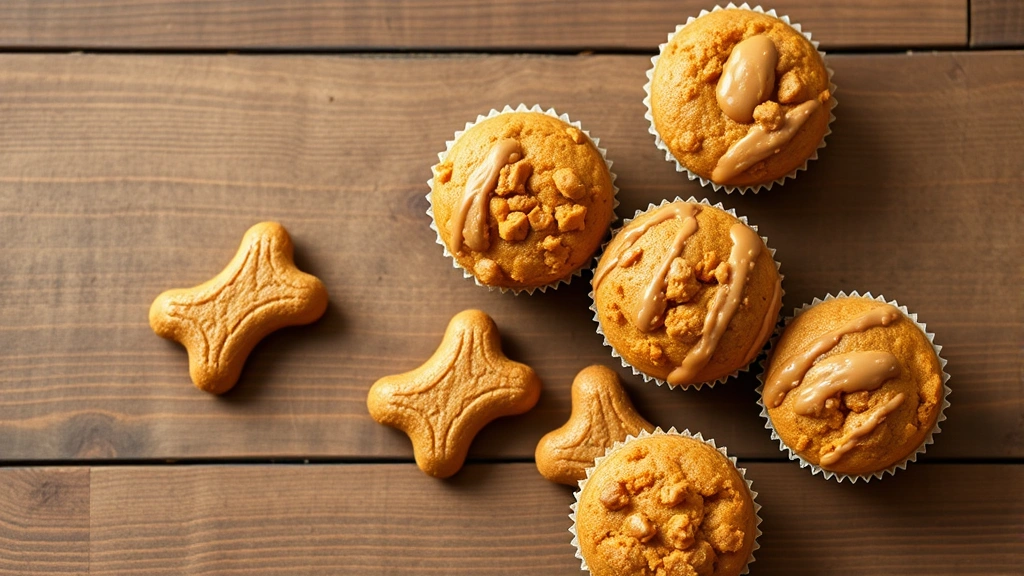
These little guys are basically muffins for dogs, and they’re ridiculously easy. Mix one cup of organic peanut butter (verify it’s xylitol-free—this stuff is toxic to dogs), one cup of pumpkin puree, two eggs, and two cups of whole wheat flour. Drop spoonfuls into a muffin tin and bake at 350°F for 15-20 minutes.
Why pumpkin? It’s a digestive superhero. It helps with both constipation and diarrhea, making it perfect for pets with sensitive stomachs. The peanut butter provides protein and that irresistible flavor that makes your dog think they’ve won the lottery.
Recipe #2: Sweet Potato and Chicken Training Treats
These are perfect for interactive feeding games and training sessions. They’re small, easy to portion, and your dog will literally work for these.
Bake organic sweet potatoes at 400°F for about 45 minutes, then slice them into thin strips. Pan-sear small pieces of organic chicken breast (no seasoning, please). Alternate layers in a container, refrigerate, and cut into bite-sized pieces when you need them. That’s it. Three ingredients. Maximum impact.
The beauty here is that you’re getting complex carbs, lean protein, and beta-carotene all in one snack. Your pet gets sustained energy, and you get a training tool that costs pennies.
Recipe #3: Frozen Banana and Blueberry Bites
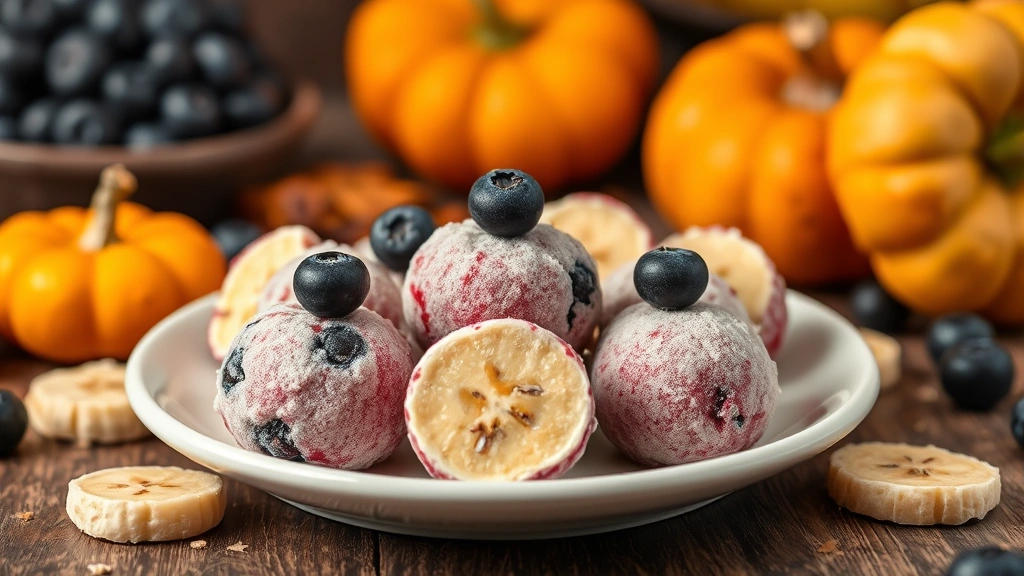
Summer is coming, and your dog is going to be hotter than a jalapeño in a skillet. These frozen treats are literally just mashed banana mixed with blueberries, spooned onto parchment paper, and frozen. Boom. Done.
Blueberries are antioxidant powerhouses—they’re basically nature’s version of a pet multivitamin. Bananas provide potassium and natural sweetness. When frozen, they become a refreshing popsicle that keeps your pup entertained on hot days. Plus, they’re great for dental health since the frozen texture helps clean teeth naturally.
Recipe #4: Apple and Cinnamon Crunchy Cookies
These are for the dog who demands texture variety. Mix one cup of organic applesauce, one tablespoon of cinnamon, and two and a half cups of whole wheat flour. Roll out thin, cut into shapes with cookie cutters (because presentation matters), and bake at 375°F for 12-15 minutes until they’re crispy.
Apples are fiber-rich and help freshen breath naturally. Cinnamon has anti-inflammatory properties and helps regulate blood sugar. Just avoid the Granny Smith apples—they’re too tart and can upset sensitive stomachs. Stick with Gala or Fuji varieties.
Recipe #5: Carrots and Coconut Oil Dental Chews
Your vet has probably mentioned that dental health is important (they mention it a lot, actually). These chews actually help. Slice organic carrots lengthwise, brush them with coconut oil, and freeze them overnight.
The texture naturally scrapes plaque off teeth, and coconut oil has antimicrobial properties. Your dog gets a satisfying chew, and you get to feel like you’re preventing dental disease without expensive vet cleanings. Win-win.
Recipe #6: Beef Broth and Vegetable Ice Cubes
This is the lazy person’s treat, and honestly, that’s fine. Make a batch of organic beef broth (low-sodium, no onions or garlic), pour it into ice cube trays with finely chopped organic carrots and spinach, and freeze. Pop one out whenever your pup needs a cool-down or a little nutritional boost.
These are particularly great for supporting weight management feeding plans because they’re mostly water with minimal calories but maximum satisfaction.

Recipe #7: Peanut Butter and Oat Energy Balls
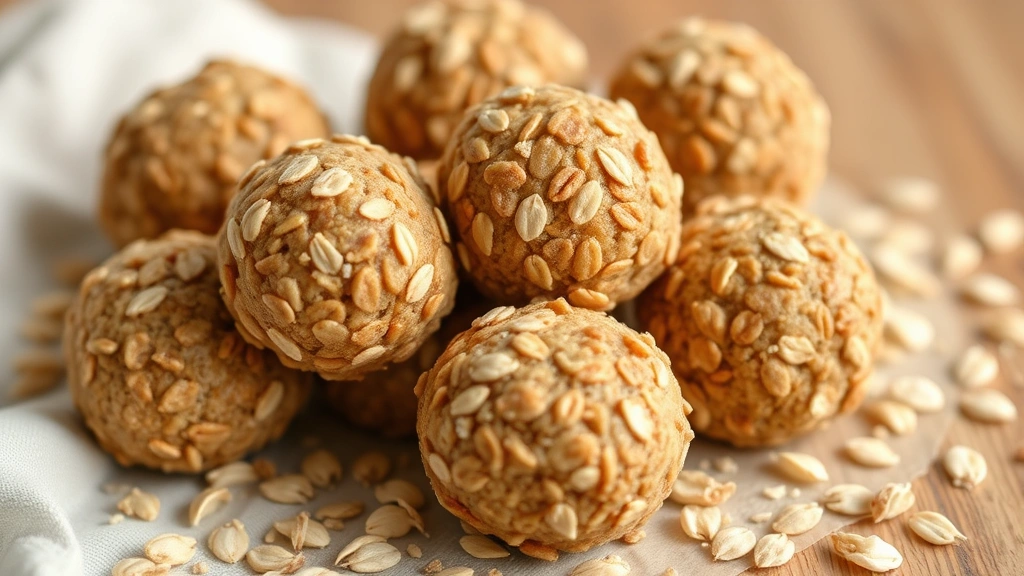
These no-bake treats are perfect when you’re too lazy to turn on the oven (which is always, let’s be real). Mix one cup of organic peanut butter, two cups of old-fashioned oats, and one-quarter cup of honey. Roll into balls and refrigerate.
The energy from the oats and healthy fats from peanut butter make these perfect for active dogs. They’re shelf-stable for about a week, so you can batch-make them on Sunday and have treats ready all week.
Recipe #8: Turkey and Sweet Potato Jerky Strips
For the dog who thinks they’re a wolf and needs to gnaw on something substantial, this is it. Slice organic turkey breast and organic sweet potatoes into thin strips, arrange on a baking sheet, and dehydrate at 200°F for about 3-4 hours.
You can also use a food dehydrator if you’re fancy. The slow-cooking process preserves nutrients while creating a chewy texture that keeps dogs occupied for hours. Consider this your secret weapon for preventing destructive behavior when you leave the house.

Recipe #9: Yogurt and Berry Frozen Treats
Plain, organic Greek yogurt mixed with organic blueberries and strawberries, frozen in small cups or ice cube trays, creates a probiotic-rich treat. The probiotics support digestive health, and the berries provide antioxidants.
Just make sure you’re using plain yogurt with no added sugars or artificial sweeteners. And definitely check that there’s no xylitol in the ingredient list—it’s a common sweetener in yogurt products and it’s dangerous for dogs.
Recipe #10: Salmon and Sweet Potato Patties
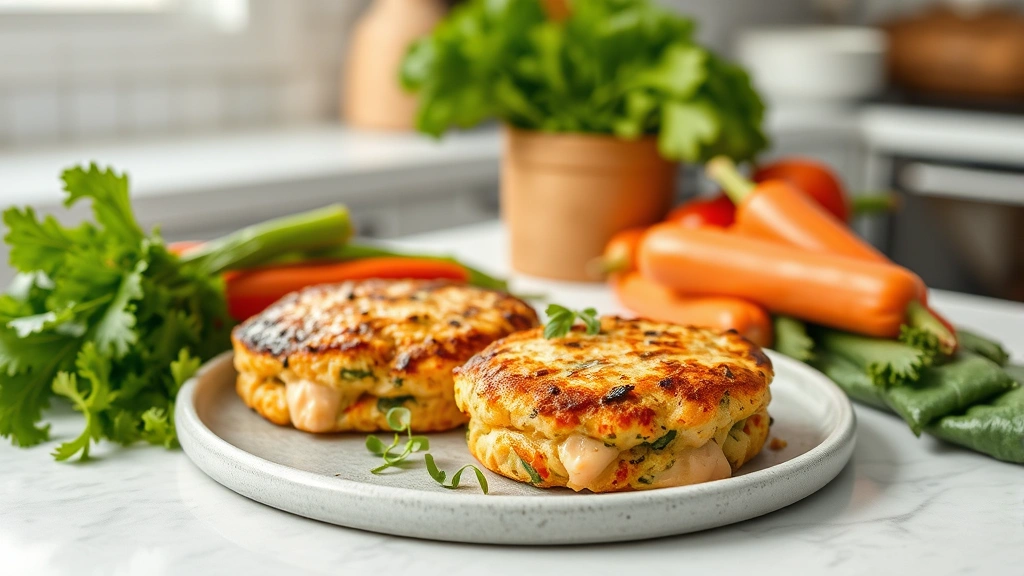
These are for the special occasions or the dog who just got through an illness and needs immune support. Mix canned wild-caught salmon (in water, drained), mashed sweet potato, and an egg. Form into patties and bake at 350°F for 20 minutes.
Salmon is loaded with omega-3 fatty acids, which reduce inflammation and support brain health. This is the treat you give when you want your dog to feel absolutely pampered. It’s also perfect for breed-specific feeding needs where certain dogs require extra joint support.
Storage and Safety Tips for Homemade Treats
Alright, you’ve made these beautiful organic treats for your pet. Now don’t let them go bad. Most homemade treats last about a week in the refrigerator and 2-3 months in the freezer. Label everything with the date because your brain will absolutely forget when you made that batch.
Keep treats in airtight containers, and if you notice any mold, smell, or weird texture, toss it. Your dog’s digestive system isn’t actually a garbage disposal, despite what they’d have you believe. According to PetMD, foodborne illness in pets is real, and homemade treats require proper storage and handling.
Also, treats should never exceed 10% of your dog’s daily caloric intake. These are supplements to their regular diet, not replacements. If you’re giving treats multiple times a day, adjust their regular food portions accordingly, or you’ll end up with a chubby pup who can barely fit through the doggy door.
Customizing Recipes for Your Pet’s Specific Needs
Not all dogs are created equal. Your senior Chihuahua has different needs than your athletic Lab. That’s where customization comes in. If your dog has allergies, swap out ingredients accordingly. Chicken-allergic? Use turkey or beef. Grain-sensitive? Use coconut flour or almond flour instead.
For dogs on limited ingredient diets, homemade organic treats are actually a blessing because you control every single component. No mystery ingredients, no cross-contamination in manufacturing facilities.
Talk to your vet about your dog’s specific nutritional needs. Some dogs need extra joint support, others need weight management, and some need digestive support. Your vet can help you identify which recipes work best for your individual pet.
Frequently Asked Questions
Can I use honey in dog treats?
Yes, organic raw honey is fine in small amounts. It has antimicrobial properties and provides natural sweetness. However, never use honey if you have puppies under one year old due to the slight botulism risk. Also, avoid any honey containing xylitol.
Are organic treats more expensive than commercial treats?
Actually, no. When you compare price-per-treat, homemade organic treats are usually significantly cheaper. You’re paying for ingredients, not fancy packaging and marketing. A bag of organic oats costs less than a single bag of commercial treats and makes dozens of homemade ones.
How do I know if my dog has an allergic reaction to a new treat?
Watch for itching, vomiting, diarrhea, or excessive scratching within 24-48 hours of introducing a new treat. If you notice any of these signs, eliminate that treat and contact your vet. When introducing new organic treat recipes, do it gradually and one new ingredient at a time so you can identify what causes issues.
Can cats eat these treats too?
Some of them, yes, but cats are pickier and have different nutritional needs. Most cats do fine with the salmon and chicken-based treats, but skip the peanut butter recipes and anything with grains. Cats are obligate carnivores, so they need protein-focused treats.
Do I need special equipment to make these treats?
Nope. A mixing bowl, a baking sheet, and an oven are all you need. A food processor helps with chopping, and a dehydrator is nice but not necessary. Keep it simple—these recipes are designed for regular people with regular kitchens.
How often can I give my dog homemade treats?
As long as they fit within the 10% daily caloric guideline, you can give them daily. Most dogs do great with one or two treats per day. Just adjust their regular meal portions to account for the extra calories, or you’ll have a roly-poly situation on your hands.
The Bottom Line on Organic Treat Recipes for Pets
Making organic treat recipes for pets isn’t complicated, expensive, or time-consuming. It’s actually one of the easiest ways to show your furry friend you care while simultaneously knowing exactly what they’re eating. You get peace of mind, your pet gets delicious, nutritious snacks, and everyone wins.
Start with one or two recipes that match your pet’s preferences and dietary needs. Once you get comfortable with the process, experiment with other flavors and ingredients. Your dog will become your biggest fan, and you’ll wonder why you ever bought commercial treats in the first place.
The bottom line? Organic treat recipes for pets are a game-changer. They’re healthier, safer, more affordable, and honestly, they make you feel like a pet parent superhero. So grab your ingredients, preheat that oven, and get ready to see your pup’s tail wag like never before.





