

An outdoor dog fence is the difference between your pup enjoying backyard freedom and you having a heart attack every time Fido spots a squirrel. Whether you’ve got a escape artist or just want to give your furry friend some supervised outdoor time, choosing the right fence setup is crucial for pet safety and peace of mind.
Table of Contents
- Why Your Dog Needs an Outdoor Dog Fence
- Traditional Wood Fencing: The Classic Choice
- Vinyl Fencing: Low-Maintenance and Durable
- Chain-Link Fencing: The Budget-Friendly Option
- Wireless and Electric Fences: Modern Containment Solutions
- Portable and Temporary Fences: Flexibility Meets Function
- Measuring Your Dog’s Fence Height Requirements
- Installation Tips for Maximum Security
- Combining Fencing with Proper Dog Gear
- Professional Installation vs. DIY
- Legal Considerations and Neighbor Relations
- Frequently Asked Questions
- Conclusion: Choosing Your Perfect Outdoor Dog Fence
Why Your Dog Needs an Outdoor Dog Fence
Let’s be real: dogs are curious creatures with the attention span of a goldfish on espresso. Without a proper outdoor dog fence, your beloved companion might decide that the neighbor’s yard looks way more interesting than yours. A quality fence isn’t just about containment—it’s about creating a secure space where your dog can burn energy, enjoy fresh air, and be their authentic chaotic selves without endangering themselves or becoming someone else’s problem.
Beyond the obvious escape prevention, a good fence also protects your dog from external threats like aggressive animals, traffic, and well-meaning strangers who don’t understand personal space.
Traditional Wood Fencing: The Classic Choice
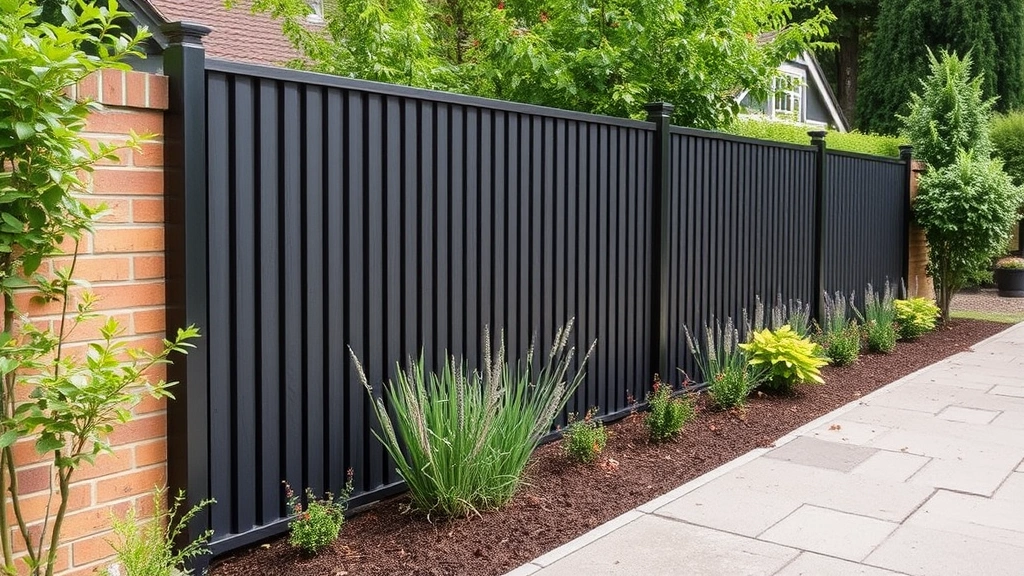
Wood fences are the timeless option that’s been keeping dogs contained since, well, forever. They offer privacy, aesthetic appeal, and that satisfying solid barrier that makes dogs feel secure. The downside? Wood requires maintenance—think staining, sealing, and replacing rotted boards every few years.
For dog owners, wood fences work best when they’re at least 4-6 feet tall (depending on your dog’s breed and jumping ability). You’ll also want to check the bottom regularly for gaps where determined diggers might escape. Pro tip: bury the fence 6-12 inches deep to discourage tunneling attempts.
Vinyl Fencing: Low-Maintenance and Durable
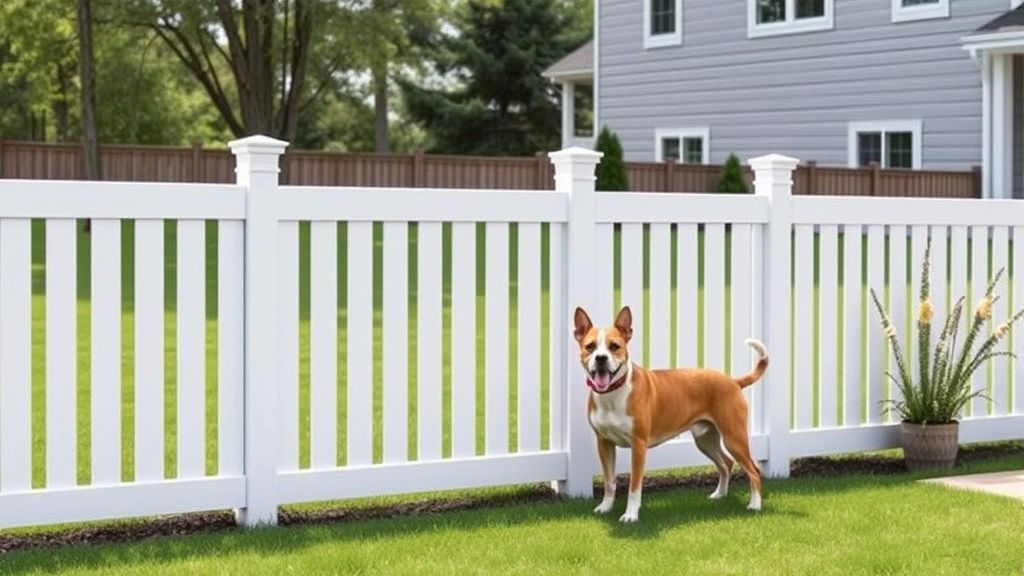
If you’re tired of weekend maintenance projects, vinyl fencing might be your answer. This modern alternative looks similar to wood but requires basically zero upkeep. No painting, no staining, no splinters—just occasional washing with a hose.
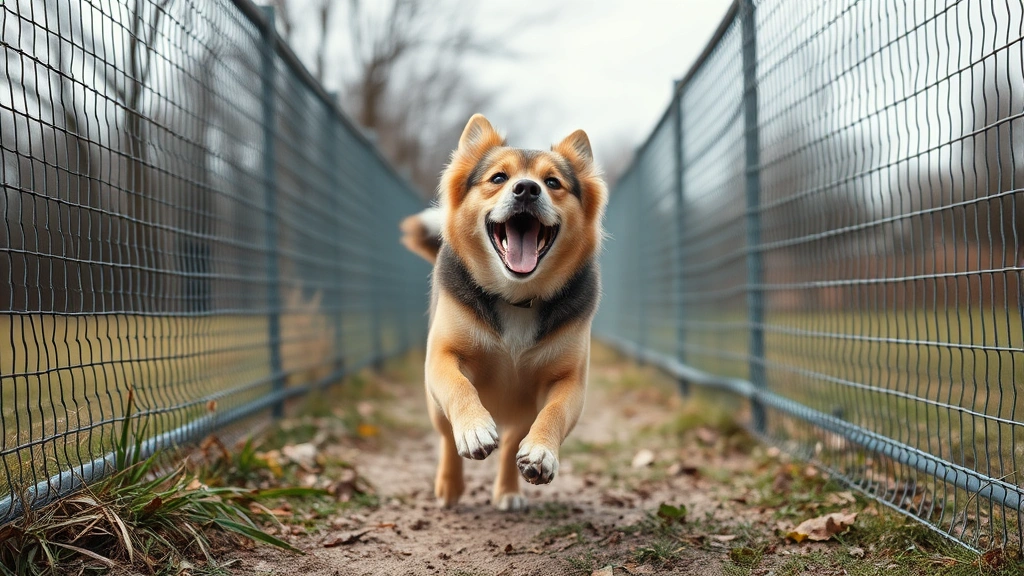
Vinyl fences are excellent for dog containment because they’re sturdy, won’t rot, and last 20+ years. They’re pricier upfront than wood, but the long-term savings on maintenance make them economical. Plus, they come in various colors and styles to match your home’s aesthetic while keeping your pup safely contained.
Chain-Link Fencing: The Budget-Friendly Option
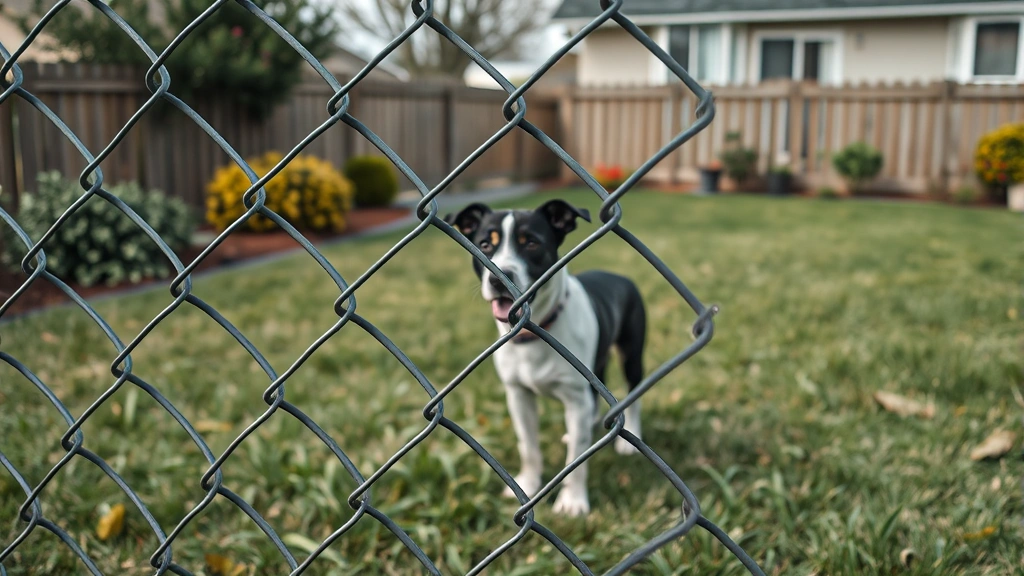
Chain-link is the practical choice for budget-conscious dog owners. It’s affordable, durable, and easy to install. While it doesn’t offer the privacy of wood or vinyl, it provides excellent visibility so you can monitor your dog’s outdoor adventures.
The main consideration with chain-link is that some dogs can climb or squeeze through gaps, especially smaller breeds or determined escape artists. Ensure the fence is at least 4-5 feet tall and check regularly for bent or damaged sections. Combining chain-link with a large dog harness for supervised outdoor time adds an extra safety layer.
Wireless and Electric Fences: Modern Containment Solutions
Wireless and electric fences use radio signals or buried wires to create invisible boundaries. They’re perfect for properties where traditional fences aren’t possible or for dog owners who want an unobstructed yard view. Your dog wears a collar that beeps and vibrates as a warning before delivering a mild static correction if they approach the boundary.
Here’s the honest truth: these systems work best for well-trained dogs who understand the boundaries. They won’t stop external threats from entering your yard, and some dogs (especially stubborn breeds) might decide the correction is worth chasing that rabbit. They’re excellent supplementary options but shouldn’t be your only containment method if safety is your top priority.
Portable and Temporary Fences: Flexibility Meets Function
For renters, frequent movers, or dog owners who want temporary containment options, portable fences are game-changers. These lightweight panels connect to create enclosures in various shapes and sizes. Some are designed for patios, others for camping trips or beach days.
While portable fences aren’t suitable for permanent containment (determined dogs can knock them over), they’re fantastic for giving your dog a safe outdoor space without permanent installation. They’re especially useful when you’re checking if your pup needs more supervision during outdoor time, or when dealing with extreme weather—speaking of which, always consider whether it’s too hot to walk your dog before letting them spend extended time outside.
Measuring Your Dog’s Fence Height Requirements
Not all dogs need the same fence height. Small breeds like Corgis typically need 3-4 feet, while medium dogs require 4-5 feet. Large and athletic breeds (think German Shepherds or Golden Retrievers) benefit from 5-6 foot fences. Giant breeds and known jumpers might even need 6+ feet.
Consider your dog’s personality too. Some dogs are escape artists by nature, while others are content staying in a modest enclosure. If you’re unsure, go taller rather than shorter—you can always adjust, but fixing escape problems is frustrating.
Installation Tips for Maximum Security
Whether you’re installing traditional fencing or setting up a temporary outdoor dog fence, proper installation is critical. Ensure posts are set deep and secure, especially if you have a large dog who might lean against the fence. Check for sharp edges, protruding nails, or gaps where smaller dogs could squeeze through.

The bottom of your fence deserves special attention. Dig down to check for existing gaps, and consider installing a footer or burying the fence deeper if your dog is a digger. Some owners add a “dig barrier” using landscape fabric or additional fencing material.
Combining Fencing with Proper Dog Gear
While an outdoor dog fence provides containment, pairing it with proper gear enhances safety. A quality leather dog collar or martingale collar for dogs ensures your pup can be quickly secured if needed. Make sure your dog’s ID tags and microchip information are current—because even the best fence can have unexpected failures.
Regular fence inspections should be part of your routine dog care, similar to caring for low maintenance dogs (which still need secure containment, by the way).
Professional Installation vs. DIY
Installing an outdoor dog fence yourself saves money but requires time, tools, and physical effort. If you’re handy and have the time, DIY installation for chain-link or temporary fences is doable. Wood and vinyl fencing are more complex and might benefit from professional installation to ensure proper alignment and durability.
Professional installers understand local codes, know how to handle challenging terrain, and guarantee their work. For permanent fencing solutions, professional installation often pays for itself through quality assurance and longevity.
Legal Considerations and Neighbor Relations
Before installing an outdoor dog fence, check local zoning laws and HOA regulations. Some areas have height restrictions or require permits. Discuss plans with neighbors—a good fence shouldn’t create conflict; it should prevent it.
Proper fencing demonstrates responsible pet ownership and shows you’re taking your dog’s safety seriously. Most neighbors appreciate a contained dog far more than one wandering their property.
Frequently Asked Questions
What’s the best outdoor dog fence for escape artists?
Vinyl or wood fences at least 5-6 feet tall work best for escape artists. Combine with buried footer material to prevent digging. Some owners add an angled extension at the top to prevent climbing. Avoid wireless fences for determined escapees since they’ll often choose escape over avoiding the correction.
Can I use an outdoor dog fence for all weather conditions?
Most fences handle weather well, but extreme conditions require monitoring. During hot weather, ensure your dog has shade and water access. For cold climates, check that wooden fences don’t crack from freeze-thaw cycles. Regular maintenance prevents weather-related deterioration.
How often should I inspect my outdoor dog fence?
Inspect your fence monthly, especially after storms or heavy use. Check for gaps, loose boards, rust, or damage. Look at the bottom for digging attempts or erosion. Early detection of problems prevents escape incidents.
Is an outdoor dog fence enough without supervision?
While a quality fence provides containment, supervision is still important for young dogs, puppies, or dogs with behavior issues. Fences prevent escapes but don’t stop external threats from entering. Regular outdoor time with supervision ensures your dog’s safety and well-being.
What’s the average cost of an outdoor dog fence?
Chain-link runs $1,500-$3,000 for average yards. Wood costs $2,000-$5,000. Vinyl ranges from $3,000-$8,000+. Wireless systems cost $200-$500. Prices vary by location, yard size, and installation complexity. Get multiple quotes before deciding.
Conclusion: Choosing Your Perfect Outdoor Dog Fence
Selecting the right outdoor dog fence depends on your budget, yard size, dog’s personality, and long-term plans. Traditional wood offers classic appeal but requires maintenance. Vinyl provides durability with minimal upkeep. Chain-link is budget-friendly and practical. Wireless systems offer flexibility. Temporary fences work for renters and specific situations.
Whatever you choose, prioritize quality installation, regular maintenance, and proper supervision. Combine your fence with appropriate gear like quality collars and ID tags. Your dog deserves a safe space to enjoy the outdoors, and you deserve peace of mind knowing they’re secure. Take time to assess your specific needs, consult local regulations, and invest in a solution that keeps your furry friend happy, healthy, and safely contained.
Remember: a good fence isn’t about restricting your dog’s freedom—it’s about creating a secure space where they can experience the joy of outdoor living without danger. That’s worth the investment.
External Resources:





