
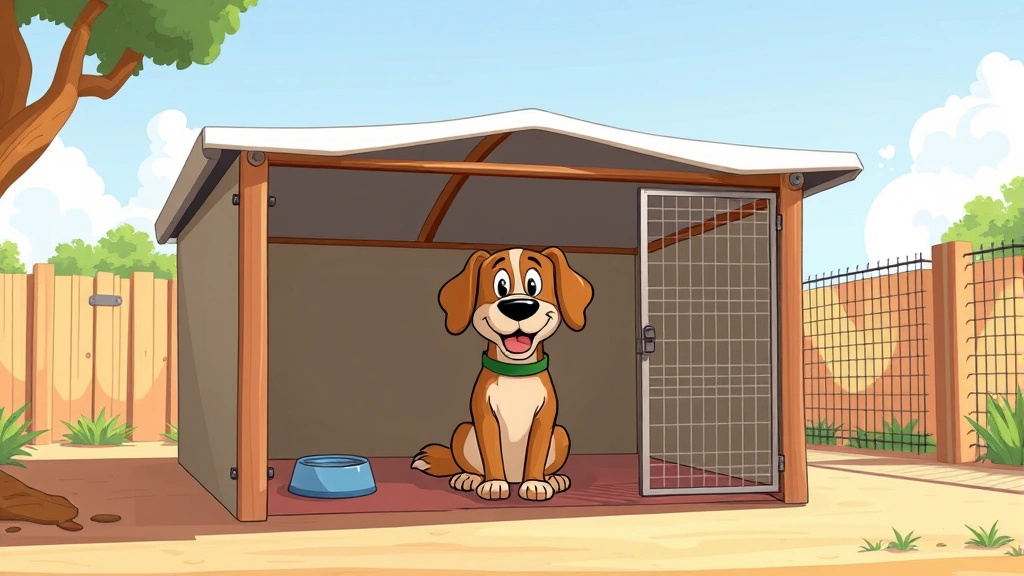
Your dog spends time outside. Maybe it’s a few hours, maybe it’s all day. Either way, an outdoor dog kennel isn’t just a place to park your pup—it’s their second home. Get it wrong, and you’ve got an escape artist, a stressed dog, or worse, a heat-exhausted buddy. Get it right? Your dog stays safe, happy, and you get peace of mind. This guide breaks down everything you need to know about setting up an outdoor dog kennel that actually works.
Choosing the Right Outdoor Dog Kennel
Not all outdoor dog kennels are created equal. Walk into a pet supply store and you’ll see chain-link boxes, plastic igloos, wood structures, and metal runs. Each has trade-offs. Your job is matching the kennel type to your dog’s needs, your climate, and your budget.
Chain-link kennels are the workhorses. They’re affordable, durable, and let your dog see what’s happening around them. The downside? Zero weather protection unless you add a roof. They also get hot in summer and cold in winter.
Plastic/resin kennels offer better insulation and come in cute colors. They’re lighter to move around. But they can crack in extreme cold, and they’re pricier. They also trap heat in summer if not positioned with airflow in mind.
Wooden kennels look nicer and provide decent insulation. Problem is: they rot, splinter, and need regular maintenance. Dogs also love to chew them. If you go wood, treat it annually and inspect for damage constantly.
Hybrid setups (chain-link frame with a roof section) are actually smart. You get visibility, partial weather protection, and flexibility. Many experienced dog owners go this route.
Real talk: the best outdoor dog kennel for you depends on your dog’s size, your local weather, and how long your dog spends outside daily. A German Shepherd in Arizona has different needs than a Chihuahua in Seattle.
Size Matters: How Much Space Does Your Dog Need?
This is where people mess up. They buy a kennel that’s “big enough” and then wonder why their dog seems stressed. Here’s the rule: your outdoor dog kennel should be at least 5 times the length of your dog from nose to rump, and at least 3 times their height at the shoulder.
Translation? A 60-pound Lab needs a kennel that’s roughly 8 feet long and 5 feet tall. A 20-pound Beagle? Maybe 6 feet by 4 feet. These aren’t luxurious. They’re minimum sizes for your dog to stand, turn around, and lie down comfortably.
If your dog spends more than 4 hours a day in the outdoor dog kennel, go bigger. A lot bigger. Space prevents frustration, boredom, and behavioral issues. Think of it like this: would you want to spend 6 hours in a bathroom? Your dog feels the same way.
Measure twice, buy once. Bring your dog’s measurements when shopping. Don’t eyeball it.
Shelter and Protection from Weather
An outdoor dog kennel without shelter is just a cage. Your dog needs protection from sun, rain, wind, and snow. This is non-negotiable, especially if your outdoor dog kennel is in direct sun most of the day.
Roof options: A solid roof (metal or heavy plastic) keeps rain out and provides shade. Tarps work in a pinch, but they flap in wind and can scare dogs. Lattice or shade cloth allows airflow while blocking UV rays—good for hot climates. The best setups have a roof over half the kennel, leaving the other half open for airflow and natural light.
Flooring matters too. Concrete is easy to clean but gets scorching hot and is hard on joints. Gravel drains well but gets muddy and harbors parasites. Rubber mats are comfy but need regular cleaning. Wood chips look natural but decompose and need replacing. Many vets recommend a combination: gravel base for drainage, with rubber mats or straw in the shelter area.
Wind protection: If your area gets gusty, add windbreaks on the exposed sides. Lattice panels or shade cloth work. Solid walls trap heat, so leave gaps for air circulation.
In winter, add a dog house or insulated shelter inside the outdoor dog kennel. Your dog shouldn’t have to huddle in a corner to stay warm. Check out resources from the American Kennel Club for winter dog care tips to learn more about cold-weather setups.
Water, Food, and Hydration
Dehydration kills. I’ve seen it. A dog left in an outdoor dog kennel without fresh water on a 75-degree day can be in trouble within hours. This is where many owners drop the ball.
Water setup: Use a heavy bowl that can’t tip (ceramic or stainless steel). Plastic bowls get chewed and leach chemicals. Better yet, invest in an automatic waterer designed for outdoor kennels. They’re not expensive and they refill as your dog drinks. Change water daily, even if the bowl looks full. Algae and bacteria grow fast in sunlight.
In winter, water freezes. You’ll need heated bowls or frequent water checks. Some owners use heated dog bowls ($20-40) to prevent freezing. Worth it if you’re leaving your dog outside in cold weather.
Pro tip: Add a second water bowl as backup. If one tips or gets contaminated, your dog has options.
Food in outdoor kennels: Don’t leave food sitting out all day. Bugs colonize it, heat spoils it, and it attracts pests. Feed your dog at specific times and remove uneaten food after 15-20 minutes. If your dog spends all day outside, you need someone checking in at lunch to provide fresh food and water.
If your dog isn’t drinking enough water, check out our guide on encouraging hydration. Dehydration is serious.
Security and Safety Considerations
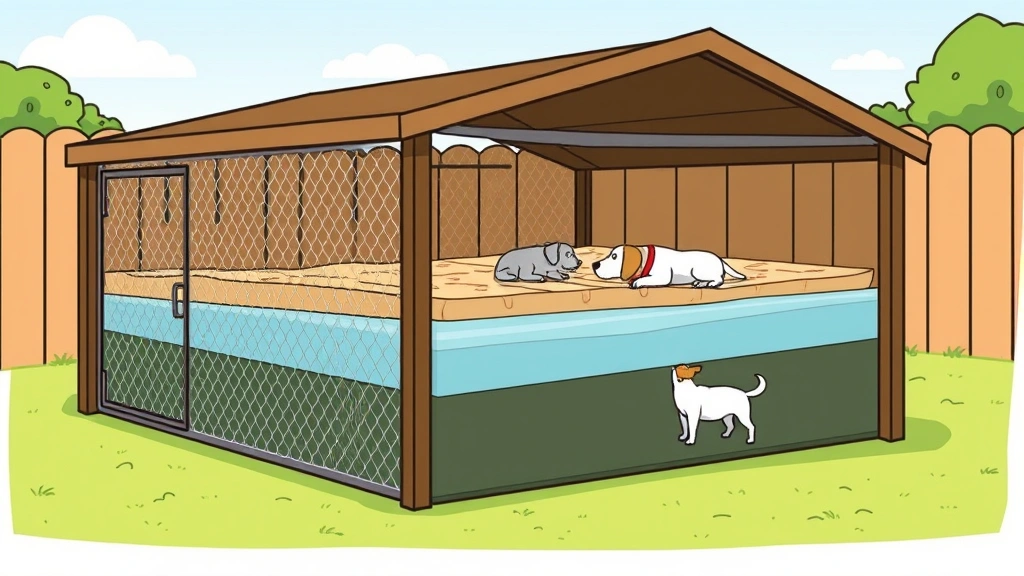
An outdoor dog kennel needs to be an escape-proof zone. Not just for your dog’s safety, but for liability. If your dog gets out and causes trouble, you’re responsible.
Escape prevention: Check for gaps, sharp edges, and weak spots weekly. Dogs are escape artists—they’ll dig under, climb over, or squeeze through anything. Bury fencing 6-12 inches deep to stop diggers. Smooth any sharp edges that could cut. Make sure gates latch securely and can’t be nudged open.
Roof security: Larger dogs can jump out of kennels. If your dog is athletic, add a roof or extend the sides higher. A 6-foot-tall kennel stops most dogs, but some breeds (looking at you, Huskies) will test it.
Predator protection: In areas with coyotes, hawks, or other predators, a fully enclosed outdoor dog kennel with a roof is essential. A covered top prevents aerial attacks. Bury fencing to stop digging predators.
Visibility: Position your outdoor dog kennel where you can see it from the house. Dogs left in hidden kennels get forgotten, stressed, or injured without anyone noticing. Plus, regular checks build good habits.
Check local AKC guidelines on outdoor housing for breed-specific recommendations and best practices.
Health and Maintenance in Outdoor Kennels
An outdoor dog kennel is a magnet for parasites, bacteria, and mold if you’re not careful. Your dog’s health depends on regular cleaning and maintenance.
Parasite prevention: Outdoor kennels are parasite hotels. Fleas, ticks, and worms love the moist, warm environment. Learn how dogs get fleas and why outdoor kennels are high-risk. Keep your dog on a year-round parasite prevention plan recommended by your vet. Clean the kennel weekly, removing feces immediately. Replace bedding regularly.
Tick checks: If your dog spends time in an outdoor dog kennel in wooded or grassy areas, check out our guide on tick removal and prevention. Inspect your dog daily, especially ears, between toes, and under the tail.
Grass allergies: Some dogs develop allergies to outdoor environments. If your dog is scratching excessively in the outdoor dog kennel, read about grass allergies and how to manage them. It might not be the kennel itself—it could be environmental.
Regular cleaning schedule:
- Daily: Remove feces, check water, inspect for damage or escape routes.
- Weekly: Deep clean with pet-safe disinfectant, replace bedding, check for parasites.
- Monthly: Inspect structure for rust, rot, or wear. Repair immediately.
- Seasonally: Winterize or prepare for heat. Check roofing and seals.
Nail maintenance: Dogs in outdoor kennels often don’t wear their nails down naturally. Check them monthly. If they’re clicking on the ground, they’re too long. Learn how to trim black nails safely or have your vet do it.
Enrichment and Comfort Setup
Just because your dog is in an outdoor dog kennel doesn’t mean they should be bored. Boredom leads to destructive behavior, anxiety, and frustration. Your job is making the space interesting and comfortable.
Bedding: Straw is warm and natural but gets moldy in wet climates. Rubber mats are durable and easy to clean. Cedar chips smell nice but can irritate sensitive dogs. Combination approach: gravel for drainage, rubber mats for comfort, straw for insulation in winter.
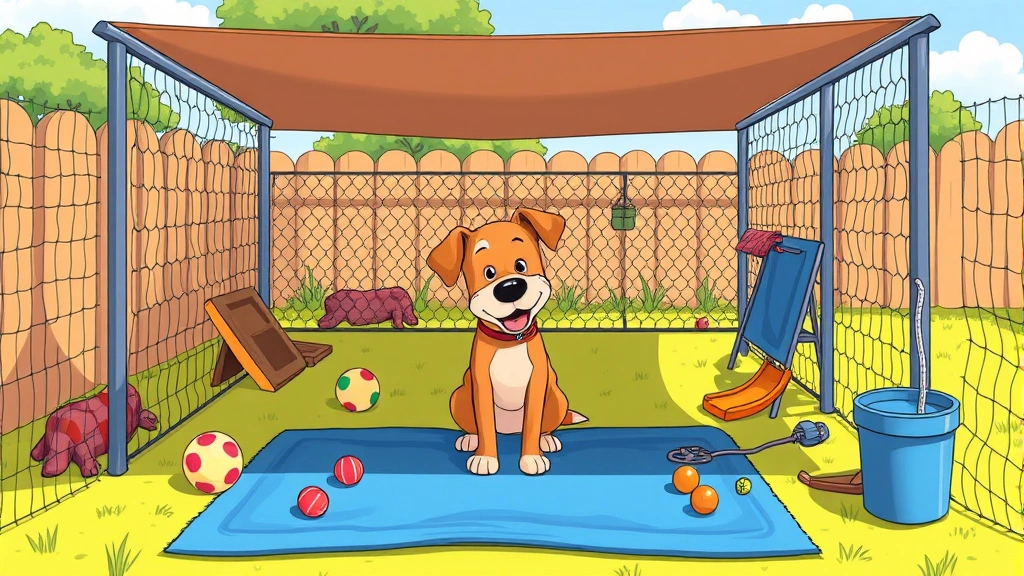
Toys and enrichment: Rotate toys to keep things fresh. Kong toys stuffed with treats, puzzle feeders, and chew toys keep dogs mentally engaged. Avoid toys that splinter or have small parts that can be swallowed. Durable rubber toys designed for outdoor use are your friend.
Social time: An outdoor dog kennel shouldn’t be a prison. Your dog needs interaction. Spend time with them in or near the kennel. Play fetch, do training, just hang out. This prevents isolation stress and keeps your bond strong.
Shade and cooling: Even with a roof, outdoor kennels get hot. Add shade cloth, plant trees nearby, or position the kennel in a naturally shaded area. In extreme heat, consider a kiddie pool (if your dog likes water) or a cooling mat.
Visibility windows: Dogs like to see what’s happening. Position the outdoor dog kennel where your dog can watch the neighborhood, birds, or the house. This provides mental stimulation and reduces anxiety.
Seasonal Adjustments and Climate Control
Your outdoor dog kennel needs to adapt to the season. What works in spring is dangerous in summer or winter.
Summer heat: This is the danger zone. Heat exhaustion happens fast. Ensure maximum shade and airflow. Add a misting system or cooling mat in extreme climates. Limit outdoor kennel time on days over 85 degrees—bring your dog inside during peak heat (10 a.m. to 4 p.m.). Check water constantly. Your dog should have access to shade at all times.
Winter cold: Dogs handle cold better than heat, but not indefinitely. Add insulation to shelter areas. Use straw or blankets (replace if wet). A dog house inside the outdoor dog kennel is essential. Heated mats or heated dog beds provide extra comfort. Limit time outside in extreme cold. Breeds with thin coats (Greyhounds, Pit Bulls) need coats or should spend more time indoors.
Spring and fall: Mild seasons are actually when parasites thrive. Keep up with flea and tick prevention. Check the outdoor dog kennel for water buildup or mold after rain.
Rain and wet weather: Ensure proper drainage. Standing water breeds parasites and mold. Add gravel, elevate bedding, or slope the ground slightly away from shelter areas. Check roofing for leaks. Wet bedding promotes skin issues—replace it regularly.
Frequently Asked Questions
How long can a dog stay in an outdoor dog kennel?
– Most dogs shouldn’t spend more than 8-10 hours per day in an outdoor dog kennel. Puppies and senior dogs need even less time. Dogs are social animals—they need interaction, exercise, and indoor time. An outdoor kennel is a tool, not a permanent home. If your dog is spending entire days outside, consider your setup and whether it’s meeting their needs.
Is it cruel to keep a dog in an outdoor kennel?
– Not if it’s done right. A properly sized, well-maintained outdoor dog kennel with shelter, water, enrichment, and regular human interaction is safe and appropriate. It’s cruel if the kennel is tiny, dirty, has no shelter, or the dog is isolated for days. The key is balance: outdoor time plus indoor time, plus exercise and attention.
What’s the best outdoor dog kennel material?
– It depends on your climate and budget. Chain-link with a roof is affordable and practical. Plastic kennels are lightweight and insulated. Wood looks nice but needs maintenance. For most situations, a hybrid setup (chain-link frame with a roof section) offers the best balance of visibility, protection, and durability. Whatever you choose, ensure it’s sturdy, secure, and easy to clean.
Can I leave my dog in an outdoor kennel overnight?
– Overnight outdoor kennel time is okay for adult dogs in mild weather, but it’s not ideal long-term. Overnight brings predators, temperature drops, and isolation stress. If you need overnight outdoor housing, ensure shelter is insulated, water is available, and the kennel is secure. Better option: bring your dog inside at night, especially in extreme weather.
How do I prevent my dog from escaping the outdoor dog kennel?
– Inspect weekly for gaps, dig-outs, and weak spots. Bury fencing 6-12 inches deep. Ensure gates latch securely. For athletic dogs, raise the height or add a roof. Consider adding a roller bar to the top to prevent climbing. Walk the perimeter regularly—you’ll spot escape routes before your dog does.
What should I do if my dog seems anxious in the outdoor dog kennel?
– Anxiety often means the kennel is too small, too isolated, or the dog isn’t getting enough exercise beforehand. Increase kennel size if possible. Position it where your dog can see activity. Spend time with your dog in or near the kennel. Provide toys and enrichment. Exercise your dog well before kennel time—a tired dog is a calm dog. If anxiety persists, consult your vet or a trainer about desensitization techniques.
How often should I clean the outdoor dog kennel?
– Remove feces daily. Deep clean weekly with pet-safe disinfectant. Replace bedding as needed (more often in wet climates). Monthly inspections for damage. Seasonal deep cleans before weather changes. The more frequently you clean, the healthier your dog stays.
Is a heated dog house necessary in winter?
– For cold climates or thin-coated breeds, yes. A heated dog house or heated bed keeps your dog safe in freezing temperatures. For mild winters or cold-weather breeds (Huskies, Malamutes), a well-insulated shelter with straw is often enough. Know your dog’s breed and your climate. When in doubt, bring your dog inside during extreme cold.





