
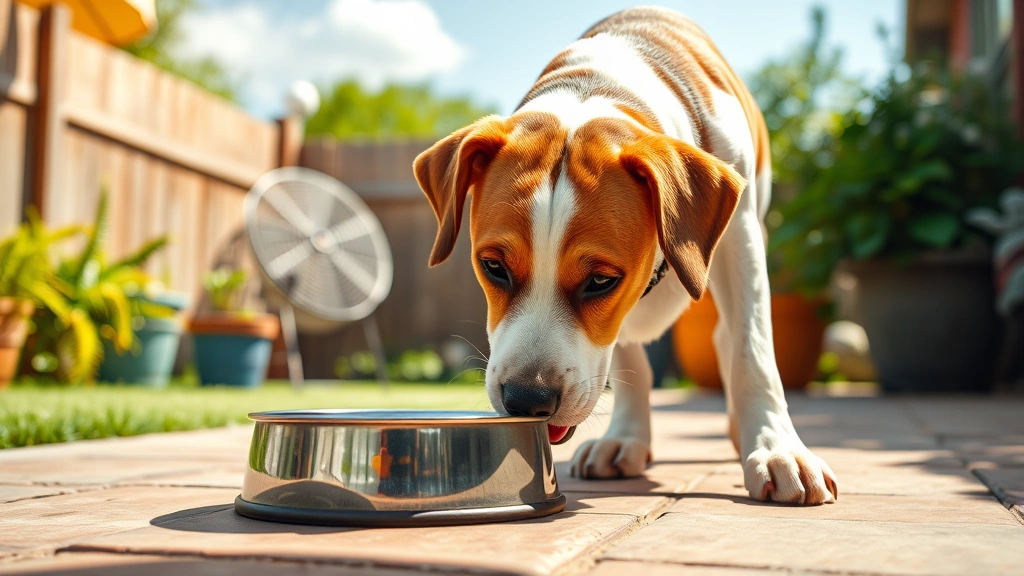
Getting outdoor feeding schedules right is like mastering the art of feeding your pet in the wild—except your backyard isn’t actually the Serengeti, and your dog won’t hunt you down if dinner’s five minutes late. But here’s the thing: outdoor feeding comes with its own unique challenges that indoor feeding simply doesn’t have. Weather, wildlife, temperature fluctuations, and seasonal changes all throw curveballs at even the most organized pet parents.
Table of Contents
- Understanding Outdoor Feeding Challenges
- Tip #1: Establish a Consistent Feeding Time Routine
- Tip #2: Account for Seasonal Temperature Variations
- Tip #3: Match Feeding Frequency to Activity Levels
- Tip #4: Protect Food from Weather and Wildlife
- Tip #5: Monitor Portion Sizes and Adjust Based on Body Condition
- Hydration: The Often-Forgotten Component
- Seasonal Adjustments to Outdoor Feeding Schedules
- Health Monitoring Through Feeding Observations
- Common Outdoor Feeding Mistakes to Avoid
- Frequently Asked Questions
- Summary: Making Outdoor Feeding Schedules Work
Whether you’re feeding Fido on the patio or setting up a feeding station in your yard, nailing the timing, portion sizes, and feeding strategy will keep your furry friend thriving. Let’s dig into the essentials.
Understanding Outdoor Feeding Challenges
Outdoor feeding isn’t just about tossing kibble in a bowl and calling it a day. Mother Nature has opinions about your pet’s mealtime. Rain can waterlog dry food, turning it into a soggy mess. Insects love a good kibble buffet. Temperature swings affect how quickly food spoils, and wildlife—from raccoons to birds—see your pet’s meal as an all-you-can-eat invitation.
According to the American Kennel Club, outdoor feeding requires extra vigilance regarding food safety and portion control. Your pet’s outdoor eating habits directly impact their health, energy levels, and weight management.
Tip #1: Establish a Consistent Feeding Time Routine
Consistency is the cornerstone of any solid dog feeding routine. Pets thrive on predictability—their digestive systems actually expect food at regular intervals. When you feed outdoors, establish set times: breakfast at 7 AM, dinner at 6 PM, for example.
Why does this matter? A consistent schedule helps regulate your pet’s metabolism, prevents overeating out of boredom, and makes it easier to monitor their appetite. If your dog suddenly refuses food at their usual outdoor feeding time, you’ll notice immediately—a red flag that something might be off health-wise.
Pro tip: Feed during daylight hours when you can supervise. This prevents nocturnal critters from treating your backyard like a 24-hour diner.
Tip #2: Account for Seasonal Temperature Variations
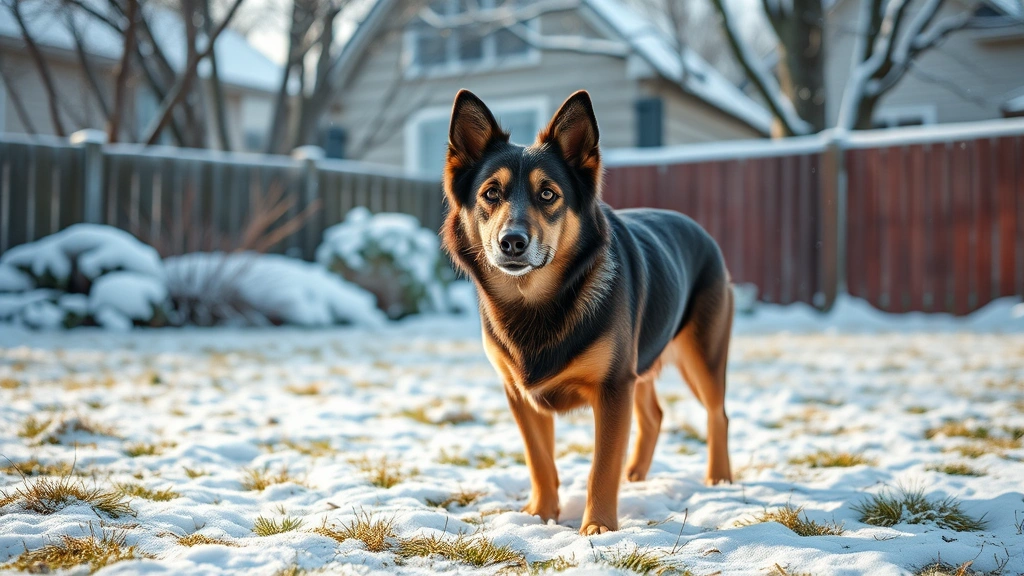
Your pet’s caloric needs aren’t static. They shift with the seasons, and outdoor feeding schedules must adapt accordingly. During winter, your dog burns extra calories just staying warm. During summer, they might eat less due to heat stress.
Check out our detailed guide on cold weather caloric needs to understand exactly how much more your outdoor pup needs when temperatures drop. According to PetMD’s nutrition experts, outdoor dogs in cold climates may need 10-25% more calories than their indoor counterparts.
In summer, feed earlier in the morning or later in the evening when it’s cooler. This prevents heat-related digestive issues and keeps food fresher longer. Winter outdoor feeding schedules should include slightly larger portions and higher-fat foods for sustained energy.
Tip #3: Match Feeding Frequency to Activity Levels
An outdoor dog that spends eight hours chasing squirrels needs a different feeding strategy than a patio lounger. Activity level is huge when designing your outdoor feeding schedules.

Our article on feeding active vs. inactive dogs breaks down exactly how to adjust portions and frequency. Generally speaking:
- Highly active dogs: May benefit from two meals per day with higher protein content
- Moderately active dogs: Standard twice-daily feeding works well
- Less active dogs: Once-daily feeding or smaller portions to prevent weight gain
The key is observing your individual pet. Some dogs are metabolic furnaces; others are more conservative with calories. Outdoor feeding gives you the perfect opportunity to really watch how your pet responds to food.
Tip #4: Protect Food from Weather and Wildlife
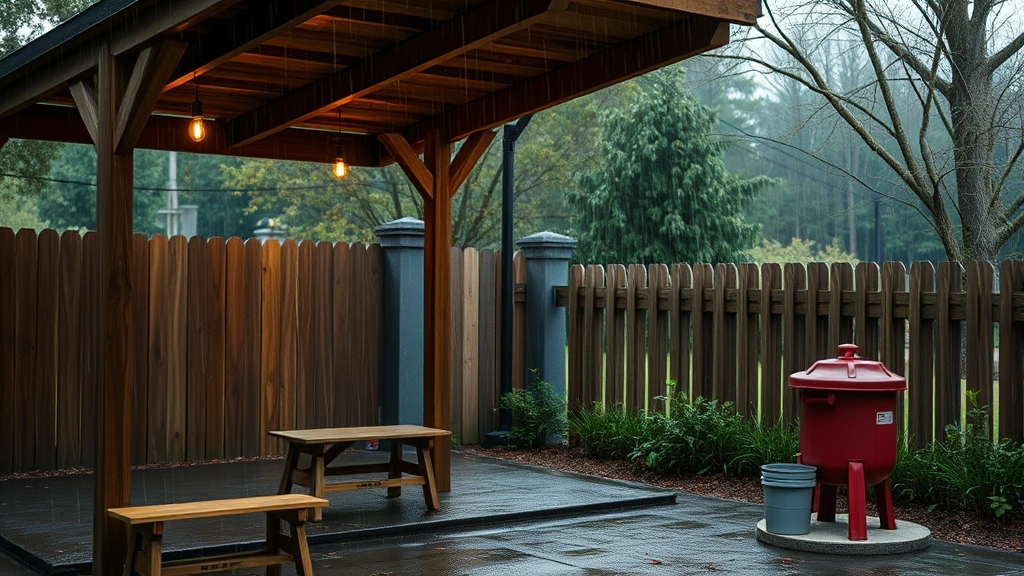
Leaving a bowl of kibble exposed outdoors is basically an invitation to every critter within a five-mile radius. Rain, insects, and animals will compromise food quality and potentially introduce contaminants.
Solution? Invest in protective feeding equipment. Gravity feeders for pets offer weather protection while maintaining portion control. Alternatively, use covered feeding stations or bring food bowls inside immediately after feeding (within 15-20 minutes).
Never leave wet or canned food outside for more than 10 minutes. Dry kibble can last a bit longer, but anything left beyond 30 minutes should be discarded. This prevents bacterial growth and foodborne illness.
Tip #5: Monitor Portion Sizes and Adjust Based on Body Condition
Here’s where many outdoor feeders slip up: portion creep. Because you can’t see your pet throughout the day, it’s easy to overfeed at scheduled meals to compensate.
Use our weight-based feeding guide to determine exact portions for your pet’s size and age. Most dogs need 2-3% of their body weight in food daily, but this varies based on age, metabolism, and activity level.
Check your pet’s body condition monthly. You should feel their ribs easily but not see them prominently. If your outdoor-fed pup is gaining weight, reduce portions by 10-15%. If they’re losing weight, increase accordingly. Outdoor feeding schedules should be living, breathing plans—not set-it-and-forget-it arrangements.
Hydration: The Often-Forgotten Component
While we’re focused on feeding schedules, hydration deserves equal attention. Outdoor-fed pets need constant access to fresh water, especially during warm months. Water bowls should be in shaded areas and refreshed multiple times daily.
Dehydration can sneak up fast, particularly if your pet is eating dry kibble outdoors in the heat. Consider using food dispensing toys that incorporate water access, or set up a dedicated water station near your feeding area.
Seasonal Adjustments to Outdoor Feeding Schedules
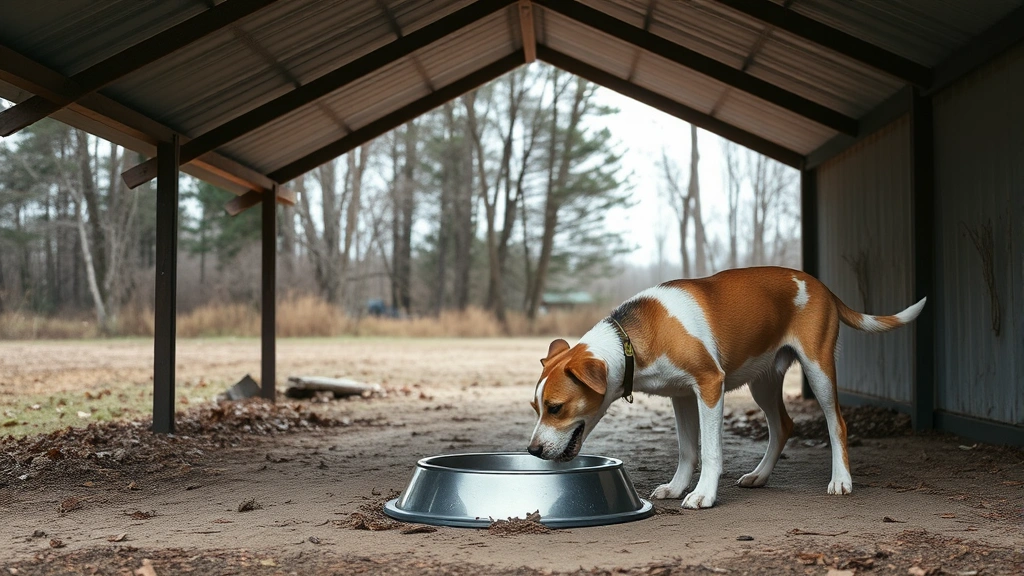
Spring and fall are transition seasons that require feeding schedule tweaks. As temperatures warm in spring, gradually reduce portion sizes. As autumn approaches and temperatures drop, increase portions and shift toward higher-calorie foods.
Spring outdoor feeding schedules should focus on lighter meals to prevent digestive upset during seasonal transitions. Fall is the time to build up reserves for winter—increase portions gradually as temperatures decline.
Health Monitoring Through Feeding Observations
Outdoor feeding schedules offer a unique advantage: direct observation. You see your pet eat, notice if they’re finishing meals, and catch appetite changes immediately.
Use this to your advantage. Track:
- How quickly your pet finishes meals
- Any changes in appetite
- Digestive issues (loose stools, constipation)
- Energy levels post-feeding
- Weight fluctuations
These observations are goldmines for your veterinarian if health issues arise.
Common Outdoor Feeding Mistakes to Avoid
Don’t fall into these traps:
- Inconsistent timing: Feeding at random times disrupts digestion and metabolism
- Ignoring weather: Extreme temperatures require feeding schedule adjustments
- Leaving food out: Spoiled food causes serious health issues
- Overfeeding “just in case”: Your outdoor dog doesn’t need extra portions because they’re outside
- Neglecting water: Outdoor pets need constant hydration access
- One-size-fits-all portions: Every dog is different; adjust based on individual needs
Frequently Asked Questions
How often should I feed my dog outdoors?
Most adult dogs thrive on twice-daily outdoor feeding schedules—morning and evening. Puppies need three to four meals daily, while senior dogs may do well with one or two meals. The key is consistency and matching frequency to your pet’s age, activity level, and health status.
Can I leave dry kibble outside all day?
No. While dry kibble is more stable than wet food, it should only be left outside for 20-30 minutes maximum. After that, bring it inside. Exposure to humidity, insects, and temperature fluctuations degrades food quality and creates health risks.
Should outdoor feeding schedules differ in winter?
Absolutely. Winter outdoor feeding schedules should include 10-25% more calories, higher fat content, and possibly more frequent meals. Cold weather increases energy expenditure, so your outdoor pet needs extra fuel to maintain body temperature.
How do I prevent wildlife from eating my pet’s food?
Use covered feeding stations, bring food inside after 15-20 minutes, feed during daylight hours when you can supervise, and consider motion-activated lights or sprinklers as deterrents. Gravity feeders designed for outdoor use also help protect food from wildlife.
What’s the best way to transition my indoor dog to outdoor feeding?
Gradual transitions work best. Start by feeding your dog outdoors for short periods while you supervise. Gradually extend outdoor feeding time over 1-2 weeks. Keep the same food and feeding schedule initially, then adjust as needed based on how your dog adapts to outdoor eating.
Can outdoor feeding cause digestive problems?
Yes, if not done properly. Spoiled food, inconsistent schedules, rapid dietary changes, or exposure to contaminants can all cause digestive upset. Stick to consistent outdoor feeding schedules, protect food from the elements, and monitor your pet’s digestive health closely.
Summary: Making Outdoor Feeding Schedules Work
Outdoor feeding schedules don’t have to be complicated, but they do require attention to detail. Consistency is your foundation—feed at the same times daily. Adapt to seasonal changes by adjusting portions and caloric content. Protect food from weather and wildlife. Monitor your pet’s body condition and health. And never forget that hydration is just as important as nutrition.
The beauty of outdoor feeding is the opportunity to closely observe your pet’s eating habits and health. Use this advantage to catch problems early and keep your outdoor companion thriving. With these five essential tips, your outdoor feeding schedule will become second nature, and your pet will be healthier and happier for it.





