

Your dog is limping. Or maybe they’re just lying there, not interested in their favorite toy. That sinking feeling hits: my dog is in pain. Here’s the truth—pain meds for dogs are one of the most effective ways to get your best friend back to themselves, but knowing which ones, when to use them, and how to give them safely? That’s where most dog owners get lost. I’ve seen countless dogs transform once their pain is managed properly. This guide walks you through everything you need to know about pain meds for dogs, from NSAIDs to opioids, side effects, and real-world tips that actually work.
Types of Pain Meds for Dogs
Pain meds for dogs fall into a few main categories, and your vet will choose based on what’s causing the pain and how severe it is. Think of it like a toolbox—you wouldn’t use a sledgehammer for a nail, and you wouldn’t use a tack hammer for a foundation.
- NSAIDs (Non-Steroidal Anti-Inflammatory Drugs) – The workhorses. Carprofen, meloxicam, and firocoxib are the most common.
- Opioids – Heavy hitters for serious pain. Tramadol and codeine are the most frequently prescribed.
- Gabapentin – A nerve pain specialist. Great for chronic pain, especially arthritis.
- Muscle relaxants – Help with tension and spasms.
- Topical treatments – Like Neosporin on dogs, though these are more for minor wounds.
The good news? Your vet isn’t going to guess. They’ll examine your dog, possibly run diagnostics, and prescribe pain meds for dogs that match the actual problem.
NSAIDs: The First-Line Option
If your dog has arthritis, just had surgery, or pulled a muscle, NSAIDs are probably what your vet will reach for first. They reduce inflammation and block pain signals, which is why they’re so effective. Carprofen (Rimadyl) and meloxicam (Metacam) are the household names here.
According to the American Association of Feed Control Officials and veterinary pain management guidelines, NSAIDs are considered safe when dosed correctly and monitored. But—and this is important—they’re not risk-free.
Pro Tip: NSAIDs work best when given with food. An empty stomach increases the risk of gastrointestinal upset. If your vet says to give it with food, they mean it.
The mechanism is straightforward: NSAIDs block cyclooxygenase (COX) enzymes, which produce prostaglandins that cause inflammation and pain. For dogs with arthritis, this is life-changing. I’ve seen senior dogs go from barely moving to actually playing again.
Common pain meds for dogs in the NSAID category:
- Carprofen (Rimadyl) – Typical dose is 2 mg/lb twice daily or 4 mg/lb once daily
- Meloxicam (Metacam) – Usually 0.1 mg/lb once daily
- Firocoxib (Previcox) – Dosed at 5 mg/kg once daily
- Deracoxib (Deramaxx) – Similar dosing to firocoxib
Duration matters too. For acute pain (like post-surgery), you might give NSAIDs for 7-14 days. For chronic conditions like arthritis, your dog might stay on them long-term. Your vet will reassess every 6-12 months to make sure the benefits outweigh any risks.
Opioids for Severe Pain
When pain meds for dogs need to be stronger—think severe trauma, post-operative pain, or end-of-life comfort—opioids come into play. Tramadol is the most commonly prescribed opioid for dogs because it’s oral, relatively affordable, and effective.
Here’s the reality: opioids work, and they work fast. But they also come with baggage. Your dog might get drowsy, constipated, or a little loopy. That’s normal. What’s not normal is vomiting, extreme lethargy, or difficulty breathing—those are red flags.
Common opioid pain meds for dogs include:
- Tramadol – 5-10 mg/kg every 6-8 hours (oral)
- Codeine – Usually combined with acetaminophen in cough syrups; rarely used alone for pain
- Morphine – Injectable, typically for severe acute pain or end-of-life care
- Hydrocodone – Less common, but sometimes used for severe pain
Tramadol is interesting because it’s a synthetic opioid that also increases serotonin and norepinephrine—basically it hits pain from multiple angles. That’s why it’s so popular for chronic pain in dogs.
Safety Warning: Never give your dog human opioids from your medicine cabinet. Dosing is completely different, and what’s safe for you could be toxic or fatal for your dog. Always use prescription pain meds for dogs prescribed by your vet.
Other Pain Management Options
Pain meds for dogs aren’t just pills. There’s a whole arsenal of other approaches that work alongside medication.
Gabapentin is a game-changer for neuropathic pain and arthritis. It’s not an anti-inflammatory, so it works differently than NSAIDs. Many vets use it as an add-on therapy. Typical dosing is 5-10 mg/kg three times daily. The side effect? Sedation, which is actually helpful if your dog is anxious or restless from pain.
Muscle relaxants like methocarbamol help when muscle tension is part of the problem. They’re especially useful post-surgery or after injury.
Physical therapy and rehabilitation are underrated. Underwater treadmills, therapeutic exercises, and controlled movement can reduce pain and improve function. Some dogs do better with a combination of meds plus PT than meds alone.
Weight management is crucial. Every extra pound puts stress on joints. If your arthritic dog loses 5-10% of body weight, you might see pain improvement without increasing medication.
Environmental modifications matter too:
- Orthopedic beds for joint support
- Ramps or stairs to avoid jumping
- Raised food bowls to reduce neck strain
- Non-slip flooring to prevent sliding on joints
And don’t overlook supplements. Glucosamine, chondroitin, and omega-3 fatty acids have decent evidence supporting their use for joint health. They’re not pain meds for dogs in the traditional sense, but they can help prevent pain from getting worse.
Side Effects and Safety Concerns

Here’s where pain meds for dogs get real. Every medication has potential side effects, and knowing what to watch for is half the battle.
NSAID side effects:
- Gastrointestinal upset (vomiting, diarrhea, loss of appetite)
- Ulcers (rare but serious)
- Liver or kidney issues with long-term use
- Increased thirst and urination
This is why vets often recommend baseline bloodwork before starting pain meds for dogs on NSAIDs, especially in older dogs or those with kidney issues. Your vet might repeat bloodwork every 6-12 months if your dog is on long-term NSAIDs.
Opioid side effects:
- Drowsiness and lethargy
- Constipation (very common with tramadol)
- Nausea
- Itching or facial swelling (rare allergic reaction)
- Respiratory depression (rare, but serious)
Constipation from opioids is so common that some vets prescribe a stool softener alongside them. Your dog might also seem “out of it” for the first few doses—that usually settles down.
Drug interactions matter. If your dog is on other medications, tell your vet. Some combinations are risky. For example, NSAIDs + corticosteroids increase GI ulcer risk. Tramadol + certain antidepressants can cause serotonin syndrome.
According to veterinary pharmacology standards, proper monitoring and dosing reduce serious side effects significantly. The key is honest communication with your vet about how your dog is responding.
How to Give Pain Meds to Your Dog
Okay, you’ve got the prescription. Now comes the hard part: actually getting your dog to take it.
Pills: The classic struggle. Some dogs swallow them whole if you hide them in peanut butter or a pill pocket. Others? They’re pill-spitting ninjas. If that’s your dog, try:
- Crushing the pill and mixing it with wet food (check with your vet first—some meds shouldn’t be crushed)
- Pill gun devices that help you place the pill far back in the throat
- Compounding pharmacies that can flavor the medication as a liquid or smaller tablet
- Asking your vet about alternative formulations
Liquids: Easier to dose accurately, but some dogs hate the taste. You can mix them with food, but again, check if it’s okay to do so. Tramadol liquid, for example, is often flavored to help with compliance.
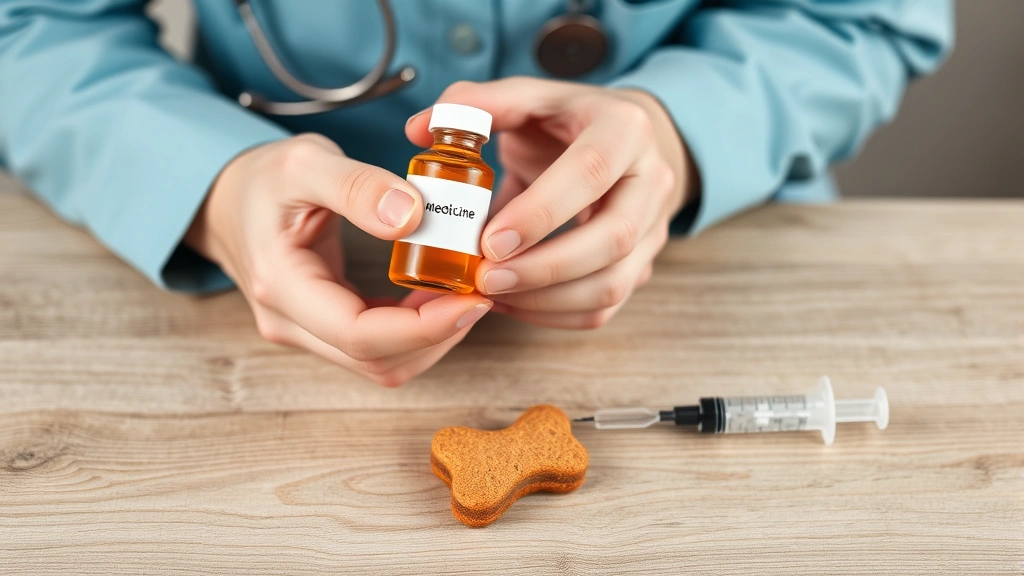
Injections: If your dog is getting pain meds for dogs via injection, your vet will show you how. It’s intimidating the first time, but most owners get comfortable quickly.
Pro Tip: Give pain meds for dogs at the same time every day. Set a phone reminder. Consistency matters for maintaining steady pain relief.
Timing is important too. If your dog has surgery scheduled, pain meds for dogs often start before the procedure so they’re already working when your dog wakes up. For chronic pain, consistency is key—don’t skip doses thinking “they seem better today.”
Track how your dog responds. Keep notes on mobility, appetite, and behavior. This information is gold for your vet at follow-up appointments. They can adjust dosing or switch medications based on real-world results.
When to Call Your Vet Immediately
Pain meds for dogs are tools, not magic. Sometimes things go sideways. Know the warning signs:
- Vomiting or severe diarrhea – Could indicate GI ulceration or other issues
- Loss of appetite lasting more than a meal or two – Pain meds shouldn’t cause this
- Yellowing of gums or eyes – Possible liver problem
- Excessive thirst and urination – Could signal kidney issues
- Lethargy that doesn’t improve after the first dose or two – Might need dose adjustment
- Difficulty breathing or facial swelling – Allergic reaction; this is an emergency
- Seizures – Especially important if you’re unsure; read our guide on what a dog seizure looks like
- Collapse or inability to stand – Emergency situation
Don’t wait for a regular appointment if something feels wrong. Call your vet, describe what you’re seeing, and follow their guidance. After-hours clinics exist for this reason.
Also, if your dog has pre-existing conditions like kidney disease, heart problems, or sleep apnea in dogs, make sure your vet knows before prescribing pain meds for dogs. These conditions can affect how medications are processed.
Cost Considerations
Let’s talk money, because pain meds for dogs can get expensive, especially long-term.
A month of carprofen for a medium-sized dog might run $20-50 at a regular pharmacy. Tramadol is usually cheaper, sometimes $10-30/month. Gabapentin is often affordable. But if your dog needs combination therapy or newer medications, costs climb fast.
Here’s what helps:
- Ask your vet about generic versions—they’re often significantly cheaper
- Use GoodRx or similar discount programs (yes, they work for pet meds)
- Buy from online pharmacies (make sure they’re legitimate and require a valid prescription)
- Ask if your vet has samples or discount programs
- Look into pet insurance or assistance programs if cost is a barrier
Some vets will work with you on payment plans if your dog needs expensive pain management. Don’t suffer in silence—ask.
Long-Term Pain Management Strategy
If your dog has chronic pain—like arthritis—pain meds for dogs aren’t a one-time fix. It’s a long-term plan that evolves.
Most vets recommend a multimodal approach: medication plus physical therapy, weight management, supplements, and environmental changes. This combo often means you can use lower doses of pain meds for dogs, which reduces side effect risk.
Regular reassessment is crucial. Every 6-12 months, your vet should evaluate whether the current pain management plan is working. Sometimes dogs build tolerance and need dose adjustments. Sometimes a different medication works better. Sometimes adding gabapentin or a supplement reduces the need for NSAIDs.
For older dogs approaching end-of-life, pain management becomes about comfort and quality of life. This might mean switching to opioids, using higher doses than you would for a younger dog, and focusing on comfort care. If you’re uncertain about your dog’s health trajectory, our guide on how to tell if your dog is dying provides context and compassion.
Frequently Asked Questions
Can I give my dog over-the-counter pain medication like ibuprofen or aspirin?
– No. Do not give human pain meds like ibuprofen (Advil) or naproxen (Aleve) to your dog. They’re toxic at dog doses and can cause severe GI ulceration, kidney damage, and death. Aspirin is safer than ibuprofen but still shouldn’t be given without vet guidance. Always use prescription pain meds for dogs prescribed by your veterinarian.
How long does it take for pain meds for dogs to work?
– NSAIDs usually take 30 minutes to 1 hour to start working, with peak effectiveness around 2-3 hours. Opioids like tramadol work faster, often within 30 minutes. Gabapentin takes longer—sometimes 1-2 weeks—to reach full effectiveness. Your vet will tell you what to expect with the specific medication they prescribe.
Is it safe to give pain meds for dogs long-term?
– Yes, when monitored properly. NSAIDs can be used long-term for arthritis, but your vet should do bloodwork every 6-12 months to check kidney and liver function. Opioids are typically reserved for acute pain or end-of-life comfort because of dependence risks. Gabapentin is safe long-term. The key is regular vet check-ins and honest communication about how your dog is responding.
What if my dog has a sensitive stomach? Are there pain meds for dogs that won’t upset their GI tract?
– Gabapentin and tramadol are gentler on the stomach than NSAIDs. If your dog has a history of GI issues and needs pain relief, talk to your vet about these alternatives. Some vets also prescribe a gastroprotectant (like omeprazole) alongside NSAIDs to reduce ulcer risk. Compounding pharmacies can also prepare medications in forms that are easier on sensitive stomachs.
Can my dog become addicted to pain meds like tramadol?
– Dogs don’t become psychologically addicted the way humans do, but they can develop physical dependence on opioids with long-term use. If your dog has been on tramadol for weeks and you suddenly stop it, they might experience withdrawal symptoms like anxiety or tremors. Always taper pain meds for dogs gradually under vet guidance, never stop cold turkey.
My dog is on pain meds but still seems uncomfortable. What should I do?
– Contact your vet. The dose might be too low, the medication might not be right for your dog’s specific problem, or there might be an underlying issue you haven’t identified yet. Don’t increase the dose on your own—let your vet adjust it. Sometimes switching to a different pain med or adding a second medication works better than increasing one drug’s dose.
Are there natural or holistic alternatives to prescription pain meds for dogs?
– Supplements like glucosamine, chondroitin, turmeric, and CBD have some evidence supporting their use, but they’re not as potent as prescription pain meds for dogs. They work best as add-ons to medication, not replacements. Some dogs benefit from acupuncture or herbal remedies, but talk to your vet first. Never use essential oils on dogs—many are toxic. And remember, “natural” doesn’t automatically mean safe or effective.
What’s the difference between acute and chronic pain management in dogs?
– Acute pain (from surgery, injury, or sudden illness) is short-term and usually managed with NSAIDs or opioids for days to weeks. Chronic pain (arthritis, cancer, degenerative diseases) lasts months or years and requires a long-term strategy combining medication, physical therapy, and lifestyle changes. Your vet will tailor pain meds for dogs based on whether the pain is acute or chronic.
Can I use topical pain relief products on my dog?
– Some topical products like balms or creams can provide minor relief, but they don’t penetrate deeply enough for joint or internal pain. They’re mostly useful for surface wounds or minor muscle soreness. For serious pain, your dog needs systemic medication (pills, injections, or liquids). If you’re considering any topical treatment, including Neosporin on dogs, check with your vet first to make sure it’s appropriate and won’t be licked off and ingested.
My senior dog is on pain meds but also seems anxious. Could it be the medication?
– Possibly. Some pain meds for dogs, especially opioids, can cause anxiety or restlessness in sensitive dogs. Gabapentin, on the other hand, often helps with anxiety. Talk to your vet about switching or adjusting. Also consider whether your dog’s anxiety is related to pain itself—chronic pain can make dogs anxious. Addressing the pain might reduce the anxiety. And remember, understanding how dogs like being pet can help you provide comfort and reduce stress during treatment.





