
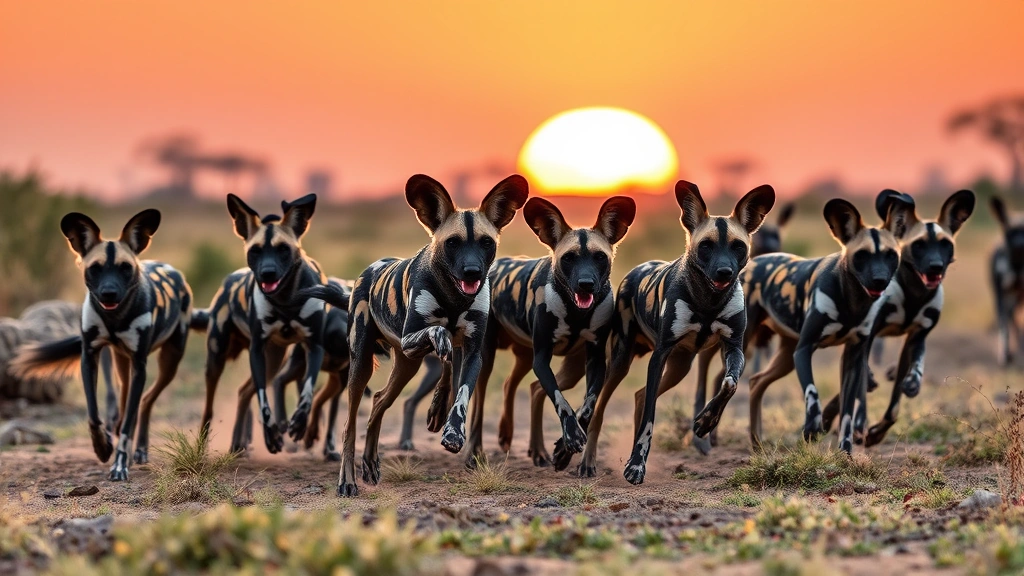
The painted wild dog is one of Africa’s most fascinating and misunderstood canines, and honestly, they deserve way more love than they get. These aren’t your typical domesticated pups you’d find lounging on a suburban couch—they’re wild, intelligent, and absolutely stunning creatures that paint the African savanna with their unique spotted coats. If you’re curious about what makes these animals tick, you’re in for a treat.
Table of Contents
- What Exactly Is a Painted Wild Dog?
- The Incredible Hunting Strategy of African Wild Dogs
- Social Structure: Family Bonds That Put Humans to Shame
- Conservation Status: Why These Beauties Are in Trouble
- Painted Wild Dogs vs. Domestic Dogs: The Differences That Matter
- Unique Physical Adaptations for African Survival
- Diet and Feeding Behavior in the Wild
- Vocalizations and Communication: The Language of the Pack
- Reproduction and Pup Development
- Geographic Range and Habitat Preferences
- Why Painted Wild Dogs Matter to African Ecosystems
- Future Conservation Efforts and What You Can Do
- Frequently Asked Questions
- Conclusion: Appreciating Africa’s Painted Masterpieces
What Exactly Is a Painted Wild Dog?
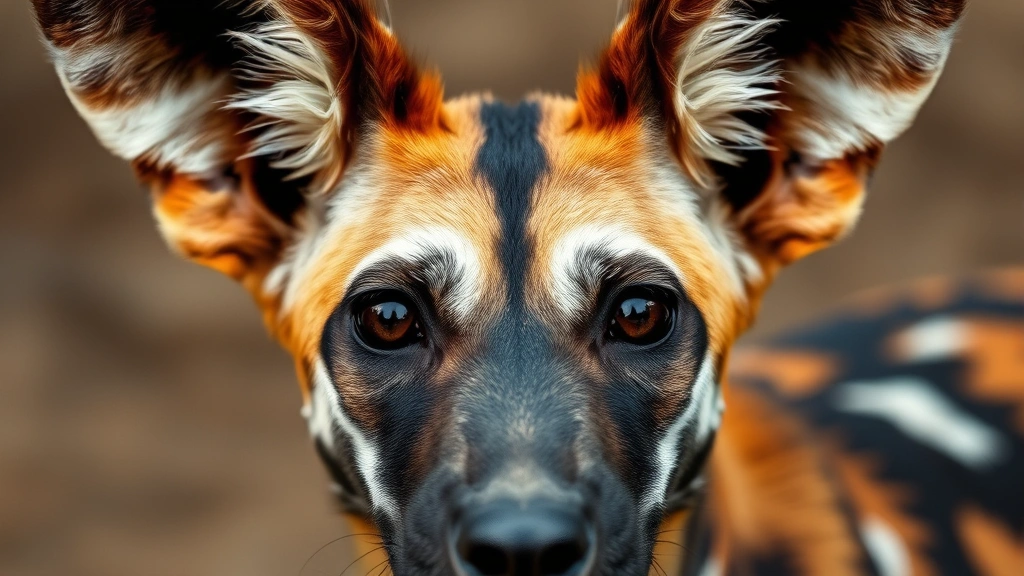
A painted wild dog, also known as the African wild dog or Lycaon pictus, is a large canid native to sub-Saharan Africa. Unlike domestic dogs or even wolves, these animals have evolved into something truly special. They’re called “painted” because of their distinctive coat pattern—a beautiful mosaic of black, tan, and white patches that look like someone literally painted them by hand. No two painted wild dogs have the same markings, which is pretty cool if you ask me. They’re built for endurance hunting, with long legs, large rounded ears, and a lean, muscular frame that screams athleticism.
The Incredible Hunting Strategy of African Wild Dogs
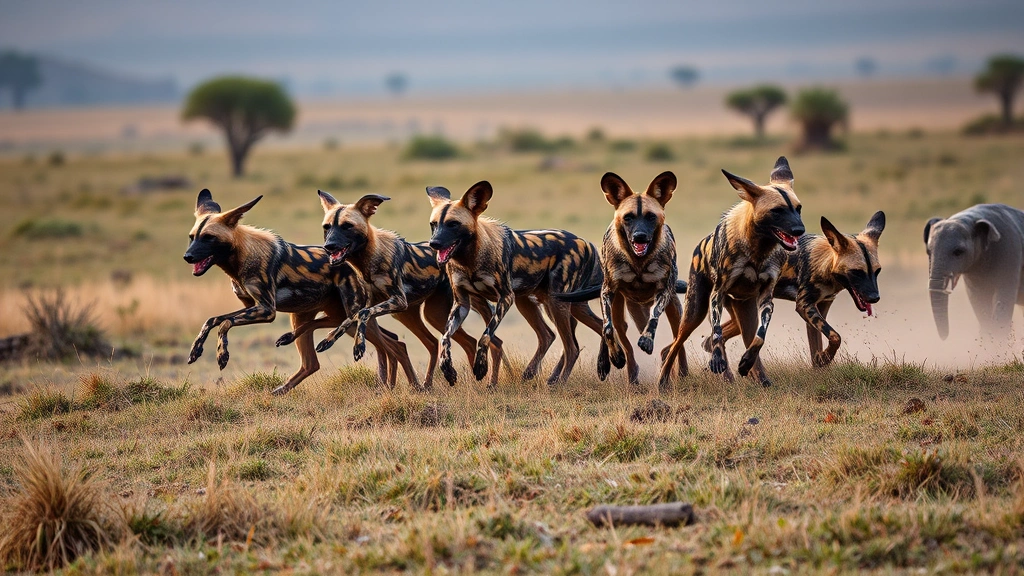
If you think your dog’s play-fighting is intense, imagine coordinating a hunt with 20 of your closest relatives. Painted wild dogs are apex predators with one of the highest hunting success rates in Africa—sometimes reaching 80%. They hunt in packs using sophisticated teamwork and communication strategies that would make any military unit jealous. Each member of the pack has a specific role, and they communicate through vocalizations, body language, and even a unique “rallying” behavior before a hunt. This is why they’re sometimes compared to most dangerous dog species in terms of predatory capability, though they pose zero threat to humans. Their prey typically includes gazelles, impalas, and other medium-sized ungulates. The pack works together so seamlessly that it’s almost like watching a perfectly choreographed dance—except the stakes are life and death.
Social Structure: Family Bonds That Put Humans to Shame
Here’s where painted wild dogs get really interesting. They’re incredibly social animals with a hierarchical pack structure led by a breeding pair—the alpha male and female. But here’s the thing: their social bonds are so strong that lower-ranking dogs actually help raise the pups of the breeding pair. It’s like a multigenerational family business where everyone has a job and everyone cares for the young. This cooperative breeding system is rare among carnivores and shows just how evolved these animals are. The entire pack contributes to pup-rearing, feeding, and protection. If you’ve ever wondered what true family loyalty looks like, look no further than a painted wild dog pack.
Conservation Status: Why These Beauties Are in Trouble
Here’s the sad part: painted wild dogs are endangered, and their numbers are declining. Habitat loss, human-wildlife conflict, and disease are the main culprits. Unlike some other endangered species that get tons of media attention, these animals fly under the radar for most people. They need vast territories—sometimes 1,000 square kilometers or more—to survive, and as human settlements expand, their space shrinks. Disease, particularly canine distemper and rabies, can wipe out entire packs. Conservation efforts are underway, but they require significant funding and international cooperation. Organizations working with wildlife conservation groups are doing incredible work, but we need more awareness and support.
Painted Wild Dogs vs. Domestic Dogs: The Differences That Matter
You might wonder if a painted wild dog could ever be domesticated like a lab and husky mix. The answer is a resounding no, and here’s why. While they’re technically canids, painted wild dogs have completely different behavioral, dietary, and social needs compared to domestic dogs. They’re hardwired for hunting, pack living, and territorial behavior in ways that domestication simply can’t override. Their teeth are designed for tearing meat, their metabolism is built for endurance, and their social hierarchy is rigid. Trying to keep one as a pet would be like trying to keep a lion in your backyard—it’s not just illegal in most places, it’s fundamentally cruel. These animals belong in the wild, where they can express their natural behaviors and live as nature intended.
Unique Physical Adaptations for African Survival
The painted wild dog’s body is a masterpiece of evolutionary engineering. Their large, rounded ears aren’t just for show—they’re incredibly sensitive and help them communicate over long distances and detect prey movements. Their legs are disproportionately long compared to their body, giving them the endurance to chase prey for miles across the savanna. They have only four toes on their hind feet (instead of five like most canids), which reduces friction and increases speed. Their coat, while beautiful, is short and dense, providing protection from the African sun and parasites. Even their vocalizations are unique—they make chirping sounds, whines, and growls that are distinctly different from domestic dogs. Every physical feature has evolved for a specific purpose in their harsh African environment.
Diet and Feeding Behavior in the Wild
Painted wild dogs are carnivores through and through, and their diet consists almost exclusively of meat from medium-sized ungulates. A single pack can consume up to 1.5 kilograms of meat per dog per day, which might sound like a lot until you consider their active lifestyle. They’re not scavengers like some wild canids—they’re active hunters that rely on their pack’s cooperative skills to bring down prey. After a successful hunt, the pack follows a specific feeding hierarchy, though interestingly, pups and nursing females often eat first, which speaks to the pack’s cooperative nature. In captivity (for research or conservation purposes), they require a diet of whole prey or high-quality raw meat, which is completely different from what you’d feed a domestic dog.
Vocalizations and Communication: The Language of the Pack
If you ever hear a painted wild dog, you’ll know immediately that they’re not your average canine. They produce a wide range of vocalizations including chirps, squeaks, whines, and growls. The famous “contact call” is a high-pitched chirp that sounds almost bird-like, used to keep pack members in touch during hunts or movements across the landscape. They also use body language extensively—ear position, tail posture, and facial expressions all convey meaning within the pack hierarchy. This sophisticated communication system is one reason they’re such effective hunters and why their social bonds are so strong. Scientists studying painted wild dogs have identified over 20 different vocalizations, each with specific meanings and contexts. It’s essentially a language as complex as anything we see in primates.
Reproduction and Pup Development
Unlike domestic dogs, painted wild dogs have a very specific breeding season, typically producing litters of 4-6 pups per year. The gestation period is about 70 days, and pups are born blind and helpless in underground dens. Here’s where the pack’s cooperative nature really shines—all members contribute to feeding, protecting, and teaching the pups. Pups start eating regurgitated meat at about three weeks old and begin accompanying the pack on hunts at around three months. The entire pack invests in the pups’ survival and education, which is why juvenile survival rates are relatively high in established packs. This multigenerational knowledge transfer is crucial for teaching young dogs the hunting strategies and pack dynamics they’ll need to survive.
Geographic Range and Habitat Preferences
Painted wild dogs are found exclusively in sub-Saharan Africa, with populations scattered across various regions including East Africa, Southern Africa, and parts of Central Africa. They prefer open habitats like savannas, grasslands, and semi-arid areas where they can spot prey and use their speed to advantage. Unlike some carnivores that adapt well to various habitats, painted wild dogs are pretty specific about their environmental needs. They require large, unfragmented territories with abundant prey populations. Countries like Botswana, Namibia, and Tanzania still have viable populations, but they’re increasingly isolated from each other, which creates genetic and demographic challenges. The fragmentation of their habitat is one of the biggest threats they face today, alongside the conservation challenges that affect many African wildlife species.
Why Painted Wild Dogs Matter to African Ecosystems
These animals aren’t just beautiful—they’re ecologically crucial. As apex predators, they help regulate herbivore populations, which prevents overgrazing and maintains the health of grassland ecosystems. Their presence indicates a healthy, functioning ecosystem with adequate prey populations and minimal human disturbance. They also compete with lions and hyenas for prey, which creates a complex predator-prey dynamic that keeps ecosystems in balance. When painted wild dog populations decline, it has ripple effects throughout the entire food web. Conservation of this species isn’t just about saving a beautiful animal; it’s about maintaining the integrity of African ecosystems that millions of people depend on for their livelihoods.
Future Conservation Efforts and What You Can Do
The future of painted wild dogs depends on continued conservation efforts and international cooperation. Protected areas, wildlife corridors, and disease management programs are all critical components of survival strategies. Research institutions and conservation organizations are working tirelessly to understand these animals better and develop effective protection strategies. As a pet lover, you can contribute by supporting reputable conservation organizations, raising awareness about these incredible animals, and advocating for wildlife protection policies. Even small donations or sharing information about painted wild dogs can make a difference. The IUCN Red List tracks endangered species and provides resources for conservation efforts. Every bit of awareness helps shift the narrative from viewing these animals as threats to recognizing them as irreplaceable parts of our natural world.
Frequently Asked Questions
Can painted wild dogs be kept as pets?
Absolutely not. Painted wild dogs are wild animals with complex behavioral, dietary, and social needs that cannot be met in captivity. They’re also protected by law in most countries, making it illegal to own one. These animals belong in the wild where they can express their natural behaviors and live according to their evolutionary design.
How many painted wild dogs are left in the world?
Current estimates suggest there are only 5,000-6,000 painted wild dogs remaining in the wild, making them one of Africa’s most endangered carnivores. Populations are fragmented and declining due to habitat loss, disease, and human-wildlife conflict. Conservation efforts are ongoing, but the situation remains critical.
Are painted wild dogs dangerous to humans?
Painted wild dogs have virtually no history of attacking humans. They’re naturally wary of people and actively avoid human settlements. They pose no threat to humans whatsoever, despite their incredible hunting prowess. The danger is actually the other way around—humans pose a significant threat to their survival through habitat destruction and disease transmission.
How fast can painted wild dogs run?
Painted wild dogs can reach speeds of up to 66 kilometers per hour (41 mph) in short bursts, but more impressively, they can maintain speeds of 50-60 kilometers per hour for extended periods. This endurance is what makes them such effective hunters, as they can chase prey until it’s exhausted.
What is the lifespan of a painted wild dog?
In the wild, painted wild dogs typically live 10-11 years, though some individuals have been documented living longer. In captivity (for research purposes), they can live up to 13-14 years. Their lifespan is relatively long for wild carnivores, which is partly due to their cooperative pack structure and shared hunting responsibilities.
Do painted wild dogs make sounds like domestic dogs?
No, their vocalizations are quite different from domestic dogs. They produce chirping, squeaking, and whining sounds that are more bird-like than dog-like. These unique vocalizations are part of their sophisticated pack communication system and are completely different from barking or howling.
Conclusion: Appreciating Africa’s Painted Masterpieces
The painted wild dog is a remarkable animal that deserves our respect, admiration, and protection. From their stunning coat patterns to their sophisticated pack dynamics and incredible hunting abilities, these animals represent some of the most fascinating evolutionary adaptations in the carnivore world. Understanding what makes them special—their cooperative breeding, complex communication, and ecological importance—helps us appreciate why their conservation matters so much. While they’ll never be pets (and shouldn’t be), we can still celebrate their existence and support efforts to protect them. The future of painted wild dogs depends on habitat conservation, disease management, and increased public awareness. By learning about these incredible animals and sharing that knowledge with others, you’re already contributing to their survival. These African wild dogs don’t need our love in the form of domestication; they need our respect, our space, and our commitment to preserving the wild places they call home. Every painted wild dog that survives in the African wilderness is a victory for conservation and a testament to nature’s incredible diversity.





