
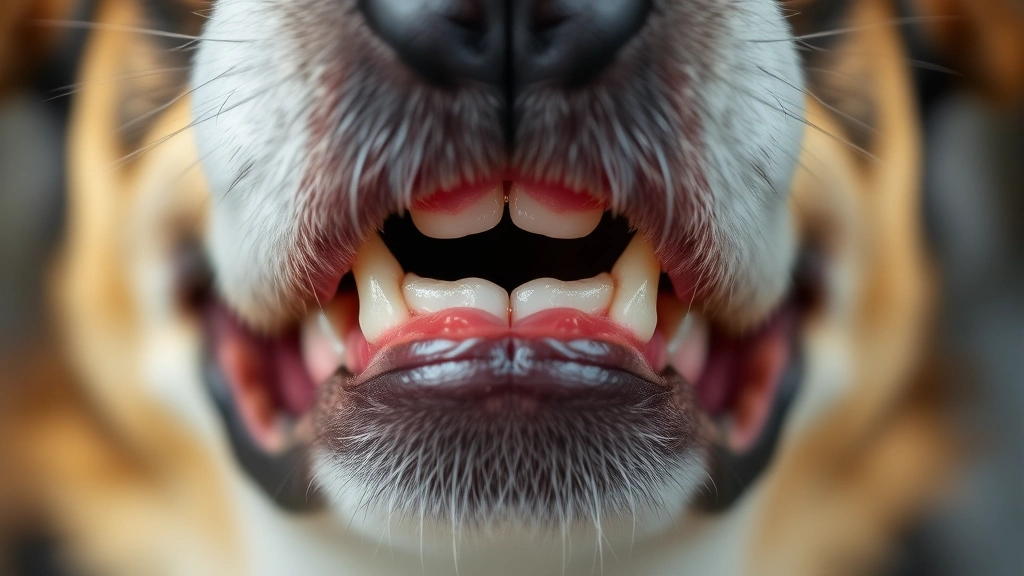
If you’ve noticed pale gums in dogs, it’s time to pay attention because your pup might be waving a red flag—or rather, a white one. Those pink gums you usually see when your dog yawns or opens their mouth wide are actually a window into their overall health, and when they turn pale or white, something’s definitely off. Let’s dig into what causes this concerning symptom and how to get your furry friend back on track.
Table of Contents
- What Do Healthy Dog Gums Look Like?
- Why Are Your Dog’s Gums Pale? The Main Culprits
- Warning Sign #1: Anemia and Blood Loss
- Warning Sign #2: Shock and Circulatory Collapse
- Warning Sign #3: Heart Disease and Poor Circulation
- Warning Sign #4: Severe Infections and Sepsis
- Warning Sign #5: Toxins and Poisoning
- How to Check Your Dog’s Gums at Home
- When to Rush to the Emergency Vet
- Diagnostic Tests Your Vet Will Run
- Treatment Options and What to Expect
- Prevention: Keeping Those Gums Pink
- Real Stories: When Pale Gums Saved Lives
- Frequently Asked Questions
- Summary: Don’t Ignore the Gums
What Do Healthy Dog Gums Look Like?
Before we talk about what’s wrong, let’s establish what’s right. Healthy dog gums should be a nice salmon-pink color, kind of like the inside of your own mouth. They should feel moist (not dry and sticky) and bounce back quickly when you press on them with your finger—this is called capillary refill time, and it’s a quick way vets check circulation.
You can do a simple gum check at home: gently lift your dog’s lip and look at the gums. Press your finger on the gum for a second, then release. If the color comes back within two seconds, that’s normal. If it takes longer or the gums stay pale, you’ve got a problem that needs veterinary attention.
Why Are Your Dog’s Gums Pale? The Main Culprits
Pale gums in dogs typically indicate one of two major issues: poor circulation or anemia. Neither is something to ignore. Poor circulation means blood isn’t flowing properly to those tiny vessels in the gums, while anemia means your dog doesn’t have enough red blood cells to carry oxygen effectively. Both situations are your dog’s way of saying, “Hey, something’s seriously wrong down here.”
Warning Sign #1: Anemia and Blood Loss
Anemia is one of the most common reasons you’ll see pale gums. This happens when your dog’s body doesn’t have enough red blood cells or hemoglobin. There are several ways your pup can develop anemia, and some are more serious than others.
Internal bleeding from accidents, tumors, or ulcers can cause acute anemia that shows up fast. Chronic conditions like liver disease in dogs develop slowly over time. Parasites—especially bloodsuckers like hookworms or fleas—can drain your dog’s blood supply gradually. Some dogs are also born with or develop blood clotting disorders that make them bleed more easily.
If your dog has pale gums plus lethargy, weakness, or a racing heartbeat, get to the vet immediately. A lethargic dog combined with pale gums is basically screaming for help.
Warning Sign #2: Shock and Circulatory Collapse
Shock is the big emergency. When a dog goes into shock—whether from severe injury, infection, or other trauma—their body redirects blood away from the skin and gums to protect vital organs like the heart and brain. This is why shock victims often have pale, cold gums.
A dog in shock might also have weak pulses, cold extremities, rapid breathing, and a glassy stare. This is a true emergency. If you suspect shock, don’t waste time—get to an emergency vet clinic right now. Every minute counts.
Warning Sign #3: Heart Disease and Poor Circulation
When a dog’s heart isn’t pumping effectively, blood doesn’t circulate properly throughout the body. This could be from congenital heart disease (something they were born with), acquired heart disease (developed over time), or acute heart failure. Pale gums combined with labored breathing, coughing, or fainting are classic signs something’s wrong with the ticker.
Older dogs are more prone to heart issues, but any age can develop problems. If your dog seems short of breath or has pale gums along with lethargy in dogs, get them checked out. Heart disease doesn’t get better on its own.
Warning Sign #4: Severe Infections and Sepsis
Infections that turn into sepsis (when bacteria or toxins spread through the bloodstream) can cause pale gums as the body’s circulation starts to fail. Pyometra (a uterine infection in unspayed females), severe pneumonia, or infected wounds can all progress to this life-threatening state.
Watch for pale gums plus fever, vomiting, diarrhea, or confusion. These dogs need aggressive veterinary treatment with antibiotics and supportive care. Sepsis waits for no one, so if you suspect it, don’t delay.
Warning Sign #5: Toxins and Poisoning
Certain toxins can damage blood cells or cause internal bleeding. Rat poison is a classic culprit—it interferes with blood clotting, leading to internal hemorrhage and pale gums. Other toxins like some medications, plants, or chemicals can also cause anemia or circulation problems.
If you know or suspect your dog ate something toxic, pale gums might be a delayed sign of poisoning. Call your vet or poison control immediately with details about what your pup ingested.
How to Check Your Dog’s Gums at Home
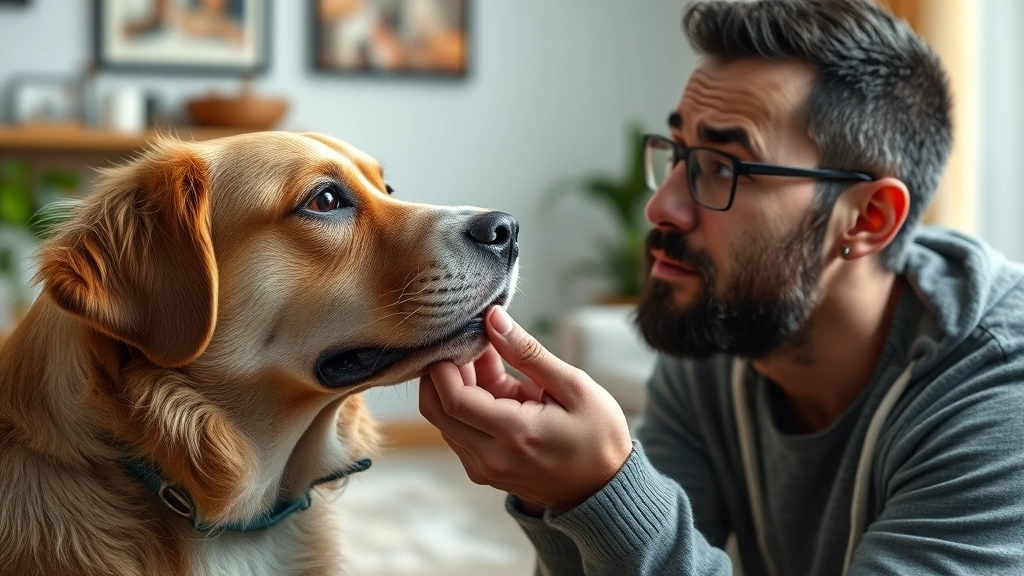
Being able to do a quick gum check is a valuable skill. Here’s the process: wash your hands first, then gently lift your dog’s upper lip. Look at the color—it should be pink. Press your finger on the gum for about one second, then release and count how fast the color returns. Ideally, it’s back within two seconds.
Also notice if the gums feel sticky (dehydration), cold (poor circulation), or swollen (inflammation or infection). Healthy gums should feel moist and firm. If anything seems off, that’s your cue to call the vet. You know your dog better than anyone, so trust your gut.
When to Rush to the Emergency Vet
Not all pale gums require emergency care, but some absolutely do. Head straight to the emergency clinic if your dog has pale gums plus any of these: difficulty breathing, collapse or extreme weakness, unresponsiveness, severe bleeding, signs of pain, or rapid heart rate. Also go immediately if pale gums appeared suddenly after an accident or trauma.
If pale gums developed gradually and your dog seems otherwise okay, you can schedule a regular vet appointment within 24 hours. But don’t wait longer than that—pale gums aren’t something to sit on.
Diagnostic Tests Your Vet Will Run
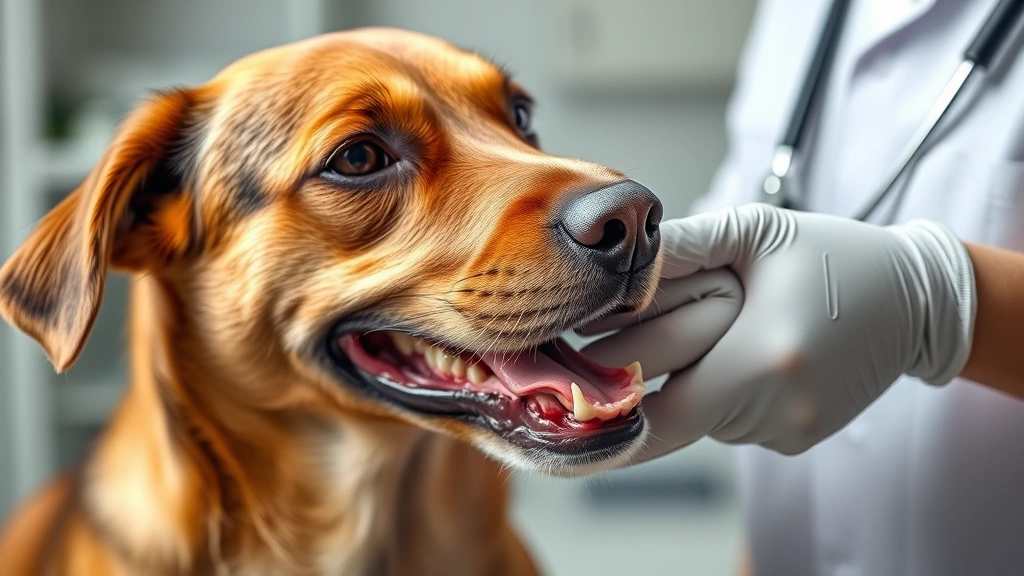
Your vet will start with a physical exam and capillary refill test, then likely recommend bloodwork. A complete blood count (CBC) shows red blood cell levels and can diagnose anemia. A blood chemistry panel checks organ function. Depending on what they find, they might recommend imaging like X-rays or ultrasound to look for internal bleeding, heart problems, or other issues.
In some cases, your vet might need to do more specialized testing like a coagulation profile (if bleeding disorders are suspected) or blood cultures (if infection is the concern). These tests help pinpoint exactly what’s causing the pale gums so treatment can be targeted and effective.
Treatment Options and What to Expect
Treatment depends entirely on the underlying cause. Anemia from parasites might just need deworming and parasite prevention. Anemia from blood loss might require blood transfusions and surgery to stop the bleeding. Heart disease gets managed with medications and dietary changes. Infections need antibiotics. Shock requires emergency stabilization with IV fluids and oxygen.
Some conditions are manageable long-term with proper care. Others require ongoing monitoring. A few are unfortunately fatal if caught too late, which is why early detection matters so much. Your vet will explain the prognosis and create a treatment plan specific to your dog’s situation.
Prevention: Keeping Those Gums Pink
You can’t prevent every health problem, but you can reduce some risks. Keep your dog on year-round parasite prevention—this prevents fleas, ticks, and worms that can cause anemia. Feed a high-quality diet with adequate iron and B vitamins, which support healthy blood. Keep your dog at a healthy weight and ensure regular exercise to support cardiovascular health.
Regular vet checkups catch problems early. If your dog has risk factors for heart disease or other conditions, your vet might recommend preventive supplements or medications. Ask about whether turmeric is good for dogs or other supplements that might support circulation and overall health.
Real Stories: When Pale Gums Saved Lives
Pale gums have caught serious problems in time more often than you’d think. One owner noticed her dog’s gums were unusually white during a routine petting session and rushed to the vet, where they discovered internal bleeding from a ruptured tumor—surgery saved her dog’s life. Another caught the early signs of her dog’s heart disease when she noticed pale gums during a gum check, allowing for medication and management before the dog went into crisis.
These stories highlight why knowing what to look for matters. You’re your dog’s best advocate, and sometimes a simple observation can literally be life-saving.
Frequently Asked Questions
What does it mean if my dog’s gums are pale?
Pale gums in dogs usually indicate either anemia (not enough red blood cells) or poor circulation. Both are signs that something needs veterinary attention. The cause could be anything from parasites to heart disease to internal bleeding, so a vet visit is essential to figure out what’s going on.
Are pale gums always an emergency?
Not always, but they’re always concerning. If pale gums appeared suddenly or your dog seems sick (weak, struggling to breathe, etc.), it’s an emergency. If they developed gradually and your dog seems otherwise fine, you should still see a vet within 24 hours, but it’s not necessarily a drop-everything situation. When in doubt, call your vet and describe what you’re seeing—they can advise whether it’s urgent.
Can pale gums be caused by something minor?
Sometimes, yes. Extreme stress or anxiety can temporarily affect gum color. Dehydration can make gums look paler. But even these “minor” causes need addressing—your dog shouldn’t be that stressed or dehydrated. The bottom line: pale gums warrant investigation, even if the cause turns out to be something manageable.
How long can a dog live with pale gums?
This depends entirely on the cause. A dog with anemia from parasites can recover fully with treatment. A dog with advanced heart disease might have months or years with proper management. A dog in septic shock might have hours without emergency care. Your vet can give you a better idea of prognosis once they’ve diagnosed the specific problem.
Should I give my dog supplements for pale gums?
Don’t start supplements without vet approval. While iron supplements make sense for anemia, they can be harmful in other conditions. Your vet needs to know what’s causing the pale gums before recommending any supplements. That said, joint supplements for dogs and other supportive care might be part of a broader treatment plan once you have a diagnosis.
Can pale gums come and go?
Occasionally, yes, especially if the cause is something like mild dehydration or temporary stress. But recurring pale gums are a red flag that something chronic is going on. If you notice this pattern, definitely get your dog checked out. Don’t assume it’s nothing just because it seems to resolve on its own sometimes.
What’s the difference between pale gums and white gums?
Pale gums are lighter pink than normal—still somewhat pink but noticeably washed out. White gums are completely white with no pink color at all. White gums indicate more severe circulation or anemia problems and are generally more urgent than merely pale gums. Either way, they both need vet attention.
Summary: Don’t Ignore the Gums
Pale gums in dogs are your pup’s way of saying something’s wrong. Whether it’s anemia, poor circulation, heart disease, infection, or shock, pale gums are a sign that veterinary care is needed. The good news? Many conditions causing pale gums are treatable, especially when caught early. The bad news? Ignoring them can lead to serious complications or death.
Make gum checks part of your routine pet care. Know what your dog’s healthy gums look like so you’ll immediately notice if something changes. Trust your instincts—if something seems off, it probably is. And when in doubt, call your vet. They’d rather see you over-cautious than have you miss something important. Your dog’s pale gums might just be the early warning system that saves their life.





