

A pancreatitis feeding schedule is literally the difference between your furry friend bouncing back and dealing with chronic digestive nightmares. If your vet just diagnosed your pet with pancreatitis, you’re probably feeling overwhelmed—but here’s the good news: nailing the feeding routine can dramatically improve recovery outcomes. Let’s break down everything you need to know about getting your pet’s meals back on track.
Table of Contents
- Understanding Pancreatitis in Pets
- Why Feeding Schedule Matters for Pancreatic Health
- The First 24-48 Hours: Initial Recovery Protocol
- Low-Fat Diet Essentials for Pancreatitis Management
- Establishing Your Pet’s Optimal Feeding Frequency
- Monitoring and Adjusting the Feeding Schedule
- Transitioning Back to Normal Feeding Gradually
- Supplements and Their Role in Recovery
- Common Pancreatitis Feeding Mistakes to Avoid
- When to Call Your Vet During Recovery
- Long-Term Dietary Management Beyond Recovery
- Frequently Asked Questions
- Summary: Taking Control of Your Pet’s Pancreatitis Recovery
Understanding Pancreatitis in Pets
Before we talk timing and portions, let’s get real about what pancreatitis actually is. Your pet’s pancreas is basically a tiny organ that produces digestive enzymes and regulates blood sugar. When it gets inflamed—boom—pancreatitis happens. The inflammation can be acute (sudden and intense) or chronic (the annoying long-term version that keeps coming back).
Dogs and cats can both get pancreatitis, though dogs seem to have a special talent for it. High-fat diets, certain medications, obesity, and sometimes just bad luck trigger the inflammation. The symptoms? Vomiting, loss of appetite, abdominal pain, and lethargy. Your vet will confirm it with blood tests and imaging.
Why Feeding Schedule Matters for Pancreatic Health
Here’s where most pet parents mess up: they think pancreatitis is just about what you feed. Wrong. The when and how often matter just as much. A consistent pancreatitis feeding schedule reduces pancreatic workload, prevents blood sugar spikes, and keeps your pet’s digestive system from going haywire.
Think of it like this—if your pancreas is already throwing a tantrum, bombarding it with one massive meal is like poking an angry bear. Multiple small meals? That’s like gently coaxing the bear back to sleep. Your vet will likely recommend splitting daily calories into 2-4 smaller meals instead of the traditional once-or-twice daily feeding.
The First 24-48 Hours: Initial Recovery Protocol
During acute pancreatitis, your vet might recommend fasting—yes, actually not feeding your pet for the first 24 hours. I know it sounds harsh, but it gives the inflamed pancreas a chance to chill out. Your pet can have water (small sips, not gulping), and your vet might suggest bone broth or electrolyte solutions to prevent dehydration.
After that initial fasting period, you’ll introduce bland, low-fat foods in tiny amounts. We’re talking a tablespoon or two every few hours. This is where patience becomes your superpower. Resist the urge to give your pet their normal portions—you’ll just trigger another flare-up.
Low-Fat Diet Essentials for Pancreatitis Management
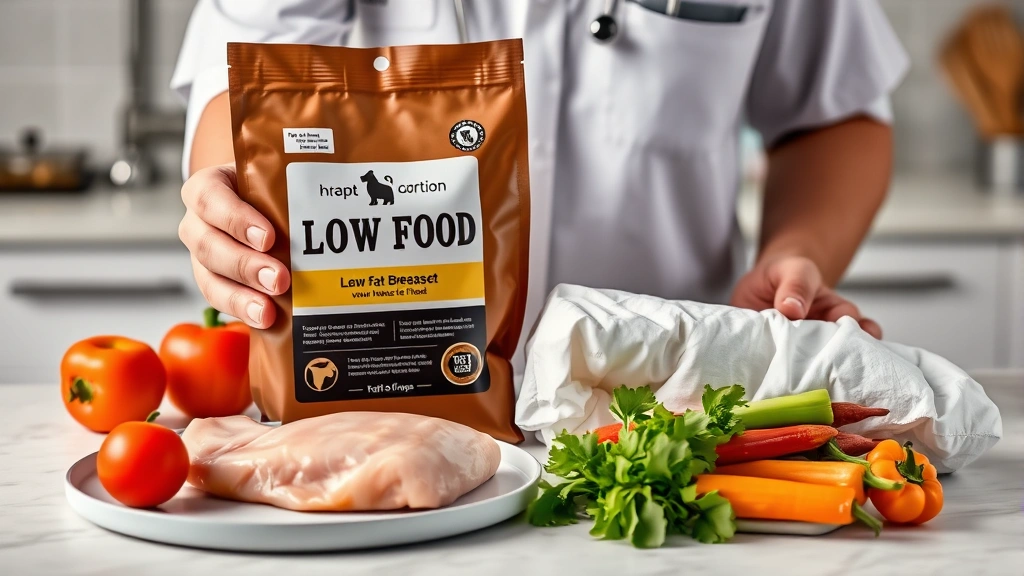
Fat is public enemy number one when dealing with pancreatitis. Your vet will likely recommend keeping fat content under 10% (some cases require under 5%). This means ditching the premium grain-free kibble with all those fancy fats and switching to veterinary-prescribed low-fat options.
Good choices include:
- Prescription low-fat dog/cat foods (Hill’s i/d, Royal Canin Digestive Care)
- Boiled chicken breast (skinless)
- Plain white rice or sweet potato
- Lean turkey
- Cooked carrots and green beans
- Plain pumpkin puree
Absolutely avoid: fatty meats, organ meats, dairy, avocado, nuts, chocolate, and anything from your dinner table. Your pet will give you those sad eyes, but your wallet and their pancreas will thank you later.
Establishing Your Pet’s Optimal Feeding Frequency
Most vets recommend a pancreatitis feeding schedule of 3-4 meals per day during acute phases, then potentially transitioning to 2 meals daily as your pet stabilizes. The key is consistency—same times every day. Your pet’s digestive system thrives on routine.
Here’s a sample schedule:
- Morning (8 AM): 1/4 to 1/2 cup low-fat food
- Midday (12 PM): 1/4 to 1/2 cup low-fat food
- Afternoon (4 PM): 1/4 to 1/2 cup low-fat food
- Evening (8 PM): 1/4 to 1/2 cup low-fat food
Adjust portions based on your pet’s weight, age, and your vet’s specific recommendations. This isn’t one-size-fits-all—your 150-pound Great Dane needs different portions than a 10-pound Chihuahua.
Monitoring and Adjusting the Feeding Schedule
Your pet health monitoring routine becomes crucial here. Keep a food diary noting what you fed, when, portion sizes, and any symptoms. Did your pet vomit two hours after eating? Note it. Any diarrhea? Write it down. This information helps your vet fine-tune the pancreatitis feeding schedule.
As your pet improves (usually 3-7 days for acute cases), you can gradually increase portion sizes. Do this slowly—a 10% increase every few days, not a sudden jump. If symptoms return, immediately drop back to smaller portions and contact your vet.
Transitioning Back to Normal Feeding Gradually
Once your pet is symptom-free for a solid week or two, you might transition from 4 meals to 3, then eventually to 2 daily meals. But here’s the critical part: you don’t go back to their pre-pancreatitis diet. The low-fat feeding approach needs to become your pet’s permanent lifestyle.
Some pets can eventually handle slightly higher fat content (around 10-12%), while others need to stay under 5% indefinitely. Your vet will guide this transition. Introduce any new foods gradually over 7-10 days, mixing small amounts with their current food.
Supplements and Their Role in Recovery
While diet is the foundation, strategic supplementation supports recovery. Recovery supplements like digestive enzymes can help your pet break down food more efficiently. However, check with your vet before adding anything—some supplements contain fat or ingredients that trigger pancreatitis.
Probiotics can help restore gut health after pancreatitis. Liquid probiotics for pets are often easier to administer than capsules and integrate well into a pancreatitis feeding schedule. Just ensure they’re specifically formulated for your pet’s species and contain no problematic additives.
Common Pancreatitis Feeding Mistakes to Avoid
Pet parents make these errors constantly—don’t be that person:
- Feeding too much too soon: Patience is not optional. Small portions, always.
- Ignoring fat content: That “healthy” salmon oil? It’s 100% fat. Skip it during recovery.
- Inconsistent feeding times: Your pet’s pancreas runs on a schedule. Stick to it.
- Skipping vet check-ins: Regular follow-ups catch flare-ups early.
- Treating pancreatitis like a temporary condition: Many cases require lifelong dietary management.
- Mixing medications and supplements without approval: Check pet supplement interactions before adding anything new.
When to Call Your Vet During Recovery
Your pancreatitis feeding schedule is working great, but watch for these red flags:
- Persistent vomiting despite small portions
- Complete loss of appetite lasting more than 24 hours
- Severe abdominal pain or restlessness
- Diarrhea or constipation that doesn’t improve
- Lethargy that worsens instead of improves
- Signs of pancreatitis returning (panting, hunched posture)
Don’t wait to see if it resolves on its own. Pancreatitis can escalate quickly, and early intervention prevents serious complications.
Long-Term Dietary Management Beyond Recovery
Here’s the reality: for many pets, pancreatitis becomes a chronic condition requiring permanent dietary adjustments. Your pet might never return to their pre-diagnosis diet, and that’s okay. They’ll live a happy, healthy life on a low-fat pancreatitis feeding schedule.

Work with your vet to establish a maintenance routine. Some pets do well on prescription low-fat kibble indefinitely. Others thrive on a mix of commercial food and home-cooked meals (under vet supervision). The goal is finding what keeps your pet symptom-free while maintaining proper nutrition.
Consider pet multivitamins if your vet recommends home-cooked diets, since they might lack certain nutrients. Again, get vet approval first.
Frequently Asked Questions
How long does it take for a pancreatitis feeding schedule to show results?
Most pets show improvement within 3-7 days of starting a proper low-fat feeding schedule. Acute pancreatitis often resolves completely with dietary management. Chronic cases improve but require ongoing management. If your pet isn’t better in a week, contact your vet—they might need additional treatment.
Can I use regular dog food for a pancreatitis feeding schedule?
Most regular dog foods contain too much fat for acute pancreatitis recovery. Prescription low-fat veterinary diets are specifically formulated for this condition. Some premium brands offer low-fat options, but check the fat percentage (under 10%, ideally under 5%) and get your vet’s approval first.
What if my pet refuses to eat the low-fat food?
This is frustrating, but don’t give in and feed their old diet. Try warming the food slightly to enhance aroma, mixing in a small amount of low-sodium broth, or offering different low-fat options. If refusal continues, contact your vet—they might recommend appetite stimulants or alternative foods.
Is a pancreatitis feeding schedule permanent?
For acute pancreatitis, the strict schedule is usually temporary (weeks to months). For chronic pancreatitis, you’ll likely manage dietary restrictions long-term. Your vet will advise when you can relax the schedule and transition to maintenance feeding.
Can I supplement my pet’s pancreatitis feeding schedule with treats?
Most treats are too high in fat. If you absolutely must give treats, choose low-fat options like plain carrots, green beans, or air-popped popcorn (no butter). Calculate treat calories into your pet’s daily total and keep them under 10% of daily intake.
How do I know if my pet is getting enough nutrition on a low-fat pancreatitis feeding schedule?
Your vet will monitor weight, energy levels, and overall health during check-ins. If your pet loses excessive weight or seems malnourished, your vet might adjust portions, recommend supplements, or modify the diet. Regular blood work ensures no nutritional deficiencies develop.
Summary: Taking Control of Your Pet’s Pancreatitis Recovery
A proper pancreatitis feeding schedule is your most powerful tool for managing this condition. By feeding small portions of low-fat food on a consistent schedule, you’re giving your pet’s pancreas the best chance to heal and preventing future flare-ups.
Remember: work closely with your vet, keep detailed records, be patient with the recovery process, and commit to long-term dietary management. Your pet will thank you with years of happy, healthy companionship. Pancreatitis is manageable—you’ve got this!





