
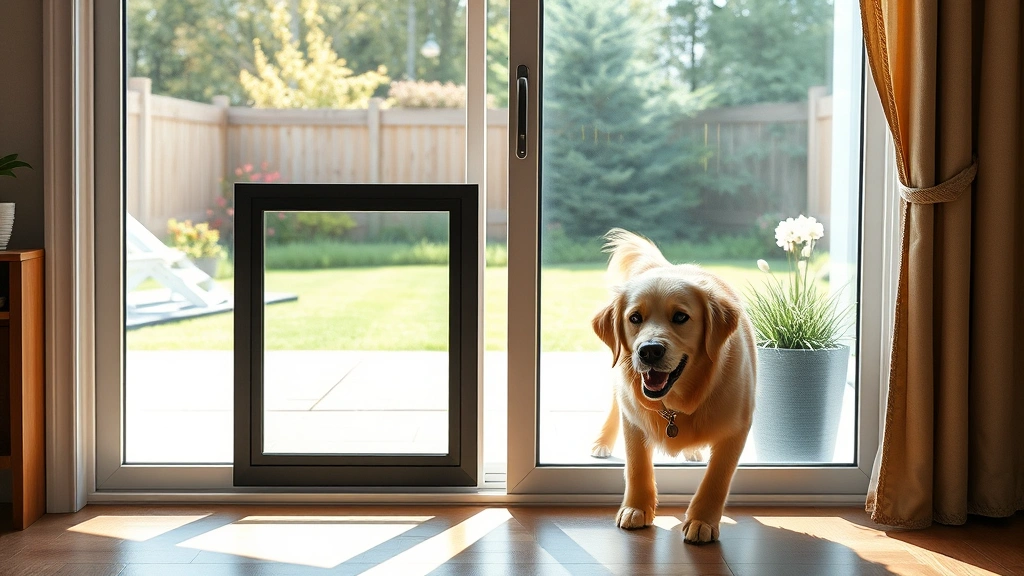
A patio door with dog door is one of the smartest home upgrades pet parents can make, giving your furry friend the freedom to roam between indoor and outdoor spaces without you playing doorman all day long. If you’re tired of your dog scratching at the glass or you’re constantly getting up to let Fido in and out, we’ve got the perfect solution for you.
Table of Contents
- Why Your Dog Needs Easy Access to the Outdoors
- Types of Dog Door Inserts for Sliding Glass Doors
- Option 1: The Classic Sliding Insert Dog Door
- Option 2: The Modular Panel Dog Door System
- Option 3: The Magnetic Closure Dog Door
- Option 4: The Smart/Electronic Dog Door
- Option 5: The French Door Dog Door Integration
- Installation Tips for Your Patio Door with Dog Door
- Training Your Dog to Use Their New Door
- Maintenance and Seasonal Considerations
- Security Concerns and Solutions
- Frequently Asked Questions
- Making the Right Choice for Your Home
Why Your Dog Needs Easy Access to the Outdoors
Dogs are naturally curious creatures who want to explore, play, and handle their business on their own schedule. When they can’t access the yard freely, they get bored, anxious, and sometimes destructive. Installing a patio door with dog door solves this problem by giving your pup independence while keeping your sanity intact. Plus, it reduces the wear and tear on your actual patio door from constant pawing and scratching.
Think about it: every time your dog needs a bathroom break, a drink of water, or just wants to chase a squirrel, they have instant access. No more interruptions to your work, no more guilt about leaving them inside on a beautiful day.
Types of Dog Door Inserts for Sliding Glass Doors
Not all dog doors are created equal. The market offers several styles designed specifically for sliding glass patio doors, and each has its own advantages. Understanding the differences will help you choose the best option for your home and your pet’s size.
Sliding glass dog door inserts are the most popular choice because they don’t require any permanent modifications to your existing door. These units slide into your current door track, making installation a breeze and keeping your landlord happy if you’re renting.
Option 1: The Classic Sliding Insert Dog Door
The sliding insert dog door is the bread and butter of patio dog doors. This style uses a frame that fits directly into your sliding glass door track, and your original door slides behind it. Installation typically takes 15-30 minutes, and you don’t need any special tools or contractor skills.
These doors usually feature a flexible flap that your dog learns to push through. The flap self-closes, which helps maintain your home’s temperature and keeps unwanted critters out. Many models include adjustable flaps for dogs of different sizes, from tiny Chihuahuas to large German Shepherds.
The main benefit? Zero permanent damage to your patio door. The main drawback? They’re not as secure as some other options, and they can sometimes stick in winter when temperatures drop.
Option 2: The Modular Panel Dog Door System
If you want something more robust, modular panel systems are game-changers. These systems replace a section of your sliding glass door with a custom panel that includes a built-in dog door. The panel is typically made from durable materials like aluminum and tempered glass or acrylic.
This option is perfect if you have a medium to large breed dog that needs a bigger opening. The panel maintains the aesthetic of your patio while providing a dedicated dog door that’s more durable than insert-style options. Installation requires some basic carpentry skills or professional installation, but the results look built-in and polished.
These systems offer better insulation than simple inserts and can handle more wear and tear from active dogs. If you’re planning to stay in your home long-term, this is a solid investment.
Option 3: The Magnetic Closure Dog Door
Magnetic closure dog doors are fantastic for pet parents worried about energy efficiency. Instead of a traditional flap, these doors use magnetic strips that automatically close behind your dog. The magnets are gentle enough that your pup won’t struggle to push through, but strong enough to seal the opening quickly.
This style works especially well in climates with extreme temperatures. Whether you’re dealing with brutal winters or scorching summers, the magnetic closure minimizes air exchange. Some models even include weatherstripping for additional insulation.
The downside? They’re typically more expensive than traditional flap doors, and they require more frequent maintenance to keep the magnets clean and functioning properly.
Option 4: The Smart/Electronic Dog Door
Welcome to the future, where your dog door can be smarter than you are. Electronic dog doors use microchip technology or collar tags to recognize your dog and only allow them access. This is incredibly useful if you have outdoor cats, raccoons, or other animals you don’t want wandering into your house.
Some smart dog doors connect to your smartphone, allowing you to lock or unlock the door remotely. You can monitor when your dog goes in and out, set schedules, and even receive alerts. If you have multiple pets and want to control which animals can access which areas, this technology is invaluable.
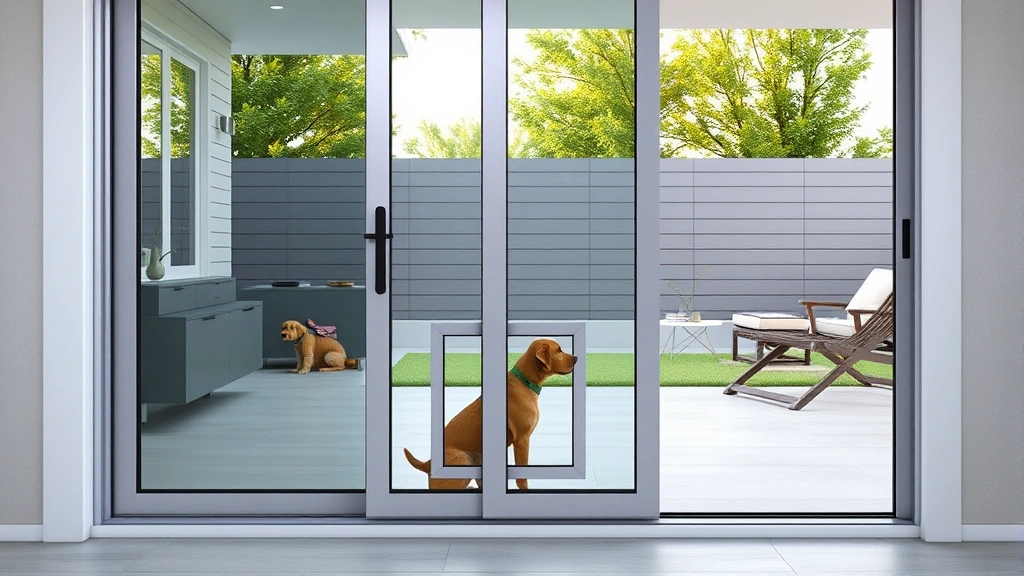
The catch? These systems are the most expensive option on the market, ranging from $300 to $1,000+ depending on features. They also require batteries or electrical connections, which means maintenance and potential technical issues.
Option 5: The French Door Dog Door Integration
If you have French doors instead of sliding glass doors, don’t worry—manufacturers have you covered. French door dog door inserts work similarly to sliding door versions but are designed to fit the narrower frames and different configurations of French doors.
These are particularly elegant because they maintain the classic look of your French doors while adding functionality. Some high-end options even include custom glass panels that match your existing doors perfectly.
Installation Tips for Your Patio Door with Dog Door
Before you buy, measure twice and order once. You’ll need the exact dimensions of your door opening, your dog’s height and width, and the distance from the floor to where you want the dog door installed. Most manufacturers provide sizing guides to help you get this right.
For sliding insert models, the installation process is straightforward: slide the frame into your door track, secure it with the provided hardware, and test the movement. Make sure your dog door opens smoothly and the flap moves freely.
If you’re going with a modular panel system, you might want to call a professional unless you’re comfortable with basic carpentry. Improper installation can affect the weatherproofing and functionality of your entire patio door system.
Pro tip: Install your dog door at the right height. The bottom of the door opening should be just a few inches off the ground so your dog doesn’t have to jump or crouch uncomfortably. If you have a medium outside dog breed, you’ll want to account for their full height when standing on hind legs.
Training Your Dog to Use Their New Door
Just because you install a dog door doesn’t mean your pup automatically knows how to use it. Some dogs take to it immediately, while others need encouragement. Start by propping the flap open so there’s no resistance, then gradually let it close as your dog becomes comfortable.
Use positive reinforcement—treats, praise, and enthusiasm—every time your dog goes through. You can also try standing outside and calling your dog through, or placing their favorite toy on the other side. Most dogs learn within a few days to a week with consistent training.
Never force your dog through the door. If they’re nervous, take it slow and let them explore at their own pace. Some anxious dogs might need a few weeks to feel confident using the door independently.
Maintenance and Seasonal Considerations
Your patio door with dog door needs regular maintenance to keep it functioning smoothly. Clean the flap monthly to prevent dirt buildup, and check the hinges and springs for wear. In winter, you might need to adjust the flap tension if it becomes stiff from cold temperatures.
Consider the climate where you live. In snowy regions, you might want to install a protective awning over the dog door to prevent snow and ice from blocking it. In hot climates, ensure the door gets some shade to prevent the flap material from degrading in UV light.
If you have a martingale collar for dogs or any collar with tags, make sure the collar won’t get caught on the door flap. Test this before leaving your dog unsupervised.
Security Concerns and Solutions
One legitimate concern with dog doors is home security. A dog door is technically an access point for intruders. However, most modern dog doors are sized specifically for pets, making them too small for humans to fit through. Electronic dog doors add an extra layer of security by controlling access.
If security is a major concern, consider installing your dog door in a sliding glass door that leads to an enclosed patio or courtyard rather than directly to the street. This gives your dog freedom while maintaining your home’s security.
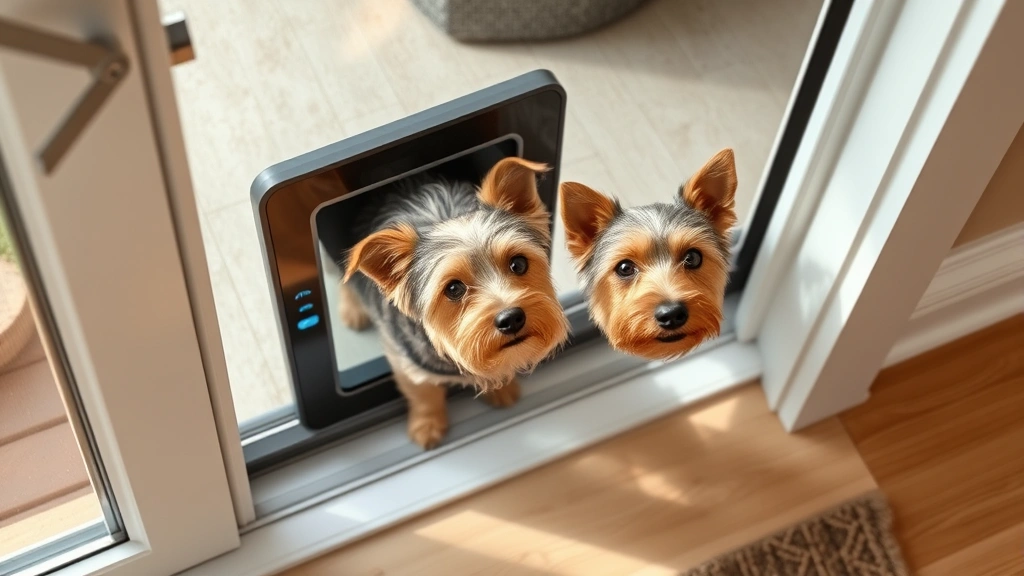
Always keep your home’s other entry points secure, and don’t rely solely on a dog door for home security. It’s an access point for your pet, not a security feature.
Frequently Asked Questions
Can I install a dog door in any patio door?
Most sliding glass patio doors can accommodate a dog door insert without modification. French doors and some specialty doors might require custom solutions. Always check your door’s specifications and the dog door manufacturer’s compatibility list before purchasing.
How much does a patio door with dog door cost?
Prices range dramatically based on type and quality. Simple insert-style dog doors cost $50-$200, modular panel systems run $300-$800, and smart electronic doors can exceed $1,000. Professional installation adds another $100-$500 to the total cost.
Will a dog door affect my home’s energy efficiency?
Poorly installed or low-quality dog doors can increase energy loss. However, modern models with magnetic closures, weatherstripping, and proper insulation minimize this impact. The energy loss is typically minimal compared to the convenience gained.
Is a dog door safe for small dogs?
Yes, but you need to choose the right size. Small dog doors are specifically designed for toy breeds and small dogs. Ensure the door is sized appropriately so your small dog doesn’t struggle to push through.
What if my dog is scared of the dog door?
Patience and positive reinforcement are key. Start with the flap propped open and gradually introduce resistance. Use treats, toys, and encouragement. Most dogs overcome their fear within a few weeks with consistent, gentle training.
Can I use a dog door if I’m renting?
Sliding insert-style dog doors are renter-friendly because they don’t permanently modify the door. However, always check your lease and get landlord approval before installation. Modular panel systems require permanent modifications and typically aren’t allowed in rental properties.
Do dog doors work in winter?
Yes, but you might need to make adjustments. The flap can become stiff in extreme cold. Some owners install protective coverings or choose magnetic closure doors for better insulation. In very snowy climates, you might need to clear snow from the door opening regularly.
Making the Right Choice for Your Home
Choosing the best patio door with dog door depends on your lifestyle, climate, budget, and your dog’s needs. If you’re renting or want an affordable solution, go with a sliding insert. If you want something permanent and attractive, invest in a modular panel system. If you’re concerned about other animals accessing your home, a smart electronic door is worth the investment.
Remember that your dog’s safety and comfort should be the priority. A well-chosen dog door gives your pup independence, reduces your stress, and makes your home more functional for everyone involved. Whether you choose a simple insert or a high-tech smart door, you’re making a choice that will improve your dog’s quality of life.
According to the American Kennel Club, providing dogs with access to outdoor spaces supports their physical and mental health. Additionally, PetMD recommends that dogs have regular outdoor access for exercise and bathroom breaks, making a dog door an excellent solution for busy pet parents.
If you’re still on the fence about which option to choose, consider visiting a local home improvement store to see different models in person. Many stores have display models you can test, giving you a hands-on feel for how each door operates. You can also check out resources from Oregon State University’s Extension Service for additional pet safety information.
Your dog will thank you for the freedom, and you’ll thank yourself for the convenience. A patio door with dog door is one of those home improvements that seems like a luxury until you have it—then you wonder how you ever lived without it.





