

If your furry best friend has been dealing with stomach issues, Pepcid for dogs might be exactly what your vet recommends to help ease their discomfort. This common over-the-counter medication has become a go-to solution for pet owners dealing with acid reflux, gastritis, and other digestive woes in their canine companions. But before you raid your medicine cabinet, let’s dive into what you need to know about using Pepcid safely and effectively for your pup.
Table of Contents
- What Is Pepcid and How Does It Work?
- Common Reasons Vets Prescribe Famotidine for Canines
- Proper Pepcid Dosage for Dogs: Getting It Right
- Safety Considerations and Potential Side Effects
- Drug Interactions: What You Need to Know
- Over-the-Counter vs. Prescription Pepcid for Dogs
- How Long Does Pepcid Take to Work in Dogs?
- Natural Alternatives and Complementary Treatments
- When to Call Your Vet About Pepcid Use
- Monitoring Your Dog’s Progress on Pepcid
- Cost and Availability of Pepcid for Dogs
- Frequently Asked Questions
- Conclusion: Making the Right Choice for Your Dog’s Digestive Health
What Is Pepcid and How Does It Work?
Pepcid (famotidine) is an H2-receptor antagonist that reduces the amount of acid produced in your dog’s stomach. Think of it as a bouncer at a nightclub, but instead of keeping rowdy people out, it’s keeping excessive stomach acid from causing problems. When dogs suffer from acid reflux, gastritis, or ulcers, their stomach produces too much acid, leading to inflammation and discomfort. Pepcid works by blocking histamine receptors in the stomach lining, which signals the stomach to produce less acid. The result? A happier, less nauseous pup.
Common Reasons Vets Prescribe Famotidine for Canines
Your veterinarian might recommend famotidine for dogs for several legitimate reasons. Chronic acid reflux is one of the most common culprits—some dogs just have sensitive stomachs that produce too much acid, especially when they’re stressed or eating rich foods. Gastritis, which is inflammation of the stomach lining, also responds well to Pepcid therapy. Dogs undergoing treatment with NSAIDs like Meloxidyl for Dogs may develop stomach ulcers as a side effect, and Pepcid helps protect their digestive tract. Additionally, some pups develop acid reflux after anesthesia or during recovery from surgery. Senior dogs and those with certain medical conditions are also prime candidates for this medication.
Proper Pepcid Dosage for Dogs: Getting It Right
The standard dosage of Pepcid for dogs is approximately 0.5 mg per pound of body weight, given twice daily. For example, a 50-pound dog would typically receive 25 mg twice daily. However—and this is crucial—you should always consult with your veterinarian before starting any medication. Dosages can vary based on the severity of your dog’s condition, their overall health, and any other medications they’re taking. Most vets recommend giving Pepcid 30 minutes to an hour before meals for maximum effectiveness. Some dogs do well on once-daily dosing, while others need the twice-daily schedule. Your vet will determine the best approach for your specific pup.
Safety Considerations and Potential Side Effects
While Pepcid is generally considered safe for dogs, it’s not without potential side effects. Most dogs tolerate it beautifully with zero issues, but some may experience mild side effects like constipation, diarrhea, or decreased appetite. Rare but serious side effects can include allergic reactions, which might manifest as hives, swelling, or difficulty breathing. Dogs with certain kidney or liver conditions should use Pepcid with caution, as their bodies may struggle to process the medication efficiently. Additionally, Pepcid can interact with other medications—particularly those that depend on stomach acid for absorption. This is why telling your vet about every supplement and medication your dog takes is absolutely essential.
Drug Interactions: What You Need to Know
Pepcid doesn’t play well with every medication in your dog’s medicine cabinet. Certain antibiotics, antifungals, and other drugs require adequate stomach acid to be absorbed properly, and Pepcid can reduce their effectiveness. If your dog is on alternatives to Apoquel for Dogs or other prescription medications, your vet needs to know before starting Pepcid. Calcium supplements and iron supplements may also have reduced absorption when taken with Pepcid. The timing of administration matters—spacing out medications by at least two hours can help minimize interactions. Your veterinarian will coordinate the timing of all your dog’s medications to ensure they work effectively together.
Over-the-Counter vs. Prescription Pepcid for Dogs
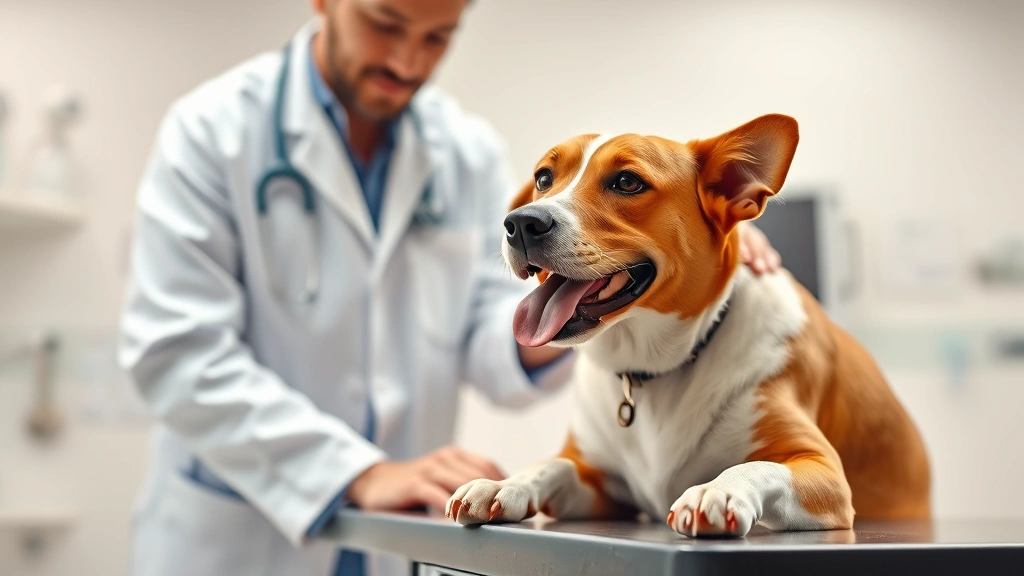
Here’s the good news: you can buy Pepcid over-the-counter without a prescription. The bad news? Just because it’s available doesn’t mean you should self-diagnose and treat your dog without veterinary guidance. Many pet owners think they’re saving money by skipping the vet visit, but they might be missing an underlying condition that needs specific treatment. What looks like simple acid reflux could actually be pancreatitis, a foreign object, or something more serious. Your vet can perform diagnostics to identify the real problem. That said, some veterinarians are comfortable with owners using OTC Pepcid under their guidance, while others prefer to prescribe it themselves to ensure proper dosing and monitoring.
How Long Does Pepcid Take to Work in Dogs?
Most dogs start showing improvement within 30 minutes to an hour of taking Pepcid, though it may take several days of consistent use before you notice significant changes in your pup’s comfort level. If your dog has been vomiting or showing signs of nausea, you should see those symptoms decrease within the first few days of treatment. However, if your dog shows no improvement after a week of consistent Pepcid use, contact your veterinarian. They may need to adjust the dosage, investigate other potential causes, or try a different medication altogether. Some dogs respond beautifully to Pepcid, while others need alternative treatments like yogurt for dogs or dietary modifications.
Natural Alternatives and Complementary Treatments
While Pepcid is effective, some pet owners prefer exploring natural options alongside or instead of medication. Mashed pumpkin for dogs can help regulate digestion and soothe the digestive tract. Bone broth, slippery elm bark, and probiotics have all shown promise in supporting digestive health. However—and this is important—these natural remedies shouldn’t replace veterinary care or prescribed medications without your vet’s approval. Many holistic vets recommend using Pepcid alongside these natural treatments for optimal results. The key is working with your veterinarian to create a comprehensive treatment plan tailored to your dog’s specific needs.
When to Call Your Vet About Pepcid Use
Certain situations warrant immediate veterinary attention. If your dog experiences severe vomiting, bloody vomit, or signs of an allergic reaction after taking Pepcid, call your vet right away. If your dog seems lethargic, won’t eat, or shows signs of abdominal pain despite being on Pepcid, these could indicate a more serious problem. Additionally, if your dog is taking other medications and you’re unsure about interactions, contact your vet before starting Pepcid. Pregnant or nursing dogs should only use Pepcid under direct veterinary supervision. Senior dogs and those with pre-existing kidney or liver disease need careful monitoring while on this medication. Your vet is your best resource for determining whether Pepcid is appropriate for your individual dog.
Monitoring Your Dog’s Progress on Pepcid
Once your dog starts taking Pepcid, keep detailed notes about their symptoms and how they respond to the medication. Track their appetite, energy levels, vomiting frequency, and overall demeanor. Take photos or videos of any symptoms you’re concerned about—this helps your vet assess whether the treatment is working. Most vets recommend a follow-up appointment after 1-2 weeks of Pepcid use to evaluate your dog’s progress. If your dog improves significantly, your vet might recommend continuing the medication long-term or gradually tapering off to see if symptoms return. Some dogs need Pepcid indefinitely, while others only need it temporarily during acute episodes.
Cost and Availability of Pepcid for Dogs
One of the best things about Pepcid is its affordability. Generic famotidine is incredibly inexpensive—you can typically buy a month’s supply for just a few dollars at any pharmacy or online retailer. The brand-name Pepcid AC costs slightly more but offers the same active ingredient. Many pet owners appreciate that they don’t need a prescription and can start treatment quickly if their vet recommends it. However, if your vet prescribes a specific formulation or dosage, check whether it’s covered by pet insurance. Some insurance plans cover certain medications while excluding others. Comparing prices between pharmacies and online retailers can save you money, especially if your dog needs long-term treatment.
Frequently Asked Questions
Can I give my dog Pepcid without a vet’s approval?
While Pepcid is available over-the-counter, it’s not advisable to give it to your dog without veterinary guidance. Your vet needs to rule out serious underlying conditions and determine the appropriate dosage for your specific pup. Self-treating could delay diagnosis of a more serious problem.
How long can my dog safely take Pepcid?
Dogs can take Pepcid long-term if recommended by their veterinarian, though most vets prefer using it for short-term acute episodes when possible. Some dogs with chronic acid reflux may need to stay on Pepcid indefinitely. Regular vet check-ups ensure the medication remains appropriate for your dog’s health status.
What’s the difference between Pepcid and Pepcid AC?
Both contain the same active ingredient (famotidine) and work identically in your dog’s body. Pepcid AC is the over-the-counter version, while prescription Pepcid may come in different formulations. The effectiveness is the same; the difference is mainly in branding and price.
Can Pepcid cause constipation in dogs?
Yes, constipation is a possible side effect of Pepcid, though it’s relatively uncommon. If your dog becomes constipated while taking Pepcid, inform your vet. They may recommend dietary adjustments or a stool softener to address the issue.
Is Pepcid safe for puppies?
Pepcid can be used in puppies when medically necessary, but dosing must be carefully calculated based on their weight. Puppies with acid reflux or gastritis can benefit from Pepcid under veterinary supervision. Always consult your vet before giving any medication to a young dog.
Can I use Pepcid alongside NSAIDs like Meloxidyl?
Yes, in fact, vets often recommend Methocarbamol for Dogs or other NSAIDs alongside Pepcid to protect the stomach lining from medication-induced ulcers. However, your vet must coordinate the timing and dosages to prevent interactions.
Conclusion: Making the Right Choice for Your Dog’s Digestive Health
Pepcid for dogs is a safe, affordable, and effective medication for managing acid reflux, gastritis, and related digestive issues. Understanding proper dosage, potential side effects, and when to use it ensures your furry friend gets the best possible care. While it’s available over-the-counter, working with your veterinarian remains essential for accurate diagnosis and treatment planning. Your vet can determine whether Pepcid is appropriate for your dog’s specific situation, identify any underlying conditions that need attention, and monitor your pup’s progress throughout treatment. Whether your dog needs short-term relief during an acute episode or long-term management of chronic digestive issues, Pepcid—combined with proper veterinary care—can significantly improve your dog’s quality of life and comfort.





