
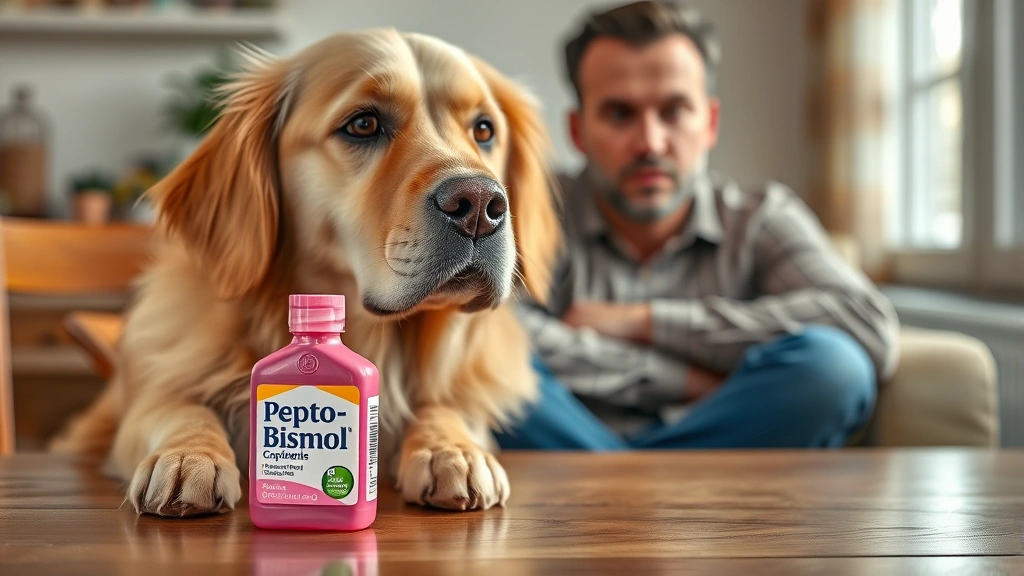
If your furry best friend is dealing with an upset stomach, you’ve probably wondered whether pepto for dogs is actually safe to give them. The short answer? It can be, but with some serious caveats and guidelines you absolutely need to follow. Let’s dive into what every dog parent should know before reaching for that pink bottle in your medicine cabinet.
Table of Contents
- Is Pepto-Bismol Actually Safe for Dogs?
- Understanding Pepto Dosage for Dogs
- When Should You Give Your Dog Pepto?
- Conditions Where Pepto Isn’t Appropriate
- Natural Alternatives to Pepto for Dogs
- Hydration: The Overlooked Hero
- Monitoring Your Dog After Giving Pepto
- When It’s Time to See the Vet
- The Bottom Line on Pepto for Dogs
- Frequently Asked Questions
Is Pepto-Bismol Actually Safe for Dogs?
Here’s the thing about Pepto-Bismol and dogs: it’s not technically FDA-approved for canine use, but vets do sometimes recommend it in specific situations. The active ingredient, bismuth subsalicylate, can help reduce inflammation in your dog’s digestive tract and has mild antibacterial properties. However, this doesn’t mean it’s a free pass to medicate your pup whenever they have the runs.
The biggest concern is that bismuth subsalicylate is related to aspirin, which can cause issues in dogs, especially those with certain health conditions. Some dogs also have sensitivities or allergies to the ingredients. Before you even think about giving your dog any medication, you should consult with your veterinarian. This isn’t just friendly advice—it’s essential.
Understanding Pepto Dosage for Dogs
If your vet gives you the green light for pepto for dogs, dosing is absolutely critical. The general guideline is 1 teaspoon (5ml) per 10 pounds of body weight, given every 6-8 hours. But here’s where it gets tricky: this isn’t a one-size-fits-all situation.
A small Chihuahua weighing 5 pounds would need a fraction of a teaspoon, while a 60-pound Labrador might need around 3 teaspoons. Most vets recommend using the liquid form rather than tablets because it’s easier to measure accurately. Never guess on dosing—measure carefully, and if you’re unsure, call your vet’s office. They can walk you through the exact amount for your specific dog.
When Should You Give Your Dog Pepto?
Pepto makes sense for certain types of digestive upset. If your dog has mild diarrhea, slight nausea, or general stomach discomfort, it might help. Many dogs experience occasional digestive issues, especially if they’ve gotten into something they shouldn’t have or eaten too quickly. In these cases, a short course of Pepto under veterinary guidance might provide relief.
However, if your dog has mucus in dog poop, persistent vomiting, or diarrhea lasting more than 24 hours, skip the Pepto and head straight to your vet. These symptoms can indicate something more serious that requires proper diagnosis and treatment. Pepto is a temporary bandage, not a cure for underlying problems.
Conditions Where Pepto Isn’t Appropriate
There are several situations where you should absolutely NOT give your dog Pepto. If your dog is on blood thinners, NSAIDs, or other medications, Pepto can interact negatively. Dogs with bleeding disorders, ulcers, or kidney disease shouldn’t have it either. Puppies and senior dogs often need special consideration too.
Also, if your dog has a dry cough and then gags, this isn’t a digestive issue that Pepto will fix. Similarly, if your dog is vomiting frequently or showing signs of toxicity, Pepto won’t address the root cause. These situations demand veterinary attention, not over-the-counter remedies.
Natural Alternatives to Pepto for Dogs
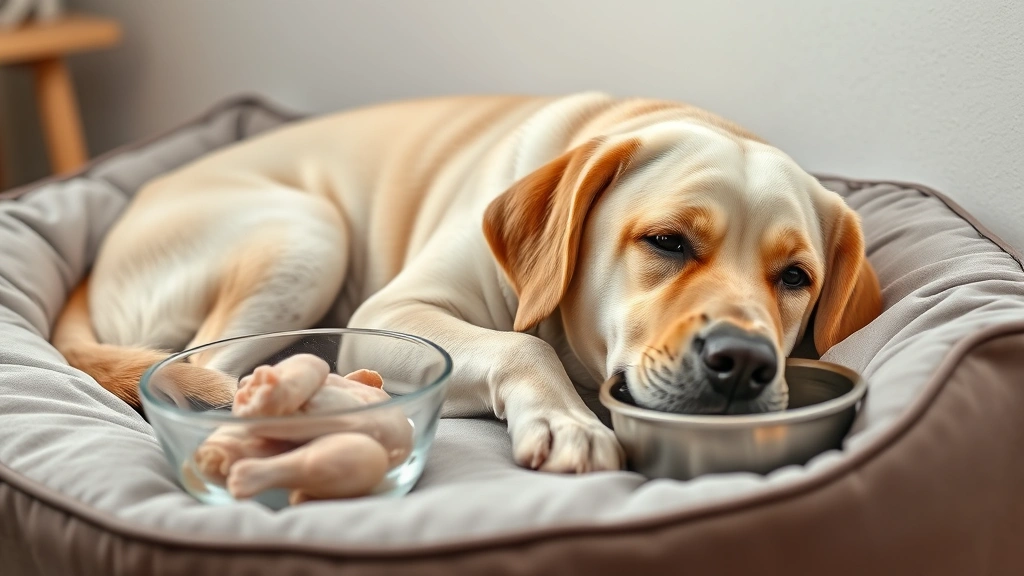
Before jumping to medication, consider some gentler options. A bland diet of boiled chicken and white rice can work wonders for mild stomach upset. Pumpkin puree (plain, not pie filling) is fantastic for both diarrhea and constipation because of its fiber content. Pedialyte is safe for dogs and can help with hydration during digestive distress.
Probiotics designed for dogs can help restore healthy gut bacteria, which is especially useful after an upset stomach. Bone broth (unsalted and without onions or garlic) is soothing and nutritious. Many vets actually prefer starting with these natural approaches before considering pharmaceutical options, especially for mild cases.
Hydration: The Overlooked Hero
When your dog has diarrhea or vomiting, dehydration becomes the real danger. Pepto might settle the stomach, but it won’t replace lost fluids. Make sure your dog has constant access to fresh water. If they’re not drinking, you might need to offer water in smaller, more frequent amounts or use an eyedropper if they’re really refusing.
Some dogs will drink more if you offer bone broth or low-sodium chicken broth (cooled). Electrolyte solutions designed for dogs can also help. Proper hydration is honestly more important than the Pepto itself—never lose sight of this priority.
Monitoring Your Dog After Giving Pepto
Once you’ve given your dog Pepto, watch them closely. You should see improvement within a few hours if it’s going to help. If your dog’s symptoms worsen, or if they develop new symptoms like lethargy, loss of appetite, or dark/tarry stools, contact your vet immediately. Dark stools can actually be a side effect of Pepto (it contains bismuth), but you want to make sure that’s what’s happening.
Keep track of how many times you’ve given the medication and at what times. If you need to call your vet, having this information ready is super helpful. Also note any changes in your dog’s behavior or appetite—these details matter for diagnosis.
When It’s Time to See the Vet
Honestly, if you’re unsure whether your dog needs Pepto, that uncertainty is usually a sign you should call your vet instead. They know your dog’s medical history and can give personalized advice. Some conditions that look like simple stomach upset can actually be serious, like pancreatitis, inflammatory bowel disease, or infections.
If your dog’s digestive issues are recurring, definitely see your vet. Chronic diarrhea or vomiting needs investigation. Your vet might recommend dietary changes, like adding salmon which is good for dogs for omega-3 fatty acids, or they might need to run tests to identify underlying issues.
The Bottom Line on Pepto for Dogs
Pepto for dogs can be a helpful tool when used appropriately and under veterinary guidance. It’s not a miracle cure, and it’s definitely not something to reach for every time your dog has a funny poop. The key is understanding when it’s appropriate, knowing the correct dosage, and recognizing when your dog needs actual veterinary care instead of home remedies.
Your vet is your best resource. Build a relationship with them, ask questions, and never hesitate to call if something seems off with your pup. A quick phone call might save you an emergency vet visit, and it’ll definitely give you peace of mind.
Frequently Asked Questions
Can I give my dog regular Pepto-Bismol from my medicine cabinet?
Technically yes, but you should only do so under veterinary guidance. Regular Pepto-Bismol formulated for humans is the same as what vets might recommend for dogs, but the dosing and situations where it’s appropriate need professional evaluation. Never give it without confirming with your vet first.
How long can I safely give my dog Pepto?
Generally, Pepto should only be given for 24-48 hours maximum without veterinary supervision. If your dog still has symptoms after this period, they need to see a vet. Prolonged use can cause complications and might mask a more serious condition.
What are the side effects of Pepto in dogs?
The most common side effect is dark or black stools due to the bismuth content. Some dogs might experience constipation. Rarely, dogs can have allergic reactions or sensitivity to the ingredients. If you notice lethargy, vomiting, or other concerning symptoms, stop giving Pepto and contact your vet immediately.
Is Pepto safe for puppies and senior dogs?
Puppies and senior dogs require extra caution. Their systems are more sensitive, and they’re more likely to have underlying health conditions that could interact with Pepto. Always get veterinary approval before giving either group any medication, including Pepto.
Can Pepto replace a vet visit?
Absolutely not. Pepto might provide temporary relief, but it won’t diagnose or treat underlying problems. If your dog has persistent or severe symptoms, a vet visit is essential. Pepto is a temporary measure, not a substitute for professional veterinary care.





