
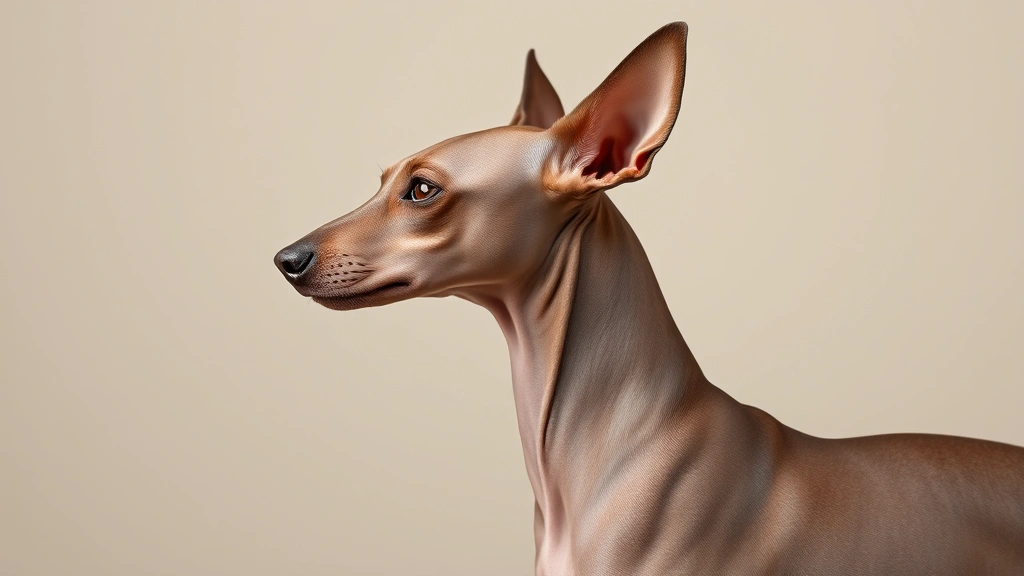
The Peruvian hairless dog is one of the most unique and ancient dog breeds on the planet, and if you’re thinking about bringing one into your home, you’re in for quite the adventure. These striking, nearly hairless canines have been around for thousands of years, originally bred by pre-Incan civilizations in Peru. Unlike other dog breeds, the Peruvian hairless dog comes with a completely different set of care requirements that’ll make you rethink everything you thought you knew about dog ownership. Let’s dive into what makes these magnificent creatures so special and how to keep them thriving.
Table of Contents
- What Exactly Is a Peruvian Hairless Dog?
- The Skin Care Essentials for Hairless Breeds
- Temperature Control and Climate Considerations
- Nutritional Needs and Diet Planning
- Exercise and Activity Levels
- Grooming and Hygiene Practices
- Common Health Issues and Veterinary Care
- Socialization and Temperament Training
- Housing and Living Space Requirements
- Clothing and Protective Gear
- Finding a Reputable Breeder
- Cost of Ownership Breakdown
- Frequently Asked Questions
- Final Thoughts: Is a Peruvian Hairless Dog Right for You?
What Exactly Is a Peruvian Hairless Dog?
A Peruvian hairless dog isn’t just a regular pup that sheds less—it’s a breed that’s virtually hairless from head to tail. The breed comes in three sizes: small (under 8 lbs), medium (9-17 lbs), and large (18-30 lbs). What’s wild is that some Peruvian hairless dogs are completely bald, while others sport a thin mohawk or tuft of hair on their heads. This genetic trait has been carefully preserved for centuries, making them one of the rarest breeds you’ll encounter. If you’re looking for a dog that won’t contribute to your household’s fur situation, this breed deserves serious consideration alongside other least moulting dogs.
The Skin Care Essentials for Hairless Breeds
Here’s where things get real: a Peruvian hairless dog’s skin is its most important feature, and it demands attention like nothing else. Without that protective fur layer, their skin is incredibly sensitive and prone to dryness, irritation, and sunburn. You’ll need to invest in quality moisturizing lotions and sunscreen specifically formulated for dogs—SPF 30 minimum, folks. Many owners use hypoallergenic, fragrance-free products to keep their pup’s skin happy and healthy. Bathing should happen every two weeks with lukewarm water and gentle dog shampoo. After each bath, pat them dry gently and apply moisturizer while their skin is still slightly damp to lock in hydration. Think of it like maintaining a luxury sports car—constant upkeep is non-negotiable.
Temperature Control and Climate Considerations
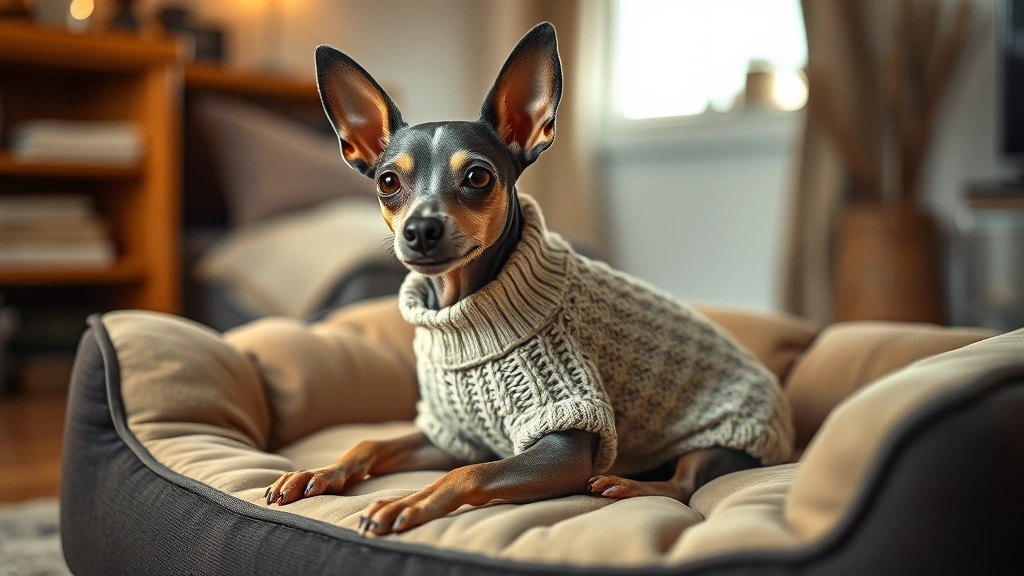
Without fur to regulate body temperature, Peruvian hairless dogs are basically living thermostats. They get cold incredibly easily, which means winter walks require a dog sweater or jacket—no exceptions. In summer, they overheat faster than you’d expect, so be mindful about whether it’s too hot to walk your dog before heading outside. The ideal indoor temperature for these pups hovers around 72-75°F. If you live somewhere with harsh winters or scorching summers, a Peruvian hairless dog might require more climate control than your actual family members. They’ll appreciate a cozy bed in a temperature-stable room, and honestly, they’re the perfect excuse to keep your house perfectly comfortable year-round.
Nutritional Needs and Diet Planning
These elegant dogs have specific nutritional requirements that differ from your average pooch. High-quality, protein-rich dog food is essential to support their metabolism and skin health. Look for foods with omega-3 and omega-6 fatty acids, which promote healthy skin and reduce inflammation. Many owners find that grain-free or limited-ingredient diets work best, as these dogs can have sensitive digestive systems. Consult with your vet about portion sizes based on your dog’s size and activity level. Treats should be given sparingly, and always opt for healthy options. Unlike larger breeds that might need specialized nutrition, Peruvian hairless dogs are generally moderate eaters, though they do benefit from consistent, high-quality nutrition.
Exercise and Activity Levels
Despite their delicate appearance, Peruvian hairless dogs are surprisingly active and energetic. They’re not couch potatoes—these pups need regular exercise to stay mentally stimulated and physically healthy. Daily walks of 30-45 minutes are ideal, though they’re adaptable to their owner’s lifestyle. They excel at indoor play and can be trained for agility competitions, which speaks to their intelligence and athleticism. However, if you’re looking for a more laid-back companion, check out our guide to low energy dog breeds to compare. These dogs thrive with interactive play, puzzle toys, and mental enrichment. They’re social animals that crave interaction with their humans, so be prepared to invest time in bonding and training.
Grooming and Hygiene Practices
Grooming a Peruvian hairless dog is refreshingly simple in some ways and intensely detailed in others. You won’t need to brush their non-existent fur, but you will need to clean their ears regularly, trim their nails, and maintain dental hygiene. Some owners use a gentle exfoliating cloth during baths to remove dead skin cells and prevent buildup. The skin folds around their ears and neck need special attention—moisture can accumulate there and cause infections if not properly managed. Dental care is crucial, as small breeds are prone to dental issues. Invest in a quality dog toothbrush and enzymatic toothpaste, and establish a regular brushing routine. Many owners take their Peruvian hairless dogs to professional groomers monthly for nail trimming and skin inspections.
Common Health Issues and Veterinary Care
Peruvian hairless dogs are generally healthy, but they’re predisposed to certain conditions. Dental problems are common in the breed, so preventive care is essential. They can also experience skin conditions, eye issues, and occasional hip dysplasia in larger specimens. Regular veterinary check-ups—at least twice yearly—help catch problems early. Because of their unique physiology, find a vet familiar with hairless breeds or willing to learn about their specific needs. Vaccinations and parasite prevention are just as important as with any dog, though some owners report their hairless pups are less prone to flea infestations due to lack of fur. Pet insurance might be worth considering given their specialized care requirements.
Socialization and Temperament Training
Peruvian hairless dogs are intelligent, alert, and surprisingly social creatures. They bond deeply with their families and can be excellent companions for the right owner. Early socialization is crucial—expose them to different people, environments, and experiences during puppyhood. They can be reserved with strangers, which makes them decent watchdogs despite their small to medium size. Training should be positive and consistent; these dogs respond well to reward-based methods and can learn complex commands. They’re sensitive souls who don’t respond well to harsh corrections, so patience and gentleness are key. Many owners find that their Peruvian hairless dogs develop quirky personalities that make them endlessly entertaining household members.
Housing and Living Space Requirements
While Peruvian hairless dogs are adaptable to various living situations, they thrive in homes where temperature control is possible. Apartments work fine as long as you can maintain consistent indoor temperatures. They don’t require massive yards—daily walks and indoor play suffice. However, they do need a comfortable, safe space to rest. Invest in a quality orthopedic dog bed, and consider options like a Kuranda dog bed that provides support and airflow. Keep your home free of drafts and cold spots. These dogs shouldn’t live outdoors or spend extended time in harsh weather. They’re companion dogs meant to be close to their humans, so expect them to follow you from room to room and want to snuggle on the couch.
Clothing and Protective Gear
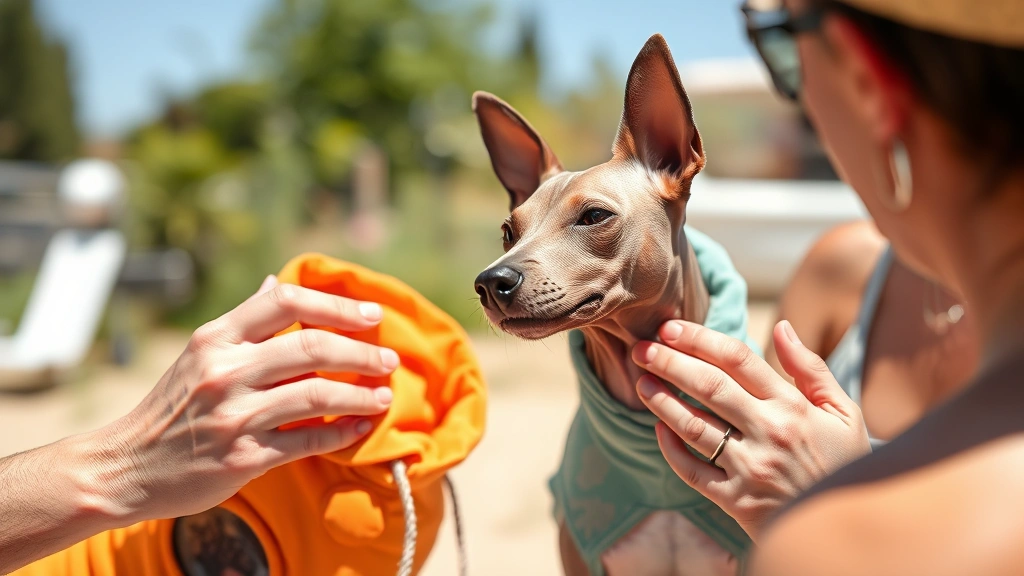
Yes, your Peruvian hairless dog will need a wardrobe. This isn’t vanity—it’s necessity. Lightweight sweaters for mild weather, heavier coats for winter, and sun-protective clothing for summer are all legitimate purchases. Look for soft, breathable fabrics that won’t irritate their sensitive skin. Booties can protect their feet from hot pavement and cold surfaces. Some owners even invest in UV-protective shirts for outdoor activities. While it might seem excessive, proper clothing prevents discomfort, skin damage, and temperature-related health issues. Plus, let’s be honest—a well-dressed Peruvian hairless dog is absolutely adorable and makes for excellent Instagram content.
Finding a Reputable Breeder
If you’re considering getting a Peruvian hairless dog, sourcing matters tremendously. Work with reputable breeders who health-test their dogs and understand the breed’s specific needs. The American Kennel Club (AKC) maintains a list of registered breeders. Ask breeders about health guarantees, temperament, and the parents’ medical histories. Avoid puppy mills and backyard breeders who prioritize profit over the breed’s wellbeing. A good breeder will ask you questions too—they care where their puppies go. Expect to pay $1,500-$3,000 for a well-bred puppy from a reputable source. Yes, that’s expensive, but it’s an investment in a healthier, better-socialized companion.
Cost of Ownership Breakdown
Let’s talk money. Owning a Peruvian hairless dog isn’t cheap. Initial costs include the puppy purchase, veterinary exams, vaccinations, and supplies. Annual expenses include premium dog food, veterinary care (including dental cleanings), quality skincare products, and clothing. Unexpected health issues can add significant costs. Budget around $2,000-$3,500 annually for routine care, plus emergency funds for unexpected issues. Pet insurance might run $30-$50 monthly. While they don’t require grooming like other breeds, the specialized skincare and veterinary needs offset that savings. These dogs are for committed owners who view them as family members, not budget-conscious purchases.
Frequently Asked Questions
Are Peruvian hairless dogs completely hairless?
Most are nearly hairless, but some have a mohawk or tuft of hair on their heads. The degree of hairlessness varies between individuals, but all lack the protective fur coat of typical dogs.
Can Peruvian hairless dogs live in cold climates?
They can, but it requires dedicated temperature control and proper clothing. They’re not ideal for people living in areas with extreme winters unless you’re committed to keeping them indoors most of the time.
Do Peruvian hairless dogs get along with other pets?
Generally yes, especially if socialized early. However, they can have a prey drive toward small animals, so introductions should be carefully managed.
How long do Peruvian hairless dogs live?
With proper care, they typically live 12-15 years. Some reach their late teens with excellent health management and veterinary care.
Are they good for first-time dog owners?
They can be, but their specialized care requirements mean they’re better suited for owners willing to invest time and resources into understanding their unique needs.
What’s the difference between Peruvian hairless and Chinese Crested dogs?
While both are hairless breeds, they’re distinct. Peruvian hairless dogs are typically larger, have different temperaments, and come from different ancestral lines. The Peruvian breed is more ancient and was developed independently in South America.
Final Thoughts: Is a Peruvian Hairless Dog Right for You?
A Peruvian hairless dog is an extraordinary choice for the right owner. These ancient, intelligent companions offer unique companionship and require a commitment to specialized care. They’re not maintenance-free—far from it—but they reward dedicated owners with loyal, affectionate bonds that last lifetimes. If you appreciate uniqueness, don’t mind investing in quality care, and have the patience to manage their specific needs, a Peruvian hairless dog could be your perfect match. For more information about specialized breed care, check out resources from PetMD and consult with breed-specific veterinarians. These remarkable dogs have thrived for thousands of years, and with proper care, they’ll continue to bring joy to families worldwide.





