

Pet behavioral telehealth is revolutionizing how pet owners address everything from excessive barking to litter box avoidance without leaving their couch. Whether your dog thinks your furniture is a chew toy or your cat has declared war on the bathroom, virtual behavioral consultations can save your sanity—and your security deposit. Let’s dive into how this modern solution works and why it’s becoming the go-to option for pet parents everywhere.
Table of Contents
- What Exactly Is Pet Behavioral Telehealth?
- Why Pet Owners Are Ditching Traditional Visits for Virtual Behavioral Consultations
- Common Behavioral Issues That Pet Behavioral Telehealth Can Address
- How to Prepare for Your First Pet Behavioral Telehealth Consultation
- The Role of Technology in Modern Behavioral Training
- Creating a Treatment Plan: What to Expect
- Medication and Behavioral Support: When They Work Together
- Cost Comparison: Telehealth vs. Traditional Behavioral Consultations
- Success Stories: Real Results from Pet Behavioral Telehealth
- Choosing the Right Pet Behavioral Telehealth Provider
- Integrating Telehealth Behavioral Advice with At-Home Care
- When to Combine Telehealth with Emergency Guidance
- Frequently Asked Questions
- Summary: Your Path Forward with Pet Behavioral Telehealth
What Exactly Is Pet Behavioral Telehealth?
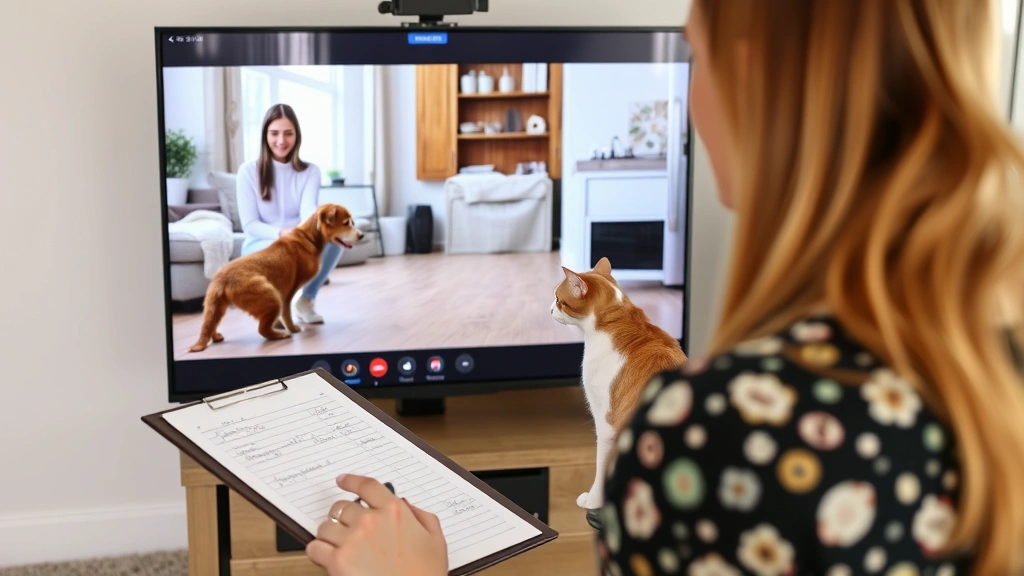
Pet behavioral telehealth is a virtual consultation service where certified animal behaviorists or veterinary behaviorists diagnose and treat behavioral problems through video calls, phone consultations, and digital follow-ups. Unlike traditional in-person visits, you can have a session from your living room while your anxious pup is doing zoomies in the background. These professionals analyze your pet’s behavior patterns, environmental factors, and lifestyle to create customized treatment plans.
The beauty of this approach is that behaviorists can observe your pet in their natural environment—where most behavioral issues actually happen. Your dog’s separation anxiety looks way different in your home than it would in a vet’s sterile office.
Why Pet Owners Are Ditching Traditional Visits for Virtual Behavioral Consultations
Let’s be real: getting your pet to a behaviorist appointment is like herding cats (pun intended). Pet behavioral telehealth eliminates the stress of car rides, waiting rooms, and your pet freaking out before they even see the professional. Plus, you save time and money on travel.

Another huge advantage? You get professional guidance faster. Many telehealth platforms have availability within days, not months. And if your dog’s aggression toward other dogs is escalating, waiting three months isn’t an option. You can also reference session recordings to refresh your memory on training techniques, which is clutch when you’re trying to remember if it was positive reinforcement or redirecting.
Common Behavioral Issues That Pet Behavioral Telehealth Can Address
Virtual behaviorists aren’t limited to minor quirks. They handle serious stuff. Separation anxiety, aggression (toward people, other pets, or objects), excessive barking, destructive behavior, inappropriate elimination, fear and phobias, compulsive behaviors, and resource guarding are all fair game.
Want to know something wild? A lot of these issues stem from anxiety or lack of mental stimulation. A behaviorist can identify the root cause instead of just treating symptoms. For instance, if your cat is peeing outside the box, it might not be a litter box problem—it could be medical (check with your vet first) or stress-related. Pet behavioral telehealth professionals dig deeper than “your pet is being bad.”

How to Prepare for Your First Pet Behavioral Telehealth Consultation
Before your appointment, document everything. When does the behavior happen? What triggers it? How does your pet respond? Write down your pet’s history, diet, exercise routine, and any recent changes in your household. Take videos of the problematic behavior if possible—this is gold for the behaviorist.
Make sure you have a quiet space for the consultation where you can focus. Your pet doesn’t need to be present the entire time, but having them nearby for observation is helpful. Have treats ready, your pet’s favorite toys on hand, and maybe some coffee because this might take a minute.
The Role of Technology in Modern Behavioral Training
Today’s pet behavioral telehealth platforms use high-quality video conferencing, screen-sharing for educational materials, and digital note-taking. Some platforms even integrate with wearable pet trackers to monitor activity levels and sleep patterns, which can reveal behavioral triggers.

The technology also allows for follow-up messaging between sessions. If you’re struggling with a specific training technique, you can shoot a quick video to your behaviorist and get feedback without scheduling another full consultation. It’s like having a behavioral expert in your pocket.
Creating a Treatment Plan: What to Expect
After your initial consultation, your behaviorist will create a customized treatment plan. This typically includes specific behavioral modification techniques, environmental changes, training exercises, and sometimes recommendations for CBD oil for pet anxiety or other complementary approaches.
The plan might involve counter-conditioning (changing your pet’s emotional response to a trigger), desensitization (gradually exposing your pet to the trigger in a controlled way), or management strategies (preventing the behavior from happening in the first place). Your behaviorist will explain each step in plain English, not confusing jargon.

Follow-up sessions are crucial. Most behaviorists schedule check-ins at 2 weeks, 4 weeks, and 8 weeks to assess progress and adjust the plan as needed. This is where pet behavioral telehealth really shines because you can have these quick touch-ins without the hassle of in-person appointments.
Medication and Behavioral Support: When They Work Together
Sometimes behavioral modification alone isn’t enough. Your vet might recommend anti-anxiety medication to help your pet be in a mental state where they can actually learn. This is especially true for severe anxiety or aggression cases.
Here’s the thing: medication and training work best together. The meds create a window of opportunity where your pet can process training, but they’re not a magic fix. Your behaviorist and vet need to communicate (most platforms facilitate this). If you’re exploring supplemental options, anxiety treats for cats or other pet relaxation aids can complement the overall treatment strategy.
Cost Comparison: Telehealth vs. Traditional Behavioral Consultations
Traditional in-person behavioral consultations typically run $200-$500+ per hour. Pet behavioral telehealth usually costs $100-$300 per session, sometimes less. You’re also saving on gas, parking, and the time off work.
Some pet insurance plans cover behavioral consultations (both virtual and in-person), so check your policy. Many pet owners find that investing in a few telehealth sessions prevents thousands in damage and vet bills down the road. A dog that’s learned not to resource guard is a dog that won’t bite the vet during an exam.
Success Stories: Real Results from Pet Behavioral Telehealth
Pet owners report incredible transformations. Aggressive dogs becoming friendly, anxious cats finally using their litter boxes, and destructive chewers learning appropriate outlets for their energy. One owner’s reactive dog went from lunging at every passing canine to walking calmly on a leash in eight weeks.

The key? Consistency and patience. Behavioral change doesn’t happen overnight, but with a solid plan from a professional and commitment to implementation, results are absolutely achievable. Many people see noticeable improvements within 2-4 weeks.
Choosing the Right Pet Behavioral Telehealth Provider
Not all providers are created equal. Look for board-certified veterinary behaviorists (ACVB) or certified professional dog trainers (CPDT). Check credentials, read reviews, and ask about their experience with your pet’s specific issue.
Reputable platforms should require a veterinary clearance first (to rule out medical causes), offer transparent pricing, and provide detailed treatment plans. Avoid anyone who promises instant results or uses outdated punishment-based methods. The gold standard is science-based, force-free training.

If you’re unsure where to start, the American Animal Hospital Association (AAHA) and AKC have directories of qualified professionals. You can also consult PetMD’s behavioral resources for additional guidance on finding certified experts.
Integrating Telehealth Behavioral Advice with At-Home Care
The best outcomes happen when pet behavioral telehealth is part of a holistic approach. This includes proper nutrition, adequate exercise, mental enrichment, and a stable environment. Your behaviorist might recommend specific toys, puzzle feeders, or training games.
You might also explore at home pet treatments that complement behavioral training. Environmental modifications—like creating safe spaces, adjusting lighting, or using calming diffusers—can significantly reduce stress and support the behavioral work you’re doing.

When to Combine Telehealth with Emergency Guidance
If your pet shows signs of aggression that could result in injury, or if you’re dealing with a medical emergency, don’t rely solely on telehealth. Always have a relationship with a local vet. However, for non-emergency behavioral questions, you can use pet symptom checker online tools and then discuss findings with your telehealth behaviorist.
For urgent situations like severe allergic reactions or trauma, check out pet first aid guidance resources while heading to the ER vet. Behavioral telehealth is fantastic for ongoing support, but it’s not a replacement for emergency veterinary care.
Frequently Asked Questions
Is pet behavioral telehealth as effective as in-person consultations?
Yes, research shows that virtual behavioral consultations are just as effective as in-person visits for most issues. Behaviorists can observe your pet in their natural environment, which is actually an advantage. The key is finding a qualified professional and committing to the treatment plan.

Can my regular vet provide behavioral telehealth services?
Some vets offer basic behavioral guidance, but for complex issues, you’ll want a board-certified veterinary behaviorist or certified animal behaviorist. They’ve completed specialized training beyond general veterinary medicine. Your regular vet can still be part of the team, especially for ruling out medical causes.
How long does it take to see results from pet behavioral telehealth?
This varies by issue and pet. Some owners see improvements within 2-4 weeks, while others need 8-12 weeks for significant change. Severe aggression or anxiety may take longer. Consistency with the treatment plan is the biggest factor in success.
What should I do if pet behavioral telehealth doesn’t work for my pet?
First, make sure you’ve given the plan adequate time and have been consistent. If you’ve followed the behaviorist’s recommendations for 8+ weeks with no improvement, discuss adjustments with your provider. Sometimes medication needs tweaking, or the approach needs modification. Don’t give up—there are usually multiple strategies to try.

Do I need my vet’s approval before starting pet behavioral telehealth?
Most reputable telehealth platforms require a recent veterinary exam to rule out medical causes of behavioral issues. This is important because pain, illness, or other medical conditions can cause behavioral changes. Your vet doesn’t need to “approve” the behaviorist, but medical clearance is standard protocol.
Can pet behavioral telehealth help with aggression?
Yes, but it depends on the severity and type. Mild to moderate aggression responds well to behavioral modification. Severe aggression may require medication alongside training. A qualified behaviorist will assess whether the case is appropriate for telehealth or if in-person evaluation is necessary for safety reasons.
Summary: Your Path Forward with Pet Behavioral Telehealth
Pet behavioral telehealth is a game-changer for pet owners dealing with behavioral challenges. It’s accessible, affordable, effective, and convenient. Whether your pet struggles with anxiety, aggression, destructive behavior, or any other issue, a qualified behaviorist can create a customized plan to address the root cause.

The key to success is choosing a certified professional, getting medical clearance from your vet, committing to the treatment plan, and being patient with the process. Combined with proper nutrition, exercise, enrichment, and environmental management, pet behavioral telehealth can transform your relationship with your furry friend.
Stop living with behavioral problems that make pet ownership stressful. Schedule your first consultation today and start your journey toward a happier, better-behaved pet. Your couch—and your sanity—will thank you.





