

When your furry best friend gets diagnosed with cancer, it feels like the world stops spinning. You’d move mountains to help them feel better, and that’s where pet cancer support supplements come into play. These aren’t magic pills, but they’re legitimate tools that can help support your pet’s immune system, reduce inflammation, and improve quality of life during cancer treatment and recovery.
Table of Contents
- Understanding Cancer in Pets: Why Supplements Matter
- The Five Proven Pet Cancer Support Supplements
- How to Choose Quality Pet Cancer Support Supplements
- Integration with Traditional Cancer Treatment
- Timing and Dosing Considerations
- Monitoring Your Pet’s Response
- Cost Considerations and Budget Planning
- Natural Doesn’t Always Mean Safe
- When to Reconsider Your Supplement Plan
- The Role of Veterinary Guidance
- Complementary Approaches Beyond Supplements
- Frequently Asked Questions
- Final Thoughts: Supporting Your Pet Through Cancer
Let me be straight with you: I’ve watched countless pet parents navigate this heartbreaking journey, and the right supplements can make a real difference. Not as a replacement for veterinary care, but as a powerful ally alongside it.
Understanding Cancer in Pets: Why Supplements Matter
Cancer in dogs and cats is devastatingly common. According to the American Kennel Club, one in three dogs will develop cancer in their lifetime. That’s not just a statistic—that’s your neighbor’s golden retriever, your friend’s tabby cat, maybe your own pet.
The thing about cancer is that it doesn’t just attack the tumor. It weakens the entire body. Chemotherapy and radiation, while necessary, can be tough on your pet’s system. This is where cancer support supplements for pets become valuable. They work by supporting the body’s natural defenses, managing inflammation, and helping maintain nutritional status when appetite might be compromised.
The Five Proven Pet Cancer Support Supplements
Here are the supplements that have shown the most promise in supporting pets with cancer:
1. Omega-3 Fatty Acids (Fish Oil)
Omega-3s are like the bodyguards of the cellular world. They reduce inflammation throughout the body and have been shown in multiple studies to slow cancer cell growth. Fish oil is particularly beneficial because it contains EPA and DHA, two omega-3s that your pet’s body can’t manufacture on its own.
The anti-inflammatory properties are especially helpful for pets undergoing chemotherapy. You’re looking at doses between 1,000-2,000 mg daily for medium-sized dogs, but always check with your vet first.
2. Mushroom Extracts (Beta-Glucans)
I know, mushrooms sound weird for cancer support, but bear with me. Medicinal mushrooms like reishi, shiitake, and maitake contain beta-glucans that activate the immune system. These compounds help your pet’s body recognize and fight cancer cells more effectively.
Research from veterinary oncologists has shown that mushroom extracts can enhance the effectiveness of conventional treatments. They’re typically given as powders mixed into food, and they’re generally well-tolerated with minimal side effects.
3. Curcumin (Turmeric)
Curcumin is the active compound in turmeric, and it’s been studied extensively for its anti-cancer properties. It works by blocking inflammatory pathways and can even trigger apoptosis (programmed cell death) in cancer cells. For pets, the challenge is absorption—which is why quality matters.
Look for supplements that include black pepper (piperine), which increases curcumin absorption by up to 2,000%. Typical dosing is 50-100 mg per 10 pounds of body weight, but this varies based on the formulation.
4. Vitamin D3
Vitamin D isn’t just for bone health. It plays a crucial role in immune function and cell regulation. Studies show that pets with adequate vitamin D levels have better outcomes with cancer treatment. Many pets are deficient, especially those spending most of their time indoors.
Your vet can test your pet’s vitamin D levels, which is the best way to determine proper dosing. Supplementation typically ranges from 400-1,000 IU daily, depending on your pet’s current levels and size.
5. L-Glutamine
This amino acid is the preferred fuel for intestinal cells and immune cells. Cancer and its treatments can damage the gut lining, leading to poor nutrient absorption and secondary infections. L-glutamine helps repair and maintain the intestinal barrier.
It’s especially useful if your pet experiences digestive issues during treatment. Dosing is typically 500 mg to 1 gram per 10-20 pounds of body weight, divided into two doses daily.
How to Choose Quality Pet Cancer Support Supplements
Not all supplements are created equal. The pet supplement industry isn’t as heavily regulated as pharmaceuticals, which means you need to be a detective. Look for products that have third-party testing, clear ingredient lists, and manufacturer transparency about sourcing.
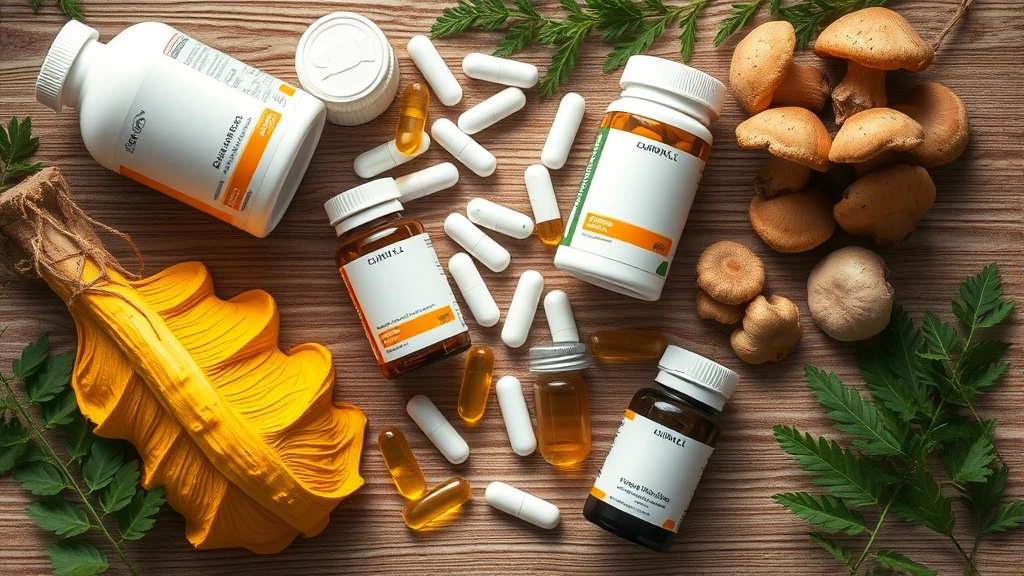
Check out our guide on Pet Supplement Ingredient Transparency to learn exactly what to look for on labels. You want supplements from companies that actually test their products for contaminants and potency.
Also, verify that the supplement won’t interact with your pet’s current medications. Some compounds can interfere with chemotherapy or other treatments. Your veterinarian or a veterinary oncologist should review any supplements before you start them.
Integration with Traditional Cancer Treatment
Here’s the critical part: supplements are sidekicks, not superheroes. They work best alongside conventional veterinary treatment like chemotherapy, radiation, or surgery. Never replace prescribed treatments with supplements alone.
The best approach is what we call integrative oncology—combining the best of conventional medicine with supportive supplements. Your vet might also recommend exploring Pet Longevity Supplements to extend quality of life beyond just cancer management.
Timing and Dosing Considerations
When to start supplements matters. Some vets recommend beginning them before cancer is diagnosed, as part of Preventative Care Supplements. Others prefer waiting until after initial treatment begins.
The timing can affect how well your pet tolerates treatment. For instance, starting omega-3s before chemotherapy might reduce treatment side effects. Starting them during active treatment might help manage inflammation from the cancer itself.
Dosing is highly individual and depends on your pet’s weight, age, kidney and liver function, and specific cancer type. A 10-pound Chihuahua needs vastly different doses than a 90-pound German Shepherd.
Monitoring Your Pet’s Response
How do you know if supplements are actually working? Watch for improvements in energy levels, appetite, coat quality, and overall demeanor. Some pets show noticeable improvement within 2-4 weeks, while others take longer.
Keep detailed records of your pet’s condition, including any changes in tumor size, energy, appetite, and side effects from treatment. Share these observations with your vet at each visit. This data helps determine whether to continue, adjust, or change supplements.
Blood work can also reveal improvements in immune markers and nutritional status. If your vet recommends periodic testing, it’s worth doing—it gives you objective data about how well the supplements are supporting your pet’s body.
Cost Considerations and Budget Planning
Quality pet cancer support supplements aren’t cheap. You’re looking at anywhere from $30-150 per month depending on what you choose and your pet’s size. Over a year, that adds up.
But consider this: if supplements reduce chemotherapy side effects or extend your pet’s quality life by even a few months, most pet parents consider it money well spent. Look for bundles or subscription discounts from reputable manufacturers. Some veterinary oncology clinics also offer their own supplement lines at better prices.
Natural Doesn’t Always Mean Safe
One thing that trips up pet parents is assuming natural equals safe. Some natural compounds can be toxic to pets or interfere with medications. For example, St. John’s Wort can interfere with certain chemotherapy drugs. Always verify safety with your vet before starting any supplement.
Additionally, some supplements marketed for cancer support lack scientific evidence. Stick with options that have actual research backing them up, not just testimonials. The PetMD database and veterinary oncology journals are good resources for evidence-based information.
When to Reconsider Your Supplement Plan
If your pet shows signs of adverse reactions—vomiting, diarrhea, lethargy, or loss of appetite—discontinue the supplement immediately and contact your vet. Sometimes a pet’s tolerance changes as their condition evolves.

Also reconsider if your pet’s cancer progresses despite supplements and conventional treatment. This doesn’t mean supplements failed; it means the cancer is aggressive. At this point, your focus might shift to palliative care and quality of life rather than aggressive treatment.
The Role of Veterinary Guidance
This is worth repeating: work with your vet. Ideally, a veterinary oncologist who understands both conventional cancer treatment and integrative medicine. If your regular vet isn’t familiar with supplements, ask for a referral or consider a Remote Vet Consultation with a specialist.
Some vets dismiss supplements entirely, while others recommend everything under the sun. The sweet spot is a vet who evaluates each supplement based on evidence and your pet’s specific situation.
Complementary Approaches Beyond Supplements
Supplements work best as part of a comprehensive approach. Consider also incorporating Anti-Inflammatory Supplements for Cats if you have a feline friend, or exploring broader nutritional support like Pet Multivitamins to fill nutritional gaps.
Diet modifications, stress reduction, gentle exercise, and maintaining a healthy weight all support your pet’s ability to fight cancer. Some vets recommend switching to a prescription cancer diet that’s lower in carbohydrates and higher in quality proteins and fats.
Frequently Asked Questions
Can supplements cure cancer in pets?
No. No supplement can cure cancer. They’re supportive tools that work alongside veterinary treatment. Think of them as helping your pet’s body fight cancer more effectively, not as a standalone cure. Always pursue conventional veterinary treatment for cancer diagnosis.
Are there any supplements I should absolutely avoid with cancer?
Yes. Avoid high-dose vitamin C (can interfere with some chemotherapy), excessive vitamin E, and certain herbal supplements like echinacea or astragalus without vet approval. Some supplements can reduce chemotherapy effectiveness. Always get vet clearance before starting anything.
How long does it take to see results from cancer support supplements?
Most pets show some changes within 2-4 weeks, though some take longer. Improvements might include better energy, improved appetite, or reduced inflammation. Blood work might show improvements in immune markers within 4-8 weeks. Be patient—supplements support gradual improvement, not overnight transformation.
Can I give my pet supplements if they’re not in active cancer treatment?
Absolutely. Many supplements support overall health and immune function. Preventative supplementation can be especially valuable for breeds prone to cancer or older pets. Just ensure quality and work with your vet to avoid over-supplementation.
What’s the difference between human and pet cancer supplements?
Dosing is completely different—pets are much smaller and metabolize compounds differently than humans. Additionally, some ingredients safe for humans can be toxic to pets (like xylitol in some supplements). Always use pet-specific formulations, never human supplements unless explicitly approved by your vet.
Should I stop supplements if my pet has side effects from chemotherapy?
Not necessarily, but you might need to adjust. Some supplements actually reduce chemotherapy side effects. Others might compound them. Work closely with your vet to determine which supplements to continue, which to adjust, and which to pause temporarily.
Final Thoughts: Supporting Your Pet Through Cancer
Watching your pet battle cancer is one of the hardest experiences of pet parenthood. Pet cancer support supplements offer a way to actively participate in their care, to feel like you’re doing everything possible. And honestly? That matters. For your pet and for your own peace of mind.
The supplements discussed here—omega-3s, mushroom extracts, curcumin, vitamin D, and L-glutamine—have legitimate research supporting their use in cancer management. But they’re not magic. They work best when combined with excellent veterinary care, quality nutrition, and lots of love.
Start by talking to your vet about which supplements make sense for your pet’s specific situation. Get their input on dosing, timing, and potential interactions. Monitor your pet’s response carefully. And remember: supplements are one tool in a larger toolkit. The goal is giving your pet the best possible quality of life for as long as possible.
Your pet is lucky to have someone who cares enough to research options like this. That dedication matters more than you know.





