
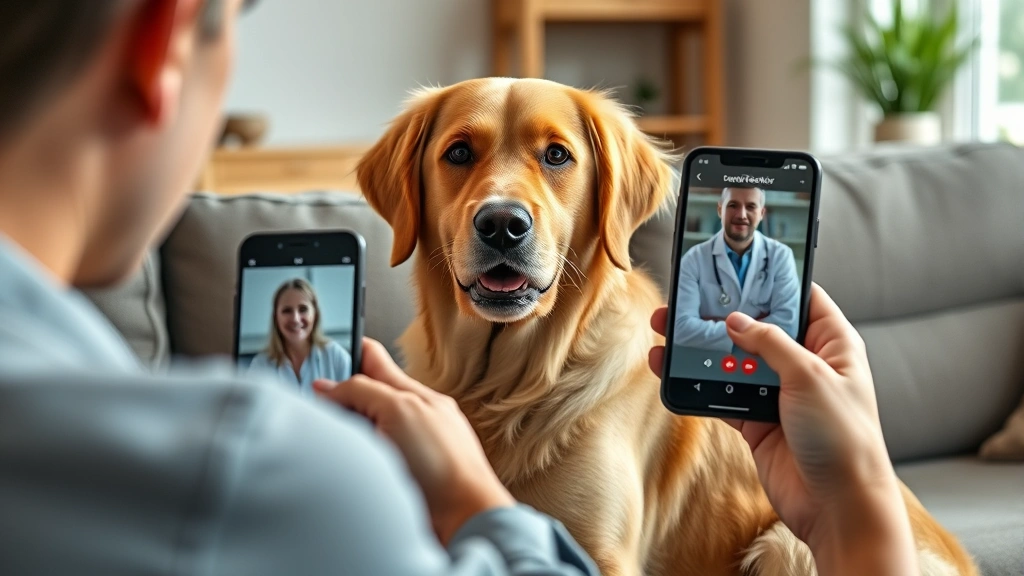
Pet dermatology telehealth is revolutionizing how pet owners address skin issues, allergies, and coat problems without leaving their couch—and honestly, it’s about time someone invented this.
Table of Contents
- What Exactly Is Pet Dermatology Telehealth?
- The Rise of Online Veterinary Dermatology Services
- Benefit #1: Convenience That Actually Works
- Benefit #2: Access to Specialized Expertise
- Benefit #3: Cost-Effective Skin Problem Solutions
- Benefit #4: Better Documentation and Follow-Up Care
- Benefit #5: Reduced Stress for Anxious Pets
- Common Conditions Treated Through Telehealth Dermatology
- What to Expect During Your Telehealth Dermatology Consultation
- Integrating Telehealth Dermatology With Your Regular Vet
- Choosing the Right Pet Dermatology Telehealth Platform
- External Resources for Pet Skin Health
- The Future of Pet Dermatology Care
- Frequently Asked Questions
- Summary: Why Pet Dermatology Telehealth Matters
What Exactly Is Pet Dermatology Telehealth?
Pet dermatology telehealth combines two things: veterinary dermatology expertise and the convenience of online consultations. Instead of wrestling your itchy dog into a carrier and sitting in a waiting room for two hours, you can now video chat with a board-certified veterinary dermatologist from your living room. These specialists focus specifically on skin, ear, and coat conditions in pets, which means they’ve seen it all—from mysterious rashes to chronic allergies that make your pup scratch like they’re auditioning for a rock band.
The Rise of Online Veterinary Dermatology Services
The veterinary industry has caught up with the rest of healthcare, finally. Online veterinary dermatology services have exploded in popularity over the last few years, and for good reason. Pet owners are tired of playing phone tag with their regular vet or being told to “just wait and see” when Fluffy’s skin looks like a science experiment gone wrong. These telehealth platforms connect you with actual dermatology specialists who can review photos, discuss symptoms in detail, and provide treatment plans—all without your pet needing to experience car ride anxiety.
Benefit #1: Convenience That Actually Works
Let’s be real: getting a pet to the vet is like herding cats (literally, if you have cats). Pet dermatology telehealth eliminates the car ride, the waiting room, and the stressed-out pet energy that makes everything worse. Schedule a consultation during your lunch break, from bed, or while your dog is napping. No more rearranging your entire week around appointment availability. A remote vet consultation for skin issues means you’re actually more likely to seek help earlier, which leads to faster resolution of problems.
Benefit #2: Access to Specialized Expertise
Your regular veterinarian is great, but they’re a generalist. They handle everything from vaccines to broken bones to behavioral issues. A board-certified veterinary dermatologist? They’ve dedicated their entire career to skin conditions. They can recognize subtle signs of atopic dermatitis, distinguish between fungal and bacterial infections, and identify breed-specific skin predispositions that your regular vet might miss. Through pet dermatology telehealth, you get this specialized knowledge without traveling to a distant veterinary dermatology center.
Benefit #3: Cost-Effective Skin Problem Solutions
Dermatology consultations through telehealth platforms are typically less expensive than in-person visits to a dermatology specialist. You’re eliminating overhead costs like facility maintenance, and you’re not paying for the privilege of sitting in a waiting room. Plus, getting proper diagnosis early means you avoid the expensive trial-and-error approach where you buy every medicated shampoo on the market hoping something sticks. Pet medication advice online from a dermatologist ensures you’re spending money on treatments that actually work for your pet’s specific condition.
Benefit #4: Better Documentation and Follow-Up Care
Telehealth creates a natural paper trail. Consultations are recorded (with consent), notes are detailed, and follow-ups are easier to schedule and track. You can reference previous conversations, share photos of how your pet’s skin has improved or worsened, and adjust treatment plans based on documented progress. This is especially valuable for chronic conditions like allergies that require ongoing management and tweaking. You’re not relying on your memory of what the vet said three months ago.
Benefit #5: Reduced Stress for Anxious Pets
Some pets have legitimate anxiety about vet visits. The car, the strange environment, the poking and prodding—it’s a lot. Pet dermatology telehealth eliminates most of this stress. Your pet stays home in their safe space while you discuss their symptoms with a specialist. The vet can still assess skin conditions through photos and video, and many conditions don’t require physical examination for initial consultation and treatment planning.
Common Conditions Treated Through Telehealth Dermatology
Pet dermatology telehealth isn’t limited to minor issues. Dermatologists through these platforms treat:
- Allergic dermatitis: Environmental and food allergies that cause itching, redness, and hair loss
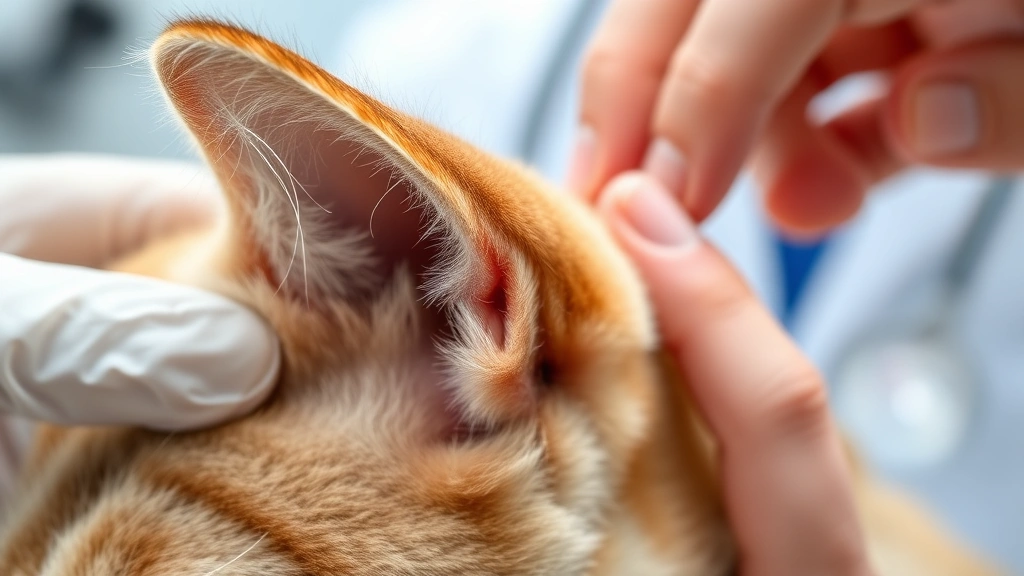
- Ear infections: Chronic yeast and bacterial infections that drive pets (and owners) crazy
- Fungal infections: Ringworm and other fungal conditions that are contagious and frustrating
- Seborrhea: Oily or dry skin conditions that affect coat quality
- Autoimmune conditions: Serious skin diseases requiring specialized knowledge
- Parasitic skin diseases: Beyond fleas—mites, lice, and other parasites
For seasonal allergies, your dermatologist can recommend allergy season supplements alongside prescription treatments to give your pet comprehensive relief.
What to Expect During Your Telehealth Dermatology Consultation
Before your appointment, gather information: when did the skin problem start, what does it look like, is it itchy or painful, what treatments have you already tried. Take clear photos from different angles—good lighting is your friend here. During the consultation, the dermatologist will ask detailed questions, examine the photos and possibly video of your pet, and discuss your pet’s medical history. They may recommend bloodwork, skin scrapings, or fungal cultures, which your local vet can perform and send results digitally. This hybrid approach gives you specialist insight with local lab support.
Integrating Telehealth Dermatology With Your Regular Vet
Pet dermatology telehealth doesn’t replace your regular veterinarian—it complements them. Your regular vet handles routine care, vaccines, and emergency issues. Your telehealth dermatologist provides specialized skin expertise. The best outcomes happen when these two work together. Your dermatologist can communicate recommendations to your regular vet, and your regular vet can perform necessary physical exams or procedures that the dermatologist recommends. If your pet needs sensitive stomach supplements due to food allergies affecting their skin, your dermatologist can coordinate this recommendation with your regular vet.
Choosing the Right Pet Dermatology Telehealth Platform
Not all telehealth platforms are created equal. Look for services that employ board-certified veterinary dermatologists (check the ACVD—American College of Veterinary Dermatology). Verify that the platform is licensed to operate in your state, as veterinary regulations vary. Read reviews from actual pet owners, and check whether the service offers follow-up consultations and communication with your regular vet. Some platforms integrate with your local veterinary clinic, which streamlines care coordination. Legitimate services will require your pet to have been seen by a vet within a certain timeframe before offering dermatology consultations.
External Resources for Pet Skin Health
For more information on pet dermatology and skin conditions, check out the American College of Veterinary Dermatology, which maintains a directory of board-certified dermatologists. PetMD’s skin condition guides offer additional educational resources. For scientific information, the Cornell University College of Veterinary Medicine provides evidence-based information on dermatological conditions.
The Future of Pet Dermatology Care
As technology improves, pet dermatology telehealth will likely become even more sophisticated. Artificial intelligence may help identify skin conditions from photos, wearable sensors could monitor pets’ skin health continuously, and virtual reality consultations might provide even richer diagnostic information. For now, though, telehealth dermatology represents a significant leap forward in pet healthcare accessibility. It’s democratizing specialist care, making expert knowledge available to pet owners regardless of their location or schedule constraints.

Frequently Asked Questions
Can a dermatologist diagnose my pet’s skin condition through photos alone?
In many cases, yes—especially for obvious conditions like mange, ringworm, or severe allergic reactions. However, some conditions require physical examination, skin scrapings, or fungal cultures. A good telehealth dermatologist will be honest about whether they need in-person diagnostics and will coordinate with your local vet to obtain them.
Will pet dermatology telehealth be covered by pet insurance?
Many pet insurance plans do cover telehealth consultations, but coverage varies by plan and provider. Check your specific policy or contact your insurance company directly. Even if not covered, telehealth dermatology is often less expensive than in-person specialist visits, so the cost savings might offset the lack of insurance coverage.
How long does a typical pet dermatology telehealth consultation take?
Most consultations last 20-45 minutes, depending on the complexity of the case and the platform. Follow-up consultations to review treatment progress are often shorter. Unlike in-person vet visits, you’re typically not paying for waiting room time, so you get the full appointment duration with the actual specialist.
Can telehealth dermatologists prescribe medications?
Yes, board-certified veterinary dermatologists can prescribe medications through telehealth platforms, just like in-person vets. Prescriptions are sent to your preferred pharmacy or your local vet. Some platforms have partnerships with pharmacies to streamline this process.
What if my pet needs a physical exam that telehealth can’t provide?
Your telehealth dermatologist will refer you to your local veterinarian for any procedures requiring hands-on examination. This might include skin biopsies, ear cleaning, or other treatments. The dermatologist provides the diagnosis and treatment plan; your local vet executes the physical components.
Summary: Why Pet Dermatology Telehealth Matters
Pet dermatology telehealth combines specialist expertise with modern convenience, giving pet owners access to board-certified dermatologists without the hassle of in-person visits. Whether your pet is scratching constantly, dealing with chronic ear infections, or showing mysterious skin symptoms, telehealth dermatology offers a faster, more affordable path to answers. The five essential benefits—convenience, specialized expertise, cost-effectiveness, better documentation, and reduced pet stress—make this an increasingly popular choice for pet owners who refuse to accept “just monitor it” as a treatment plan. By integrating telehealth dermatology with your regular veterinary care, you’re giving your pet the comprehensive skin health management they deserve. Start by researching board-certified dermatologists in your area, gather photos of your pet’s skin condition, and schedule that consultation. Your itchy, uncomfortable pet will thank you.





