
When your furry friend gets hurt or sick, pet first aid guidance can literally be the difference between life and death. Most pet owners panic when their dog eats something weird or their cat gets into a fight, but knowing basic first aid techniques transforms you from a frantic mess into a capable caregiver. This guide walks you through practical, actionable steps that could save your pet’s life before you even get to the vet.
Why Pet First Aid Guidance Matters More Than You Think
Here’s the uncomfortable truth: your vet might be 20 minutes away, but your pet’s emergency might need attention right now. Whether it’s a bleeding wound, choking hazard, or poisoning, those first few minutes are critical. Pet first aid guidance gives you the knowledge to stabilize your animal, reduce shock, and prevent minor issues from becoming catastrophic. Plus, understanding basic emergency care means you won’t accidentally make things worse—which honestly, is half the battle.
The Pet First Aid Kit: Your Emergency Toolkit
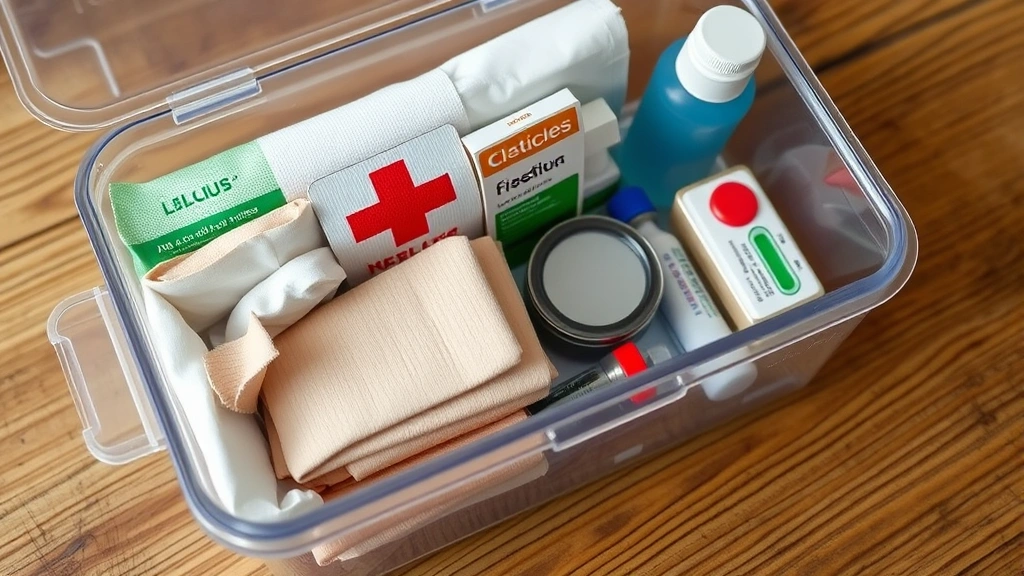
Before we dive into techniques, let’s talk supplies. A proper pet emergency care kit should include sterile gauze, non-stick bandages, antiseptic wipes, tweezers, a digital thermometer, antibiotic ointment, elastic bandages, and a muzzle (yes, even friendly dogs bite when they’re in pain). Keep it in an easily accessible spot and check it quarterly. Store a backup kit in your car because emergencies love inconvenient timing.
Recognizing Shock: The Silent Killer
Shock is your pet’s worst enemy after an injury or illness. Signs include rapid breathing, weak pulse, pale gums, dilated pupils, and lethargy. If you suspect shock, keep your pet warm with blankets, elevate their rear legs slightly, keep them calm, and get to a vet immediately. This is where animal emergency response training becomes essential—you’re essentially buying time for professional help.
CPR and Rescue Breathing: When Your Pet Stops Breathing
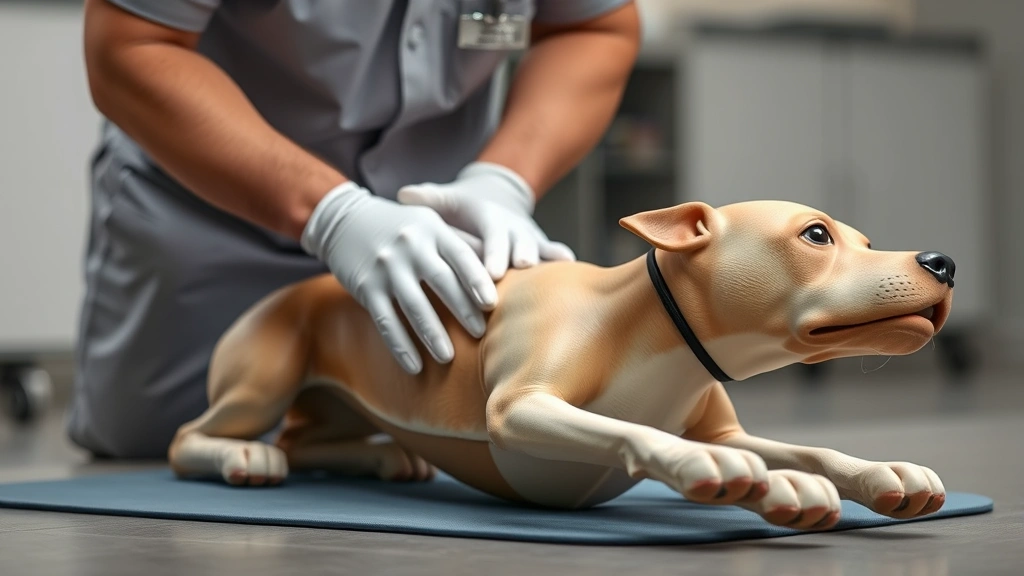
This is heavy stuff, but it’s crucial. For dogs and cats, check if they’re breathing by watching their chest or feeling for breath. If not, clear their airway of any obvious obstructions. For rescue breathing, close their mouth, seal your lips around their nose, and blow gently for one second. For CPR, place your hands on their chest (right side) and compress at 100-120 compressions per minute. Alternate 30 compressions with 2 rescue breaths. Keep going until they breathe or you reach emergency care. The American Red Cross offers certified pet first aid courses if you want hands-on training.
Handling Bleeding and Wounds Properly
Not all bleeding is created equal. For minor cuts, rinse with cool water and apply pressure with gauze for 5-10 minutes. For heavy bleeding, apply direct pressure and don’t remove the first layer of gauze—just add more on top. Elevate the wound if possible. If bleeding doesn’t stop after 15 minutes of pressure, that’s a vet visit. Deep punctures, especially from bites or sharp objects, need professional attention even if they look small—infection risk is real. Consider supportive care options after healing begins.
Choking: The Race Against Time
A choking pet is terrifying. If your dog or cat can’t breathe, cough, or swallow, act fast. Open their mouth and look for the obstruction—remove it if you can reach it safely. If you can’t see anything but they’re still choking, perform the Heimlich maneuver: stand behind them, place your fist above their navel, and thrust upward quickly and firmly. Repeat 5 times, then check their mouth. If the object doesn’t dislodge within a few attempts, head to emergency care immediately. Prevention beats heroics, so keep toys, bones, and small objects away from curious pets.
Poisoning and Toxic Ingestion Response
Your pet ate chocolate, xylitol, grapes, or something equally sketchy. First, don’t panic (easier said than done, I know). Call your vet or the ASPCA Animal Poison Control Center (888-426-4435) immediately. Have the product packaging or plant identification ready. Don’t induce vomiting unless specifically instructed—some toxins cause more damage coming back up. Keep your pet calm and comfortable while waiting for guidance. If your pet has digestive issues afterward, multi-strain probiotics for pets can help restore gut health during recovery.
Fractures and Suspected Broken Bones
If your pet won’t put weight on a limb or shows severe pain, assume it’s broken until proven otherwise. Immobilize the area gently—a rolled newspaper or magazine can splint a leg. Don’t massage or manipulate the injury. Keep them as still as possible during transport to the vet. For spinal injuries (after a fall or hit by a car), avoid moving them unnecessarily. Slide them onto a firm surface like a board or blanket and support their entire body. These injuries need professional imaging and care, but your calm immobilization prevents further damage.
Heatstroke: When Temperature Becomes Dangerous
Heatstroke in pets is no joke. Signs include excessive panting, drooling, weakness, vomiting, and collapse. Get them to a cool place immediately. Wet them down with cool (not cold) water—cold water causes blood vessels to constrict, trapping heat inside. Offer small amounts of water to drink. Apply ice packs to their groin, armpits, and neck where major blood vessels are close to the skin. Get to a vet even if they seem to recover—internal damage can develop. Prevention means never leaving pets in cars, providing shade and water, and avoiding exercise during peak heat hours.
Seizures: What to Do When Your Pet Convulses
Witnessing a seizure is absolutely terrifying, but your job is simple: keep them safe. Move furniture and hard objects away from them. Don’t put your hands in their mouth (they won’t swallow their tongue, despite the myth). Note the time and duration—vets need this info. Stay calm and talk softly. After the seizure ends, they’ll be confused and disoriented, so keep them in a quiet, dimly lit space. Even if it’s their first seizure, call your vet. Seizures can indicate epilepsy, toxin exposure, low blood sugar, or other serious conditions.
Burns and Scalds: Cooling and Preventing Infection
Chemical, thermal, or electrical burns all need vet care, but first aid starts with cooling. For thermal burns, run cool (not cold) water over the area for 5-10 minutes. Remove any collars or tight items that might restrict swelling. Don’t apply ice directly or use ice water—you risk frostbite on already damaged skin. Cover the burn loosely with a clean cloth. For chemical burns, rinse thoroughly with water for 15-20 minutes. For electrical burns from chewing cords, the inside of the mouth is particularly vulnerable—watch for swelling that could block airways. All burns need professional evaluation to assess depth and prevent infection. Liquid probiotics for pets can support immune function during recovery from burns.
Frequently Asked Questions
What’s the most important thing to know about pet first aid guidance?
Stay calm. Your pet feeds off your energy, and panicking makes everything worse. Take a deep breath, assess the situation, and act methodically. Most emergencies aren’t as dire as they feel in the moment, and your composure directly impacts your pet’s survival chances.

Should I take a certified pet first aid course?
Absolutely. While this guide covers basics, hands-on training from organizations like the American Red Cross or local veterinary schools gives you confidence and muscle memory. When adrenaline hits, you’ll rely on practice, not reading.
How do I know if my pet needs emergency care or if I can wait for a regular vet appointment?
If your pet is unconscious, can’t breathe, is bleeding heavily, has severe trauma, is in extreme pain, or ingested poison, go to emergency care immediately. For everything else, call your regular vet first—they can advise whether it’s urgent or can wait.
What’s the difference between pet first aid and CPR?
First aid is the immediate care you provide for injuries, illnesses, or emergencies. CPR is specifically cardiopulmonary resuscitation—rescue breathing and chest compressions when your pet’s heart stops or they stop breathing. First aid is broader; CPR is one specific technique within first aid.
Can I use human first aid supplies on my pet?
Some items overlap (gauze, bandages, antiseptic), but not everything. Never use human medications, human-strength products, or anything with ingredients toxic to animals. When in doubt, ask your vet.
Building Your Pet First Aid Confidence
Knowledge is power, especially when your pet’s life is on the line. Pet first aid guidance isn’t about becoming a vet—it’s about being prepared, staying calm, and knowing when to seek professional help. Start by assembling your first aid kit this week. Take a certified course next month. Practice the techniques mentally so they’re automatic when stress hits. Your pets depend on you to be their best advocate, and that starts with understanding how to help them in their worst moments.
The reality is that most pet emergencies are preventable or manageable with quick thinking and basic knowledge. You’ve got this. Your pets are lucky to have someone willing to learn how to save their lives.





