
A proper pet food transition schedule is the difference between a happy, healthy pup and one spending quality time with their porcelain throne. Whether you’re switching brands, upgrading to premium kibble, or transitioning from puppy to adult formula, rushing the process is basically asking for digestive chaos. Let’s break down exactly how to make the switch without turning your pet into a furry fountain of regret.
Table of Contents
- Why Your Pet Food Transition Schedule Actually Matters
- The 7-10 Day Pet Food Transition Schedule: Your Blueprint
- Signs Your Pet Food Transition Schedule Needs Adjustment
- Special Considerations for Different Pet Food Transition Scenarios
- Mixing Methods: The Right Way to Execute Your Pet Food Transition Schedule
- Hydration and Nutrition During Your Pet Food Transition Schedule
- What to Do If Your Pet Struggles During the Transition
- Long-Term Success After Your Pet Food Transition Schedule Ends
- Common Pet Food Transition Mistakes to Avoid
- External Expert Resources on Pet Nutrition
- Frequently Asked Questions
- Summary: Your Pet Food Transition Schedule Roadmap
Why Your Pet Food Transition Schedule Actually Matters
Your pet’s digestive system is like a finely-tuned orchestra—except the musicians are bacteria, enzymes, and gut flora that have been jamming to the same tune for months. When you suddenly swap their food without warning, you’re basically replacing the violins with electric guitars. The result? Vomiting, diarrhea, and a pet parent frantically Googling “why is my dog’s poop weird?”
The good news is that following a gradual pet food transition schedule prevents these disasters. Your pet’s gut microbiome needs time to adjust to new ingredients, different protein sources, and varying fat levels. A slow transition allows beneficial bacteria to adapt, reducing inflammation and keeping everything running smoothly.
The 7-10 Day Pet Food Transition Schedule: Your Blueprint
Here’s the gold standard timeline that vets recommend. This gradual diet change works for dogs, cats, and even pickier eaters:
Days 1-2: Mix 75% old food with 25% new food. Your pet barely notices the difference, and their gut is like “okay, what’s this new flavor?”
Days 3-4: Go 50/50 old and new. This is where you start watching for any digestive red flags.
Days 5-6: Shift to 25% old food and 75% new food. Most pets are totally cool with this ratio.
Days 7-10: 100% new food. Victory lap time.
If your pet has a sensitive stomach, extend this to a 10-14 day schedule. Some older pets or those with sensitive stomach supplements needs benefit from an even slower transition. Think of it as the pet food transition schedule’s “easy mode.”
Signs Your Pet Food Transition Schedule Needs Adjustment
Not every pet follows the textbook timeline. Some are digestive divas. Watch for these warning signs that you’re moving too fast:
Soft stools or diarrhea: A little looseness is normal, but if it’s persistent, slow your roll. Go back to the previous ratio for a few extra days.
Vomiting: This isn’t normal and means you need to pump the brakes immediately. Contact your vet if it continues.
Loss of appetite: If your pet is turning their nose up at the new blend, they might not like the taste. Try mixing in a tiny bit of wet food or bone broth to make it more appealing.
Excessive gas: Yeah, it’s funny until you’re stuck in a car with your dog. This usually passes, but if it’s brutal, extend your transition by a few days.
Special Considerations for Different Pet Food Transition Scenarios
Not all food switches are created equal. The type of transition affects how strict your pet food transition schedule should be:
Brand to Brand (Same Formula Type): This is the easiest switch. If you’re going from one chicken-and-rice kibble to another, a standard 7-day transition usually works great.
Dry to Wet Food: Wet food is richer and more aromatic, so pets often transition faster. You might compress the timeline to 5-7 days, but monitor closely.
Grain-Free to Grain-Inclusive (or vice versa): This is a bigger digestive shift. Stick to the full 10-14 day pet food transition schedule because the fiber content and ingredient profile are quite different.
Prescription Diet Switches: If your vet prescribed a special diet for health reasons, ask them specifically about timing. Some therapeutic foods require even slower transitions.
Puppy to Adult Food: Growing pups have different nutritional needs, but the transition timeline is still 7-10 days. Don’t rush it just because they’re getting bigger.
Mixing Methods: The Right Way to Execute Your Pet Food Transition Schedule
How you physically mix the foods matters more than people think. Here’s the pro move:
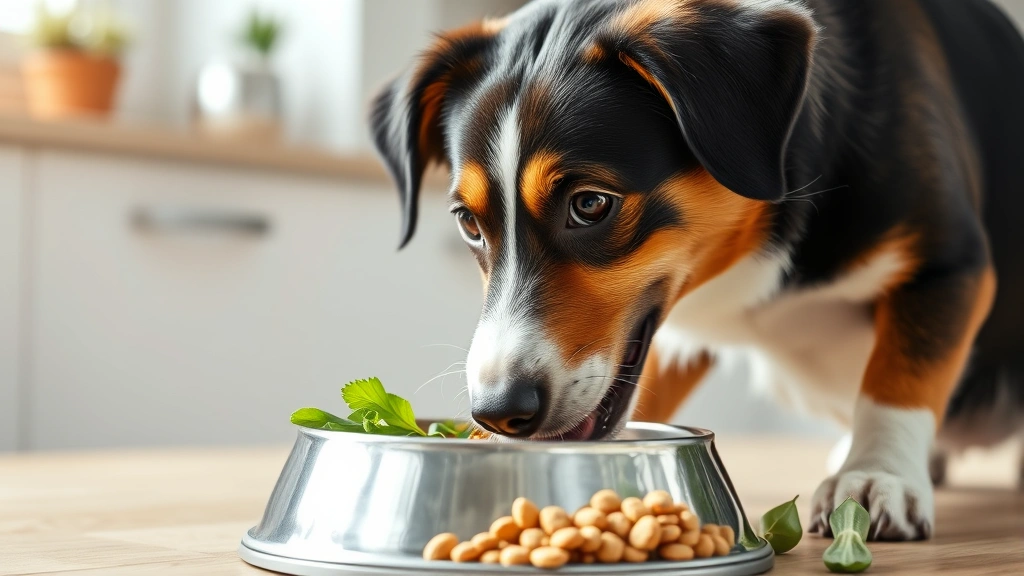
The Gradual Bowl Method: This is the most straightforward approach. Mix the percentages in their bowl each day according to your pet food transition schedule. It’s simple, effective, and you can see exactly what ratio you’re feeding.
The Separate Bowl Method: Some pet parents offer old and new food in separate bowls, letting their pet choose. This works if you’re patient enough to monitor intake, but it’s harder to control ratios.
The Topper Method: Sprinkle the new food on top of the old food. This works especially well for picky eaters and helps them get used to the new kibble’s appearance.
Pro tip: If your pet has a sensitive stomach or you’re concerned about digestive upset, consider adding liquid probiotics for pets during the transition. These beneficial bacteria support digestive health and can ease the adjustment process.
Hydration and Nutrition During Your Pet Food Transition Schedule
While you’re managing the food switch, don’t forget about water intake. Some pets drink less when transitioning foods, which can cause constipation. Make sure fresh water is always available.
Also, resist the urge to supplement with treats or table scraps during the transition. You want to isolate the variable—the food change—so you can identify any issues. Once they’re fully transitioned, you can go back to your normal treat routine (within reason, of course).
If you’re switching to a new food specifically for health reasons, check that it meets AAFCO standards and has been recommended by your vet. Quality matters, especially when you’re investing in your pet’s nutrition.
What to Do If Your Pet Struggles During the Transition
Sometimes even the best-planned pet food transition schedule hits a snag. Here’s how to troubleshoot:
Persistent diarrhea or vomiting: Stop the transition and contact your vet. This could indicate food intolerance or another underlying issue. Keep a photo of any concerning symptoms for your vet visit.
Extreme pickiness: Some pets are just stubborn. Try warming the new food slightly (for wet food) or adding a tiny drizzle of low-sodium broth to kibble. Never use gravy or sauces designed for human food.
Regression to old food: If you’ve fully transitioned but your pet suddenly has issues, you might need to go slower. Back up to 50/50 for a few days before trying again.
For serious digestive concerns, urgent care telehealth for pets can provide quick guidance without a vet office visit. It’s especially helpful for weekend transitions or when you need quick reassurance.
Long-Term Success After Your Pet Food Transition Schedule Ends
Once you’ve completed the transition, don’t just assume you’re done. Monitor your pet for the next 2-4 weeks:
Coat quality: Good nutrition should improve their coat within weeks. If it looks dull, the food might not be the right fit.
Energy levels: Your pet should be their normal energetic self. Lethargy can indicate nutritional issues.
Digestive consistency: Healthy poops should be firm, brown, and consistent. If issues persist, talk to your vet.
Weight maintenance: Some foods are calorie-dense. Monitor weight and adjust portions if needed.
If you’re dealing with ongoing digestive issues even after a proper transition, preventative care supplements and sensitive stomach supplements can provide additional support alongside dietary changes.
Common Pet Food Transition Mistakes to Avoid
Learning from others’ mistakes saves your pet (and your carpet) from unnecessary suffering:
Going too fast: The number one mistake. “It’s just food” people say, ignoring the fact that their pet’s gut disagrees violently.
Mixing in too many treats: Those training treats and dental chews count as food. They can disrupt the transition.
Not accounting for individual sensitivity: Senior pets, puppies, and those with health conditions need slower transitions. Adjust your pet food transition schedule accordingly.
Switching foods too frequently: Your pet’s gut needs stability. Avoid switching brands every month. Pick a good food and stick with it.
Ignoring vet recommendations: If your vet suggests a specific transition timeline, follow it. They know your pet’s health history.
External Expert Resources on Pet Nutrition
For more detailed information on pet nutrition and food transitions, check out these authoritative sources:
The American Kennel Club (AKC) provides comprehensive guidance on dog nutrition and feeding best practices.
PetMD offers veterinarian-reviewed articles on pet food transitions and digestive health.
Your local veterinary school or university extension program often has peer-reviewed resources on optimal feeding practices for different life stages.
Frequently Asked Questions
How long should a pet food transition schedule take?
The standard pet food transition schedule is 7-10 days for most healthy pets. However, seniors, puppies, and pets with sensitive stomachs may benefit from a 10-14 day transition or even longer. Always consult your vet if your pet has specific health concerns.
Can I speed up my pet’s food transition if they seem fine?
Just because your pet seems fine on day 3 doesn’t mean their digestive system is ready. Stick to your planned pet food transition schedule. Digestive issues can appear suddenly, even if the first few days went smoothly.
What should I do if my pet gets diarrhea during the transition?
First, slow down the transition. Go back to the previous ratio for 2-3 extra days. If diarrhea persists beyond that, contact your vet. It could indicate food intolerance rather than a transition issue. Keep monitoring and don’t force the new food if problems continue.
Is a 3-day pet food transition schedule ever acceptable?
Not really. Three days is too fast for most pets and significantly increases digestive upset risk. The only exception might be if you’re switching between very similar formulas under vet guidance, but even then, 5-7 days is safer.
Do cats need a different pet food transition schedule than dogs?
Cats are actually more sensitive to food changes than dogs, so if anything, they need an even slower transition. Use the same 7-10 day schedule, but lean toward the longer end. Some cats benefit from a 14-day transition.
Can I use treats during the pet food transition schedule?
Treats should make up no more than 10% of daily calories during a transition. Too many treats can disrupt the process. Stick to their regular food and the new food blend you’re introducing.
What if my pet refuses to eat the new food?
Try warming wet food, adding a small amount of low-sodium broth, or mixing in a tiny amount of something aromatic like salmon oil. If they’re just being picky, sometimes patience wins. Leave the bowl out for 15 minutes, then remove it. Hunger usually wins eventually.
Summary: Your Pet Food Transition Schedule Roadmap
Transitioning your pet to new food doesn’t have to be stressful. A proper pet food transition schedule—typically 7-10 days of gradually mixing old and new food—prevents digestive disasters and keeps your pet comfortable. Start with 75% old food and 25% new, adjusting the ratio every 1-2 days until you reach 100% new food.
Watch for warning signs like persistent diarrhea or vomiting, and be prepared to slow down if needed. Remember that every pet is unique; seniors, puppies, and pets with sensitive stomachs may need extended timelines. Once the transition is complete, monitor your pet’s coat quality, energy levels, and digestive health for the next few weeks.
If you encounter issues along the way, support your pet with probiotics or supplements as recommended by your vet. The few extra days you invest in a slow, steady transition will pay dividends in your pet’s health and your sanity. Your future self (and your carpet) will thank you.





