
Getting pet medication advice online has become a game-changer for pet parents who want to keep their wallets from completely emptying every time Fluffy or Fido needs a prescription refill. Let’s face it—veterinary medication costs can rival a small car payment, and nobody’s thrilled about that reality. The good news? There are legitimate, smart ways to get expert guidance and save serious cash while keeping your beloved companion healthy and happy.
Whether you’re dealing with chronic conditions, seasonal allergies, or just trying to figure out if your cat’s weird behavior warrants a vet visit, understanding how to navigate online pet medication guidance can transform your pet care experience. We’re going to break down three essential strategies that actually work, plus some honest talk about when you absolutely need to see a vet in person.
1. Leverage Telemedicine Platforms for Initial Consultations
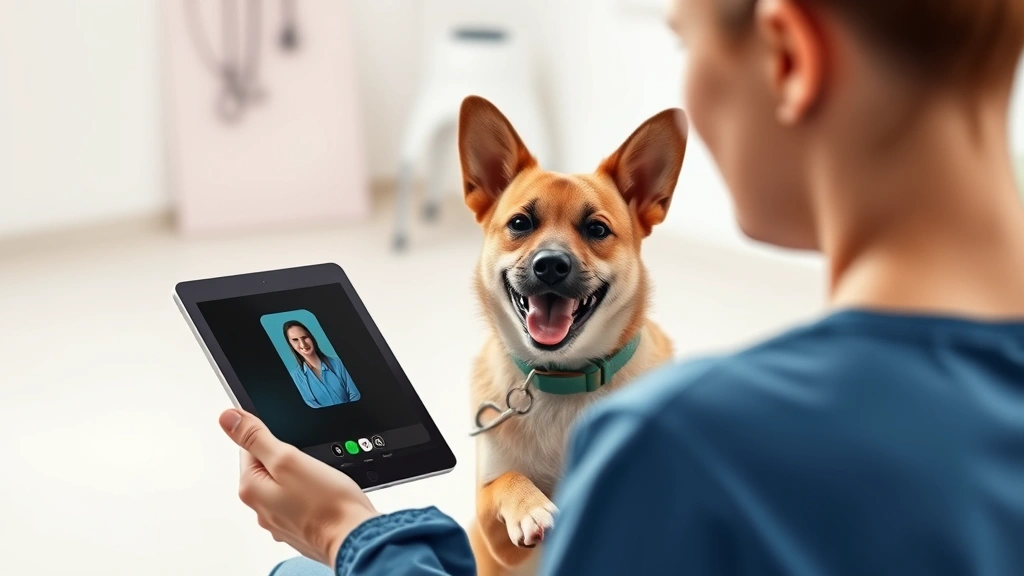
The rise of veterinary telemedicine has been nothing short of revolutionary. Platforms like Vetster, Chewy Health, and others connect you with licensed veterinarians who can assess your pet’s symptoms via video call, often at a fraction of the cost of an in-person visit. We’re talking $30-$50 versus the typical $100+ office visit.
Here’s why this works: many common pet issues—skin irritations, minor digestive problems, behavioral concerns, and medication questions—can be effectively evaluated remotely. Your vet can see your pet on camera, ask detailed questions about symptoms, and provide pet medication advice online that’s just as legitimate as what you’d get in the waiting room. Plus, you’re not paying for parking or dealing with that one dog that always barks too loud in the clinic.
The best part? These consultations often result in prescriptions that you can fill at any pharmacy, not just the vet’s overpriced in-office supply. That’s where the real savings kick in.
2. Use GoodRx and Prescription Discount Programs for Medication Costs
Once you have a legitimate prescription from your vet—whether obtained online or in-person—don’t just automatically fill it at the veterinary clinic. This is where most pet parents leave money on the table like it’s going out of style.
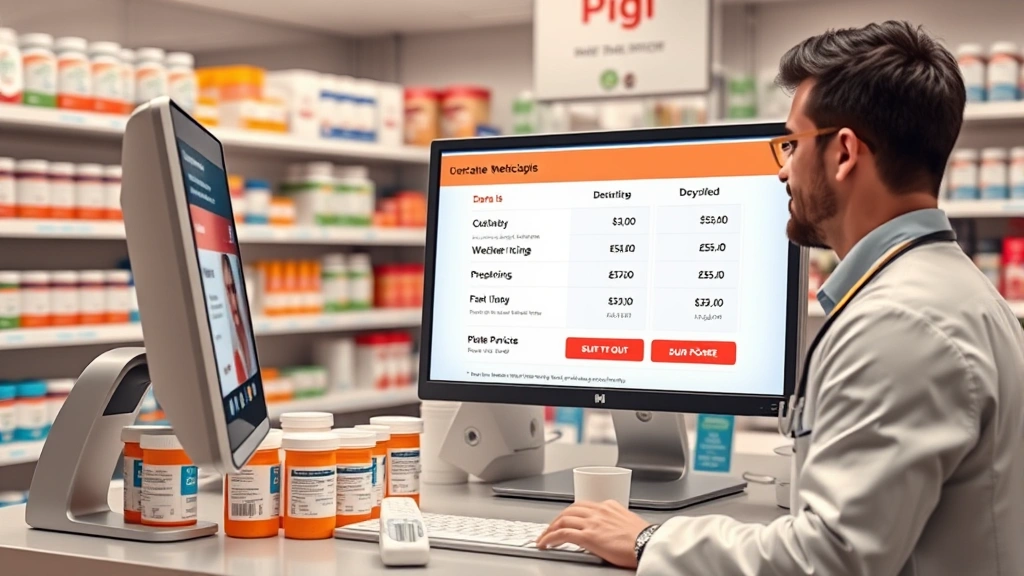
GoodRx, which you might know from human pharmacy ads, also works for pet medications. You simply enter your pet’s prescription details, and the platform shows you prices from different pharmacies. We’ve seen savings of 40-70% compared to vet clinic prices. That $200 antibiotic suddenly becomes $60. That’s not a typo.
Other prescription discount programs worth checking out include:
- RxSaver – Similar interface to GoodRx with competitive pricing
- Walmart and Costco pharmacies – Often beat vet clinic prices significantly
- Manufacturer coupons – Check the drug manufacturer’s website for direct discounts
- Pet insurance with pharmacy benefits – Some plans cover medications at partner pharmacies
The key is getting that prescription in hand first. You have every right to ask your vet to write a prescription that you can fill elsewhere—it’s actually standard practice in most states. If your vet refuses or charges you a “prescription transfer fee,” that’s a red flag worth noting.

3. Ask Your Vet About Generic Alternatives and Preventive Supplements
Here’s something vets don’t always volunteer: many brand-name pet medications have generic equivalents that work just as well but cost significantly less. When you’re getting pet medication advice online or in-person, specifically ask if a generic version is available.
Beyond just asking about generics, consider whether your pet might benefit from preventive supplementation. This is where products like multi-strain probiotics for pets come into play. Many digestive and immune issues can be managed or prevented with quality supplements, potentially reducing the need for prescription medications down the road.
For pets with sensitive stomachs, sensitive stomach supplements can be game-changers. Instead of cycling through expensive prescription diets and medications, a solid supplement regimen might be all your pet needs. We’ve seen countless pet parents reduce their medication bills by 30-50% simply by adding the right supplements to their pet’s routine.
If you have a cat dealing with digestive issues, powder probiotics for cats are particularly effective because they’re easy to mix into food. Similarly, liquid probiotics for pets offer flexibility for picky eaters or pets who need faster absorption.
When Online Pet Medication Advice Isn’t Enough
Let’s be real: there are absolutely situations where you need a hands-on veterinary exam. If your pet is showing signs of severe illness, injury, or any emergency symptoms, skip the internet and get to a vet immediately. Telemedicine is fantastic for follow-ups and routine questions, but it’s not a replacement for physical examinations when something serious is happening.
Signs that warrant an in-person visit include:
- Sudden behavioral changes or lethargy
- Vomiting or diarrhea lasting more than 24 hours
- Difficulty breathing or choking
- Inability to eat or drink
- Obvious injury or bleeding
- Seizures or loss of consciousness
When you do need to see a vet in person, you can still use the money-saving strategies mentioned above—get that prescription and shop around for the best price.
Building a Relationship With a Trusted Online Vet
One of the underrated benefits of using telemedicine for pet medication advice online is that you can build an ongoing relationship with a specific veterinarian. This continuity of care is actually really valuable. Your online vet gets to know your pet’s history, personality, and health patterns, which means better care over time.
Many pet parents find it helpful to have both a local vet for emergency situations and an online vet for routine consultations and follow-ups. It’s not either/or—it’s both/and. This hybrid approach gives you the best of both worlds: expert guidance when you need it and cost savings when you can get them.
Understanding Prescription Validity and State Laws
Here’s something important that doesn’t always get mentioned: the legality of online prescriptions varies by state. Most states recognize that a valid veterinary-client-patient relationship (VCPR) can exist via telemedicine, but some have stricter requirements. Before relying on an online vet for prescriptions, check your state’s veterinary board website to understand the specific rules.
Generally speaking, if a licensed veterinarian examines your pet (even via video) and establishes a legitimate relationship, they can legally prescribe medication. That prescription is yours to fill anywhere you want. The vet can’t force you to buy from their clinic, and they can’t charge you an arm and a leg for a “prescription transfer fee” (though some try).
The Red Flags to Avoid
Not all online pet medication advice is created equal. Be skeptical of any service that:
- Prescribes medication without any examination or conversation
- Doesn’t ask about your pet’s medical history
- Claims to diagnose serious conditions based on photos alone
- Refuses to provide written prescriptions
- Charges exorbitant consultation fees with no transparent pricing
- Doesn’t clearly state they’re a licensed veterinarian
Stick with established platforms that verify their veterinarians’ credentials and maintain proper records. Your pet’s health is too important to gamble on sketchy online services.
Combining Medication Advice With Preventive Care
Smart pet owners use online medication advice as part of a broader preventive care strategy. This means regular check-ups (even if some are virtual), quality nutrition, appropriate supplements, and staying on top of preventive medications like flea and tick treatments.
When you’re managing your pet’s health holistically, you’re often able to prevent more serious (and expensive) problems down the road. That’s when our blog becomes a valuable resource—we cover everything from nutrition to supplements to recognizing early signs of health issues.
Real-World Savings Examples
Let’s talk numbers because that’s what really matters, right? Here are some realistic scenarios:

Scenario 1: Chronic Allergies
Traditional approach: $150 in-person vet visit + $80 prescription filled at vet clinic = $230
Smart approach: $40 telemedicine consultation + $25 GoodRx price at Walmart = $65
Savings: $165 per visit (and you’d typically do this 2-3 times per year)
Scenario 2: Digestive Issues
Traditional approach: $150 vet visit + $120 prescription diet + $80 medication = $350
Smart approach: $40 telemedicine consultation + quality probiotic supplements ($30-40) + generic medication ($20) = $90-100
Savings: $250+ plus ongoing savings if supplements prevent future issues
Scenario 3: Routine Prescription Refill
Traditional approach: $50 vet visit to get refill + $100 prescription = $150
Smart approach: $0 (many vets will refill without a visit) + $30 GoodRx price = $30
Savings: $120 per refill
Over a year, these savings add up to hundreds or even thousands of dollars—money you can put toward better food, more toys, or just peace of mind.
The Future of Pet Medication Advice Online
The veterinary industry is evolving rapidly. Telemedicine is becoming increasingly normalized, and more vets are embracing it as a legitimate way to serve their clients. This competition is actually great news for pet parents because it drives prices down and improves service quality.
We’re also seeing more integration between online vet services and traditional clinics, which means better continuity of care and fewer gaps in your pet’s medical records. The best outcomes happen when online and in-person care work together seamlessly.
Frequently Asked Questions
Is it safe to get pet medication advice online?
Yes, when you’re working with a licensed veterinarian through a legitimate platform. The key is ensuring the vet conducts a proper examination (usually via video) and has access to your pet’s medical history. Always verify the vet’s credentials before sharing sensitive health information.
Can my vet refuse to give me a prescription to fill elsewhere?
In most states, no. Once a valid veterinary-client-patient relationship exists, the vet must provide you with a written prescription that you can fill at any pharmacy. Some vets might charge a small fee for this service (typically $5-15), but excessive fees or outright refusal are usually against state veterinary regulations.
Will my pet insurance cover online vet consultations?
Many modern pet insurance plans do cover telemedicine consultations, though coverage varies by policy. Check your specific plan details. Even if insurance doesn’t cover it, the $30-50 consultation fee is still cheaper than a traditional vet visit.
How do I know if my pet needs an in-person vet visit versus online advice?
If your pet has an acute injury, is experiencing severe symptoms, or you’re unsure about the severity of their condition, go in-person. For follow-ups, medication refills, behavioral questions, and minor issues, online consultation usually works great. When in doubt, call your vet’s office and describe the situation—they can advise whether online or in-person is appropriate.
Are generic pet medications as effective as brand-name versions?
Generally yes. Generic medications contain the same active ingredients and must meet the same FDA standards as brand-name versions. The main difference is price. That said, some pets might respond slightly differently to formulations, so if you switch to a generic and notice changes, mention it to your vet.
What’s the best way to store pet medications?
Follow the label instructions, but most pet medications should be stored in a cool, dry place away from direct sunlight. Some need refrigeration—check the bottle. Always keep medications in their original containers with labels intact so you know dosage and expiration dates.
Summary: Smart Pet Parents Save Money Without Compromising Care
Getting pet medication advice online isn’t about cutting corners—it’s about being smart with your resources. By leveraging telemedicine platforms, using prescription discount programs like GoodRx, and asking your vet about generic alternatives and preventive supplements, you can reduce your pet care costs by 30-70% without sacrificing quality care.
The key is understanding when online advice is appropriate and when you need hands-on veterinary care. Most routine consultations, follow-ups, and medication questions can be handled effectively through telemedicine. Emergencies and complex physical examinations still require in-person visits.
Start by exploring telemedicine options in your area, get comfortable with the process, and build a relationship with an online vet you trust. Then, take your legitimate prescriptions and use tools like GoodRx to find the best prices. Add quality supplements like probiotics when appropriate. Before you know it, you’ll be giving your pet excellent care while keeping your bank account from completely revolting.
Your pet deserves great healthcare, and you deserve to afford it. Online pet medication advice makes both of those things possible.





