

Pet obesity prevention is one of the most important health decisions you’ll make for your furry friend, yet it’s often overlooked until your vet drops the dreaded “your pet is overweight” bomb during a checkup. Here’s the thing: overweight pets aren’t just dealing with a cosmetic issue—they’re at serious risk for diabetes, joint problems, heart disease, and a shortened lifespan. The good news? You have real, actionable power to prevent this.
Table of Contents
- Why Pet Obesity Prevention Matters More Than You Think
- The Hidden Culprit: Portion Control and Caloric Intake
- Movement and Exercise: The Non-Negotiable Foundation
- Smart Treat Strategies for Effective Obesity Prevention
- Food Type Matters: Nutrition’s Role in Weight Management
- The Role of Supplements in Supporting Weight Management
- Veterinary Monitoring: Your Secret Weapon
- Environmental Changes: Setting Your Pet Up for Success
- The Behavioral Component: Breaking Bad Habits
- Realistic Goal-Setting for Long-Term Success
- Frequently Asked Questions
- Conclusion: Your Pet’s Future Starts Today
Why Pet Obesity Prevention Matters More Than You Think
According to the American Veterinary Medical Association, nearly 60% of pets in the United States are overweight or obese. That’s not a judgment—that’s a wake-up call. When your dog or cat carries excess weight, every organ works harder. Their joints ache. Their pancreas struggles. Their heart pumps with more effort. The thing is, pet obesity prevention isn’t about vanity or making your pet look Instagram-ready. It’s about adding quality years to their life and reducing their suffering.
The Hidden Culprit: Portion Control and Caloric Intake
Most pet owners genuinely don’t realize how many calories they’re feeding their pets daily. A single treat can contain 10-20% of a small dog’s daily caloric needs, yet we hand them out like candy. Pet obesity prevention starts with honest math. Your vet can calculate your pet’s ideal caloric intake based on age, activity level, and metabolism. Then—and this is crucial—you need to measure food with a cup, not eyeball it. Those “just a little extra” portions add up fast.
Consider switching to a pet multivitamin approach where you’re feeding nutrient-dense food in controlled portions rather than high-calorie fillers. Quality over quantity genuinely works.
Movement and Exercise: The Non-Negotiable Foundation
Here’s where most pet owners drop the ball. Pet obesity prevention requires consistent physical activity, not occasional walks around the block. Dogs need 30 minutes to 2 hours of exercise daily depending on breed and age. Cats need interactive play sessions multiple times per day. This isn’t optional—it’s fundamental.
The challenge? Life gets busy. But here’s the reality: a sedentary pet becomes an overweight pet. Start small if your pet is currently inactive. A 10-minute walk daily beats zero walks. Gradually increase duration and intensity. Use toys, laser pointers for cats, fetch games, or even swimming if your pet enjoys water. Your pet’s joints will thank you, and you might even lose weight yourself.
Smart Treat Strategies for Effective Obesity Prevention
Treats are where pet obesity prevention plans fall apart. The average pet owner treats their dog or cat like they’re attending a constant celebration. Here’s a sustainable approach: treats should comprise no more than 10% of daily calories. If your dog needs 1,000 calories daily, treats max out at 100 calories.
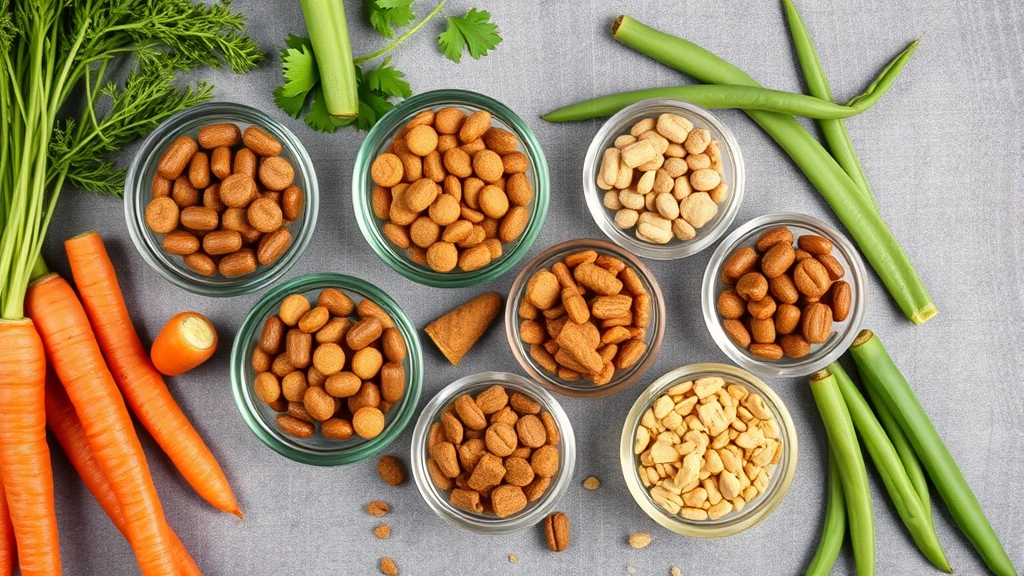
Instead of commercial treats loaded with fillers, try carrots, green beans, or small pieces of apple. They’re virtually calorie-free and satisfy the treat-giving urge. If you want to support joint health alongside obesity prevention, mobility supplements for dogs can be given as “treats” that actually benefit your pet’s long-term health.
Food Type Matters: Nutrition’s Role in Weight Management
Not all pet foods are created equal. Some are basically junk food for animals—high in carbs, low in protein, packed with fillers that leave pets hungry and overweight. Pet obesity prevention requires feeding high-quality, protein-rich food that keeps your pet satiated longer.
Work with your vet to identify appropriate food for your pet’s life stage and health status. Prescription weight management diets exist for good reasons. They’re formulated to provide nutrition while reducing calories. Yes, they cost more. But they’re cheaper than treating diabetes or arthritis later.
The Role of Supplements in Supporting Weight Management
While supplements alone won’t prevent obesity, they play a supporting role in a comprehensive strategy. Pet longevity supplements containing ingredients like fish oil, antioxidants, and joint-supporting compounds help overweight pets feel better during their weight loss journey. When your pet feels good, they’re more willing to exercise.
Additionally, anti-inflammatory supplements for cats can reduce joint pain that might be preventing activity. Some overweight pets are actually painful and inactive because of it—a vicious cycle that supplements can help break.
Veterinary Monitoring: Your Secret Weapon
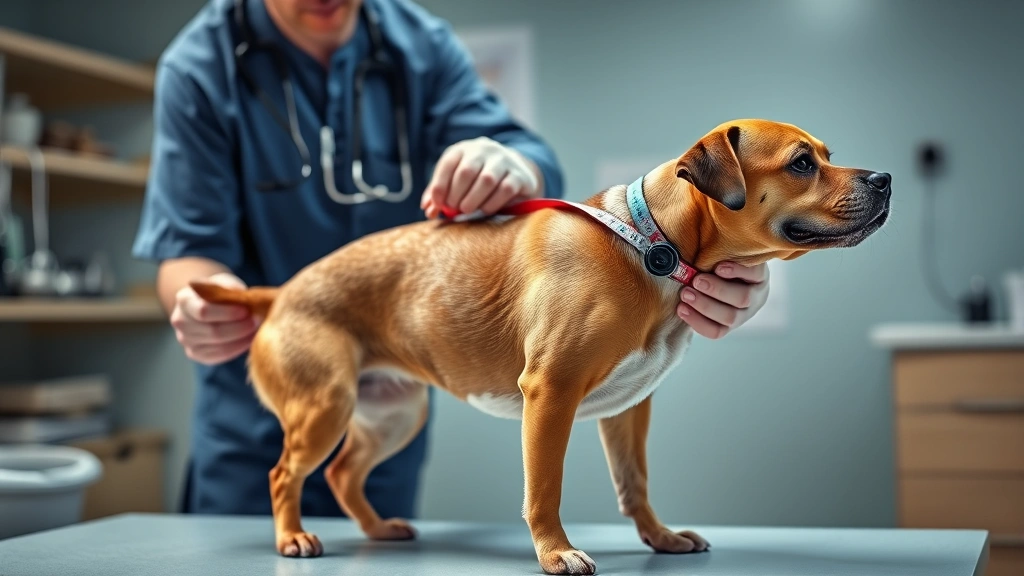
Pet obesity prevention isn’t a DIY project you tackle alone. Regular veterinary checkups—ideally every 6 months for weight management—keep you accountable and allow your vet to adjust the plan. Pet health monitoring tools like body condition scoring help track progress objectively.
Your vet can also identify underlying health issues contributing to weight gain, such as thyroid problems or metabolic disorders. Sometimes obesity isn’t just about overeating—it’s a symptom of something else.
Environmental Changes: Setting Your Pet Up for Success
Pet obesity prevention requires manipulating your environment. Don’t keep tempting treats visible. Store food in sealed containers. Don’t leave food out all day for grazing. Establish feeding schedules. These simple changes remove temptation and create structure.
If you have multiple pets, feed them separately so you can control each pet’s intake. Multi-pet households are obesity hotspots because pets steal each other’s food. Use baby gates or separate rooms during mealtimes if necessary.
The Behavioral Component: Breaking Bad Habits
Many pet owners feed their pets out of guilt, boredom, or as a love language. “Fluffy seems sad, so I’ll give her a treat.” This emotional feeding is a major obstacle to pet obesity prevention. Your pet’s happiness doesn’t depend on treats—it depends on your attention, play, and companionship.
When your pet asks for food, redirect to play instead. Use your time and attention as the reward, not calories. This shift in thinking is transformative. Your pet will actually be happier and healthier.
Realistic Goal-Setting for Long-Term Success
Pet obesity prevention isn’t about rapid weight loss—it’s about sustainable, gradual change. Aim for 1-2% body weight loss per week for overweight pets. A 50-pound dog losing 1 pound weekly reaches ideal weight in about 5-10 weeks. That’s real, achievable, and healthy.
Celebrate small wins. Take progress photos. Track weight monthly. Share goals with your vet. When you make this a team effort with professional guidance, success rates skyrocket.
Frequently Asked Questions
How do I know if my pet is overweight?
Your vet can perform a body condition score, but you can also do a basic check at home. You should be able to feel your pet’s ribs without pressing hard, see a waist when viewed from above, and see an abdominal tuck from the side. If you can’t feel ribs easily or your pet has no visible waist, they’re likely overweight.
Can I put my pet on a crash diet for fast weight loss?
Absolutely not. Rapid weight loss in pets can cause serious liver problems, especially in cats. Slow, steady weight loss through portion control and exercise is the only safe approach. Work with your vet on a timeline.
What if my pet has a medical condition causing weight gain?
Conditions like hypothyroidism, Cushing’s disease, and others can contribute to obesity. Your vet can test for these and adjust treatment accordingly. Pet obesity prevention sometimes requires addressing underlying health issues first.
Is it too late to start pet obesity prevention if my pet is already obese?
It’s never too late. Even senior pets benefit from weight loss and increased activity. Consult your vet about age-appropriate exercise and dietary adjustments, but know that overweight senior pets can absolutely achieve healthier weights and improved quality of life.
How do I handle treats from family members undermining my efforts?
Communication is key. Explain to family that extra treats are hurting your pet’s health. Provide approved low-calorie treat options. Make it easy for people to help rather than hinder your pet obesity prevention goals.
Conclusion: Your Pet’s Future Starts Today
Pet obesity prevention is genuinely one of the highest-impact health decisions you can make for your companion animal. It’s not about judgment—it’s about love and action. Your pet depends on you to make decisions that extend their life and improve their quality of living. By implementing portion control, consistent exercise, smart treat strategies, and veterinary support, you’re giving your pet the gift of more healthy, active years together. Start today. Your pet’s future self will thank you.





