

When your furry best friend decides to snack on something sketchy, knowing about the pet poison hotline could literally be the difference between a vet visit and a tragedy. This guide walks you through everything you need to know about poison emergencies, toxic substances, and how to act fast when your pet gets into trouble.
Table of Contents
- What Exactly Is a Pet Poison Hotline?
- Common Household Toxins That Require Immediate Action
- When Should You Call the Pet Poison Hotline?
- Toxic Plants That Hide in Plain Sight
- Understanding Toxic Foods Beyond the Obvious
- Pet Poison Hotline Contact Information and Fees
- What Happens During a Pet Poison Hotline Call
- Preventing Poisoning: The Best Medicine
- What Your Vet Needs to Know
- Emergency Protocols and Your Action Plan
- Special Considerations for Different Pets
- Financial Preparedness for Pet Emergencies
- Frequently Asked Questions
- Key Takeaways: Protecting Your Pet
What Exactly Is a Pet Poison Hotline?
A pet poison hotline is a 24/7 emergency service staffed by veterinary toxicologists and poison control experts who specialize in animal poisoning cases. Unlike your regular vet clinic, these specialists have instant access to databases containing thousands of toxic substances and their effects on pets. When you call, you’re not talking to a receptionist—you’re getting expert advice from someone who’s seen it all.
The most well-known service in the United States is the ASPCA Animal Poison Control Center (APCC), but there’s also the Pet Poison Helpline, which operates nationwide. Both services charge a consultation fee (typically $65-$75), but that’s a bargain compared to emergency vet bills that can run into thousands of dollars.
Common Household Toxins That Require Immediate Action
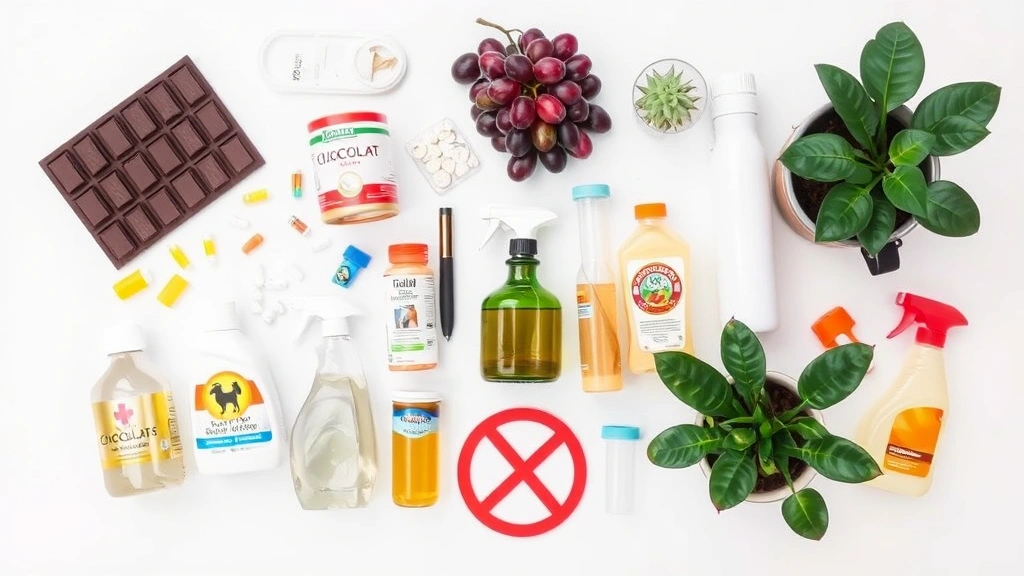
Your home is basically a minefield of potential poisons if you’re not careful. Let’s talk about the usual suspects that land pets in hot water:
Chocolate contains theobromine, which is toxic to dogs and cats. Dark chocolate and baking chocolate are way more dangerous than milk chocolate. A small dog eating a brownie might need a pet poison hotline call.
Xylitol (artificial sweetener) is sneaky—it’s in sugar-free gum, peanut butter, and candy. Even tiny amounts can cause severe hypoglycemia in dogs within 30 minutes. This one’s a genuine emergency.
Grapes and raisins cause kidney failure in dogs. Scientists still don’t know exactly why, but the toxin is real and unpredictable. Some dogs eat grapes without issue, but others get critically ill from a handful.
Onions and garlic damage red blood cells in dogs and cats, causing hemolytic anemia. Cooked, raw, or powdered—doesn’t matter. That homemade stew could be dangerous.
Medications meant for humans are a huge problem. Ibuprofen, acetaminophen, antidepressants, and blood pressure meds can all poison pets. That’s why having a pet poison hotline number saved in your phone matters.
When Should You Call the Pet Poison Hotline?
Don’t wait for symptoms to appear. If you suspect your pet ingested something toxic, call immediately. The poison hotline can tell you whether your pet is actually in danger based on the substance, amount, and your pet’s weight. Sometimes they’ll advise you to monitor at home; other times, they’ll tell you to get to an emergency vet right now.
Call if your pet ate:
- Medications (yours or prescription)
- Pesticides or rodent poison
- Toxic plants (lilies, sago palms, oleander)
- Foods known to be toxic
- Cleaning products or chemicals
- Chocolate, grapes, or xylitol-containing products
Have this information ready when you call the pet poison hotline:
- Your pet’s weight and age
- The exact substance ingested (product name helps)
- How much was eaten
- When it happened
- Any symptoms you’ve noticed
Toxic Plants That Hide in Plain Sight
Your beautiful houseplants might be slowly poisoning your pet. Lilies are absolutely deadly to cats—even a small amount of pollen can cause fatal kidney damage. Sago palms, dieffenbachia, oleander, and philodendrons are all common household plants that are surprisingly toxic.
If your cat knocked over a lily or your dog ate a piece of a sago palm, this is a pet poison hotline situation. Don’t assume it’s fine because your pet seems okay. Some plant toxins work slowly, and by the time symptoms show up, serious damage is already done.
Understanding Toxic Foods Beyond the Obvious
We all know chocolate is bad. But what about macadamia nuts (toxic to dogs), avocado (contains persin, harmful to many pets), or salt? Even seemingly innocent foods can cause problems. This is where a pet poison hotline expert becomes invaluable—they can tell you if that weird thing your pet ate is actually dangerous or just gross.

When dealing with feeding during illness, pet owners sometimes give human foods thinking they’re helping. That’s when knowing what’s safe becomes critical. Check our guide on feeding during illness to learn what’s actually safe to offer a sick pet.
Pet Poison Hotline Contact Information and Fees
ASPCA Animal Poison Control Center (APCC)
- Phone: (888) 426-4435
- Fee: $65 per call
- Available: 24/7, 365 days a year
Pet Poison Helpline
- Phone: (855) 764-7661
- Fee: $75 per call
- Available: 24/7, 365 days a year
Both services accept credit cards over the phone. Some pet insurance plans cover the consultation fee, so check your policy. The fee is worth every penny when your pet’s life is on the line.
What Happens During a Pet Poison Hotline Call
The toxicologist will ask detailed questions about your pet and the substance. They’ll calculate the dose based on your pet’s weight and the concentration of the toxic compound. They’ll then give you a prognosis and recommend the best course of action.
Sometimes they’ll say, “Your dog ate two M&Ms. He’s fine. Monitor him for 24 hours and call back if anything changes.” Other times they’ll say, “Get to an emergency vet immediately. We’re calling ahead to alert them.” They might recommend activated charcoal, induced vomiting, or aggressive treatment depending on the situation.
The pet poison hotline experts will also provide follow-up information to your vet if you’re heading to the clinic. This coordination can literally save your pet’s life because the vet knows exactly what they’re dealing with.
Preventing Poisoning: The Best Medicine
An ounce of prevention is worth a pound of cure. Store medications in secure cabinets where pets can’t access them. Keep cleaning products, pesticides, and chemicals locked away. Research plants before bringing them home, and consider pet-safe alternatives.
If you have a pet with food allergies or feeding routine concerns, work with your vet to create a safe feeding plan. This prevents accidental exposure to trigger foods.
For pets with sensitive stomach feeding schedule needs, stick strictly to approved foods. Deviations can cause serious issues beyond just digestive upset.
What Your Vet Needs to Know
If your vet recommends treatment after a pet poison hotline consultation, provide them with all the information you gathered. The toxicologist’s assessment helps guide treatment decisions. Your vet might recommend pet prescription refills online for follow-up medications if your pet needs ongoing care after the poisoning incident.
Keep detailed records of what happened, when you called the hotline, what they said, and what treatment was given. This becomes valuable information if similar incidents occur in the future.
Emergency Protocols and Your Action Plan
Create a written action plan now, before an emergency happens. Write down the pet poison hotline numbers, your vet’s number, your emergency vet clinic’s number, and your pet’s relevant medical history. Keep this on your fridge and in your phone.
If your pet ingests something toxic:
- Stay calm (panicking doesn’t help)
- Remove your pet from the source
- Call the pet poison hotline immediately
- Have your pet’s weight and the substance info ready
- Follow their instructions precisely
- Contact your vet or emergency clinic if directed
- Keep all records and follow-up care instructions
Special Considerations for Different Pets
Cats are more susceptible to certain toxins than dogs. Lilies, essential oils, and some medications affect cats differently. Puppies and senior pets have different tolerances for toxic substances. Small breeds need lower doses to become poisoned compared to large breeds.
If you’re managing pet obesity prevention, make sure your weight management strategy doesn’t involve human foods that could be toxic. Stick to vet-approved options.
Financial Preparedness for Pet Emergencies
Emergency vet visits for poisoning can cost $1,000 to $5,000 or more, depending on treatment needed. Pet insurance can help cover these costs. The pet poison hotline consultation fee ($65-$75) is minimal compared to what you might spend at an emergency clinic.
Consider setting aside an emergency fund for your pet or investing in comprehensive pet insurance. When you’re faced with a poisoning emergency, money shouldn’t be the deciding factor in getting your pet treated.
Frequently Asked Questions
How quickly does pet poison work?
It depends on the substance. Some toxins like xylitol work within 30 minutes, causing dangerous hypoglycemia. Others like grape toxicity might take hours or days to show symptoms. Some plant toxins are cumulative. This is why calling the pet poison hotline immediately is crucial—they know the timeline for specific substances.
Can I induce vomiting at home?
Never induce vomiting without talking to the pet poison hotline or your vet first. Some substances are more dangerous coming up than going down (like caustic chemicals). The toxicologist will tell you whether vomiting is appropriate for the specific poison your pet ingested.
What if I don’t know exactly what my pet ate?
Call the pet poison hotline anyway. Describe what you suspect, and they’ll help you figure out the most likely culprit. They can then advise based on the worst-case scenario. It’s better to call and be wrong than to not call and have your pet suffer serious consequences.
Is the pet poison hotline consultation fee worth it?
Absolutely. A $65-$75 consultation fee is nothing compared to emergency vet bills, and it could save your pet’s life. Plus, some pet insurance plans cover it. The expertise you get is invaluable—these are specialists who deal with poisoning cases constantly.
What should I do after my pet recovers from poisoning?
Follow all vet-recommended treatment and monitoring. Some poisons cause delayed organ damage, so follow-up care is essential. Update your prevention strategies to ensure it doesn’t happen again. Consider working with your vet on a comprehensive safety plan for your home.
Can pets recover from poisoning?
Many can, especially if treatment starts quickly. The prognosis depends on the substance, the amount ingested, and how fast you get help. Early intervention through the pet poison hotline and emergency vet care dramatically improves survival rates.
Key Takeaways: Protecting Your Pet
The pet poison hotline exists because pets get into things. It’s not a failure on your part—it’s just part of pet ownership. Having the numbers saved in your phone, knowing what substances are toxic, and understanding when to call can literally save your pet’s life.
Don’t hesitate to call. The experts on the pet poison hotline have heard every scenario imaginable and won’t judge you for your pet’s dietary adventures. They’ll give you honest, expert advice about whether your pet needs immediate treatment or if you can monitor at home.
Create your emergency action plan today. Write down numbers, take a pet first aid course, and pet-proof your home. When emergencies happen—and they will—you’ll be prepared to act quickly and decisively. Your pet’s life might depend on it.





