

If your furry friend is losing their mind every time a thunderstorm rolls in or the vacuum comes out of the closet, pet stress supplements might be the game-changer your anxious companion desperately needs. Let’s face it—our pets experience stress just like we do, and sometimes their nervous systems need a little extra help to chill out.
Understanding Pet Anxiety and Why Supplements Matter
Your dog isn’t being dramatic when they hide under the bed during fireworks. Pets experience genuine anxiety that can manifest in destructive behavior, excessive barking, aggression, or even digestive issues. Before jumping to prescription medications, many pet owners are discovering that natural pet anxiety solutions work wonders. The right supplement regimen can address the root causes of stress while keeping your pet safe and side-effect free.
The Connection Between Gut Health and Pet Stress
Here’s something most people don’t realize: a stressed pet often has a stressed gut. Your pet’s digestive system is intimately connected to their mental state through the gut-brain axis. When anxiety strikes, the digestive system suffers, and vice versa. This is where multi-strain probiotics for pets come into play. Quality probiotics help maintain a healthy microbiome, which directly supports emotional balance and reduces anxiety symptoms. Studies show that pets with optimal gut flora experience significantly lower stress levels than their dysbiotic counterparts.
L-Theanine: The Zen Master Supplement
L-Theanine is basically the meditation teacher of the supplement world—it promotes relaxation without making your pet drowsy. This amino acid crosses the blood-brain barrier and increases GABA production, which is your pet’s natural “chill out” neurotransmitter. Unlike sedatives, L-Theanine doesn’t impair cognitive function, so your pet stays alert and happy while feeling less anxious. Many vets recommend starting with L-Theanine as a first-line supplement for mild to moderate pet stress.
Adaptogens: Nature’s Stress-Fighting Arsenal
Adaptogenic herbs like ashwagandha, rhodiola, and passionflower are ancient stress-busters that work by helping your pet’s body adapt to stressful situations. These botanical powerhouses don’t mask anxiety—they help your pet’s nervous system become more resilient. When combined with a solid sensitive stomach supplement regimen, adaptogens can provide comprehensive anxiety relief while supporting overall wellness. The beauty of adaptogens is that they work gradually, building up benefits over time rather than creating dependency.
Omega-3 Fatty Acids for Brain Health
Fish oil isn’t just for shiny coats—omega-3 fatty acids are crucial for brain health and emotional regulation in pets. These essential fatty acids reduce inflammation in the nervous system and support neurotransmitter production. Pets receiving adequate omega-3s show improved mood stability and reduced anxiety responses. Look for supplements specifically formulated for pets, as the dosing and ratios differ from human supplements. Consistency matters here—your pet needs steady omega-3 intake to experience maximum benefits.
Magnesium: The Natural Relaxant Your Pet Needs
Magnesium is nature’s muscle relaxant and nervous system soother. It helps regulate neurotransmitters and reduces the physical tension that accompanies anxiety. Many anxious pets have magnesium deficiencies, which exacerbates their stress responses. Adding a pet-safe magnesium supplement can help your furry friend feel noticeably calmer within days. The key is finding the right form—glycinate and threonate are the most bioavailable and gentle on the digestive system.
CBD and Cannabinoid Support
CBD has exploded in popularity for pet anxiety, and for good reason. This non-psychoactive cannabinoid interacts with your pet’s endocannabinoid system to promote relaxation and reduce fear responses. Quality matters enormously here—ensure you’re purchasing from reputable sources that provide third-party testing. When combined with other natural anxiety relief for pets, CBD can create a synergistic effect that’s more powerful than any single supplement alone. Start low and go slow with dosing to find your pet’s optimal amount.
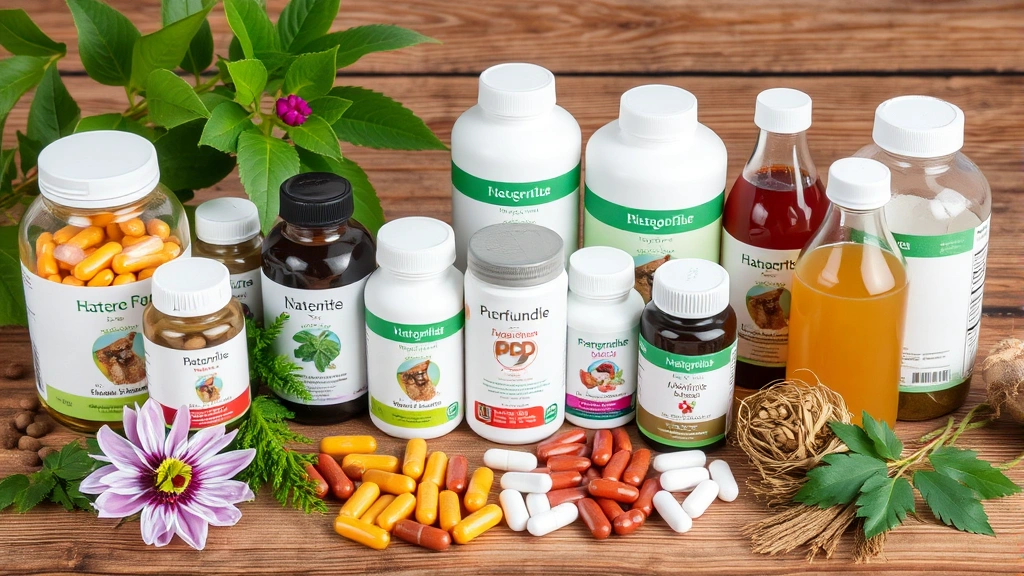
Probiotics and Digestive Enzymes: The Gut-Brain Connection
We can’t stress this enough: liquid probiotics for pets are game-changers for anxious animals. A healthy microbiome produces neurotransmitters like serotonin and dopamine—the same chemicals that regulate mood in humans. When your pet’s gut flora is balanced, their anxiety naturally decreases. Pair probiotics with digestive enzymes to ensure optimal nutrient absorption, which further supports mental health. This combination addresses anxiety from the inside out, making it one of the most effective supplement strategies available.
B-Complex Vitamins for Nervous System Support
B vitamins are essential cofactors in neurotransmitter synthesis and energy production. Stressed pets often deplete their B vitamin stores rapidly, creating a vicious cycle of increased anxiety. Supplementing with a quality B-complex formula helps restore nervous system balance and boosts your pet’s resilience to stress. B6, B12, and folate are particularly important for mood regulation and should be included in any comprehensive anxiety supplement protocol.
Creating Your Pet’s Personalized Supplement Protocol
The best supplement stack for your pet depends on their specific anxiety triggers, age, health status, and individual chemistry. Some pets respond beautifully to L-Theanine alone, while others need a multi-pronged approach combining probiotics, adaptogens, and omega-3s. Start with one or two supplements and observe for 2-3 weeks before adding more. Keep detailed notes about your pet’s behavior to track what actually works. Your veterinarian can help you design a protocol tailored to your pet’s unique needs—especially important if your pet is on other medications.
Dosing Guidelines and Safety Considerations
Pet supplements aren’t one-size-fits-all. A 10-pound Chihuahua needs vastly different doses than a 100-pound Great Dane. Always follow manufacturer recommendations based on your pet’s weight and age. Quality matters tremendously—cheap supplements often contain fillers and inconsistent active ingredient levels. Look for products with third-party testing certifications and veterinary approval. Never assume that “natural” means “safe in any amount.” Some supplements can interact with medications or cause issues in pets with certain health conditions.
Frequently Asked Questions
How long does it take for pet stress supplements to work?
Most supplements take 2-4 weeks to show noticeable effects as they build up in your pet’s system. L-Theanine and CBD may show faster results (24-48 hours), while probiotics and adaptogens work gradually over weeks. Patience is key—don’t judge effectiveness until you’ve given supplements at least 3-4 weeks at proper dosages.
Can I give my pet multiple supplements together?
Yes, many supplements work synergistically when combined properly. However, avoid doubling up on similar ingredients (like multiple calming herbs) without veterinary guidance. A well-designed protocol might include probiotics, omega-3s, L-Theanine, and magnesium—each addressing different aspects of anxiety.
Are pet stress supplements safe with prescription anxiety medications?
Most supplements are safe alongside prescription medications, but interactions are possible. Always inform your veterinarian about any supplements you’re giving before starting anxiety medications. Some combinations (like certain herbs with SSRIs) may require dose adjustments or monitoring.
What’s the difference between supplements and prescription anti-anxiety drugs?
Supplements work gradually to support nervous system health, while prescription medications typically provide faster symptom relief. Supplements have fewer side effects but may be less effective for severe anxiety. Many vets recommend starting with supplements and escalating to medication if needed.
How do I know which supplement is best for my pet?
Start by identifying your pet’s anxiety triggers and symptoms. Is it noise-related? Separation anxiety? General nervousness? Different supplements target different anxiety types. Consult your vet, start with one supplement, and track results before adding others. Powder probiotics for cats work differently than for dogs, so species matters too.
Can supplements replace training and environmental management?
Supplements are tools, not magic bullets. They work best alongside proper training, desensitization, and environmental modifications. A supplement-only approach without addressing root causes will have limited success. Combine supplements with behavior modification for best results.
What ingredients should I avoid in pet supplements?
Avoid supplements containing xylitol, chocolate, grapes, or onions—all toxic to pets. Watch out for excessive fillers, artificial colors, and preservatives. Stick with supplements that list specific ingredient amounts rather than vague “proprietary blends.” Check the AAFCO guidelines for pet supplement standards.
Conclusion: Your Pet’s Path to Calm
Pet stress supplements offer a safe, natural way to help your anxious companion find their zen. Whether you choose L-Theanine, probiotics, adaptogens, or a comprehensive multi-supplement approach, the goal is supporting your pet’s nervous system and overall wellbeing. Remember that every pet is unique—what works for your neighbor’s golden retriever might not work for your anxious poodle. Start slow, track results, and work with your veterinarian to create a personalized protocol. With patience and the right supplements, you can transform your stressed-out furry friend into a calm, confident companion. Your pet deserves to feel their best, and the right supplement strategy can make that happen.
Always consult with your veterinarian before starting any new supplement regimen, especially if your pet has existing health conditions or takes medications. For more information, check out resources from the American Kennel Club, PetMD, and your local veterinary clinic.





