
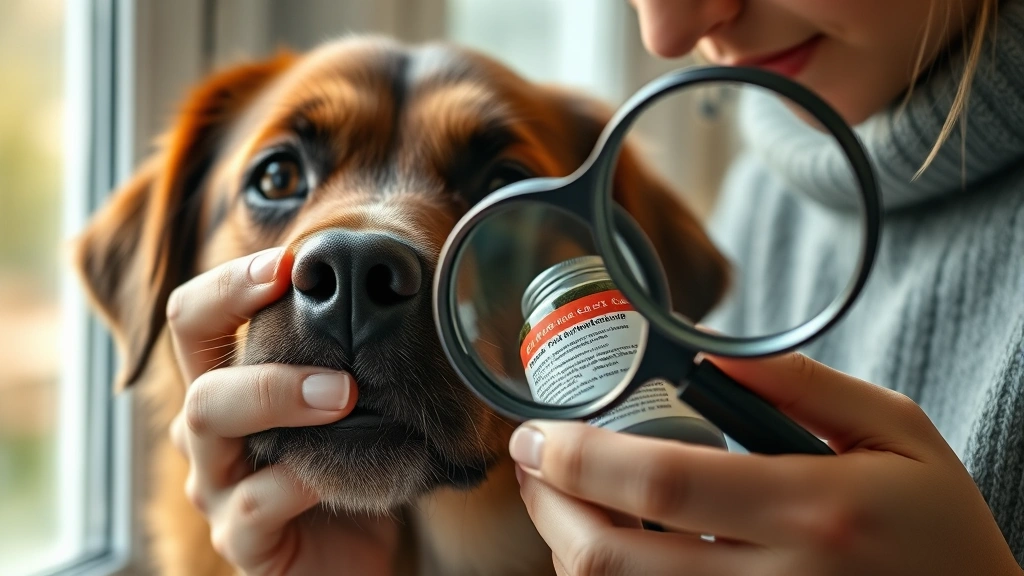
Pet supplement ingredient transparency is the difference between giving your furry friend a beneficial boost and accidentally dosing them with mystery powder that costs more than your monthly coffee budget. Let’s be real—when you’re scrolling through pet supplement options at 11 PM because your dog’s itchy skin is driving you both crazy, the last thing you want to discover six months later is that the “premium” ingredient list reads like a chemistry experiment gone wrong.
Table of Contents
- Why Pet Supplement Ingredient Transparency Actually Matters
- Decoding the Ingredient Label: What You’re Actually Reading
- The Fillers, Binders, and “Other Ingredients” Trap
- Understanding CFU Counts and Potency Claims
- Third-Party Testing: The Gold Standard of Transparency
- Red Flags: When Transparency Goes Missing
- Sourcing Matters: Where Do Ingredients Come From?
- The Difference Between Transparent and Deceptive Marketing
- Choosing Transparent Supplements for Specific Needs
- Questions to Ask Manufacturers Directly
- Frequently Asked Questions
- Making the Smart Choice for Your Pet
Why Pet Supplement Ingredient Transparency Actually Matters
Here’s the thing about pet supplements: they’re not regulated like medications. The FDA doesn’t require supplement manufacturers to prove their products work before selling them, which means your pup could be consuming anything from legitimate probiotics to glorified sawdust. When you understand pet supplement ingredient transparency, you’re essentially becoming a detective protecting your pet’s health.
Your dog or cat depends on you to make informed decisions. A transparent ingredient label tells you exactly what’s going into their body, the potency levels, and whether those fancy claims on the front actually have backing. It’s not paranoia—it’s responsible pet parenting.
Decoding the Ingredient Label: What You’re Actually Reading
Most pet owners glance at ingredient lists and see words that sound vaguely scientific, then move on. That’s exactly what manufacturers hope for. A truly transparent supplement lists ingredients in descending order by weight, includes specific bacterial strains (not just “probiotics”), and provides measurable quantities.
For example, if you’re looking at multi-strain probiotics for pets, a transparent label should list each strain individually—like Lactobacillus acidophilus, Bifidobacterium longum, and Enterococcus faecium—along with CFU (colony-forming units) counts. Not just “probiotic blend: 5 billion CFU.” That vague language is a red flag waving frantically.
The Fillers, Binders, and “Other Ingredients” Trap
Ever notice how supplement labels have that “Other Ingredients” section? That’s where transparency goes to die. Manufacturers can hide all sorts of questionable stuff under that umbrella—artificial colors, unnecessary fillers, and preservatives that might upset your pet’s stomach.
Common culprits include maltodextrin (basically sugar), silicon dioxide (anti-caking agent), and magnesium stearate (lubricant). None of these are necessarily toxic, but they’re also not necessary. A transparent manufacturer will explain why each ingredient is included and whether it serves a functional purpose or just makes manufacturing easier and cheaper.
Understanding CFU Counts and Potency Claims
Colony-forming units (CFU) are the actual living organisms in probiotic supplements. Here’s where transparency becomes critical: not all CFU counts are created equal. A supplement claiming 50 billion CFU sounds impressive until you realize that by the time it reaches your pet’s gut, half might be dead.
Transparent companies will tell you about their stability testing, shelf-life expectations, and whether they use enteric coating (which protects bacteria from stomach acid). They’ll also be honest about the difference between “at manufacturing” and “at expiration” CFU counts. If a label only mentions the manufacturing date count, you’re probably getting fewer living organisms than advertised.
Third-Party Testing: The Gold Standard of Transparency
Want to know the easiest way to spot a transparent pet supplement manufacturer? They’ve had their products tested by independent third parties. Organizations like NSF International, USP (United States Pharmacopeia), and ConsumerLab verify that what’s on the label actually matches what’s in the bottle.
This testing catches everything from contamination issues to ingredient substitution. Some sketchy manufacturers will list expensive ingredients on the label but use cheaper alternatives in the actual product. Third-party testing exposes this fraud instantly. If a supplement company won’t share their testing results, that’s your cue to keep scrolling.
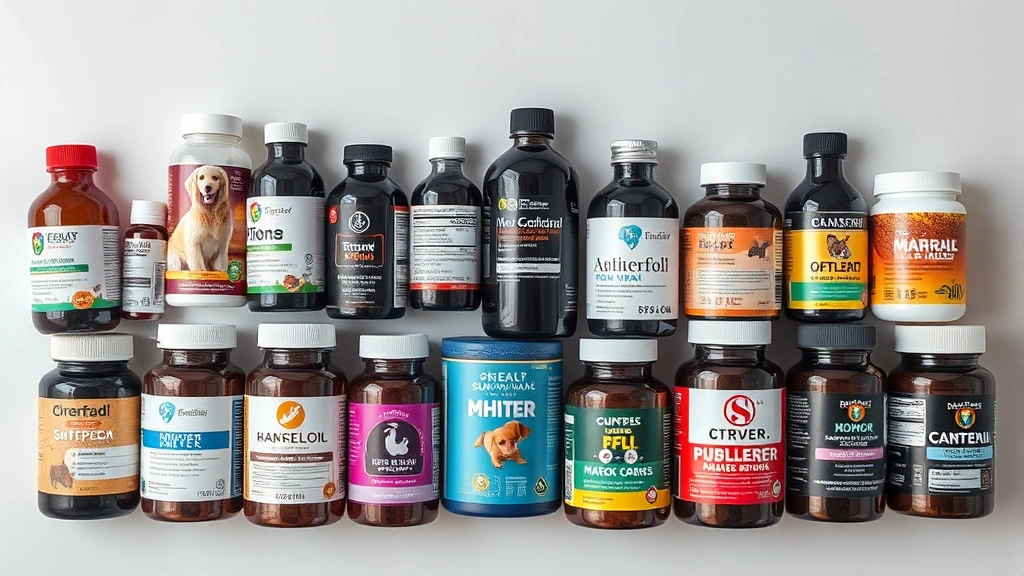
Red Flags: When Transparency Goes Missing
Certain warning signs indicate a supplement manufacturer is being intentionally vague. Proprietary blends are a classic example—when a company lists ingredients without individual quantities, claiming it’s a “proprietary formula,” they’re hiding something. Maybe the expensive ingredient is barely present, or maybe they’re using a cheap filler as the primary component.
Other red flags include vague ingredient names (“natural flavoring” instead of specific ingredients), missing expiration dates, no contact information, and wild health claims not supported by research. If a supplement claims to cure cancer, treat arthritis, or replace veterinary care, that manufacturer isn’t being transparent—they’re being irresponsible.
Sourcing Matters: Where Do Ingredients Come From?
Transparency extends beyond what’s in the supplement to where those ingredients originated. Ingredients sourced from different countries have different quality standards and contamination risks. A truly transparent manufacturer will disclose their sourcing practices and explain why they chose specific suppliers.
This is especially important for ingredients like omega-3s and other oils, which can become rancid during shipping. Transparent companies will explain their storage conditions, packaging choices, and how they prevent oxidation. They might even provide certificates of analysis showing heavy metal testing and microbial contamination screening.
The Difference Between Transparent and Deceptive Marketing
Marketing language can make even mediocre supplements sound revolutionary. Phrases like “all-natural,” “pharmaceutical-grade,” and “veterinarian-formulated” sound impressive but mean almost nothing without transparency backing them up. All-natural doesn’t mean safe (arsenic is natural). Pharmaceutical-grade isn’t an official designation. And veterinarian-formulated could mean a vet consulted on the formula once.
Transparent companies let their ingredient lists and testing results speak for themselves. They don’t rely on buzzwords. They explain the science, provide research citations, and acknowledge limitations. When you read marketing copy and can immediately verify the claims by checking the label and third-party testing, that’s transparency in action.
Choosing Transparent Supplements for Specific Needs
Whether your pet needs liquid probiotics for pets or sensitive stomach supplements, the transparency principles remain the same. For digestive support, you want specific bacterial strains proven to help your pet’s particular issue. For powder probiotics for cats, you need to know whether the powder base includes unnecessary fillers.
Ask yourself: Can I pronounce and understand every ingredient? Does the label explain why each ingredient is included? Are there third-party test results available? Can I contact the manufacturer with questions? If you answer yes to all of these, you’ve found a transparent supplement worth considering.
Questions to Ask Manufacturers Directly
Don’t be shy about contacting supplement companies. Transparent manufacturers love this because it’s an opportunity to showcase their knowledge and commitment. Ask about their sourcing, manufacturing processes, quality control measures, and research backing their claims. Ask for certificates of analysis. Ask why they chose specific ingredients over alternatives.
A responsive, detailed answer indicates transparency. A vague response, defensiveness, or inability to provide information suggests you should look elsewhere. Your pet’s health is too important to settle for evasive manufacturers.

Frequently Asked Questions
What does “pet supplement ingredient transparency” actually mean?
It means the manufacturer clearly discloses exactly what’s in the supplement, in what quantities, where ingredients are sourced, and provides evidence (like third-party testing) that the product contains what the label claims. It’s the opposite of vague ingredient lists and proprietary blends that hide actual formulations.
Are expensive supplements always more transparent than budget options?
Not necessarily. Price doesn’t guarantee transparency. Some expensive supplements use fancy marketing to justify high costs while hiding mediocre ingredients. Conversely, some affordable supplements from reputable manufacturers are quite transparent. Always check the label and third-party testing, regardless of price.
How can I verify if a supplement has been third-party tested?
Check the product label for third-party testing seals or certifications. Visit the manufacturer’s website—they’ll prominently display testing results if they have them. You can also visit testing organizations’ websites (NSF, USP, ConsumerLab) to search for specific products. If testing results aren’t easily accessible, the supplement probably hasn’t been tested.
What should I do if I find a supplement I like but it lacks transparency?
Contact the manufacturer directly and ask for the information you need. If they provide detailed, honest answers, they might be more transparent than their marketing suggests. If they’re evasive or can’t answer basic questions, move on. There are plenty of transparent options available.
Can I trust supplements recommended by my veterinarian?
Veterinarians generally recommend more transparent supplements, but don’t assume all vet-recommended products are transparent. Still check the label, ask about third-party testing, and verify the ingredients. Your vet’s recommendation is a good starting point, not an excuse to skip due diligence.
Why aren’t all pet supplements required to be transparent?
The FDA doesn’t regulate supplements the same way they regulate medications. Manufacturers aren’t required to prove efficacy or disclose complete ingredient information before selling. This regulatory gap is why transparency varies wildly across the industry. Supporting transparent manufacturers encourages better industry standards.
Making the Smart Choice for Your Pet
Pet supplement ingredient transparency isn’t just about reading labels—it’s about respecting your pet enough to know what you’re giving them. Your dog or cat can’t read ingredient lists or question whether that supplement is actually worth the money. They depend on you to be their advocate.
Start by checking labels carefully, looking for specific ingredients with measurable quantities, and seeking third-party testing. Ask manufacturers tough questions. Don’t be swayed by marketing buzzwords or impressive-sounding ingredient names. The most transparent supplement is the one where you understand exactly what’s in the bottle, why it’s there, and have evidence it actually works.
Your pet’s health is worth the extra five minutes of research. Choose transparency, choose quality, and choose companies that respect your intelligence enough to tell you the truth about their products.





