
Pet supplement storage might not sound like the most thrilling topic, but trust me—it’s the difference between your furry friend getting a potent dose of wellness or a bottle of expensive placebos. We’ve all been there: you buy that premium probiotic for your pup, toss it in the cabinet, and six months later you’re wondering if it’s still doing anything. Spoiler alert: it probably isn’t.
The truth is, pet supplements are living, breathing products (well, not literally, but their active ingredients are sensitive little divas). Temperature swings, light exposure, humidity, and air exposure can all turn your investment into nutritional dust. Let’s dive into how to keep your pet’s supplements fresh, potent, and actually worth the money you’re spending.
Why Pet Supplement Storage Actually Matters
Before we get into the nitty-gritty, let’s talk about why this matters at all. Pet supplements contain active compounds—probiotics, enzymes, vitamins, and minerals—that degrade over time when exposed to the wrong conditions. Unlike your dry kibble, which can sit in a bag for months without much change, supplements are way more finicky.
When you store pet supplements poorly, you’re not just wasting money. You’re potentially giving your pet an ineffective product, which means zero health benefits. If your dog’s digestive issues persist because the probiotic lost its potency, you’re stuck thinking the supplement doesn’t work when really, you just stored it like it was a can of beans.
Keep It Cool: Temperature Control is Non-Negotiable
Heat is the arch-nemesis of supplement stability. Most pet supplements should be stored between 50-70°F (10-21°C). That cute little shelf above your kitchen sink? Yeah, that’s basically a supplement death trap. Every time you use hot water or the sun streams through the window, you’re slowly killing those active ingredients.
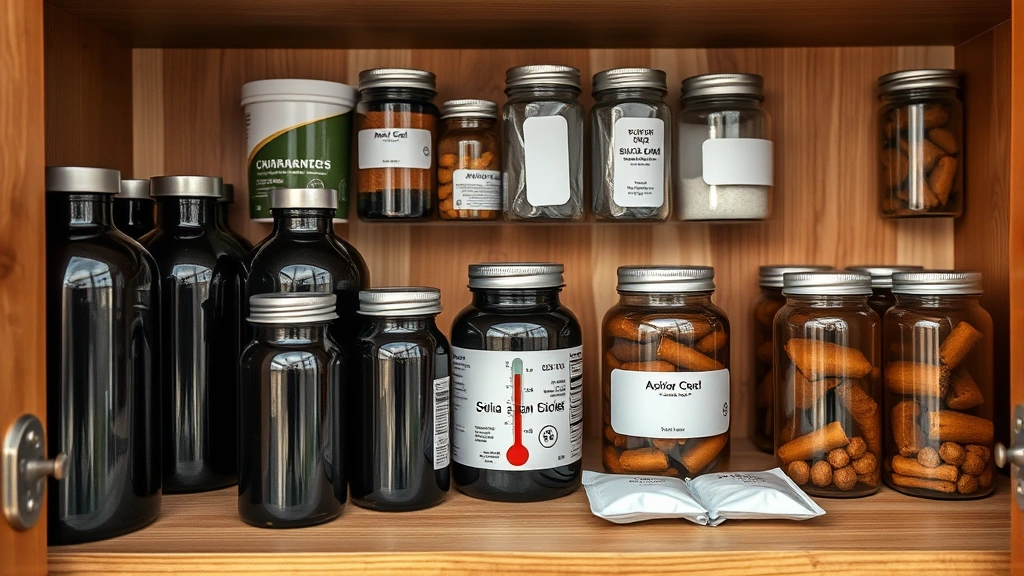
The best approach is to find a cool, dark spot in your home. A pantry, basement, or closet away from appliances works perfectly. If you live somewhere hot and humid (looking at you, Florida and Texas), consider storing supplements in a cool cabinet or even a mini fridge dedicated to pet supplies. Some people even keep certain supplements in their regular refrigerator, which is totally fine as long as you keep them sealed and away from food.
Darkness is Your Friend: Light Protection Explained
Light, especially UV light, degrades supplements faster than you’d think. This is why quality supplement manufacturers use dark glass bottles or opaque containers. If your supplements came in clear plastic bottles, transfer them to dark glass containers immediately. It might seem like overkill, but it genuinely extends shelf life.
Keep supplements in a closed cabinet or drawer rather than on open shelving. That Instagram-worthy supplement display on your kitchen counter? Cute, but functionally terrible. Your pet’s wellness routine doesn’t need to be a design statement.
Moisture Management: The Humidity Headache
Humidity is basically kryptonite for powder supplements and capsules. Bathrooms are notoriously humid, so don’t store supplements in your medicine cabinet if it’s in the bathroom. Kitchens are also problematic because of steam from cooking and dishwashing.
Invest in airtight containers or glass jars with tight-sealing lids. Silica gel packets are your secret weapon here—drop one or two in your supplement containers to absorb excess moisture. You can buy reusable silica gel packets online, and they’re dirt cheap. Just make sure they’re in a small pouch so your pet can’t accidentally ingest them.
If you live in a particularly humid climate, a small dehumidifier in your supplement storage area can work wonders. It sounds excessive, but if you’re already dropping money on quality supplements, protecting that investment makes sense.
Proper Container Selection for Supplement Preservation
The container your supplement comes in matters, but it’s not always ideal for long-term storage. Here’s the hierarchy of supplement storage containers from worst to best:
Clear plastic: Allows light and oxygen through. Upgrade immediately.
Opaque plastic: Better than clear, but still allows some oxygen transfer over time.
Glass with plastic lid: Good option, though plastic lids can absorb odors and flavors.
Dark glass with metal or rubber-sealed lid: The gold standard. This is what you want.
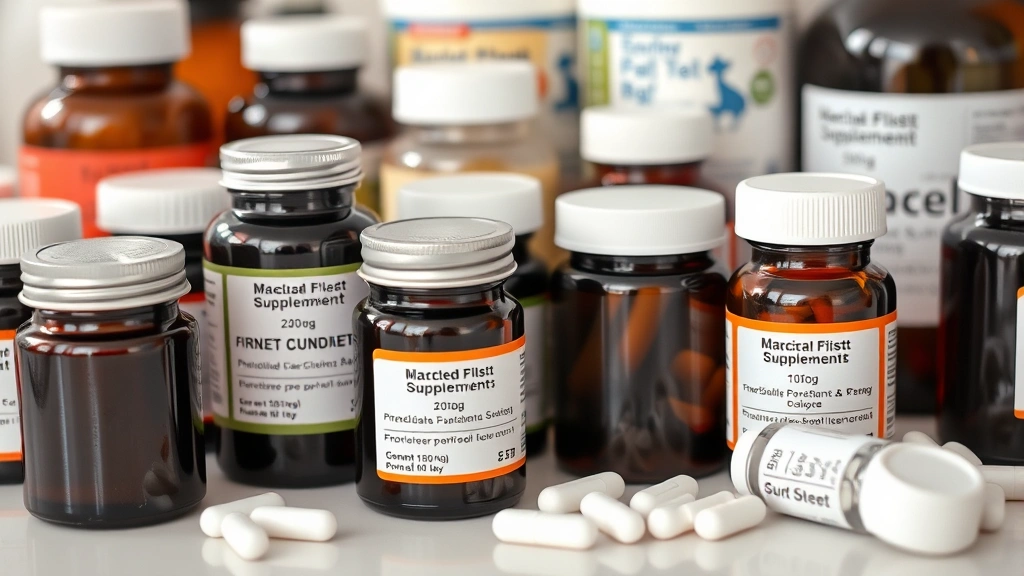
When transferring supplements, use glass containers with airtight seals. Amber or dark blue glass is ideal. Label everything clearly with the supplement name, the date you opened it, and the expiration date. Trust me, you don’t want to be guessing six months from now.
Understanding Expiration Dates and Shelf Life
Check your supplement’s expiration date before you even buy it. Some retailers have old stock sitting around, and you don’t want to bring home a supplement that’s already halfway through its life. Once you open a bottle, the clock starts ticking faster.
Most supplements have a shelf life of 2-3 years when unopened and stored properly. Once opened, that window shrinks to 6-12 months depending on the type. Liquid supplements like liquid probiotics for pets tend to have shorter shelf lives than powders or capsules because they contain more water.
Write the opening date on your container. This simple habit prevents you from accidentally using supplements that have lost their potency. If you can’t remember when you opened something, it’s probably too old to use.
Separating Supplements: Why Mixing is a Bad Idea
If you’re giving your pet multiple supplements, store them separately. Mixing different supplements in one container can cause interactions, cross-contamination, and uneven distribution. Plus, if one supplement goes bad, you’ve just contaminated all of them.
Keep your powder probiotics for cats separate from your fish oil, your joint supplements separate from your digestive aids. It might take up more space, but it keeps everything stable and makes it easier to track expiration dates individually.
Refrigeration: When and How to Do It Right
Some supplements benefit from refrigeration, while others actually prefer room temperature. Check the label—it’ll tell you what the manufacturer recommends. Generally, multi-strain probiotics for pets and other live-culture products do better in the fridge because cold slows bacterial metabolism and extends viability.
If you refrigerate supplements, keep them in a dedicated container away from food. Store them in the back of the fridge where temperature is most stable, not on the door where it fluctuates every time someone opens it. When you take them out to use them, let them come to room temperature before opening the container—this prevents condensation from forming inside.
Travel Storage: Keeping Supplements Fresh on the Go
If you travel with your pet, you need a game plan for supplement storage. A small insulated lunch bag with an ice pack works great for short trips. For longer travels, invest in a small cooler that can maintain consistent temperature.
Divide supplements into daily portions before you leave, using small airtight containers or pill organizers. This protects the main supply from being opened repeatedly in fluctuating temperatures and humidity. It’s also more convenient when you’re managing supplements on the road.
Storage Solutions for Different Supplement Types
Not all supplements are created equal, and neither are their storage needs. Capsules and tablets are pretty forgiving and can handle room temperature storage as long as it’s cool and dry. Powders need more protection from moisture and air exposure. Liquids are the most finicky and usually require refrigeration.
For sensitive stomach supplements, which often contain beneficial bacteria or enzymes, follow the manufacturer’s instructions religiously. These products are especially sensitive to temperature and humidity changes.
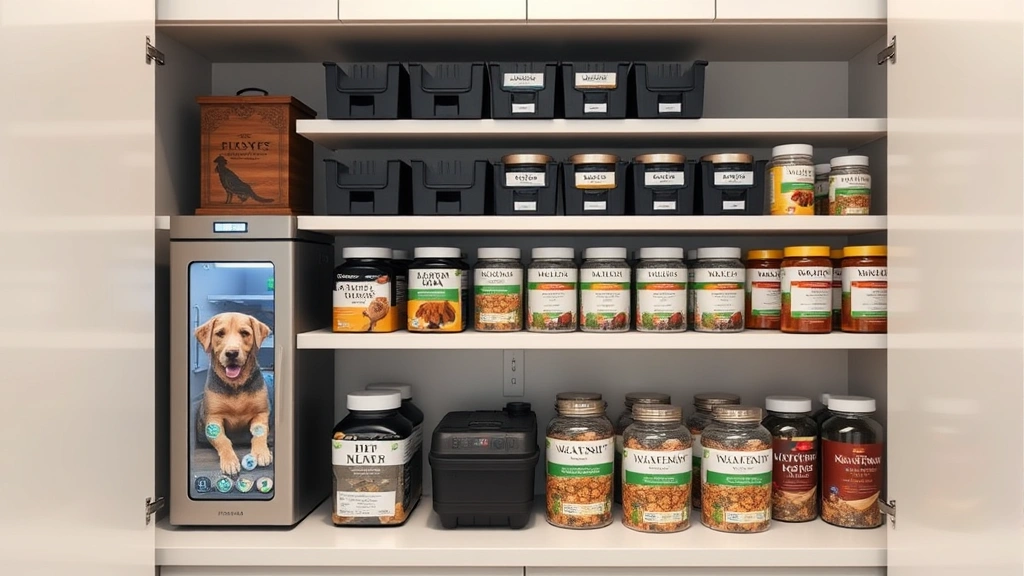
Create a simple system: powders in airtight glass jars with silica packets, capsules in their original dark containers, and liquids in the fridge. Label everything. Organize by pet if you have multiple animals. Make it foolproof.
Red Flags: When Your Supplements Have Gone Bad
Even with perfect storage, supplements can still go bad. Here’s what to watch for:
Unusual smell or taste: If it smells off or your pet refuses it when they normally eat it eagerly, it’s done.
Visible mold or discoloration: Throw it out immediately.
Clumping in powders: This indicates moisture has gotten in. Time to toss it.
Separation in liquids: Some separation is normal, but if it won’t mix back together, it’s degraded.
Expired date has passed: Don’t take chances. Just buy a new bottle.
When in doubt, replace it. Your pet’s health isn’t worth saving a few bucks on a questionable supplement.
Frequently Asked Questions
Can I store pet supplements in the freezer?
Generally, no. Freezing can damage the structure of certain active ingredients, and the repeated thawing and refreezing when you use the supplement causes condensation. Stick with regular refrigeration for products that need it, or room temperature storage for others.
How long can I keep an opened supplement?
Most opened supplements last 6-12 months if stored properly, but always check the label. Once you open it, the clock is ticking. Write the opening date on the container so you don’t forget.
Is it okay to store supplements in the original bottle?
If the original bottle is dark glass with an airtight seal, absolutely. If it’s clear plastic or came with a flimsy lid, transfer it to a better container. The original packaging is designed for shelf life before opening, not long-term storage after opening.
Should I store all my pet’s supplements together?
Keep them separate to prevent cross-contamination and interactions. Store them in individual airtight containers with clear labels. This also makes it easier to track expiration dates and rotate stock.
What’s the best room temperature for supplement storage?
Aim for 50-70°F (10-21°C). If your home gets hotter than that regularly, consider a cooler storage spot like a basement or dedicated cabinet. Consistency matters more than hitting an exact temperature.
Conclusion: Making Pet Supplement Storage a Habit
Pet supplement storage isn’t complicated, but it does require a bit of intentionality. The good news? Once you set up a proper system, it basically runs itself. Find a cool, dark spot in your home. Invest in quality airtight containers. Label everything. Check expiration dates regularly. That’s it.
Your pet deserves supplements that actually work, which means they deserve to be stored properly. You’ve already made the investment in their health by buying quality products—don’t let poor storage undermine all that effort. A few simple habits now will keep your supplements potent, your pet healthy, and your wallet happy.
For more information on specific supplement types and their storage needs, check out our guides on pet wellness topics or consult with your veterinarian about what works best for your individual pet.





