
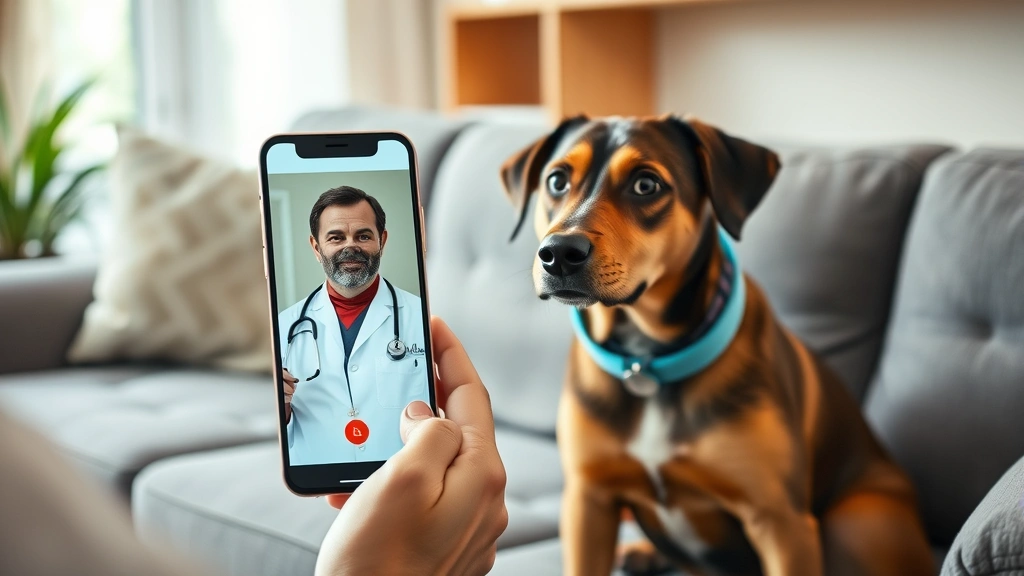
Pet surgery follow-up telehealth is revolutionizing how pet owners manage their furry friends’ post-operative care, and honestly, it’s a game-changer for anyone who’s ever worried about leaving their healing pup or kitty alone during recovery. Gone are the days of stressful car rides with a groggy, uncomfortable pet or waiting weeks for the next in-person vet appointment just to check a surgical incision. With remote vet consultation options now widely available, you can get professional guidance from your couch while your pet lounges on theirs.
Table of Contents
- Why Pet Surgery Follow-Up Telehealth Matters More Than Ever
- Understanding Post-Operative Care Through Digital Eyes
- What to Expect During Your Remote Vet Consultation
- Managing Pain and Medication Through Telehealth
- Recognizing Complications: When Telehealth Isn’t Enough
- The Cost-Benefit Analysis of Remote Post-Operative Monitoring
- Setting Up Your Home for Successful Telehealth Consultations
- Post-Operative Restrictions and Telehealth Accountability
- Building a Relationship with Your Telehealth Vet
- Integrating Telehealth with Traditional Post-Op Care
- Frequently Asked Questions
- Summary: The Future of Pet Post-Operative Care
Why Pet Surgery Follow-Up Telehealth Matters More Than Ever
Let’s be real: post-operative care is critical. After your pet undergoes surgery—whether it’s a routine spay/neuter or something more complex—those first two weeks are absolutely crucial for proper healing. Traditional follow-up care meant scheduling appointments, loading your pet into a carrier, and making multiple trips to the vet clinic. With urgent care telehealth for pets, you can monitor your pet’s surgical recovery from home, reducing stress for both you and your animal companion.
The beauty of remote vet consultation is that your vet can assess your pet’s incision healing, check for signs of infection, and answer your frantic 2 AM questions about whether that slight swelling is normal. According to the American Veterinary Medical Association (AVMA), telehealth consultations have proven invaluable for post-operative monitoring when combined with proper in-person checkups.
Understanding Post-Operative Care Through Digital Eyes
Your vet can accomplish a surprising amount through a video call. During a pet surgery follow-up telehealth session, your veterinarian will want to see your pet moving around, observe their gait, and get a clear view of the surgical site. This means you’ll need good lighting and maybe a little patience if your pet decides to be camera-shy. The vet can assess swelling, redness, discharge, and whether your pet is licking or bothering the incision—all red flags that might require intervention.
The key is communication. Take photos or videos of the incision before your telehealth appointment so your vet has documentation of the healing progress. This is especially useful for pet health monitoring over several days or weeks.
What to Expect During Your Remote Vet Consultation
When you schedule a remote vet consultation for post-operative follow-up, here’s what typically happens: your vet will review the surgical report, ask detailed questions about your pet’s behavior, appetite, and bathroom habits, and request to see the incision site. Have your pet in a well-lit area, and be prepared to move them around a bit so the vet can assess their mobility and comfort level.
Most telehealth platforms allow for video, photo sharing, and sometimes even messaging follow-ups. This flexibility means you’re not limited to one scheduled time—you can send photos throughout the day if you’re concerned about something specific. It’s like having your vet on speed dial, minus the actual phone calls.
Managing Pain and Medication Through Telehealth
One of the most important aspects of post-operative care is pain management. Your vet prescribed pain medication for a reason, and during your pet surgery follow-up telehealth appointment, your veterinarian will assess whether the current pain management plan is working. Is your pet still limping excessively? Are they refusing to eat? These are signs that medication adjustments might be needed.
The advantage here is that your vet can adjust prescriptions, recommend at-home pet treatments, or suggest additional comfort measures without you having to make an emergency trip to the clinic. Many telehealth platforms integrate with pharmacies, so refills can be processed immediately.
Recognizing Complications: When Telehealth Isn’t Enough
While pet surgery follow-up telehealth is incredibly useful, it’s not a replacement for emergency in-person care. You need to know when to call your vet immediately rather than waiting for a scheduled telehealth appointment. Red flags include excessive bleeding, severe swelling, signs of infection (discharge, odor, heat around the incision), fever, vomiting, or your pet’s complete refusal to eat or move.
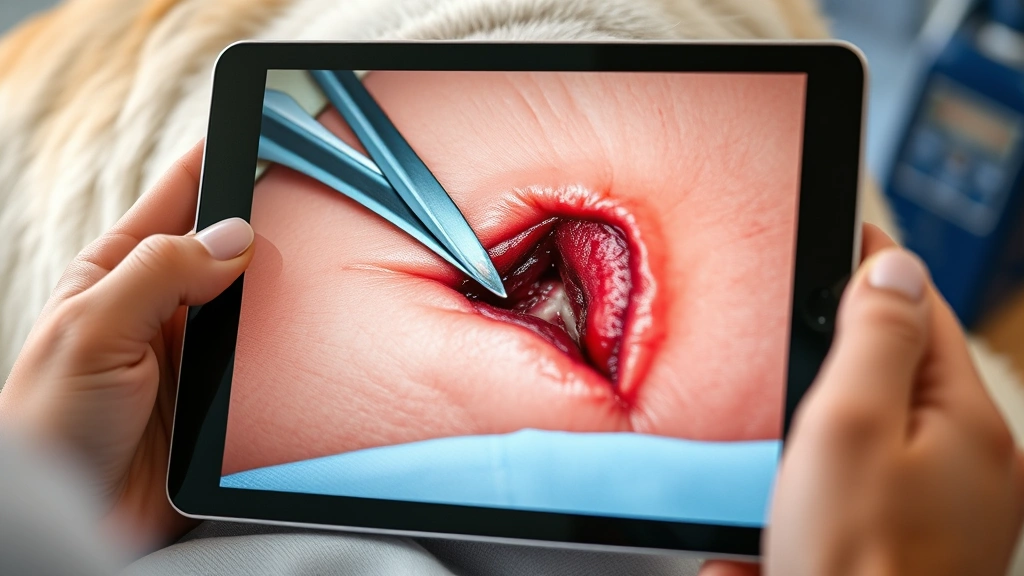
If your pet shows any of these signs, skip the telehealth call and head to your emergency vet clinic. Your vet can guide you on this during your initial post-op instructions, but trust your gut—you know your pet best.
The Cost-Benefit Analysis of Remote Post-Operative Monitoring
Let’s talk money for a second. Pet surgery follow-up telehealth appointments typically cost between $30-$75, compared to $75-$200+ for in-person visits. When you factor in gas, time off work, and the stress of transporting a recovering pet, telehealth becomes the obvious choice for routine check-ins. Most vets recommend at least one in-person post-op check (usually around day 10-14), but telehealth can handle the interim assessments.
Many pet insurance plans now cover telehealth consultations, so check your policy. Even if yours doesn’t, the savings compared to multiple in-person visits are substantial.
Setting Up Your Home for Successful Telehealth Consultations
Before your appointment, prepare your space. You’ll need good natural or artificial lighting, a quiet area where your vet can hear you clearly, and enough room to show your pet moving around. Have your pet’s medical records handy, a list of any medications they’re taking, and photos of the incision from previous days if available. This helps your vet track healing progress.
If your pet is anxious on camera, have some treats ready. A little bribery goes a long way in getting your furry friend to cooperate during the video call. And yes, it’s totally okay if your pet looks ridiculous on screen—your vet has seen it all.
Post-Operative Restrictions and Telehealth Accountability
Your vet gave you a list of restrictions: no running, no jumping, limited activity, keep the incision dry. During your pet surgery follow-up telehealth session, your vet will ask if you’ve been following these guidelines. Be honest. If your golden retriever has been sneaking off the couch or your cat has been doing parkour on the furniture, tell your vet. They can adjust the recovery timeline and provide additional guidance.
This is also when you can ask clarifying questions about pet first aid guidance specific to your pet’s surgery. How do you safely bathe a pet with stitches? When can they go back to normal activity? What does normal healing look like?
Building a Relationship with Your Telehealth Vet
One concern pet owners have is whether telehealth creates distance in the vet-pet relationship. In reality, many pets and owners find that regular telehealth check-ins actually strengthen the relationship. Your vet gets to see your pet in their natural environment, and you have more frequent touchpoints for questions and concerns. According to PetMD, consistent communication during recovery—whether in-person or remote—leads to better outcomes and fewer complications.
The key is choosing a vet or telehealth service that knows your pet’s history. If your regular vet offers telehealth, use them. If you’re using a third-party telehealth platform, make sure they have access to your pet’s medical records.

Integrating Telehealth with Traditional Post-Op Care
The ideal post-operative care plan combines both telehealth and in-person visits. Your vet likely wants to see your pet in person at day 10-14 for suture removal or final assessment, but telehealth handles days 2-3, 5-7, and ongoing monitoring. This hybrid approach gives you the best of both worlds: professional guidance when you need it most and flexibility for routine check-ins.
Many progressive veterinary clinics now offer this integrated approach as standard. If your vet doesn’t mention telehealth follow-ups, ask about it. There’s a good chance they offer it or can recommend a trusted platform.
Frequently Asked Questions
Can a vet prescribe pain medication through a telehealth appointment?
Yes, absolutely. During your pet surgery follow-up telehealth consultation, your vet can assess your pet’s pain level and adjust medications accordingly. Most can send prescriptions directly to your pharmacy or have them mailed to your home. However, controlled substances may have additional requirements depending on your state and the telehealth platform.
What if my pet won’t cooperate during the video call?
Don’t worry—vets are used to uncooperative pets on camera. Have treats ready, try calling during a calm part of your pet’s day, and be patient. If your pet is extremely anxious, let your vet know. They might suggest a shorter appointment or alternative ways to assess your pet’s condition, like detailed photos or a follow-up call.
Is telehealth appropriate for all types of surgery follow-up?
Most routine surgeries (spay, neuter, dental, minor orthopedic) are great candidates for telehealth follow-up. More complex surgeries might require more in-person assessments. Your vet will recommend the best approach for your pet’s specific situation. When in doubt, ask your surgeon what they recommend.
How often should I have telehealth check-ins after surgery?
This depends on the surgery and your vet’s recommendations. Generally, expect check-ins at days 3-5, day 10-14, and possibly again at 4-6 weeks. Your vet will create a schedule based on your pet’s needs. Some pets heal faster and need fewer check-ins; others benefit from more frequent monitoring.
Can I cancel an in-person follow-up if telehealth is going well?
Not usually. Most vets recommend at least one in-person examination to remove sutures and do a final assessment. Even if telehealth appointments show great progress, that hands-on evaluation is important. Your vet can feel for any underlying issues, assess the incision’s integrity, and ensure everything is healing properly beneath the surface.
Summary: The Future of Pet Post-Operative Care
Pet surgery follow-up telehealth represents a significant shift in how we care for our recovering pets. It’s convenient, cost-effective, and surprisingly comprehensive for routine post-operative monitoring. By combining telehealth check-ins with strategic in-person visits, you’re giving your pet the best possible recovery experience while reducing stress on yourself.
The bottom line: don’t hesitate to ask your vet about telehealth options for post-operative follow-up. Whether it’s a routine spay or a more complex procedure, remote vet consultation can be a valuable part of your pet’s recovery journey. Your pet will thank you (probably by licking your face when they’re finally healed), and you’ll have peace of mind knowing professional eyes are on your furry friend every step of the way.





