
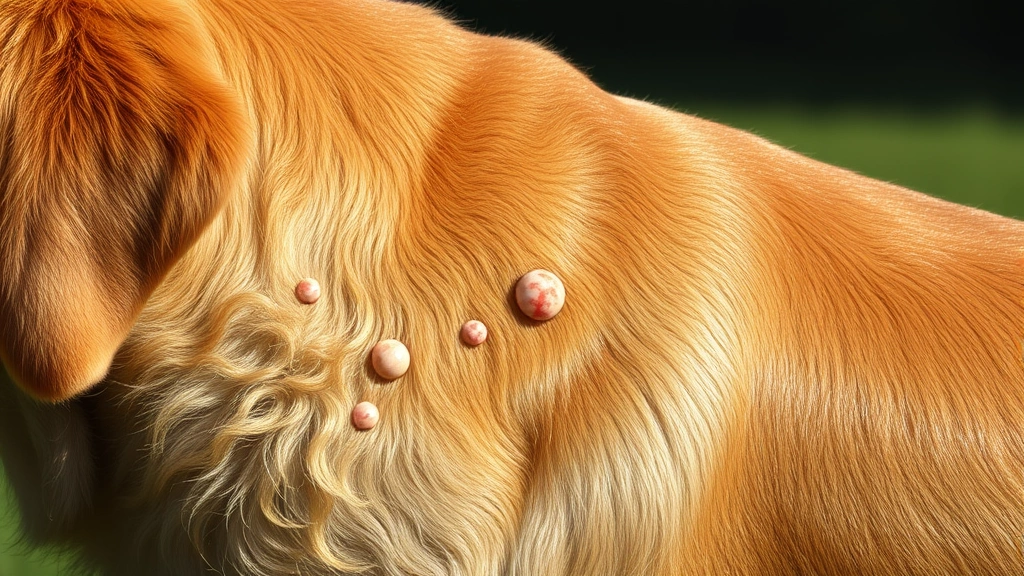
Pictures of dog tumors and cysts can help you spot potential health issues before they become serious problems, and honestly, knowing what to look for might save your pup’s life. As a vet tech with years of experience, I’ve seen plenty of worried dog parents frantically searching the internet for answers, so let’s break down what these growths actually look like and when you should panic (spoiler: not always).
Table of Contents
- What Exactly Are Dog Tumors and Cysts?
- Common Types of Dog Skin Tumors You’ll See in Pictures
- Identifying Benign vs. Malignant Growths
- Where Do These Growths Usually Appear?
- Size and Growth Rate: What the Pictures Tell You
- Cysts vs. Tumors: The Key Differences
- When to Panic: Red Flags in Growth Pictures
- The Importance of Professional Diagnosis
- Monitoring Growths at Home: Your Photo Documentation Strategy
- Nutrition and Health: Supporting Your Dog Through Growth Issues
- What Happens After Diagnosis?
- Frequently Asked Questions
- Final Thoughts: Stay Informed, Stay Calm
What Exactly Are Dog Tumors and Cysts?
First things first: not every lump on your dog is a death sentence. A tumor is an abnormal growth of cells that can be either benign (harmless) or malignant (cancerous). A cyst, on the other hand, is typically a fluid-filled sac that’s usually benign. Think of it like this—your dog’s body sometimes decides to throw a surprise party in the form of a weird bump, and your job is figuring out if it’s a birthday celebration or a fire alarm situation.
The tricky part? They can look remarkably similar to the untrained eye. That’s why understanding proper identification from trusted sources is crucial before you start doom-scrolling at 2 AM.
Common Types of Dog Skin Tumors You’ll See in Pictures
When you’re looking at pictures of dog tumors and cysts online, you’ll likely encounter several recurring types. Lipomas are fatty tumors that feel soft and squishy—they’re basically your dog’s way of storing love handles. They’re almost always benign and super common in older dogs.
Mast cell tumors are trickier. These can appear as raised, sometimes itchy bumps and range from low to high grade in severity. Melanomas show up as dark, often irregular growths, sometimes with hair loss around them. Squamous cell carcinomas look like crusty, ulcerated areas, often on less-haired parts of the body.
Then you’ve got sebaceous cysts, which are those pearly, dome-shaped bumps that sometimes ooze a gross yellowish stuff. Your dog probably doesn’t care, but you might want to look away during that one.
Identifying Benign vs. Malignant Growths
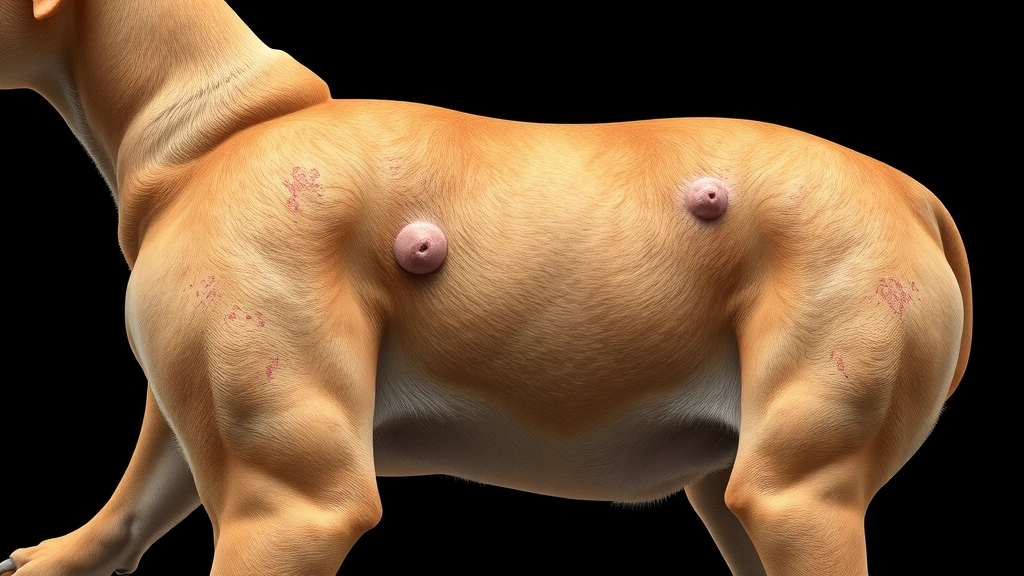
Here’s where it gets real: you absolutely cannot diagnose your dog based on pictures alone, no matter how many you look at. However, certain characteristics in pictures of dog tumors and cysts can raise red flags. Benign growths typically have smooth borders, grow slowly, and don’t cause your dog distress. Malignant ones often have irregular edges, grow rapidly, might bleed or ooze, and can cause your dog to lick or bite at them obsessively.
If your dog is acting like a lethargic dog and you’ve noticed new growths, that combination warrants an immediate vet visit. Lethargy paired with physical changes can indicate systemic issues.
Where Do These Growths Usually Appear?
Location matters more than you’d think. Most benign skin tumors pop up on the trunk, legs, and head. Malignant ones have favorite spots too—melanomas love the mouth and paw pads, while mast cell tumors can show up anywhere but prefer the limbs and lower abdomen.
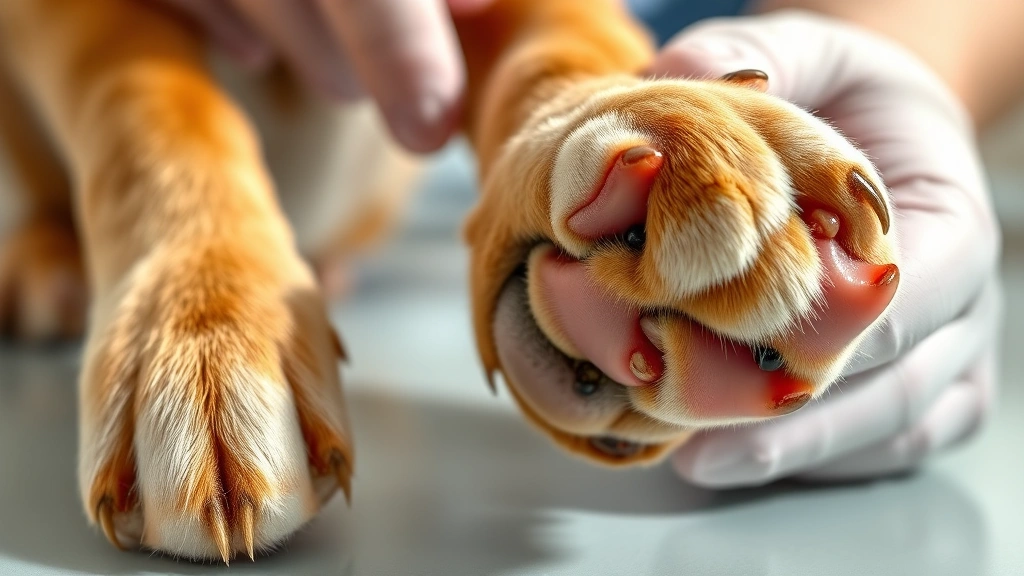
Interdigital cysts (between the toes) are super common and often benign, though they can be painful. If your dog is limping or licking their paws constantly, check between those toe beans. PetMD’s comprehensive guide breaks down location-specific growths really well if you want to dive deeper.
Size and Growth Rate: What the Pictures Tell You
When you’re comparing pictures of dog tumors and cysts over time, growth rate is your biggest clue. A growth that doubles in size over a month is way more concerning than one that’s stayed the same for a year. Keep a photo timeline—seriously, take monthly pictures of any bumps you’re monitoring. It’s like a growth chart, but creepier.
Size itself isn’t always indicative of danger. A tiny mast cell tumor can be aggressive, while a grapefruit-sized lipoma might be totally harmless. This is exactly why you need a vet, not just Google Images.
Cysts vs. Tumors: The Key Differences
Cysts are generally fluid-filled and move around under the skin (they’re mobile). Tumors tend to be more fixed in place. Cysts often don’t bother your dog at all, while tumors might cause itching, pain, or drainage. When you’re looking at pictures of dog tumors and cysts side-by-side, cysts usually look smoother and more uniform, while tumors can be irregular and crusty.
Sebaceous cysts are the most common type you’ll see, especially in older dogs. They’re usually harmless but can get infected if your dog keeps picking at them. If your dog has diarrhea but is acting fine and you’re noticing new skin growths, the diarrhea is probably unrelated—but mention both to your vet anyway.
When to Panic: Red Flags in Growth Pictures
Certain characteristics in pictures demand immediate veterinary attention. Rapid growth (noticeably larger in days or weeks), bleeding or discharge, ulceration, foul smell, or signs that your dog is in pain all mean get-to-the-vet-now. If the growth is interfering with movement, eating, or breathing, don’t wait for Monday—find an emergency vet.
Also watch for systemic signs. If your dog develops multiple new growths suddenly, seems generally unwell, or has other symptoms like a dry cough and then gags, these could indicate something more serious than a simple skin growth.
The Importance of Professional Diagnosis
Here’s the brutal truth: pictures are helpful for initial assessment and monitoring, but they’re not a diagnosis. A vet needs to examine the growth, possibly do a fine needle aspirate or biopsy, and run tests. Cornell’s veterinary diagnostic center uses sophisticated testing that no photo can replicate.
Your vet might recommend removing the growth for biopsy, even if it looks benign. This isn’t them being paranoid—it’s them being thorough. Pathology results are the gold standard for determining what you’re actually dealing with.
Monitoring Growths at Home: Your Photo Documentation Strategy
If your vet says a growth is benign and you’re monitoring it, become a photographer. Take monthly pictures from the same angle, in the same lighting. Note any changes in size, color, texture, or your dog’s behavior around it. Keep a simple log: “March 1st: quarter-sized, smooth, no drainage. April 1st: same size, still smooth.”
This documentation is gold when you visit the vet. Instead of saying “I think it’s gotten bigger,” you can show concrete evidence. Your vet will appreciate it, and you’ll feel more in control of the situation.
Nutrition and Health: Supporting Your Dog Through Growth Issues
While you’re dealing with potential tumors or cysts, don’t overlook overall health. A strong immune system helps your dog fight off potential issues. If your dog is dealing with other health concerns, like kidney issues, proper nutrition becomes even more critical. Check out information on kidney diet for dogs if your pup has multiple health concerns.
Antioxidant-rich foods, omega-3 fatty acids, and maintaining a healthy weight all support your dog’s overall wellness. It’s not a cure-all, but it’s part of the complete picture.
What Happens After Diagnosis?
Once your vet identifies what you’re dealing with, treatment options vary wildly. Benign cysts might need no treatment at all. Lipomas might be removed if they’re interfering with movement or causing your dog distress. Malignant tumors might require surgery, chemotherapy, radiation, or a combination approach.
The good news? Many dog cancers are treatable, especially if caught early. Your vet will discuss options based on your dog’s age, overall health, and the specific diagnosis. It’s not always a death sentence—sometimes it’s just a bump in the road (pun intended).
Frequently Asked Questions
Can I tell if a growth is cancer just by looking at pictures?
Absolutely not. While certain characteristics might raise suspicions, only a veterinary examination and possibly a biopsy can confirm cancer. Pictures are a helpful starting point, but they’re not a diagnostic tool.
Are all lumps on dogs tumors?
Nope! Dogs can develop cysts, warts, skin tags, abscesses from infections, and other benign growths. Age, breed, and genetics all play roles in what your dog might develop.
How often should I check my dog for new growths?
During regular petting and grooming sessions, you’ll naturally feel your dog’s body. Monthly thorough checks are smart, especially for older dogs or breeds prone to tumors. Make it part of your bonding time.
Should I remove a benign growth?
Not necessarily. If it’s not bothering your dog or interfering with movement, many vets recommend leaving benign growths alone. However, if it’s in a location where your dog licks it constantly, or if it’s cosmetically bothersome to you, removal is an option.
Can I treat tumors naturally without surgery?
Some people swear by supplements and dietary changes, but evidence is limited. Surgery remains the most reliable treatment for solid tumors. Always discuss any natural approaches with your vet before trying them.
How much does tumor removal cost?
Costs vary wildly depending on size, location, and whether biopsy is needed. You’re looking anywhere from a few hundred to several thousand dollars. Ask your vet for an estimate before proceeding.
Final Thoughts: Stay Informed, Stay Calm
Pictures of dog tumors and cysts are valuable educational tools, but they’re just the beginning of understanding your dog’s health. Use them to familiarize yourself with what different growths look like, monitor your own dog’s changes, and know when to seek professional help. Your vet is your partner in keeping your dog healthy and comfortable, so don’t hesitate to call with concerns.
Most importantly, remember that finding a growth isn’t a failure on your part—you’re being a responsible dog parent by noticing changes and taking action. Your dog is lucky to have someone paying this much attention.





