

Let’s be honest: giving your dog medication is one of the least fun parts of pet ownership. Your pup somehow knows the second you’re about to slip that pill into their mouth, and suddenly they’re a ninja avoiding your hands. Pill pockets for dogs are a game-changer for this exact reason. They’re small, tasty treats designed to hide pills, capsules, and tablets so your dog actually swallows their medicine without drama. If you’ve ever wrestled with your dog over medication, you know how valuable these little lifesavers can be.
In this guide, I’ll walk you through everything you need to know about pill pockets for dogs—from how to use them correctly to the best options on the market, homemade alternatives, and what to do if your dog refuses them. Because let’s face it, some dogs are pill pocket pros, and others? Well, they’re basically food critics who spit out anything suspicious.
What Are Pill Pockets for Dogs?
Pill pockets for dogs are soft, moldable treats with a hollow center specifically designed to hide medications. They’re made from ingredients like chicken, peanut butter, or beef flavoring combined with a dough-like base that’s pliable enough to wrap around a pill but firm enough to hold it in place. The genius of pill pockets for dogs is that they appeal to your dog’s natural desire to eat tasty food—so much that they often swallow the whole thing without inspecting it.
Think of them as a Trojan horse for medication. Your dog sees a treat, gets excited, and gulps it down before their brain catches up. The treat itself is formulated to be safe for dogs and usually contains minimal calories, so you’re not adding junk to their diet when you use them daily.
The most well-known brand is Greenies Pill Pockets, which has been around for years and comes in various flavors and sizes depending on your dog’s breed and medication type. But they’re not the only option, and honestly, some dogs will eat one brand and refuse another—just like people have food preferences.
How to Use Pill Pockets Correctly
Using pill pockets for dogs might seem straightforward, but there’s actually a right way and a wrong way. Get this wrong, and your dog will spit out the pill like they’ve discovered your secret plan.
Step-by-Step Instructions
- Start with dry hands: Wet hands make the treat stick to your fingers instead of staying moldable. Dry hands give you better control.
- Warm the treat slightly: Hold the pill pocket in your hand for a few seconds. The warmth makes it more pliable and easier to seal around the pill.
- Create a pocket: Gently poke your thumb into the center of the treat to form a small hole. Don’t go all the way through—you want a pocket, not a tunnel.
- Insert the pill: Place the pill or capsule into the pocket you’ve created. If it’s a large pill, you might need to use a larger-sized pill pocket.
- Seal it completely: Pinch and roll the edges of the treat around the pill until it’s fully enclosed. This is critical—if there’s any gap, your dog will find it and reject the pill.
- Give it immediately: Don’t let the treat sit around. The longer it sits, the more your dog’s nose can detect the medication inside.
- Follow with a reward: After your dog swallows the pill pocket, give them a regular treat or some praise. This creates positive reinforcement.
Pro Tip: Some vets recommend giving your dog a “practice” pill pocket (without medication) a few days before you actually need to give them medicine. This way, they’re already familiar with the treat and less suspicious when you introduce one with a pill inside.
Best Pill Pocket Brands on the Market
Not all pill pockets for dogs are created equal. Some dogs will demolish any brand, while others are pickier. Here’s what’s actually worth buying based on what I’ve seen work in practice:
Greenies Pill Pockets (The Gold Standard)
Greenies Pill Pockets are the OG and for good reason. They come in multiple flavors (chicken, peanut butter, beef, and more) and sizes tailored to small, medium, and large dogs. They’re widely available at pet stores and online. The texture is perfect—soft enough to mold but firm enough to hold the pill. Most dogs go crazy for them, which is why they’re what I recommend first.
Virbac Veraflora Pill Pockets
These are a solid alternative and often cheaper than Greenies. They’re made with natural ingredients and come in chicken and peanut butter flavors. They’re slightly softer than Greenies, which some dogs prefer and others find too mushy.
Pill Buddy by Vet’s Best
If your dog has a sensitive stomach or allergies, Pill Buddy is worth trying. They’re made with limited ingredients and don’t contain wheat, corn, or soy. They’re pricier but can be worth it if your dog has dietary restrictions.
Tomlyn Pill Pockets
Another budget-friendly option that works surprisingly well. The texture is slightly different—a bit more crumbly—but many dogs still prefer them over premium brands. It really comes down to individual taste.
Real Talk: Your dog might have a favorite brand, and that’s totally fine. If they’re refusing one brand, try another. You’re not being wasteful—you’re solving a medication compliance problem, which is worth the extra cost.
Homemade Pill Pocket Alternatives
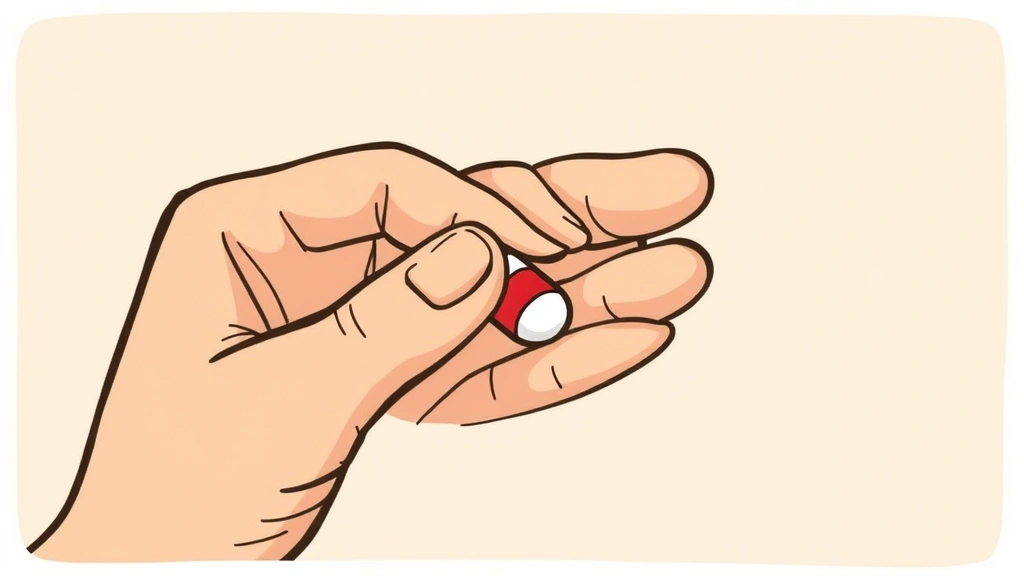
If you want to save money or control exactly what goes into your dog’s pill pocket, making them at home is totally doable. Here are some options that actually work:
Peanut Butter and Flour Dough
This is the easiest homemade version. Mix 1 part natural peanut butter (xylitol-free—this is critical) with 2 parts whole wheat flour until you get a dough-like consistency. Knead it a few times, then pinch off small pieces and mold around your dog’s pill. The downside? It’s messier and doesn’t keep as long as commercial versions.
Cream Cheese Wraps
Soften cream cheese and roll it into a small ball around the pill. It’s quick, easy, and most dogs love it. The downside is that cream cheese is higher in fat, so this isn’t ideal for daily use or for dogs watching their weight.
Chicken or Beef Liver Paste
You can make a paste from cooked chicken or beef liver mixed with a tiny bit of flour or cornstarch. It’s stinkier than commercial pill pockets (which actually works in your favor—dogs are more excited about it), but it doesn’t hold together as well. You basically have to give it to them immediately.
Sweet Potato and Peanut Butter
Mash a small amount of cooked sweet potato with a dab of peanut butter. It’s nutritious, natural, and many dogs find it irresistible. The texture is softer than commercial options, so it works better for smaller pills.
The trade-off with homemade pill pockets for dogs is convenience. Commercial versions are shelf-stable and ready to go. Homemade versions take time and don’t last as long. But if cost is a concern or your dog has specific dietary needs, homemade is worth exploring.
Safety Concerns and Ingredient Checks
Before you buy any pill pockets for dogs, you need to know what’s actually in them. Some ingredients are safe, others can be problematic depending on your dog’s health status.
Ingredients to Avoid
- Xylitol: This artificial sweetener is toxic to dogs and can cause liver damage and hypoglycemia. Check the label carefully—some brands use it as a sugar substitute.
- Excess sodium: If your dog has heart disease or is on a low-sodium diet, check the sodium content. Some pill pockets are surprisingly high in salt.
- Excess fat: Dogs prone to pancreatitis need low-fat options. Regular peanut butter-based pill pockets can be problematic for these dogs.
- Artificial colors and preservatives: While not necessarily harmful, they’re unnecessary. Look for brands with minimal additives.
Dogs with Special Dietary Needs
If your dog has pancreatitis, food allergies, or a specific medical diet prescribed by your vet, you need to check with your veterinarian before using commercial pill pockets for dogs. Some vets have specific recommendations or can approve certain brands. In some cases, homemade alternatives or even compounded medications might be better options. According to the American Animal Hospital Association, working with your vet on medication administration is crucial for dogs with underlying health conditions.
Checking the Label
Always read the ingredient list and nutritional information. The first few ingredients should be recognizable (chicken, beef, peanut butter). If you see a bunch of chemical names you can’t pronounce, that’s a red flag. Also check the calorie content—you want to account for these treats in your dog’s daily calorie intake.
Safety Warning: If your dog is on a prescription diet (like a kidney diet or diabetic diet), do NOT assume all pill pockets are safe. Some can interfere with the specific nutritional balance of prescription foods. Always ask your vet first.
What to Do When Your Dog Refuses Pill Pockets
Not every dog is a pill pocket enthusiast. Some dogs are suspicious by nature, and others have figured out the game. Here’s what actually works when your dog refuses pill pockets for dogs:
Try a Different Flavor or Brand
Your dog might hate chicken but love peanut butter, or vice versa. If one brand isn’t working, try another. This takes trial and error, but it’s worth the effort.
Use High-Value Treats Instead
If your dog refuses pill pockets, use something they absolutely lose their mind over. This might be a small piece of cheese, a dab of wet food, or a bit of deli meat. The key is making the treat more desirable than their suspicion. According to the American Kennel Club, understanding your individual dog’s preferences is key to successful medication administration.
The “Pill Sandwich” Method
Give your dog a treat without the pill, then immediately give them the treat with the pill, then immediately give them another treat without the pill. The idea is that they get excited about the treats and don’t think to inspect the middle one.
Crush the Pill (If Your Vet Approves)
Some medications can be crushed and mixed into wet food or a small amount of yogurt. NOT all pills can be crushed—some are time-release or have a coating that protects the stomach. Always ask your vet if this is an option before doing it.
Pill Crusher or Tablet Splitter
For some medications, your vet can prescribe a smaller dose that’s easier to hide, or they might be able to switch you to a liquid formulation. If your dog is consistently refusing pills, this is worth discussing with your vet.
Compounded Medications
If nothing else works, ask your vet about compounding pharmacies. They can reformulate medications into flavored liquids, smaller tablets, or even treats. It’s more expensive, but if your dog refuses everything else, it might be necessary. The United States Pharmacopeia has resources on compounded medications for pets.
Real talk: some dogs are just difficult about pills. It’s not a character flaw—it’s just how they’re wired. If you’re struggling, your vet has seen it before and can help you problem-solve.
Cost-Saving Tips and Bulk Buying
If your dog needs medication regularly, pill pockets for dogs can add up. Here’s how to keep costs down without sacrificing quality:
Buy in Bulk
Most retailers offer discounts when you buy larger boxes or subscribe to automatic delivery. Amazon Subscribe & Save often has 20% discounts on Greenies Pill Pockets. Over a year, this adds up.
Compare Price Per Treat
Don’t just look at the box price—calculate the cost per individual treat. A cheaper brand might actually be more expensive per treat. Do the math before buying.
Use Generic or Store Brands
Many pet store chains (Petco, PetSmart) have their own pill pocket brands that are significantly cheaper than Greenies. Quality varies, but they’re worth trying.
Ask Your Vet for Samples
Some vets have samples of pill pockets they’ll give you to try before you buy a whole box. This saves you from buying something your dog hates.
Homemade for Daily Use, Commercial for Emergencies
If your dog needs medication daily, consider making homemade pill pockets for dogs most of the time and saving commercial versions for situations where you need something quick and reliable (like when you’re traveling).
Check for Veterinary Discounts
Some prescription pet food companies offer discounts on complementary products, including pill pockets. If your dog is on a prescription diet, ask if discounts are available.
Loyalty Programs
Chewy, Petco, and PetSmart all have loyalty programs that earn you points on purchases. These points add up and can offset some of the cost of regular pill pocket purchases.
Frequently Asked Questions
Can I use human pill pockets for my dog?
– No, absolutely not. Human pill pockets are formulated for human digestion and often contain ingredients that are unsafe for dogs (like xylitol or certain artificial sweeteners). Always use products specifically made for dogs. If you’re unsure, ask your vet.
How long do pill pockets last once opened?
– Most commercial pill pockets stay fresh for about 2-3 weeks after opening if stored in an airtight container in a cool, dry place. Check the package for specific storage instructions. Homemade versions should be used within a few days or refrigerated.
What if my dog is allergic to the main ingredients in pill pockets?
– If your dog has allergies, talk to your vet about alternatives. They might recommend a limited-ingredient brand, homemade options, or even a compounded medication in a different form. Never guess—allergies can be serious.
Can I give pill pockets to my puppy?
– Yes, but check the label first. Most pill pockets are safe for puppies, but some brands specify a minimum age. If your puppy needs medication, ask your vet which pill pockets for dogs are appropriate for their age and size.
Do pill pockets work for all types of medications?
– Most yes, but not all. Some medications have a taste that dogs can detect even inside a pill pocket, and some capsules are too large to fit. If your dog’s specific medication isn’t working with pill pockets, ask your vet about alternatives like liquid formulations or compounded versions.
Is it okay to use pill pockets every day?
– Yes, as long as you’re accounting for the calories in your dog’s daily intake. A typical pill pocket is only about 3-5 calories, so it’s not a huge concern. But if your dog is on a weight management diet, mention it to your vet.
What’s the best way to store pill pockets?
– Keep them in an airtight container in a cool, dry place—not in the refrigerator unless the package specifies. Heat and humidity can make them sticky or cause them to spoil faster. Some people keep them in the freezer for longer storage, which also makes them slightly firmer and easier to mold.

Can I make pill pockets in advance?
– Homemade ones? Not really—they’re best used fresh or within a day or two. Commercial ones are shelf-stable and designed for advance preparation. If you’re prepping for the week, you can make homemade versions the night before and refrigerate them, but they’re best used immediately.
Related Reading: Understanding your dog’s overall nutrition is important, especially when giving supplements or medications. Check out our guides on how many cups of food your dog needs daily, how long it takes for dogs to digest food, and whether adult dogs can eat puppy food. If your dog is on medication for a specific condition, you might also want to learn about vaccination schedules and what over-the-counter medications are safe.





