
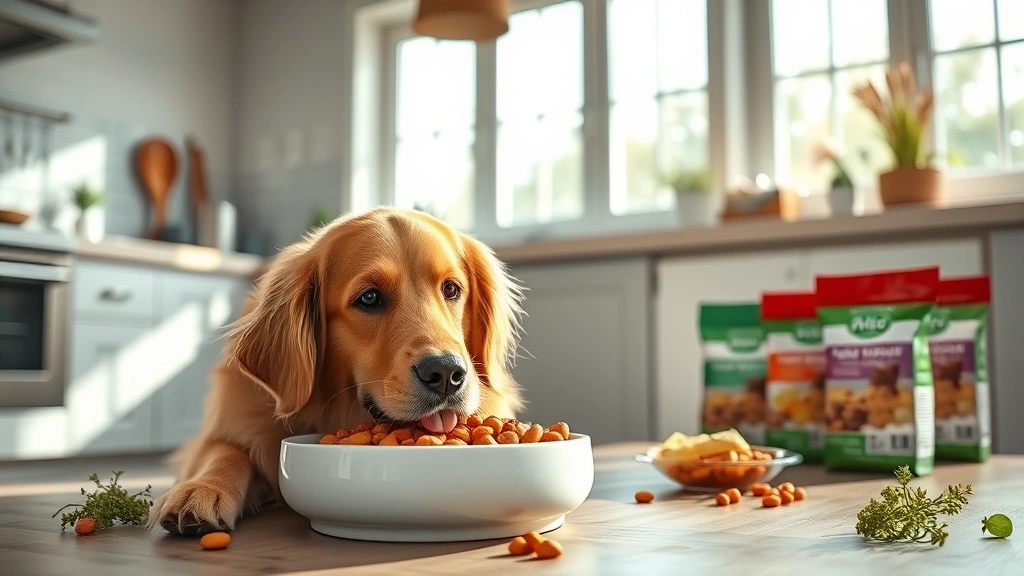
When you’re scrolling through pet food options at 10 PM on a Tuesday, you probably aren’t thinking about carbon footprints—but your furry best friend’s dinner choices actually matter way more than you’d expect. Planet-friendly pet brands are revolutionizing how we care for our pets while keeping Mother Earth from staging a hostile takeover. Whether you’ve got a slobbering golden retriever or a judgmental tabby cat, choosing sustainable pet products is easier than explaining to your dog why they can’t have your sandwich.
Table of Contents
- What Makes a Pet Brand Actually Planet-Friendly?
- Top Sustainable Dog Food Brands Leading the Pack
- Cat Food Brands Keeping Felines and Earth Happy
- Eco-Friendly Pet Supplements and Wellness Products
- Green Grooming and Hygiene Products That Won’t Hurt the Planet
- Sustainable Toys and Accessories for Happy Pets
- Understanding Certifications and Green Labels
- Making the Transition to Sustainable Pet Care
- Cost Considerations: Is Sustainable Always More Expensive?
- Where to Buy Planet-Friendly Pet Products
- The Real Impact of Your Choices
- Frequently Asked Questions
What Makes a Pet Brand Actually Planet-Friendly?
Let’s cut through the greenwashing nonsense. A truly sustainable pet company doesn’t just slap a leaf logo on their packaging and call it a day. Real eco-conscious pet brands focus on several key factors: sourcing ingredients responsibly, minimizing packaging waste, reducing carbon emissions during production, and ensuring their supply chains don’t destroy rainforests or exploit workers. It’s basically the difference between someone who recycles occasionally and someone who’s actually committed to environmental change.
The best sustainable pet companies are transparent about their sourcing. They’ll tell you exactly where their chicken comes from, how they manage their waste, and what percentage of their profits go toward environmental initiatives. If a brand won’t answer these questions, that’s your red flag to keep scrolling.
Top Sustainable Dog Food Brands Leading the Pack
Your dog doesn’t care about sustainability—they care about whether their kibble tastes like chicken or cardboard. But you care about both taste AND the planet, so here’s where the magic happens.
Ollie delivers fresh, human-grade dog food in recyclable packaging. Their meals are gently cooked (not heavily processed like traditional kibble), and they partner with farms that practice regenerative agriculture. Your pup gets nutrition, you get peace of mind, and the planet gets a tiny hug.
The Farmer’s Dog uses USDA-certified human-grade ingredients and ships meals in compostable packaging. They’re basically the farm-to-table restaurant your dog didn’t know they deserved. Plus, they partner with premium pet supplements to ensure complete nutrition without sketchy additives.
Nom Nom focuses on fresh, whole-food diets prepared in USDA kitchens. Their packaging is recyclable, and they’ve committed to carbon-neutral shipping. It’s what happens when people who actually care about pets AND the planet start a company.
Open Farm uses regenerative agriculture practices and sources from suppliers who treat animals humanely. They’re certified by B Corp, meaning they’ve met rigorous standards for social and environmental performance. Not just talk—actual verified action.
Cat Food Brands Keeping Felines and Earth Happy
Cats are notoriously picky, which makes finding sustainable options slightly more challenging than herding, well, cats. But it’s absolutely doable.
Tails.com creates personalized cat food based on your cat’s age, weight, and health needs. They use sustainable sourcing practices and deliver in minimal, recyclable packaging. Your cat gets tailored nutrition, and you get the satisfaction of knowing you’re not contributing to unnecessary waste.
Smalls offers fresh, human-grade cat food that’s minimally processed. They use responsibly sourced proteins and ship in compostable packaging. The portions are designed to reduce food waste—because nobody wants their cat’s dinner sitting in the fridge getting sketchy.
Petropics focuses on ethically sourced ingredients and has committed to reducing their environmental footprint across all operations. They’re transparent about their supply chain, which is increasingly rare in the pet food industry.
Eco-Friendly Pet Supplements and Wellness Products
Nutrition goes beyond just food. If you’re serious about sustainable pet care, you’ll want third-party tested pet supplements that don’t come wrapped in seventeen layers of plastic.
Primal offers raw and freeze-dried diets with minimal packaging. They source from regenerative farms and are transparent about their sourcing practices. Your dog gets nutrient-dense meals, and you get fewer boxes in your recycling bin.
Answers Pet Food uses raw, whole-food ingredients sourced from sustainable suppliers. Their packaging is recyclable, and they actively work to reduce their carbon footprint. It’s the kind of company that actually walks the walk.
Native Pet specializes in supplements made from whole-food ingredients without synthetic additives. Their packaging is minimal and recyclable, and they source responsibly from verified suppliers. Think of them as the supplement company that actually read the fine print on sustainability.
Green Grooming and Hygiene Products That Won’t Hurt the Planet
Pet grooming generates surprising amounts of waste. Shampoo bottles, plastic toys, disposable wipes—it adds up faster than your dog’s shedding season.
Burt’s Bees for Pets creates natural, plant-based grooming products in recyclable or compostable packaging. No harsh chemicals, no microplastics, no nonsense. Just actual ingredients that won’t make your pet’s skin freak out.
EarthBath offers eco-friendly shampoos and conditioners made from natural ingredients. Their bottles are recyclable, and they’ve committed to sustainable sourcing. Your pet smells amazing, and you don’t feel guilty about the environmental impact.
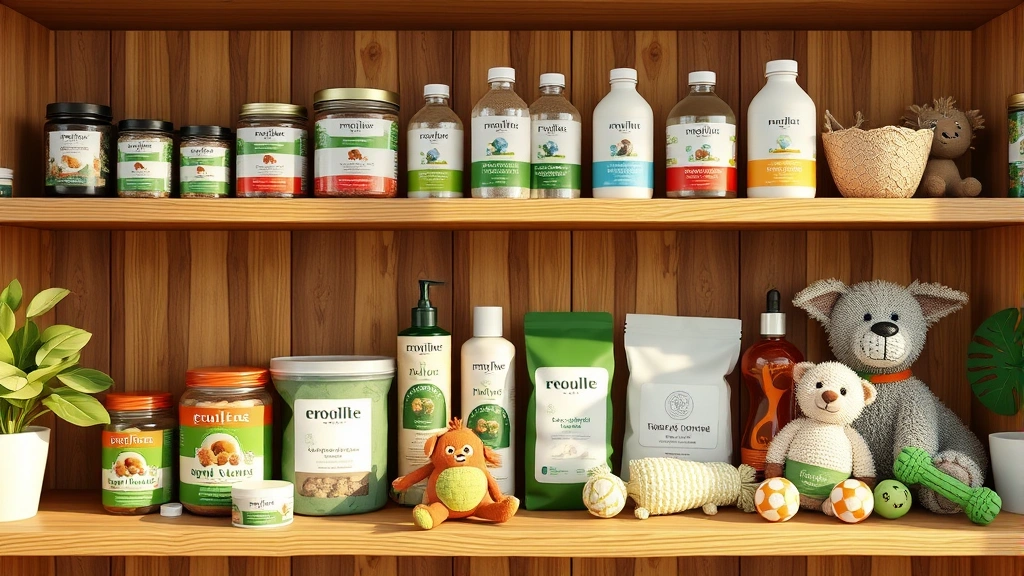
Puracy creates pet-safe cleaning products that are biodegradable and free from synthetic chemicals. They use recycled packaging and donate a percentage of profits to animal welfare organizations. It’s basically the company version of having your cake and eating it too.
Sustainable Toys and Accessories for Happy Pets
Plastic toys end up in landfills faster than you can say “fetch.” Sustainable eco-friendly pet product lines offer alternatives that actually last and don’t destroy the planet.
West Paw makes durable dog toys from recycled plastic bottles and recycles old toys when they finally give up the ghost. They’re designed to actually withstand aggressive chewing, which means fewer replacements and less waste. Revolutionary concept, right?
Beco creates pet toys and accessories from sustainable materials like bamboo fiber and recycled rubber. Their products are durable, biodegradable, and actually fun for pets. It’s the rare combination of “good for the planet” and “good for your pet’s entertainment.”
Petmate offers eco-friendly bowls, beds, and accessories made from recycled materials. They’re designed to last, which means you’re not replacing them every six months. Durability is the ultimate sustainability move.
Understanding Certifications and Green Labels
Not all “eco-friendly” labels are created equal. Some are backed by rigorous standards; others are basically corporate greenwashing with a nature filter.
B Corp Certification means the company has been independently verified to meet high standards for social and environmental performance. It’s one of the most reliable certifications you’ll find.
USDA Organic certification ensures ingredients are grown without synthetic pesticides or fertilizers. For pet food, this means cleaner sourcing, though it doesn’t necessarily mean the entire product is sustainable.
Carbon Trust Standard indicates the company has measured and reduced their carbon footprint. It’s specific, verifiable, and actually meaningful.
Leaping Bunny certification means the product wasn’t tested on animals. It’s not directly about sustainability, but it aligns with the values of most people interested in sustainable pet care.
When shopping, look for these certifications. They’re your shortcut to avoiding greenwashing and finding brands that actually back up their claims.
Making the Transition to Sustainable Pet Care
You can’t overhaul your entire pet care routine overnight without your pet staging a protest. Here’s how to transition smoothly.
Start with food. Your pet’s diet is the biggest impact area. Switch gradually over 7-10 days, mixing new food with old food to avoid digestive upset. Your vet can recommend transition schedules if your pet has a sensitive stomach. Consider incorporating fresh food feeding routines that align with your pet’s needs.
Swap out toys and accessories gradually. You don’t need to replace everything at once. When toys wear out, replace them with sustainable options. Accessories like bowls and beds can transition over time as your budget allows.
Choose supplements strategically. If your pet is on supplements, research brands that align with your sustainability values. BARF diet feeding frequency and other specialized feeding approaches can pair well with sustainable supplement brands.
Talk to your vet. Before making major changes, consult with your veterinarian. They can ensure your pet’s nutritional needs are met and help you avoid costly health issues. Some vets specialize in sustainable pet nutrition and can guide you toward the best options for your specific pet.
Cost Considerations: Is Sustainable Always More Expensive?
Here’s the honest truth: sustainable pet products often cost more upfront. But here’s the other honest truth: you often save money long-term because better quality means less waste, fewer health issues, and products that actually last.
Fresh food costs more per serving than cheap kibble, but your pet’s health improves, vet bills decrease, and you’re not replacing toys every three weeks. It’s an investment that pays dividends.
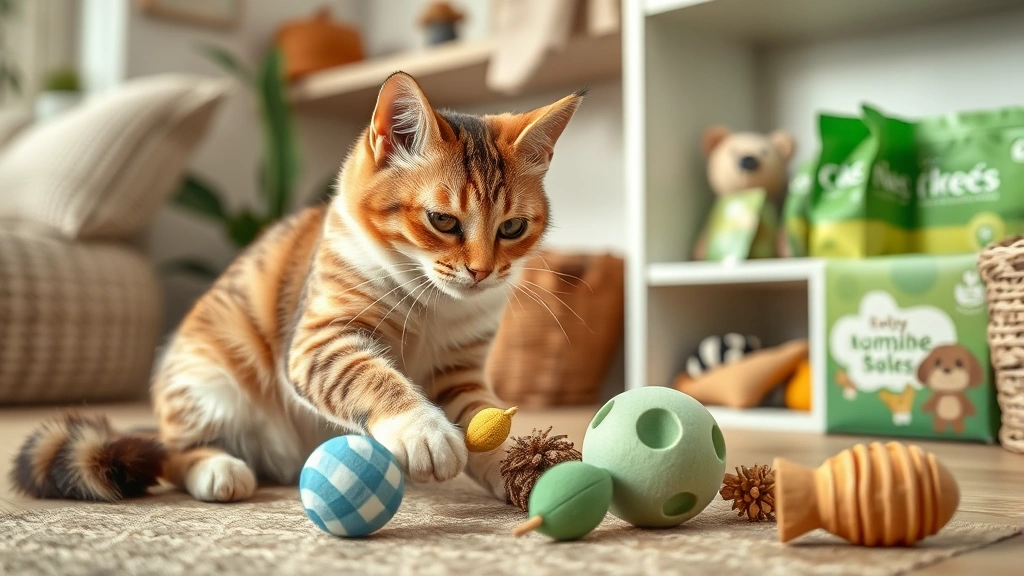
Start with one category—usually food makes the biggest difference—and expand as your budget allows. Even partial switches toward sustainable options help. Your pet doesn’t need 100% sustainability; they need a healthy life and a healthy planet.
Where to Buy Planet-Friendly Pet Products
You don’t need to hunt through obscure websites to find sustainable pet brands. Most are available through mainstream retailers.
Online platforms: Chewy, Amazon, and Petco all carry multiple sustainable brands. Read reviews, check certifications, and compare sourcing information before purchasing.
Local pet stores: Many independent pet stores specialize in sustainable products. They’re usually happy to discuss sourcing and can make personalized recommendations based on your pet’s needs.
Direct from brands: Many sustainable companies offer subscription services that deliver fresh food or supplies directly to your door. This often reduces packaging and shipping waste compared to retail.
Farmers markets: Some local farmers and pet food makers sell at farmers markets. You can ask questions directly and support your local community. Plus, you might discover local eco-conscious pet brands that aren’t widely available elsewhere.
The Real Impact of Your Choices
Choosing sustainable pet brands isn’t just about feeling good (though that’s a nice bonus). It actually matters. Pet food production accounts for significant environmental impact—from feed production to packaging to shipping. When millions of pet owners make conscious choices, the cumulative effect is substantial.
You’re not just buying food or toys; you’re voting with your wallet for the kind of pet industry you want to see. Brands that prioritize sustainability are growing because consumers like you are demanding better options. Your choice influences what companies prioritize, what gets funded, and what becomes standard practice.
Plus, sustainable products are often higher quality, which means your pet gets better nutrition, fewer health issues, and a longer, healthier life. Win for your pet, win for the planet, win for your wallet long-term.
Frequently Asked Questions
Are planet-friendly pet brands actually better for my pet’s health?
Generally, yes. Sustainable brands often use higher-quality, whole-food ingredients without synthetic additives. However, “sustainable” doesn’t automatically mean “nutritionally complete.” Always check that the brand meets AAFCO standards (Association of American Feed Control Officials) and consult your vet. Some pets have specific health needs that require particular nutrition profiles, regardless of sustainability.
How much more do sustainable pet products cost?
Fresh food brands typically cost 20-40% more than budget kibble but often cost less than premium traditional kibble. Sustainable toys and accessories vary widely—some cost the same as conventional products, others are pricier. Consider long-term value: better quality often means fewer replacements and fewer vet bills.
Can I mix sustainable and conventional pet products?
Absolutely. You don’t need to go all-in on sustainability overnight. Start with one category—usually food has the biggest impact—and expand as your budget allows. Partial switches still make a difference.
What if my pet doesn’t like sustainable food options?
Some pets are picky, and that’s okay. Work with your vet to find sustainable options that meet your pet’s nutritional needs and taste preferences. You might need to try several brands before finding the right fit. Some pets prefer fresh food, others prefer kibble; some need limited ingredients due to allergies. Sustainability is important, but your pet’s health comes first.
How do I know if a brand is actually sustainable or just greenwashing?
Look for third-party certifications like B Corp, USDA Organic, or Carbon Trust Standard. Check the company’s website for detailed sourcing information, supply chain transparency, and environmental commitments. If they won’t answer questions about their practices, that’s a red flag. Legitimate sustainable companies are transparent because they have nothing to hide.
Are there sustainable options for pets with special dietary needs?
Yes, though your options might be more limited. Brands like grain-free feeding schedules can pair with sustainable brands that offer limited ingredient or specialized formulas. Work with your vet to identify brands that meet both your pet’s health requirements and your sustainability values.
Can I make my own sustainable pet food?
You can, but it requires careful planning to ensure complete nutrition. Homemade diets often lack essential nutrients unless formulated by a veterinary nutritionist. If you’re interested in this approach, consult with your vet first. Some sustainable brands offer fresh food that’s essentially homemade quality without the guesswork.





