

If you’ve been scrolling through pet food aisles lately, you’ve probably noticed plant-based pet food popping up everywhere—and honestly, it’s not just a trendy marketing gimmick. More pet parents are ditching traditional meat-heavy kibble in favor of plant-forward options, and there are some legitimately solid reasons why. Whether you’re curious about switching your pup to a vegetarian or vegan diet, or you’re just wondering if this whole thing is legit, we’re breaking down exactly what plant-based pet food is and why it might be worth considering for your furry best friend.
Table of Contents
- What Exactly Is Plant-Based Pet Food?
- Benefit #1: Reduced Allergens and Digestive Issues
- Benefit #2: Environmental Impact and Sustainability
- Benefit #3: Lower Risk of Chronic Disease
- Benefit #4: Cost-Effectiveness Over Time
- Benefit #5: Improved Coat and Skin Health
- Nutritional Considerations and Protein Quality
- Transitioning Your Dog to Plant-Based Food
- What Veterinarians Say About Plant-Based Diets
- Common Myths About Plant-Based Pet Food
- Choosing Quality Plant-Based Pet Food Brands
- Frequently Asked Questions
- The Bottom Line on Plant-Based Pet Food
What Exactly Is Plant-Based Pet Food?
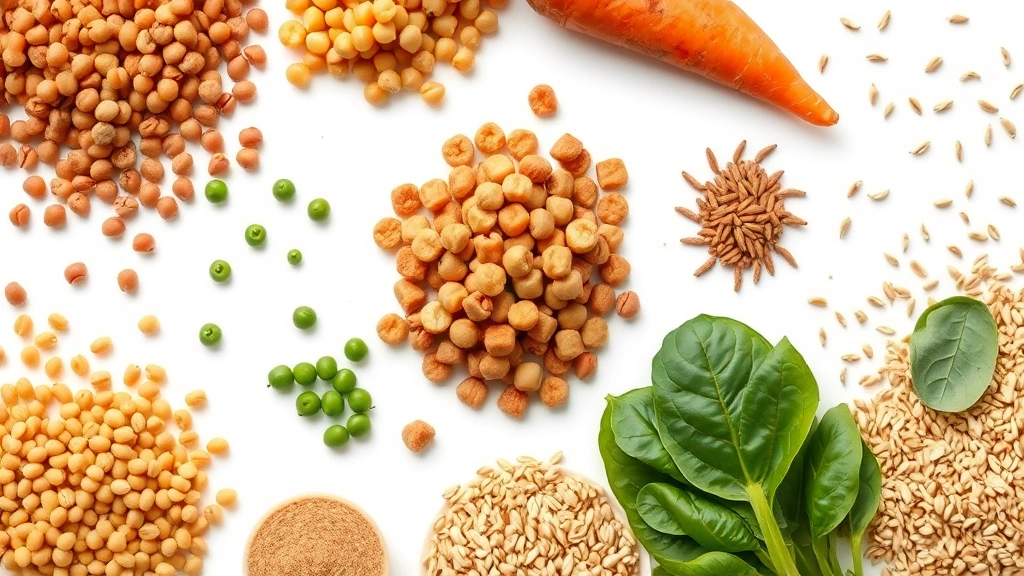
Plant-based pet food is exactly what it sounds like—dog food made primarily from plant sources instead of meat. But here’s the thing: it’s not just lettuce and carrots in a bowl. Quality plant-based pet food formulations include legumes (like lentils and chickpeas), whole grains, vegetables, fruits, and plant-based proteins that are nutritionally balanced to meet your dog’s needs. Some brands use pea protein isolates, hemp seeds, and nutritional yeast to create complete amino acid profiles. The key difference between plant-based and vegan dog food? Plant-based options might still include some animal byproducts, while vegan formulations are 100% animal-free.
Benefit #1: Reduced Allergens and Digestive Issues
One of the biggest wins for switching to plant-based pet food is the potential reduction in food allergies and digestive problems. Dogs with sensitive stomachs often struggle with beef, chicken, and dairy—the most common culprits in traditional kibble. By eliminating these common allergens, many pet parents report seeing dramatic improvements in their dogs’ digestion, coat quality, and overall comfort. If your pup has been dealing with chronic itching, ear infections, or loose stools, a plant-based diet might be the missing puzzle piece. Just make sure to transition slowly (we’re talking 7-10 days) and monitor your dog closely. Check out our guide on food allergies and feeding routines for a detailed transition plan.
Benefit #2: Environmental Impact and Sustainability
Let’s talk about the elephant in the room—or rather, the cow in the pasture. Meat production, especially beef, has a massive environmental footprint. It requires significantly more water, land, and resources compared to plant-based protein production. By choosing plant-based pet food, you’re reducing your dog’s carbon pawprint and contributing to a more sustainable food system. If you care about leaving a better planet for future generations (and their future dogs), this is a meaningful way to make a difference without sacrificing your pet’s nutrition.
Benefit #3: Lower Risk of Chronic Disease
Here’s where it gets interesting from a health perspective. Some research suggests that plant-based diets may help reduce the risk of certain chronic diseases in dogs, including obesity, diabetes, and heart disease. Plant-based foods are typically lower in saturated fat and higher in fiber, which can support healthy weight management and stable blood sugar levels. This doesn’t mean plant-based food is a cure-all, but it might give your pup a better shot at a longer, healthier life. That said, always work with your vet to monitor your dog’s health metrics, especially if they have pre-existing conditions. Our pet health monitoring guide can help you track important wellness indicators.
Benefit #4: Cost-Effectiveness Over Time
Okay, we’ll be honest—premium plant-based pet food brands aren’t always cheaper upfront than standard kibble. But here’s the financial plot twist: if your dog has fewer digestive issues, skin problems, and vet visits, you’re saving money in the long run. Many pet parents report spending less on supplements, medications, and emergency vet appointments after switching to plant-based options. Plus, some plant-based formulations are actually competitively priced with high-quality meat-based alternatives. When you factor in improved health and reduced medical expenses, the math often works in your favor.
Benefit #5: Improved Coat and Skin Health
Plant-based pet food often includes omega-3 and omega-6 fatty acids from sources like flaxseed, chia seeds, and algae. These nutrients are absolute rockstars for maintaining a shiny, healthy coat and reducing inflammation in the skin. If your dog’s been scratching like they’re auditioning for a flea circus, plant-based food might help calm things down. The antioxidants from fruits and vegetables in quality formulations also support skin barrier function and reduce oxidative stress. Your pup might not care about looking Instagram-ready, but you’ll definitely notice the difference when their coat goes from dull to dazzling.

Nutritional Considerations and Protein Quality
Here’s where we get real: dogs need complete proteins with all nine essential amino acids, and they need them in the right proportions. The good news is that well-formulated plant-based pet food can absolutely deliver this. Brands that combine multiple plant protein sources (like pea protein, hemp, and lentils) create complete amino acid profiles that rival meat-based options. However, not all plant-based foods are created equal. Look for AAFCO certification and check the ingredient list carefully. If you’re worried about nutritional gaps, pet multivitamins can fill in any blanks, though a well-balanced plant-based formula shouldn’t require supplementation.
Transitioning Your Dog to Plant-Based Food
Switching your dog’s diet requires patience and strategy. Start by mixing 25% plant-based food with 75% of their current food for 2-3 days, then gradually increase the ratio over 7-10 days. Watch for any signs of digestive upset, changes in energy levels, or behavioral shifts. Some dogs adapt beautifully, while others need a slower transition. If your pup has a sensitive stomach, consult our sensitive stomach supplements guide before making the switch. Also, if you’re interested in a more hands-on approach, check out our homemade pet food schedule for creating balanced plant-based meals from scratch.
What Veterinarians Say About Plant-Based Diets
The veterinary community’s stance on plant-based pet food has evolved significantly. Major veterinary organizations acknowledge that well-formulated plant-based diets can be nutritionally adequate for dogs. However, most vets emphasize the importance of choosing brands that have undergone AAFCO testing and consulting with a veterinary nutritionist before making the switch. Your vet knows your dog’s individual health history and can provide personalized recommendations. This is especially important if your dog has specific health conditions or is in a particular life stage (puppies, seniors, pregnant dogs).
Common Myths About Plant-Based Pet Food
Myth #1: Dogs are carnivores and can’t thrive on plants. False. Dogs are actually facultative carnivores, meaning they can digest and utilize plant-based nutrients effectively. Myth #2: Plant-based food is always more expensive. Not necessarily—pricing varies widely, and long-term health benefits often offset upfront costs. Myth #3: All plant-based foods are nutritionally incomplete. Wrong again. AAFCO-certified plant-based formulations meet all nutritional requirements. Myth #4: Your dog will hate it. Many dogs actually prefer the taste and digestibility of plant-based options. The key is finding a brand that works for your individual pup’s preferences and digestive system.
Choosing Quality Plant-Based Pet Food Brands
Not all plant-based pet foods are created equal. Look for brands that conduct AAFCO feeding trials (not just formulation statements), use whole food ingredients, and have transparent sourcing practices. Check the guaranteed analysis to ensure adequate protein levels (minimum 18% for adult dogs, 22% for puppies). Research the company’s history and whether they employ veterinary nutritionists. Read customer reviews, but remember that individual experiences vary. If you want to optimize your dog’s nutrition further, explore our pet supplement dosage guidance to ensure proper micronutrient intake.
Frequently Asked Questions
Is plant-based pet food safe for all dogs?
Plant-based pet food is safe for most healthy adult dogs, but puppies, senior dogs, and those with specific health conditions should be evaluated by a veterinarian first. Dogs with certain medical conditions like kidney disease might need specialized formulations regardless of protein source.
Will my dog get enough protein on a plant-based diet?
Yes, if you choose a well-formulated plant-based food with adequate protein levels (at least 18% for adults). Look for AAFCO certification and multiple protein sources to ensure complete amino acid profiles.
How do I know if plant-based food is working for my dog?
Monitor your dog’s energy levels, coat quality, digestion, weight, and overall behavior over 4-6 weeks. Improvements in skin health, reduced itching, better digestion, and stable weight are all positive signs. Regular vet check-ups with blood work can confirm nutritional adequacy.
Can I mix plant-based and meat-based foods?
Yes, many pet parents use a combination approach. You can mix plant-based and meat-based foods, though it’s important to ensure the overall diet remains nutritionally balanced. Consistency matters more than perfection.
What if my dog refuses plant-based food?
Some dogs are pickier than others. Try different brands and formulations—taste preferences vary. You can also gradually mix it with their preferred food or warm it slightly to enhance palatability. If your dog consistently refuses it, that’s valuable information about their preferences.
Do I need to give supplements with plant-based food?
A well-formulated plant-based food shouldn’t require supplementation, but individual dogs have different needs. Consult your vet or a veterinary nutritionist to determine if your specific dog needs additional supplements.
The Bottom Line on Plant-Based Pet Food
Plant-based pet food isn’t a one-size-fits-all solution, but it’s a legitimate option worth considering if your dog has allergies, digestive issues, or if you’re motivated by environmental concerns. The key is choosing a high-quality, AAFCO-certified brand, making a gradual transition, and monitoring your dog’s health closely. Work with your veterinarian throughout the process, and remember that the best diet is one that keeps your individual dog healthy, happy, and thriving. Whether you go fully plant-based, partially plant-based, or stick with traditional options, what matters most is that your pup is getting proper nutrition and living their best life.





