
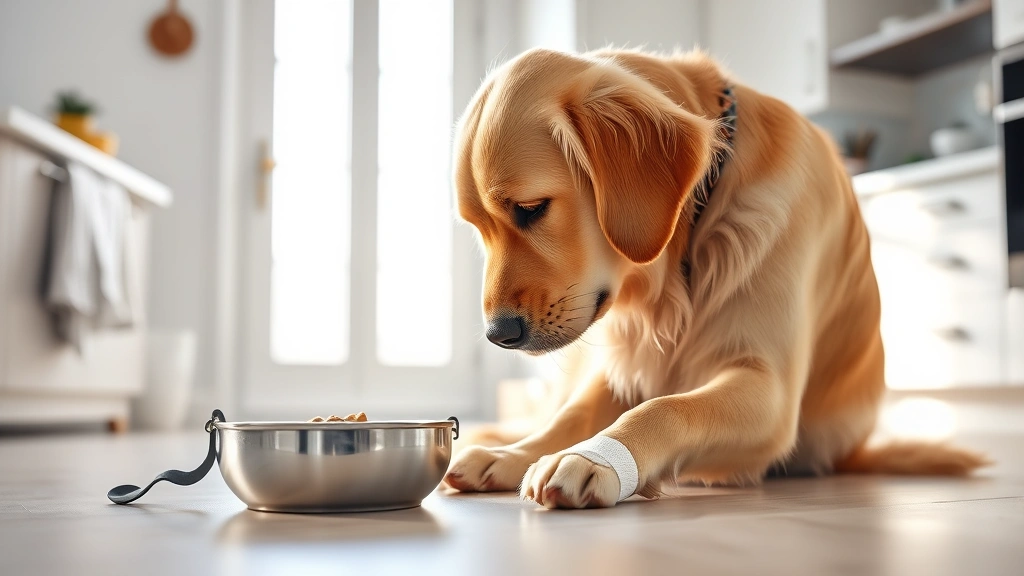
A post-operative feeding schedule is your secret weapon for helping your furry friend bounce back after surgery like a champ. We get it—watching your pet recover from anesthesia is stressful enough without wondering if you’re feeding them the right stuff at the right time. This guide breaks down everything you need to know to keep your recovering pet happy, healthy, and on the mend.
Table of Contents
- Why Your Post-Operative Feeding Schedule Matters More Than You Think
- The First 24 Hours: When Less is More
- Days 2-7: Gradually Ramping Up the Recovery Nutrition
- Understanding Post-Operative Feeding Schedule Variations by Pet Type
- Medication Timing and Your Post-Operative Feeding Schedule
- Special Considerations for Senior Pets and Chronic Conditions
- Hydration: The Overlooked Hero of Recovery
- Signs Your Post-Operative Feeding Schedule Needs Adjustment
- Transitioning Back to Normal Feeding After Recovery
- Creating Your Personalized Post-Operative Feeding Plan
- Frequently Asked Questions
- The Bottom Line: Your Pet’s Recovery Depends on You
Why Your Post-Operative Feeding Schedule Matters More Than You Think
After surgery, your pet’s body is basically running a repair shop at maximum capacity. Their immune system is working overtime, tissues are healing, and medications are coursing through their system. Feeding them properly during this critical window isn’t just about keeping their belly full—it’s about giving their body the fuel it needs to heal correctly and prevent complications.
Think of it this way: you wouldn’t run a marathon on an empty stomach, and your post-op pet shouldn’t either. The right nutrition supports wound healing, maintains muscle mass during recovery, and helps your pet regain strength faster. Plus, a proper feeding schedule prevents nausea and vomiting, which are common post-operative complaints.
The First 24 Hours: When Less is More
Right after surgery, your vet probably gave you strict instructions about fasting. That’s because anesthesia messes with your pet’s digestive system something fierce. Most vets recommend waiting 6-12 hours after anesthesia before offering any food. This isn’t punishment—it’s protection against vomiting and aspiration.
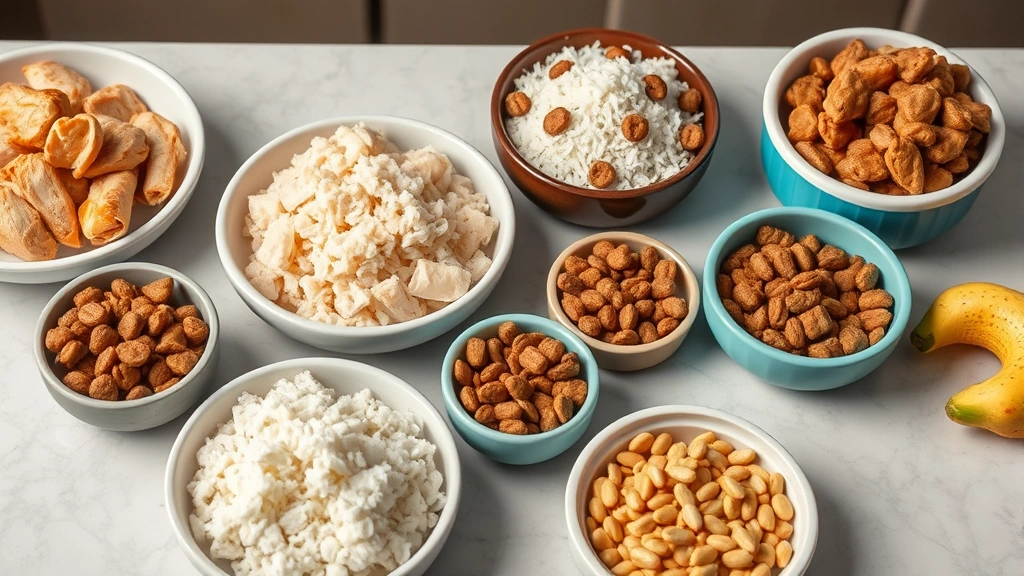
When you do offer food, think small and bland. We’re talking about a portion that’s about 25% of your pet’s normal meal size. Boiled chicken, plain rice, or prescription recovery food works beautifully. Your vet might recommend a specific at-home pet treatment diet, so follow their guidance like gospel.
Days 2-7: Gradually Ramping Up the Recovery Nutrition
Once your pet has successfully kept down a small meal without throwing it back up (victory!), you can start increasing portions slowly. This is where patience becomes your best friend. Increase meal size by about 25% every 24 hours, assuming your pet’s stomach cooperates.
During this phase, stick with easily digestible foods. Your pet’s digestive system is still recovering from the anesthesia hit. Introduce foods gradually—even if your pet normally eats premium kibble, now isn’t the time for sudden dietary changes. A fresh food feeding routine can be excellent post-op, but introduce it gently.
Understanding Post-Operative Feeding Schedule Variations by Pet Type
Dogs and cats have wildly different recovery needs, and the post-operative feeding schedule reflects that. Dogs are generally more forgiving and bounce back faster—they’ll often signal when they’re ready for more food. Cats, being the drama queens they are, might turn their noses up at food for longer periods. Don’t panic if your cat isn’t scarfing down meals immediately. Monitor for 48-72 hours before getting seriously concerned.
Small breeds and large breeds also have different caloric needs during recovery. A Chihuahua recovering from dental surgery needs a different approach than a Golden Retriever post-ACL repair. Your vet’s post-operative instructions are tailored specifically to your pet’s size, breed, and procedure.
Medication Timing and Your Post-Operative Feeding Schedule
Here’s where things get tricky: some medications need food, others absolutely don’t. Pain medications often work better on an empty stomach, while antibiotics might cause nausea without food. Your vet should have given you specific timing instructions for medications versus meals.
Pro tip: create a written chart with medication times and feeding times. Post it on your fridge. When you’re sleep-deprived from pet-parent anxiety, you need backup. If your pet is on multiple medications, a pet health consultation via video with your vet can clarify any timing questions you missed during discharge.
Special Considerations for Senior Pets and Chronic Conditions
If your senior pet is recovering from surgery, they might need an adjusted post-operative feeding schedule compared to younger animals. Senior pets often have slower digestion and may need smaller, more frequent meals. If your older friend already follows a senior dog feeding routine, work with your vet to adapt it for post-operative recovery.
Pets with diabetes present another layer of complexity. If your pet is diabetic, recovery feeding becomes even more critical. Your vet might adjust insulin doses during recovery, so don’t guess—ask. Learn more about managing diabetic pet feeding schedules to understand how surgery impacts their management.
Hydration: The Overlooked Hero of Recovery
While we’re obsessing over food, don’t forget water. Proper hydration is absolutely essential during recovery. Most pets can have water 2-4 hours after anesthesia, even if food is still off-limits. Offer small amounts frequently rather than one big bowl.
If your pet isn’t interested in drinking, that’s a red flag. Dehydration slows healing and can lead to serious complications. If your pet refuses water for more than a few hours post-op, contact your vet immediately. Some pets benefit from bone broth (unsalted) or electrolyte solutions designed for pets to encourage drinking.
Signs Your Post-Operative Feeding Schedule Needs Adjustment
Your pet will tell you if something’s wrong—you just need to know what to listen for. Persistent vomiting, diarrhea, loss of appetite beyond 48 hours, or lethargy are all signs that your feeding schedule might need tweaking. Maybe you’re increasing portions too fast, or maybe your pet needs prescription recovery food instead of home-cooked meals.
Watch for these warning signs: repeated vomiting (once is normal, twice is concerning), refusal to eat for more than 2-3 days, excessive drooling, or abdominal bloating. These warrant an immediate call to your vet, not a wait-and-see approach.
Transitioning Back to Normal Feeding After Recovery
The end goal is getting your pet back to their normal diet and routine. This transition shouldn’t happen overnight. Once your pet has been on the recovery diet for about 7-10 days without issues, start mixing in their regular food. Go 75% recovery food, 25% regular food for a few days, then 50/50, then 25/75, and finally back to 100% normal.
This gradual transition prevents digestive upset and confirms your pet’s stomach is truly ready for their regular meal plan. Some pets recover faster than others, so adjust the timeline based on your individual pet’s response.
Creating Your Personalized Post-Operative Feeding Plan
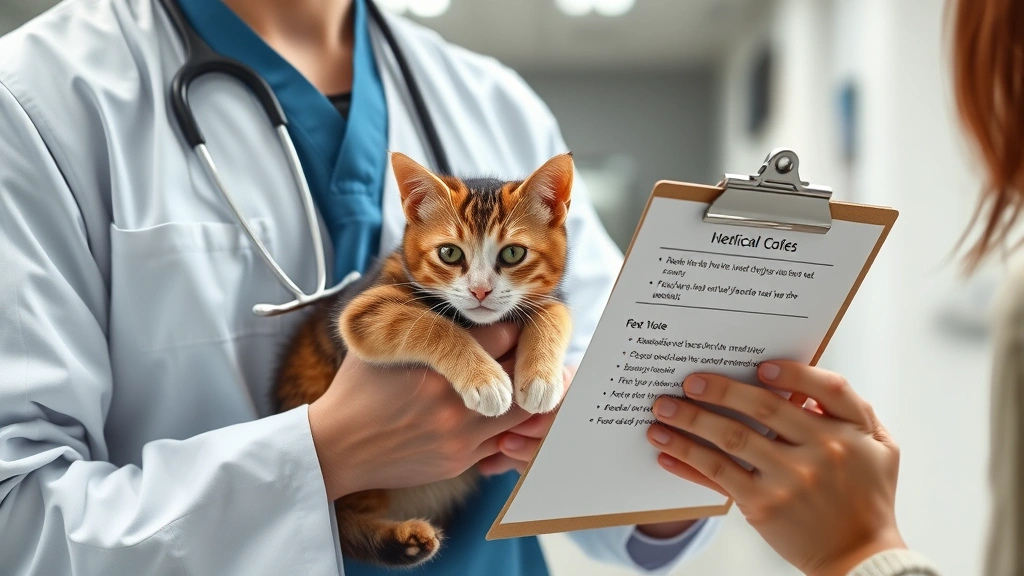
Every pet is unique, and so is every surgery. Your vet should provide specific post-operative feeding instructions before you leave the clinic. If they don’t, ask. Get it in writing. Ask about portion sizes, meal frequency, acceptable food options, medication timing, and what symptoms warrant a callback.
Take notes during discharge instructions—your brain is probably in pet-parent panic mode anyway. Ask your vet to write down the feeding schedule so you don’t have to rely on memory. Request their after-hours contact info and don’t hesitate to use it if something seems off.
Frequently Asked Questions
How long after surgery can my pet eat?
Most vets recommend waiting 6-12 hours after anesthesia before offering food. Start with small portions of bland, easily digestible food. Always follow your specific vet’s discharge instructions, as timing varies based on the type of surgery and anesthesia used.
Can I give my post-operative pet their normal food?
Not immediately. Stick with bland, easily digestible options for the first week. Boiled chicken, plain rice, and prescription recovery diets are ideal. Gradually reintroduce normal food after 7-10 days of successful recovery feeding.
What if my pet won’t eat after surgery?
Some loss of appetite is normal for 24-48 hours post-op. However, complete refusal to eat beyond 48 hours is concerning. Contact your vet if your pet shows no interest in food for more than 2-3 days, or if they’re vomiting when food is offered.
Should I be concerned about weight loss during recovery?
Some weight loss is normal during recovery, especially in the first week. However, dramatic weight loss or continued weight loss beyond 2-3 weeks suggests your post-operative feeding schedule needs adjustment. Discuss this with your vet.
How do I know if my pet’s recovery is on track?
Good signs include returning appetite by day 2-3, normal bowel movements, increased activity levels, and interest in their surroundings. Your pet should show gradual improvement each day. Contact your vet if you notice decline instead of improvement.
Can I give treats during post-operative recovery?
Skip treats until your pet is fully recovered and back on their normal diet. Treats can upset the delicate balance of post-op digestion and may contain ingredients that interfere with healing or medications.
The Bottom Line: Your Pet’s Recovery Depends on You
A proper post-operative feeding schedule is one of the most important things you control during your pet’s recovery. It’s not glamorous or complicated, but it’s absolutely critical. Follow your vet’s specific instructions, monitor your pet carefully, and don’t hesitate to reach out if something seems off.
Your pet is counting on you to get this right. You’ve got this—and your furry friend will be back to their normal self before you know it. Recovery takes time, patience, and proper nutrition. Stick to the plan, stay vigilant, and celebrate those small victories as your pet heals.
Remember, every question you have is worth asking. Your vet would rather answer ten questions than deal with a post-operative complication that could have been prevented. Keep those discharge instructions handy, follow the post-operative feeding schedule religiously, and enjoy watching your pet bounce back to full health.





