

A proper post-surgery feeding schedule is absolutely critical to your pet’s recovery, and honestly, it’s one of the most overlooked aspects of post-operative care. Your vet probably handed you a discharge sheet, you nodded along, and now you’re wondering if your furry friend should eat that chicken or wait another hour. Don’t worry—we’ve got you covered with everything you need to know about feeding your pet after surgery.
Table of Contents
- Why Your Post-Surgery Feeding Schedule Matters More Than You Think
- The First 24 Hours: The Critical Window
- Days 2-7: The Transition Phase and Gradual Reintroduction
- Understanding Different Surgery Types and Their Feeding Needs
- Protein and Calories: Fueling the Healing Machine
- Hydration: The Forgotten Hero of Recovery
- Special Dietary Considerations for Specific Procedures
- Signs Your Pet Isn’t Tolerating the Feeding Schedule
- Medications and Feeding: The Timing Game
- When to Return to Normal Feeding and Beyond
- Common Post-Surgery Feeding Mistakes to Avoid
- Frequently Asked Questions
- Your Post-Surgery Feeding Schedule Checklist
- Final Thoughts: You’ve Got This
Why Your Post-Surgery Feeding Schedule Matters More Than You Think
After surgery, your pet’s body is in recovery mode. Think of it like your phone after a factory reset—it needs time to recalibrate before running at full speed. Anesthesia messes with your pet’s digestive system, and jumping straight back to normal meals can cause vomiting, diarrhea, or worse complications. The right post-operative feeding plan prevents these issues while supporting healing. According to AAHA (American Animal Hospital Association), proper nutrition during recovery directly impacts wound healing and immune function.
The First 24 Hours: The Critical Window
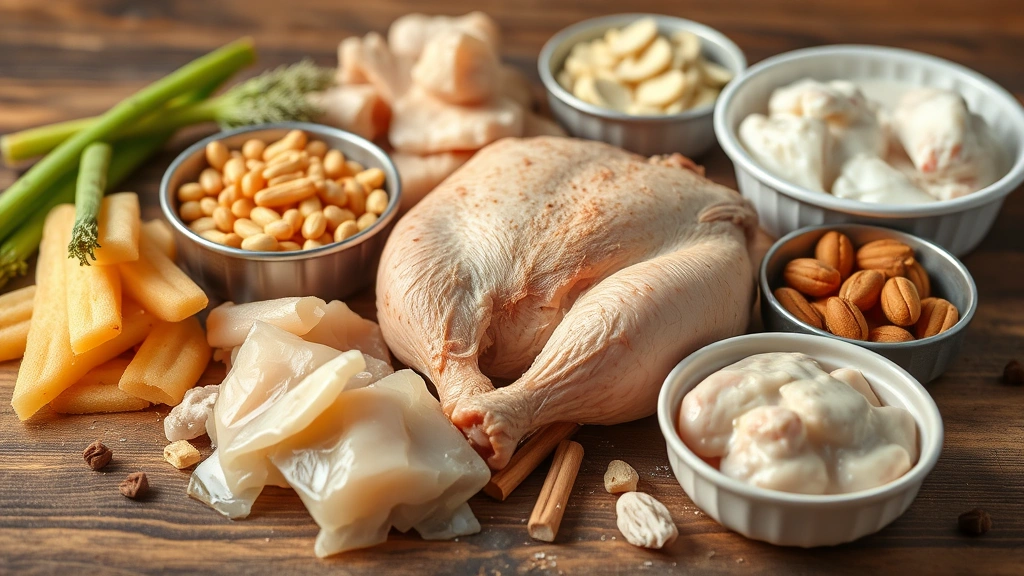
The first day after surgery is where most pet parents make mistakes. Your pet’s digestive system is still waking up from anesthesia, kind of like trying to eat breakfast after a wild night out—not happening. Most vets recommend withholding food for 6-8 hours post-surgery, though this varies by procedure type. Water? That’s a different story. Small amounts of water (think ice cubes or a few laps) are usually fine after 2-4 hours, but check with your vet first because some procedures require fasting from water too. When you do introduce food, start with bland options like boiled chicken (no seasoning, please) or prescription recovery diet formulas.

Days 2-7: The Transition Phase and Gradual Reintroduction
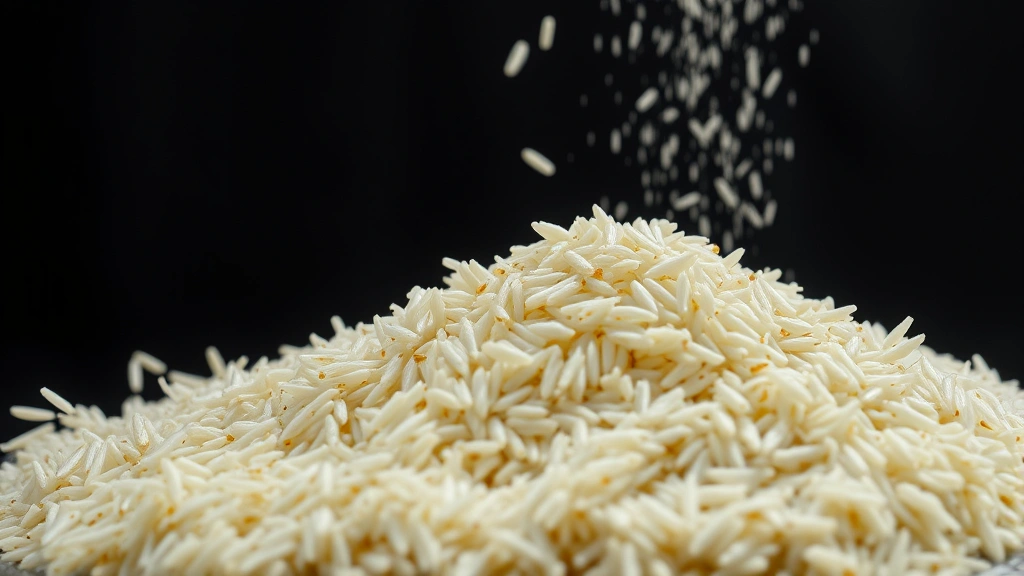
By day two, your pet might actually seem hungry—shocking, I know. This is where patience becomes your superpower. Introduce small, frequent meals (think 4-6 small portions instead of 2 big ones) to avoid overwhelming the digestive system. A good rule of thumb: feed about 25% of normal portions on day 2, gradually increasing to 50% by day 3-4, and reaching normal amounts by day 5-7. This gradual approach prevents the dreaded post-surgery vomit fest. Stick with easily digestible foods like plain rice, boiled turkey, or your vet’s recommended recovery diet. Some vets suggest post-surgery supplements for pets during this phase to support healing.
Understanding Different Surgery Types and Their Feeding Needs
Not all surgeries are created equal, and neither are their dietary requirements. Orthopedic surgeries (broken bones, cruciate ligament repairs) might require extended recovery feeding protocols since your pet will be immobilized. Abdominal surgeries demand extra caution with food introduction because you’re dealing with internal healing. Dental surgeries mean soft food for longer periods. Spay/neuter procedures? Those are usually the most forgiving, allowing faster return to normal feeding. Always confirm your specific pet’s timeline with your veterinarian because they know the exact details of what happened under anesthesia.

Protein and Calories: Fueling the Healing Machine
Here’s the thing about recovery nutrition that blows people’s minds: your pet actually needs MORE calories and protein during healing, not less. Surgery triggers the body’s repair mechanisms, which are basically tiny construction crews working overtime. Protein is the building material for new tissue, especially important for wound healing. Look for high-quality protein sources and consider recovery supplements that include amino acids and collagen. According to PetMD, adequate protein intake can reduce recovery time by up to 20%. However, don’t just load up your pet’s bowl—work with your vet to determine appropriate portions based on your pet’s weight and the surgery type.
Hydration: The Forgotten Hero of Recovery
Everyone focuses on food, but water is equally crucial. Dehydration slows healing and can cause serious complications. After the initial fasting period, ensure your pet has constant access to fresh water. Some pets won’t drink much while recovering (thanks, anesthesia), so you might need to encourage them with ice cubes, low-sodium broth, or a water fountain. If your pet isn’t drinking within 12-24 hours post-surgery, contact your vet immediately. Proper hydration supports organ function and helps flush out anesthesia remnants.
Special Dietary Considerations for Specific Procedures
Abdominal surgery patients need extra TLC with their post-surgery feeding schedule. Start with clear broths and gradually introduce bland foods. Avoid anything that might cause gas or bloating. Orthopedic patients need calorie-controlled portions because they’ll be less active (hello, weight gain risk), but they also need excellent nutrition for bone healing. Cardiac surgery patients might require sodium-restricted diets. Dental surgery means soft food for 7-10 days minimum. Your discharge papers should specify, but if they’re vague, ask your vet for written feeding guidelines.
Signs Your Pet Isn’t Tolerating the Feeding Schedule
Watch for red flags that indicate feeding problems. Vomiting after eating? That’s a sign you’re introducing food too quickly or in portions too large. Diarrhea suggests digestive upset—scale back and go slower. Lack of interest in food could indicate pain or nausea, both requiring vet attention. Excessive drooling, retching, or abdominal distension are emergency signs. Your pet’s behavior tells you a lot—if they seem uncomfortable after meals, adjust accordingly and call your vet.
Medications and Feeding: The Timing Game
Many post-surgery medications need to be taken with food to prevent stomach upset, while others should be given on an empty stomach. This timing puzzle can be tricky when you’re managing a post-operative feeding plan. Create a schedule that coordinates medications with meals. Pain medications, for example, often work better if given 30 minutes before meals. Antibiotics might need spacing between food and medication. Write everything down—your brain is probably fried from worrying about your pet anyway. Check pet health monitoring resources to track these details.
When to Return to Normal Feeding and Beyond
Most pets can return to their regular diet within 7-14 days, depending on the surgery. However, “normal” doesn’t mean immediately. Transition back gradually over 3-5 days by mixing increasing amounts of regular food with the recovery diet. Some vets recommend extended recovery nutrition for 4-6 weeks post-surgery to optimize healing. This is where collagen for pets and other healing supplements become valuable additions. Your vet will give you the all-clear signal—trust it, but also trust your observations of how your pet is doing.
Common Post-Surgery Feeding Mistakes to Avoid
Let’s talk about what NOT to do. Don’t give your pet treats as rewards during recovery—I get the impulse, but it sabotages the whole plan. Don’t switch to premium or unusual foods thinking it’ll help (stick with what your vet recommends). Don’t let other family members freelance-feed your pet—everyone needs to follow the same schedule. Don’t assume your pet’s normal appetite means they’re fully healed (internal healing takes longer than external appearance suggests). Don’t skip the gradual transition back to normal food. And please, don’t panic if your pet seems less interested in food—some grogginess is normal for several days.
Frequently Asked Questions
How long after surgery can my pet eat?
Most pets can have small amounts of water 2-4 hours post-surgery and soft food 6-8 hours after, but this varies by procedure and anesthesia type. Always follow your vet’s specific instructions from the discharge papers.
Can I give my pet their regular food immediately after surgery?
No—regular food can cause vomiting and digestive upset. Stick with bland, easily digestible options for the first week, then gradually transition back to normal food over 3-5 days.
What if my pet won’t eat after surgery?
Some appetite loss is normal for 24-48 hours due to anesthesia. However, if your pet refuses food beyond 48 hours, seems in pain, or shows other concerning signs, contact your vet immediately.
Should I give my pet supplements during recovery?
Many vets recommend recovery supplements containing collagen, amino acids, and omega fatty acids to support healing. Discuss supplement options with your veterinarian before starting.
How many times should I feed my pet during recovery?
Feed 4-6 small meals daily during the first week instead of 2 large meals. This prevents digestive upset and ensures consistent nutrient delivery for healing.
Is it safe to give treats during the recovery period?
Hold off on treats during the initial recovery phase. Once your pet returns to normal feeding (7-14 days), you can gradually reintroduce treats in moderation.
Your Post-Surgery Feeding Schedule Checklist
Here’s your action plan: First, get specific feeding instructions from your vet in writing. Second, prepare bland food options before surgery day. Third, set phone reminders for feeding times and medication schedules. Fourth, monitor your pet’s appetite and digestion closely. Fifth, keep a recovery journal noting what and when your pet eats, plus any reactions. Sixth, schedule a follow-up vet check to confirm everything’s healing properly. Finally, celebrate when you can transition back to normal feeding—you’ve made it through the tough part.
Final Thoughts: You’ve Got This
Managing your pet’s post-surgery feeding schedule might seem overwhelming, but you’re basically just being patient and following guidelines. Your pet’s recovery depends on your attention to detail during these crucial first weeks, and honestly, that’s pretty cool. The feeding schedule isn’t just about nutrition—it’s about respecting your pet’s healing process and setting them up for the smoothest possible recovery. You’re doing great, and your pet is lucky to have someone who cares enough to get this right. Now go give your recovering buddy a gentle pet (no jumping on the bed yet) and remember: when in doubt, call your vet. That’s what they’re there for.





